Let's talk about green bean seeds. You know, those little wrinkled promises you push into the soil, hoping they'll turn into a tangled mass of vines or neat bushes laden with crisp pods. It feels like magic, but it's not. It's a process, and getting it right from the seed stage is what separates a disappointing handful of beans from a harvest so abundant you're begging neighbors to take some off your hands. I've been growing beans for over a decade, and I've made every mistake in the book—planting too early, choosing the wrong type, ignoring the soil. This guide is what I wish I'd had when I started.
What You'll Find in This Guide
How to Choose the Best Green Bean Seeds for Your Garden
Walk into any garden center or browse an online seed catalog, and the choices can be paralyzing. It's not just about picking a pretty picture. Your choice dictates your garden's layout, your harvest schedule, and even how much work you'll have to do.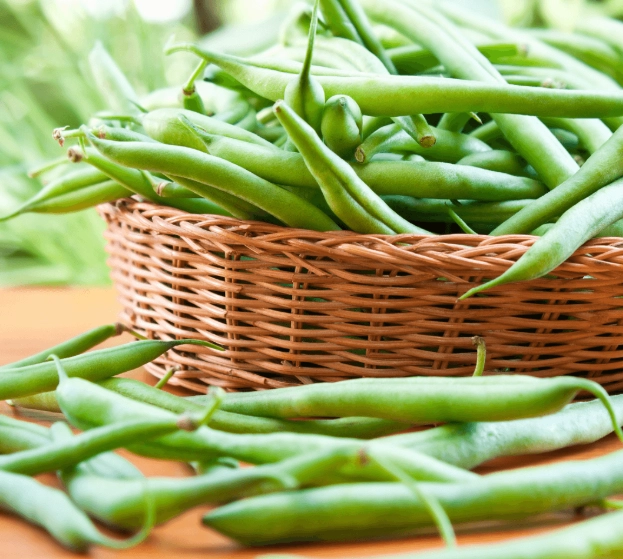
Bush Beans vs. Pole Beans: The Eternal Debate
This is the first and most critical decision.
Bush beans are the compact, no-fuss option. They grow about 1-2 feet tall, don't need support, and produce all their beans in a concentrated period (usually 2-3 weeks). Perfect for canning a big batch or if you have limited space. Varieties like 'Provider' or 'Contender' are incredibly reliable. The downside? Once they're done, they're done. You have to succession plant for a continuous harvest.
Pole beans are the climbers. They need a trellis, fence, or teepee to scramble up, often reaching 6-10 feet. They produce beans continuously from midsummer until frost, giving you a steady supply for fresh eating. They're a space-saver vertically. My personal favorite is 'Kentucky Wonder'—old-fashioned, prolific, and delicious. But you must commit to building a sturdy support.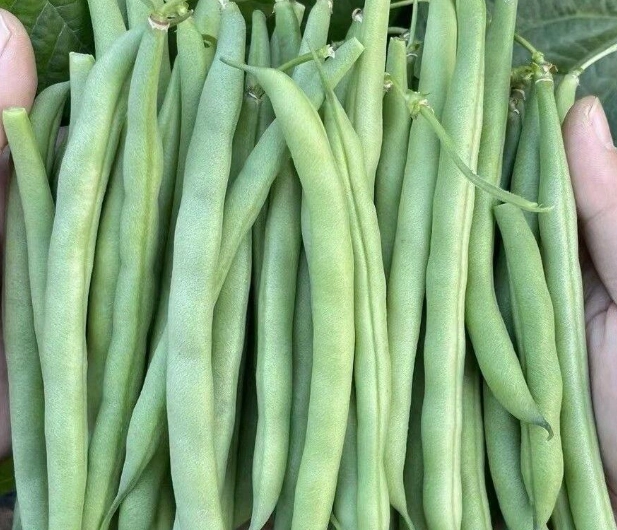
Heirloom vs. Hybrid Seeds: What's the Real Difference?
This is where gardening gets philosophical. Heirloom seeds are open-pollinated varieties passed down for generations. They offer unique flavors, colors, and histories. You can save seeds from heirlooms, and they'll grow true to type next year. 'Blue Lake' pole bean is a classic heirloom with exceptional flavor.
Hybrid seeds (often labeled F1) are crosses between two parent plants, bred for specific traits like disease resistance, uniform size, or higher yield. They're often more vigorous and reliable, especially in challenging conditions. The catch? Saved seeds from hybrids won't produce the same plant.
Don't get snobby about one or the other. I grow heirlooms for flavor and tradition, but I rely on certain hybrid bush beans for their bulletproof performance when the weather turns weird.
Reading a Seed Packet Like a Pro
Ignore the marketing fluff. Focus on these key lines:
- "Days to Maturity": This is from seeding to first harvest. A 50-day bush bean is quick; an 80-day pole bean takes patience. Match this to your growing season length.
- "Planting Depth" & "Spacing": Usually 1 inch deep and 2-4 inches apart for bush, 6 inches for pole. Following this matters.
- Disease Codes: Look for letters like "BM" (Bean Mosaic virus resistance) or "R" (Rust resistance). In areas with humid summers, these are lifesavers.
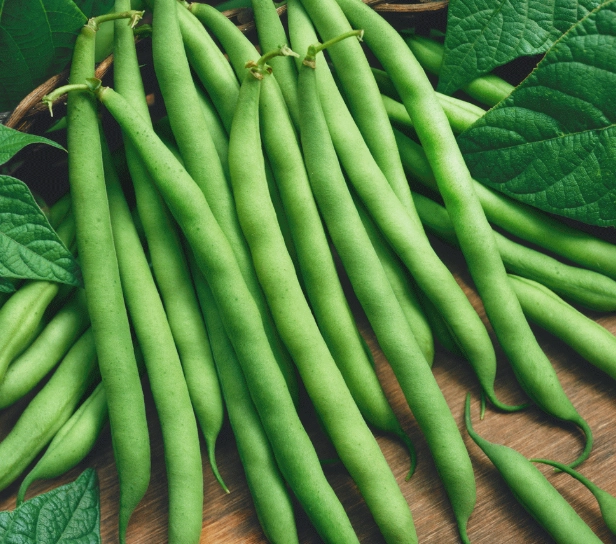
The Step-by-Step Guide to Planting Green Bean Seeds
Green beans are direct-sow crops. Starting them indoors is usually more trouble than it's worth because they hate having their roots disturbed. You plant them right where they'll grow.
Timing is Everything: When Soil Temperature Trumps the Calendar
The biggest rookie mistake is planting too early in cold, wet soil. The seeds will rot. I don't care if the air is warm. I wait until the soil temperature is consistently above 60°F (16°C). I use a cheap soil thermometer. A good rule of thumb is to plant about 1-2 weeks after your last expected spring frost date. For a fall crop, count backwards from your first fall frost date using the "days to maturity" plus about 10 days.
Preparing the Perfect Seedbed
Beans aren't heavy feeders, but they need well-drained soil. Work in some compost, but avoid high-nitrogen fertilizers. Too much nitrogen gives you lots of lush leaves and few beans. They fix their own nitrogen from the air with the help of rhizobia bacteria. If you've never grown beans before, using a legume inoculant (a powder you coat the seeds with) can boost growth significantly. It's a one-time trick I always recommend for new plots.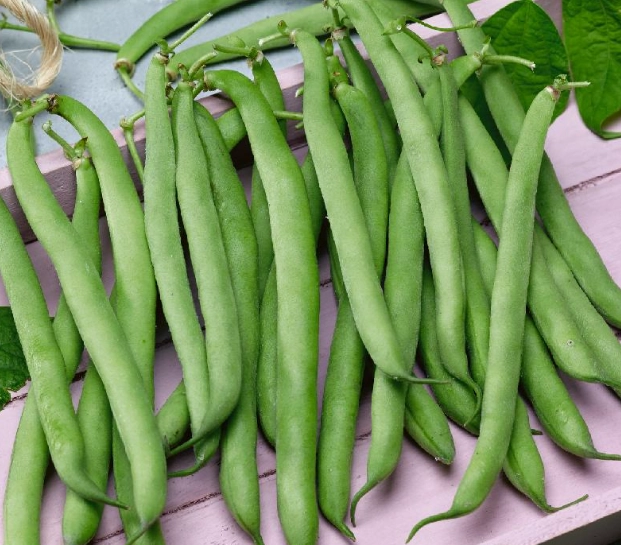
The Planting Process: A Simple Routine
- Create shallow furrows about 1 inch deep.
- Place seeds every 2-3 inches for bush beans, 6 inches for pole beans.
- Cover gently with soil and pat down.
- Water thoroughly but gently to avoid washing seeds away.
Keep the soil moist (not soggy) until seedlings emerge in 7-14 days. I often plant a few extra seeds at the end of a row as "insurance" to fill any gaps from poor germination.
Caring for Your Plants and Harvesting for Maximum Yield
Once they're up, green beans are relatively low-maintenance. But a little attention pays huge dividends.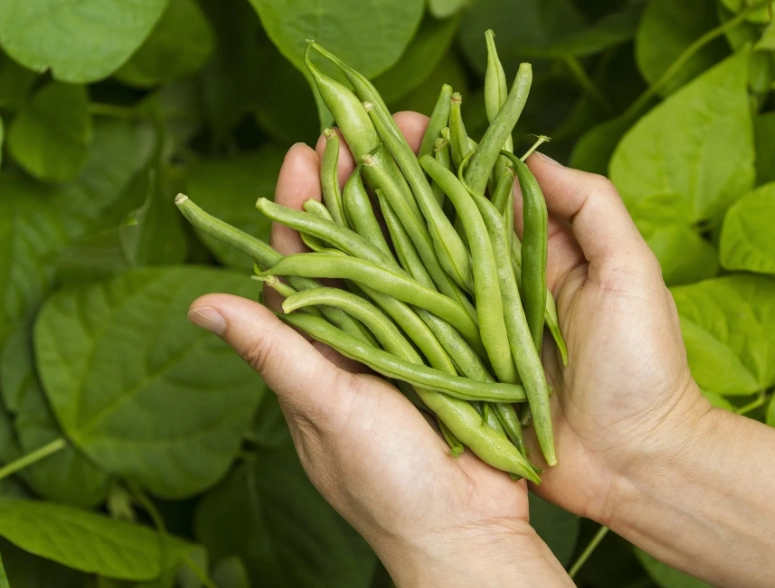
| Task | Bush Beans | Pole Beans | Key Tip |
|---|---|---|---|
| Watering | 1 inch per week, at the base | 1 inch per week, at the base | Critical during flowering & pod set. Avoid overhead watering to prevent disease. |
| Mulching | Highly recommended | Highly recommended | Use straw or shredded leaves to conserve moisture, suppress weeds, and keep soil cool. |
| Fertilizing | Light side-dress of compost mid-season | Light side-dress of compost when vines start running | Again, go easy on nitrogen. A balanced organic fertilizer or more compost is fine. |
| Harvesting | Once pods are firm, smooth, and snap easily. Pick every 2-3 days during peak. | Pick every 2-3 days to encourage more production. Pods should be pencil-thick but before seeds bulge. | The more you pick, the more they produce. Letting pods mature on the plant signals it to stop. |
Harvest in the morning when sugars are highest. Use two hands—one to hold the stem, the other to snap the pod off—to avoid damaging the plant.
Solving Common Green Bean Growing Problems
Even with perfect care, things can go wrong. Here's how to diagnose the usual suspects.
Pests: The Usual Culprits
Mexican Bean Beetles: Look like yellow ladybugs with black spots. They and their spiny larvae skeletonize leaves. Hand-pick them early. Row covers when plants are young are the best prevention.
Aphids: Clusters of tiny bugs on new growth. A strong blast of water from the hose usually knocks them off. Encourage ladybugs and lacewings.
Deer/Rabbits: They love young bean plants. A simple 3-foot-tall chicken wire fence is the only reliable deterrent I've found.
Diseases: Prevention is Key
Most bean diseases (like rust, mosaic virus, bacterial blight) thrive in wet, crowded conditions.
- Rotate your crops. Don't plant beans in the same spot more than once every 3-4 years.
- Space plants properly for air circulation.
- Water at the soil level, not the leaves.
- Choose disease-resistant varieties if you've had issues before.
- If a plant looks seriously diseased, pull it and trash it (not the compost).
A note on blossoms dropping without setting pods: This is often caused by extreme heat (over 90°F/32°C) or nighttime temperatures that are too high. It's frustrating, but the plant will usually start setting pods again when temperatures moderate. Mulching helps keep root zones cooler.
Your Green Bean Questions Answered
Why did my bean seeds come up with the seed coat still stuck on the leaves?
This happens when the soil is a bit too shallow or crusted over. The seedling pushes up with such force it doesn't shed the coat. It's usually not a problem. You can mist it with water to soften the coat and gently try to remove it with your fingers, but if it's stubborn, don't force it—you might damage the delicate leaves. The plant will often shed it on its own as it grows.
My bean plants are huge and green but have very few flowers or beans. What gives?
You're likely looking at a nitrogen overdose. Beans create their own nitrogen, so rich soil or fertilizer high in nitrogen tells the plant, "Make more leaves, you're doing great!" at the expense of flowers and fruit. Next time, skip the fertilizer at planting. For now, be patient. As the plant uses up the excess nitrogen, it should shift to flowering. Adding a phosphorus-rich supplement (like bone meal) can sometimes encourage blooming, but the main fix is time and avoiding the mistake next season.
Can I save seeds from my green beans to plant next year?
Absolutely, but only if they are heirloom or open-pollinated varieties (not hybrids). Let some of the best-looking pods dry completely and turn brown and crispy on the vine. Shell the hard, dry beans inside, let them air-dry for another week indoors, then store them in a cool, dark, dry place in a paper envelope labeled with the variety and year. They should be viable for 3-5 years. It's a fantastic way to save money and develop a strain adapted to your specific garden.
What's the best companion plant for green beans?
I've had great results with potatoes, cucumbers, and corn (for pole beans to climb). The classic "Three Sisters" combo (corn, beans, squash) works on a larger scale. Avoid planting beans near onions, garlic, or fennel, as they can inhibit growth. Marigolds planted around the bean patch help deter some pests with their scent.
How do I get a continuous harvest all summer?
Use a combination of strategies. First, plant both bush and pole beans. The bush beans give an early surge, the poles produce all season. Second, practice succession planting with bush beans. Sow a new short row every 2-3 weeks from your last frost date until about 10-12 weeks before your first fall frost. This staggers the maturity dates. Third, keep harvesting promptly. Letting even a few pods go to seed on a bush bean plant tells it its job is done.
Starting with the right green bean seeds and giving them what they need—warm soil, consistent moisture, and a watchful eye—is remarkably straightforward. The reward is a harvest that tastes nothing like the store-bought version. It's the taste of summer, earned one pod at a time. Get out there and get those seeds in the ground.
Reader Comments