Let's cut to the chase. The number one reason raised beds fail isn't pests or weather. It's the stuff you fill them with. Bag after bag of cheap, dense topsoil or mystery "garden soil" that turns into a concrete-like slab by mid-July. Your plants struggle, roots can't breathe, and watering becomes a guessing game. I learned this the hard way, watching my first season's tomatoes stall in a soggy, compacted mess.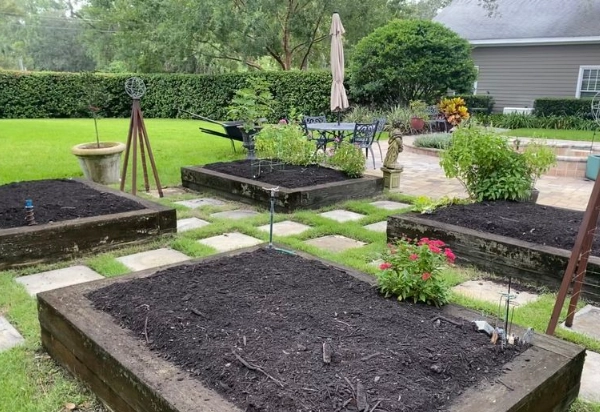
Getting your raised bed soil mix right isn't just a good idea—it's the entire foundation of your garden's success. Unlike in-ground gardening, you have complete control. That means you can, and should, create a perfect environment from day one.
What You'll Find in This Guide
Why You Can't Just Use Dirt in a Raised Bed
Think of a raised bed as a giant container. Now, imagine filling a large flower pot with soil from your yard. It would drain poorly, compact, and lack nutrients. A raised bed has the same needs: excellent drainage, a light structure for roots, and rich fertility.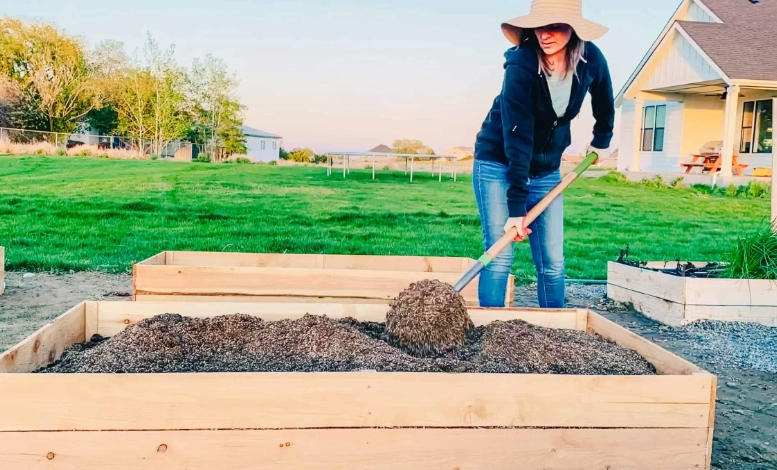
Native soil, especially clay, fails on all fronts in a confined space. It lacks the necessary pore space for air and water movement. The weight of it compresses over time, suffocating roots. Research from institutions like the University of California's Agriculture and Natural Resources division consistently highlights the importance of soil structure in containerized growing, which includes raised beds. The goal is to mimic a rich, forest-floor loam—something that rarely exists in a bag or your backyard.
Your mix needs to do three jobs simultaneously:
- Provide Structure & Drainage: Keep the soil loose so roots can explore and water can flow through, not pool.
- Hold Moisture & Nutrients: Retain just enough water to keep plants happy between waterings and hold onto fertilizer.
- Feed the Plants (and the Soil): Supply nutrients and support the microbial life that makes those nutrients available.
The "Perfect" Raised Bed Soil Mix Recipe
After years of tweaking—and after that first tomato disaster—I landed on a ratio that works like a charm. Forget complicated formulas. This is a 1:1:1:1 framework you can adapt.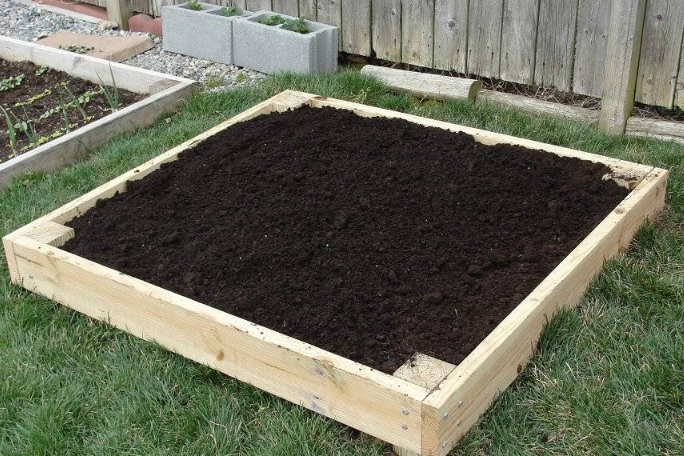
Let's break down what each ingredient brings to the table. It's not just about volume; it's about function.
| Ingredient | Primary Job | What to Look For & Notes |
|---|---|---|
| Compost | Nutrient Source & Microbial Life | Use a blend of sources if possible (e.g., plant-based, mushroom, worm castings). Avoid fresh, smelly manure. Bagged compost from a garden center is fine. |
| Screened Topsoil | Mineral Content & Weight | This is the "mineral backbone." Get "garden loam" or screened topsoil, not cheap fill dirt. It should be loose, not clumpy clay. |
| Coconut Coir | Moisture Retention & Loft | A sustainable peat moss alternative. Buy a compressed brick and rehydrate it. It holds water beautifully without becoming soggy. |
| Coarse Sand or Perlite | Drainage & Aeration | This is non-negotiable. Use sharp, coarse builder's sand (not play sand) or perlite. This creates permanent air pockets, preventing compaction. |
Notice I said framework. For heavy-feeding plants like tomatoes and peppers, I might bump the compost to 1.5 parts. For Mediterranean herbs that crave sharp drainage, I'll increase the sand/perlite. The point is, you understand the role of each player.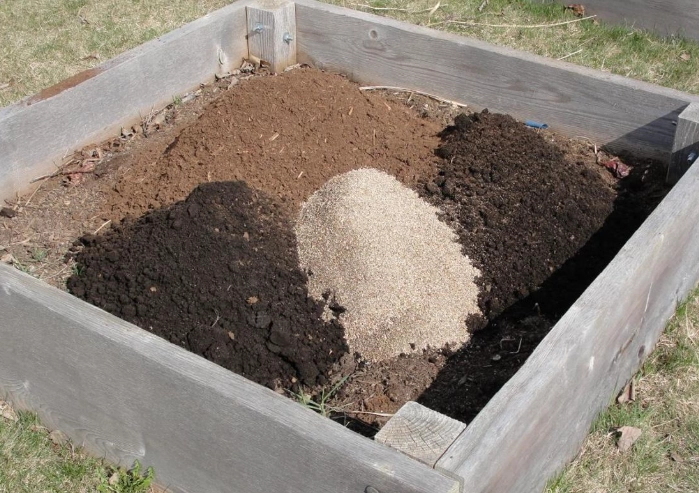
Where to Source Your Materials (Without Breaking the Bank)
Filling a large bed with bagged soil from a big-box store gets expensive fast. Here's the smarter play:
For Bulk: Call local landscape supply companies or soil yards. Ask for "planting mix" or order the components separately (bulk compost, topsoil, sand). They often deliver by the cubic yard, which is far cheaper per volume. One cubic yard fills about seven 4'x8'x1' beds.
For Bagged Convenience: Look for reputable brands of compost and potting mix. You can use a high-quality potting mix as a base (it already has peat/coir and perlite) and amend it with extra compost and a bit of topsoil for weight. Read the bag—it should list ingredients like peat, perlite, and compost.
Step-by-Step: How to Mix and Fill Your Raised Beds
Don't just dump layers in the bed. Mixing is crucial.
- Calculate Your Volume: Length (ft) x Width (ft) x Depth (ft) = Cubic Feet. Convert to cubic yards if ordering bulk (27 cubic feet = 1 cubic yard).
- Create a Mixing Zone: Use a large tarp on a driveway or lawn. Dump your measured components onto the tarp.
- The Tarp Mix Method: Grab two corners of the tarp and pull them over the pile. Then, walk around, pulling and rolling the pile onto itself. It's like folding a giant omelet. Do this 5-6 times until the color is uniform.
- Fill the Bed: Shovel the mixed soil into your bed. Don't pack it down. Fill to about 1-2 inches from the top to allow for mulch.
- The Final Touch: Water the bed thoroughly before planting. This settles the soil and reveals any major sinking spots you can top off.
3 Costly Raised Bed Soil Mistakes (And How to Avoid Them)
I've seen these over and over. Avoiding them will save you a season of frustration.
1. The "Dirt-Cheap" Fill: Using pure, cheap topsoil or worse, subsoil from a construction site. It's dense, nutrient-poor, and will compact into a brick. Your plants will be stunted from the start.
2. Skipping the Drainage Agent: Thinking compost and topsoil are enough. They aren't. Without sand or perlite, the organic matter will eventually decompose and settle, leaving you with a dense mat. That perlite is the insurance policy against compaction.
3. Forgetting to Top-Dress Annually: Soil isn't static. It settles and nutrients get used up. Every spring, before planting, add a 1-2 inch layer of fresh compost on top and gently work it into the first few inches. This is how you maintain fertility without starting over.
Keeping Your Raised Bed Soil Mix Healthy Year After Year
A great soil mix isn't a one-time job. You have to feed the ecosystem.
At the end of each season, I don't rip everything out. I cut spent plants at the soil line, leaving the roots in place to decompose and add organic matter. Then, I cover the bed with a thick layer of fallen leaves or straw. This protects the soil microbes over winter.
Come spring, after top-dressing with compost, I might plant a cover crop like crimson clover in an empty bed to fix nitrogen. If that's too much, just remember: compost in, mulch on top. A layer of wood chips or straw mulch moderates soil temperature, retains moisture, and breaks down slowly, feeding the soil from the top down.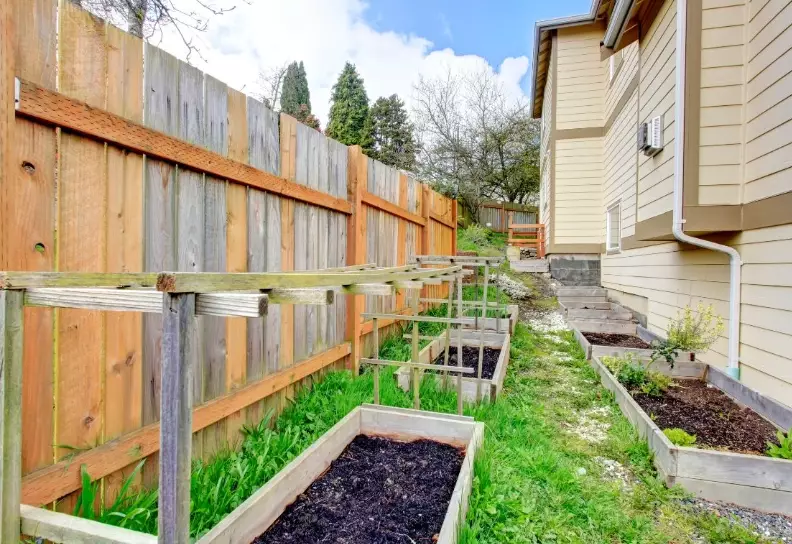
It's a cycle. You feed the soil, and the soil feeds your plants.
Your Raised Bed Soil Questions, Answered
My raised bed soil mix became really compacted after the first season. Do I need to replace it all?
Probably not. Total replacement is a last resort. First, try aerating it with a garden fork, pushing it in deeply and rocking back to create channels. Then, top-dress with 2-3 inches of a fluffier mix heavy on compost and perlite/coir, and gently fork that in. The compaction is often just in the top few inches where you walk and water impacts the surface.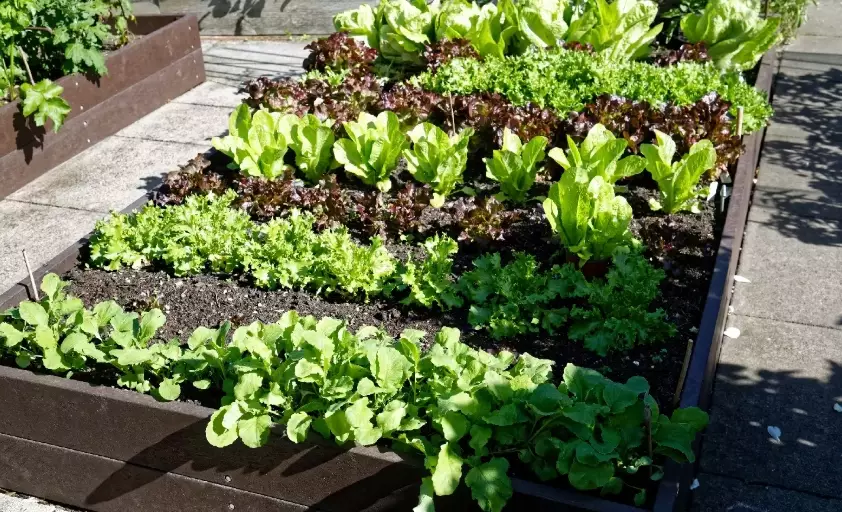
Can I use leftover potting soil from containers in my raised bed mix?
Absolutely, it's a great way to recycle. Dump it into your mixing tarp. Old potting soil is usually already light and fluffy. Just be sure to balance it with fresh compost (to replenish nutrients) and some topsoil (to add mineral weight and volume). It's a perfect component.
What's the one ingredient I should never put in my raised bed soil?
Fine, silty play sand or beach sand. It acts like tiny particles of cement, filling all the pores and creating a concrete-like matrix when wet. If you use sand, it must be coarse, sharp, or builder's sand. When in doubt, use perlite or pumice instead—they're foolproof for aeration.
How do I know if my homemade mix has enough nutrients to plant right away?
If your compost is mature and makes up at least a quarter of the mix, you have a good base of slow-release nutrients. For heavy feeders (tomatoes, corn, squash), I still add a balanced, organic granular fertilizer (like a 4-4-4) at planting time, mixed into the planting hole. The soil mix feeds them over time, and the starter fertilizer gives them a immediate boost for root development.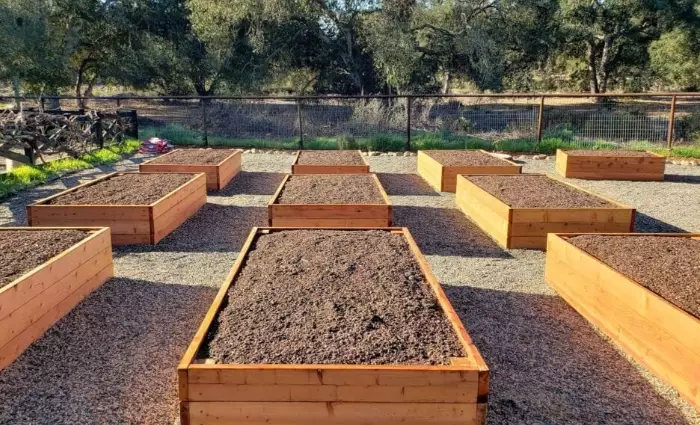
Is it worth buying a pre-mixed "raised bed soil" from the store?
It can be a decent, convenient starting point, especially for a small bed. But you must read the label. A good one will list compost, peat/coir, and perlite/pumice. A bad one is just dyed mulch and sand. Often, these mixes are very light and fluffy. I usually recommend amending them with a bag of garden soil or topsoil for some weight and mineral content, or you might find your tall plants tip over too easily.
Reader Comments