You plant tomatoes in the same spot every year. They start strong, but by mid-season, the leaves get spotty, the yield drops, and no amount of fertilizer seems to help. Sound familiar? That's your soil crying out for a change. Crop rotation isn't some old-fashioned farming rule. It's the single most effective strategy I've used in my garden to fight disease, cut down on pests, and grow vegetables that actually taste like something. Forget buying more sprays and synthetic nutrients. The real magic happens underground, and it starts with a simple plan.
What You'll Learn in This Guide
- What is Crop Rotation and Why Your Garden Desperately Needs It
- The Science and Surprising Benefits: More Than Just Pest Control
- Getting to Know Your Plant Families: The Foundation of Any Good Plan
- How to Build Your Own Crop Rotation Plan (Step-by-Step)
- Crop Rotation for Small Spaces and Raised Beds: Making It Work
- Common Mistakes Even Experienced Gardeners Make
- Your Crop Rotation Questions, Answered
What is Crop Rotation and Why Your Garden Desperately Needs It
At its core, crop rotation means not growing the same type of plant in the same patch of soil year after year. You systematically move plant families around your garden in a planned sequence over several seasons. Think of it like musical chairs for your veggies.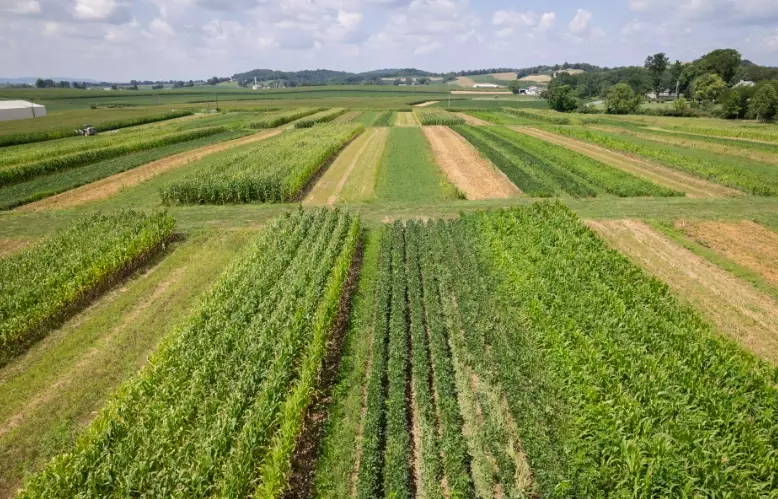
Why bother? Soil isn't just dirt. It's a living ecosystem. When you plant the same crop repeatedly, you create a monoculture. That's a buffet for specific pests and diseases. Colorado potato beetles know exactly where to find your potatoes every spring. Fungal spores that cause tomato blight overwinter right where their favorite host will be. You're basically rolling out the red carpet for trouble.
More subtly, you're mining the soil of the same nutrients. Deep-rooted crops like tomatoes and corn pull heavily on potassium. Leafy greens are nitrogen hogs. Without a break, that nutrient bank account runs dry, no matter how much compost you top up. The USDA's Natural Resources Conservation Service has long promoted crop rotation as a cornerstone of soil health management, and for good reason.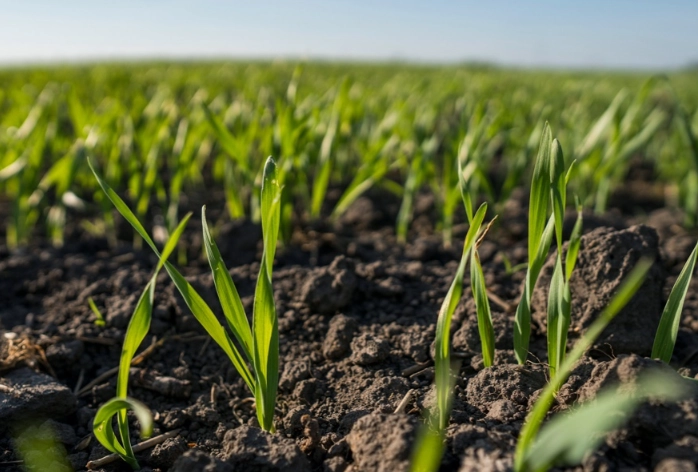
The Big Picture: Rotation breaks pest and disease cycles, manages soil fertility naturally, improves soil structure with different root types, and can even help suppress weeds. It turns your garden from a high-maintenance project into a more resilient, self-regulating system.
The Science and Surprising Benefits: More Than Just Pest Control
Everyone talks about pests, but the benefits run deeper. Let's break down what really happens.
Nutrient Balancing Act: Different plants have different appetites. Legumes (peas, beans) are the heroes here. They work with bacteria to pull nitrogen from the air and fix it in the soil, acting as a natural fertilizer for the next crop. Following heavy feeders like corn or cabbage with legumes is like getting a free nutrient boost.
Root Architecture: This is a game-changer for soil structure. Taproots like carrots and parsnips drill deep, breaking up compacted soil and creating channels for water and air. Fibrous roots from grasses (corn) create a dense mat near the surface that holds soil together. Alternating these types creates a well-aerated, crumbly soil that's a dream to work in.
The Microbiome Shift: New research is fascinating. The community of microbes around a tomato root is different from that around an onion root. Rotating crops changes the underground party, preventing any one potentially harmful organism from becoming dominant. It's like hitting the reset button on your soil's immune system.
Here’s a quick look at the primary benefits by crop type:
| Crop Group/Family | Primary Benefit to Soil | What to Plant After Them |
|---|---|---|
| Legumes (Peas, Beans) | Adds Nitrogen (N) | Heavy feeders (tomatoes, corn, leafy greens) |
| Root Crops (Carrots, Beets) | Breaks up subsoil, mines deeper nutrients | Most things benefit from the improved structure |
| Leafy Greens (Lettuce, Spinach) | Heavy nitrogen users, shallow roots | Follow with legumes or light feeders |
| Fruiting Crops (Tomatoes, Peppers) | Heavy feeders, prone to soil-borne disease | Follow with legumes or a soil-building cover crop |
Getting to Know Your Plant Families: The Foundation of Any Good Plan
This is where most guides stop, but it's where your plan succeeds or fails. You don't rotate individual crops; you rotate plant families. Pests and diseases often target entire families.
The Nightshade Family (Solanaceae): Tomatoes, peppers, potatoes, eggplant. All susceptible to early blight, late blight, and various wilts. Never follow one with another.
The Brassica Family (Brassicaceae): Cabbage, broccoli, kale, Brussels sprouts, radishes. Clubroot is a soil-borne disease that can plague this family for years. Rotation is your only defense.
The Legume Family (Fabaceae): Peas, green beans, fava beans, peanuts. Your soil's best friends. They leave nitrogen behind.
The Cucurbit Family (Cucurbitaceae): Cucumbers, squash, melons, pumpkins. Prone to powdery mildew and cucumber beetles. Rotate them out.
The Allium Family (Amaryllidaceae): Onions, garlic, leeks, shallots. They have few pest problems and can act as mild natural fungicides. Great to slot in anywhere.
Write your planting list down and group them by family. This is your first, most crucial step.
How to Build Your Own Crop Rotation Plan (Step-by-Step)
Let's get practical. Forget complex charts. Here's how I plan my 4-bed vegetable garden every year.
Step 1: Map Your Space. Draw a simple diagram of your garden beds. Label them Bed A, B, C, D. This is non-negotiable. You need to track what was where.
Step 2: Assign Plant Families to Groups. I use a classic 4-group system:
- Group 1: Legumes (add nitrogen)
- Group 2: Leafy Greens (heavy nitrogen users)
- Group 3: Fruiting Veggies (tomatoes, peppers, cucumbers)
- Group 4: Root Crops (carrots, onions, potatoes)
You can add a fifth group for perennial crops (asparagus, rhubarb) that stay put.
Step 3: Create the Rotation Sequence. The goal is to never follow a group with itself. A logical flow is: Legumes (add N) → Leafy Greens (use N) → Fruiting Crops (use other nutrients) → Root Crops (break soil) → back to Legumes.
Step 4: Implement and Track. Here’s a sample 4-year plan for one bed:
| Year | Bed A Plants (Example) | Group / Family Focus |
|---|---|---|
| Year 1 | Bush Beans, Peas | Group 1: Legumes |
| Year 2 | Spinach, Kale, Lettuce | Group 2: Leafy Greens |
| Year 3 | Tomatoes, Bell Peppers | Group 3: Fruiting (Nightshades) |
| Year 4 | Carrots, Onions, Beets | Group 4: Root Crops |
The next year (Year 5), Bed A goes back to legumes, and the cycle continues. Your other beds (B, C, D) are just on different starting years of the same cycle.
Step 5: Incorporate Cover Crops. If a bed will be empty for a season (like after harvesting garlic in summer), sow a cover crop like clover (legume) or winter rye (grass). It's a placeholder that actively builds soil, suppresses weeds, and counts as a rotation group.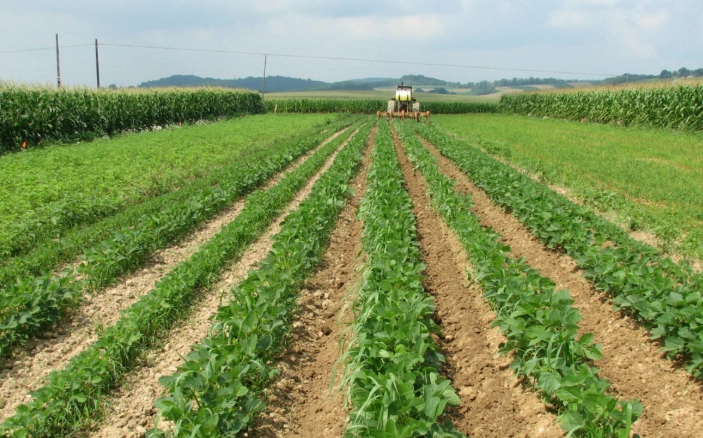
Crop Rotation for Small Spaces and Raised Beds: Making It Work
I hear this all the time. "I only have four raised beds. How can I rotate?" You get creative.
Strategy 1: The Intensive Group Shift. In a 4-bed system, assign each bed one of the four groups. Each year, every group moves one bed over. It's a simple clockwise or counter-clockwise shift. This is the most straightforward method for small, defined spaces.
Strategy 2: Vertical and Container Supplementing. Can't move your tomatoes? Grow your most disease-prone crops (tomatoes, peppers) in large containers or a separate vertical planter. This physically removes them from your bed rotation system, giving you more flexibility with the ground soil.
Strategy 3: Focus on Family, Not Just Group. In a tiny garden, perfect 4-year rotation might be impossible. Your fallback rule: Never plant the same family in the same spot two years in a row. If you had tomatoes (Nightshade) in Bed 1, follow them with onions (Allium) or beans (Legume) next year. A two-year break is better than none. A three-year break is the gold standard for breaking major disease cycles.
Common Mistakes Even Experienced Gardeners Make
I've made these myself. Learn from my wasted seasons.
Mistake 1: Treating Potatoes as a Root Crop. Botanically, yes. For rotation purposes, they are a Nightshade. Planting potatoes where you had tomatoes last year is asking for trouble with blight and other shared diseases. Group them with tomatoes and peppers.
Mistake 2: Ignoring Cover Crops as a Rotation Group. That empty bed in fall isn't resting; it's eroding and growing weeds. A winter cover crop of rye or vetch is a legitimate, beneficial "crop" in your rotation sequence. It builds organic matter and can be followed by a heavy feeder.
Mistake 3: Forgetting About Green Manure. This is a subtle one. When you cut down a legume cover crop (like clover) and till it in while it's still green, you're adding a huge nitrogen boost. The next crop should be a heavy nitrogen user (like corn or broccoli) to use that surge, not another legume that doesn't need it.
Mistake 4: Not Keeping Records. Memory fails. A simple garden journal—a notebook or a note on your phone—saying "2023: Bed 1 - Tomatoes, Bed 2 - Beans" is the difference between a guess and a plan.
Your Crop Rotation Questions, Answered
Reader Comments