Let's be honest. The traditional vegetable garden in the back corner of the yard often looks... functional. Rows of tomatoes, a patch of lettuce, maybe some beans climbing a fence. It works, but it doesn't exactly sing. What if your entire yard could be both stunning to look at and a source of fresh food? That's the promise of foodscaping (or edible landscaping). It's not about hiding your veggies. It's about making them the star of your landscape design.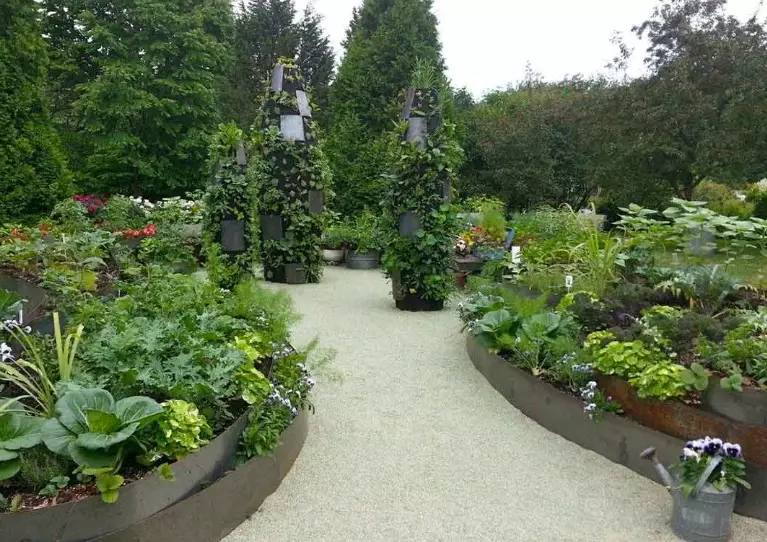
I stumbled into this years ago, tired of the monotony of my lawn. My first attempt was a rosemary bush where a boring shrub used to be. Then I swapped ornamental kale for the real, edible kind. Suddenly, I was snipping herbs for dinner from my front walkway. The neighbors started asking questions. I was hooked.
What You'll Find in This Guide
What Is Foodscaping and Why Bother?
At its core, foodscaping is the intentional integration of food-producing plants into ornamental landscape settings. Think blueberry bushes as vibrant hedges, scarlet runner beans on a decorative arbor, or frilly purple basil edging a flower bed.
The difference from traditional gardening? Intent. A vegetable garden's primary goal is production. A foodscape's primary goal is beauty, with production as a fantastic bonus. This subtle shift changes everything about plant selection, placement, and care.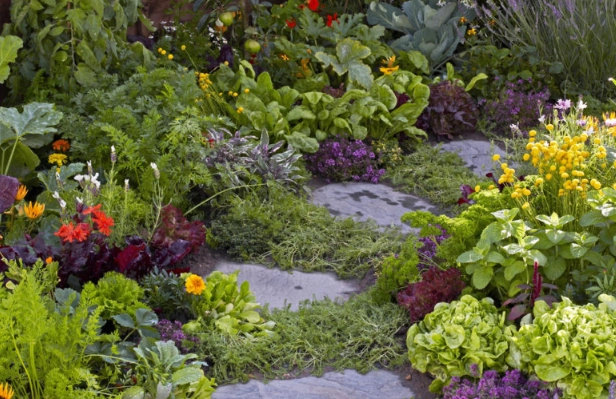
The Real Benefits Beyond Fresh Tomatoes
Sure, you get food. But the perks go deeper.
It saves space. If you only have a patio, balcony, or small yard, you can't afford to dedicate a chunk of it just to veggies. Foodscaping lets you double-dip every square foot.
It's often lower maintenance. Many edible perennials (like asparagus, rhubarb, berry bushes) and hardy herbs require less fuss than annual vegetable beds or thirsty lawns.
It builds better soil and ecosystems. Diverse plantings attract pollinators and beneficial insects. Deep-rooted plants break up compacted soil. You're creating a resilient mini-ecosystem, not a monoculture. Resources from the University of California's Integrated Pest Management program often highlight the pest control benefits of plant diversity, a principle foodscaping uses perfectly.
It just makes you happy. There's a unique joy in harvesting a handful of raspberries while you're weeding the flowers, or grabbing some thyme without a special trip to the "garden." It weaves food production into the fabric of your daily outdoor life.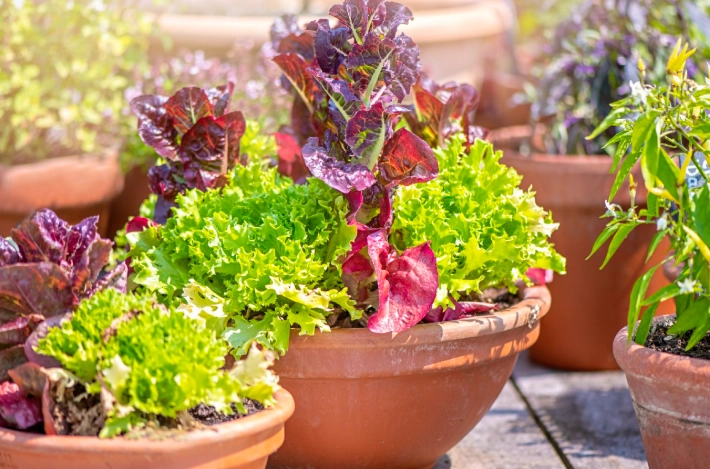
How to Start Your Foodscape Design
Don't rip everything out. Start small and observational.
Step 1: The Spy Mission
Walk your property at different times of day. Where does the sun fall for 6+ hours (full sun ideal for fruiting plants like peppers, tomatoes)? Where is it mostly shade (great for leafy greens, mint, parsley)? Notice the "hell strips" between sidewalk and street—often hot and dry, perfect for drought-tolerant herbs like lavender, rosemary, or thyme. Check your USDA Plant Hardiness Zone map to know your climate limits.
Step 2: Pick Your Style Vibe
Your foodscape should match your home's aesthetic.
Cottage Garden: A lush, overflowing mix. Think rainbow chard with roses, nasturtiums spilling over edges, apple trees underplanted with strawberries and borage.
Modern & Structured: Clean lines and repetition. Boxwood hedges with blueberry centers. Rows of 'Bright Lights' Swiss chard (those colorful stems!) in a geometric pattern. Espaliered pear trees on a fence.
Mediterranean: Gravel paths, silvery greens. Olive trees (if your zone allows), sprawling rosemary, artichokes as dramatic focal points, oregano as ground cover.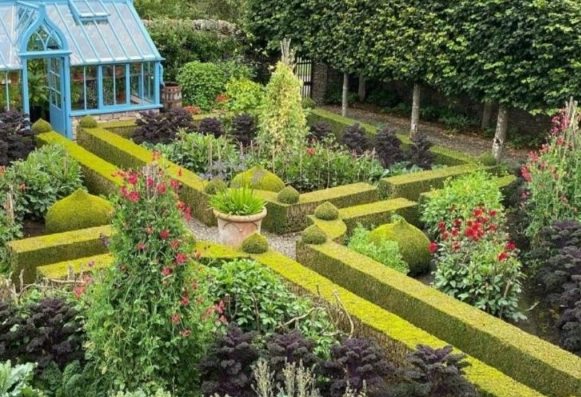
Step 3: The Paper Plan (It's Worth It)
Sketch a rough map. Identify existing trees, structures, paths. Now, play with roles. Which plants will be your structural anchors (dwarf fruit trees, large rosemary)? Which are mid-layer fillers (berry bushes, taller herbs like fennel)? Which work as ground covers or edging (creeping thyme, alpine strawberries, lettuces)?
Consider color and texture year-round. Red-stemmed Swiss chard adds winter color. An evergreen rosemary bush provides structure. Blueberry bushes have fiery fall foliage.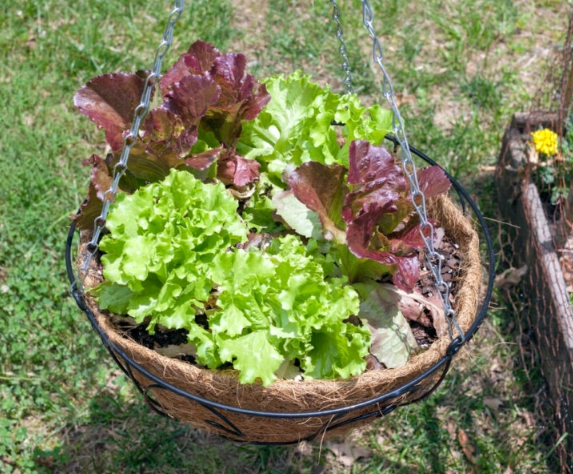
Choosing the Right Plants for Beauty and Bites
This is the fun part. Forget boring varieties. Seek out edibles bred for looks.
| Plant Type | Ornamental & Edible Picks | Best Use in Landscape |
|---|---|---|
| Perennial Herbs | Rosemary (upright or trailing), Lavender, Sage ('Tricolor' or 'Purpurascens'), Thyme (lemon, creeping, woolly), Oregano ('Kent Beauty' for looks, Greek for eating) | Hedges, border edges, ground cover, patio containers. Fragrant and pollinator-friendly. |
| Leafy Greens & Veg | Swiss Chard ('Bright Lights'), Kale ('Redbor', 'Lacinato'), Lettuce (loose-leaf mixes), Rhubarb (huge leaves), Artichoke (architectural silver foliage) | Colorful mid-border accents, focal points (artichoke), filler for seasonal gaps. |
| Fruiting Shrubs | Blueberries (fall color!), Raspberries/Blackberries (thornless varieties), Currants, Gooseberries, Fig trees (can be shrub-trained) | Decorative hedges, back-of-border structure, espaliered on walls. |
| Edible Flowers | Nasturtiums (peppery leaves & flowers), Calendula, Borage (blue star flowers), Viola/Pansies, Chives (purple pom-pom blooms) | Pop of color in beds, containers, ground cover. Great for pollinators. |
| Climbers | Scarlet Runner Bean (red flowers!), Malabar Spinach, Passionflower (fruit in warm climates), Hardy Kiwi | Cover arbors, trellises, fences. Adds vertical interest. |
My personal rule? If a plant is a diva about pests or diseases in my area, it probably doesn't belong in my prime landscape real estate. I gave up on growing cauliflower out front—it was a slug magnet and looked terrible. I replaced it with more kale and chard, which are tough as nails and look good even after a hail storm.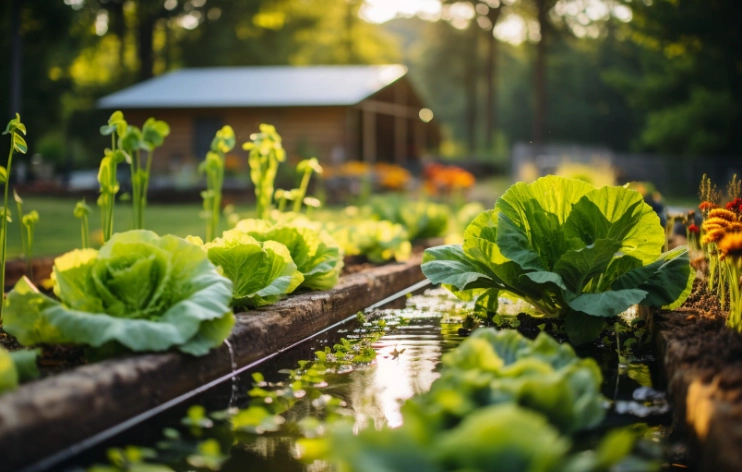
Maintaining Your Living Pantry
Foodscaping isn't no-work, but the work is different.
Soil is everything. You can't just stick a tomato in compacted clay next to your azalea and hope. Amend planting holes generously with compost. A top-dressing of compost mulch each spring feeds the soil, suppresses weeds, and retains moisture.
Water wisely. Group plants with similar water needs. Drip irrigation or soaker hoses under mulch are your best friends—they deliver water to roots, not leaves, reducing disease and saving water.
Feed thoughtfully. I lean on organic, slow-release fertilizers like compost or kelp meal. You're not pushing for maximum giant pumpkin yield; you're supporting healthy, balanced growth that keeps the plant looking good for months.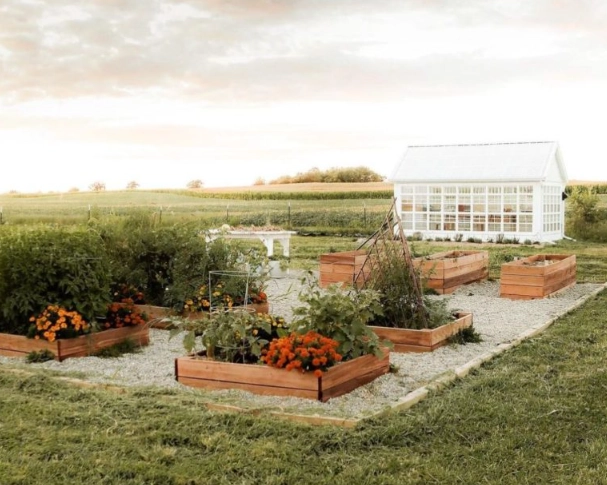
Prune for form and food. Prune blueberry bushes in late winter to maintain shape and encourage berries. Pinch herbs regularly to keep them bushy. Harvest leafy greens from the outside in to keep the plant tidy.
The pest mindset. Because plants are mixed, pests rarely explode like they can in a monocrop. Tolerate a little damage. Handpick caterpillars. Blast aphids with water. If a plant is chronically sickly, replace it with something more resilient. The goal is a balanced system, not a sterile one.
Common Foodscaping Mistakes (I've Made Most of These)
Let's save you some grief.
Overcrowding in Year 1. Plants look small in pots. You plant them too close for that "instant" look. Two years later, your rosemary is swallowing your path and the sage is fighting the blueberry. Check mature spread and give them room. Plant annuals like lettuces in the gaps while they fill in.
Ignoring the soil. This isn't a flower you'll replace next season. A poorly planted fruit tree will struggle for years. Invest time and amendments in the planting hole.
Wrong plant, wrong place. Planting sun-loving peppers in the shade of your maple tree. Putting water-hungry lettuce in that scorching, dry strip by the driveway. Match the plant to the microclimate.
Forgetting about harvest access. That gooseberry bush looks amazing at the back of the deep border... until you have to fight through thorny roses to pick the berries. Place frequently harvested items where you can easily reach them.
Neglecting the "landscape" part. Letting things get leggy, not deadheading herbs, not cleaning up fallen fruit. Treat these plants with the same aesthetic care you would your hydrangeas.
Reader Comments