I almost gave up on growing tomatoes. My backyard soil was heavy clay, and my patio containers were always either waterlogged or bone dry. Then I tried a fabric grow bag on a whim. The difference wasn't subtle—it was a revolution. The plants were healthier, the roots weren't circling, and watering felt intuitive for the first time. Grow bag gardening isn't just a trend; it's a practical solution for real-world gardening problems, whether you have acres or just a fire escape.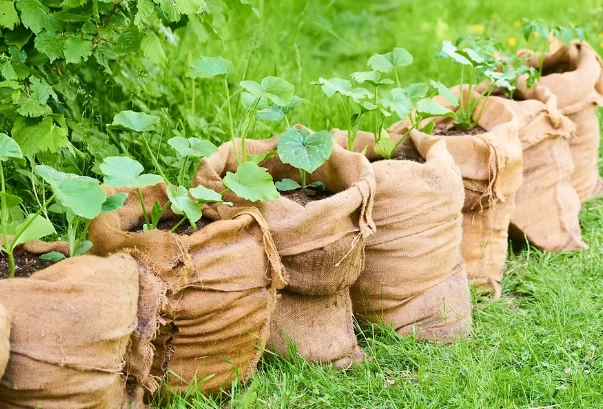
What's Inside This Guide?
What Are Grow Bags and Why Should You Use Them?
Let's clear something up first. A grow bag isn't a flimsy plastic shopping bag you poke holes in. Modern grow bags are durable, breathable containers, typically made from thick, felt-like fabric (polypropylene or felt). Their magic lies in that breathability.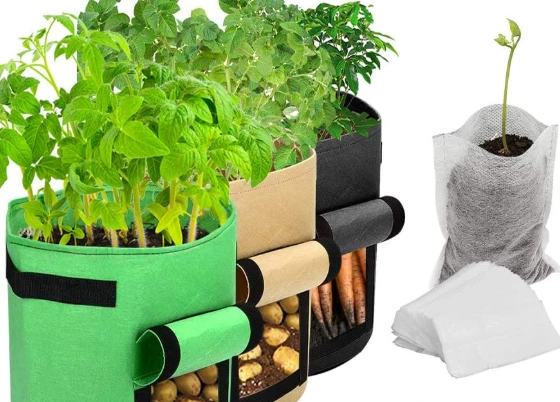
Think of plant roots. They need oxygen as much as they need water and nutrients. In a solid plastic pot, roots hit the sides, start circling, and can eventually become root-bound. In a fabric pot, when a root tip reaches the air-permeable wall, it undergoes a process called "air pruning." The tip dries out and stops growing, which signals the plant to send out more lateral, fibrous roots inside the soil volume. The result? A denser, healthier root system that looks more like a beard than a tangled ball of string.
Here’s why that matters for you:
- No More Overwatering: The fabric sides allow excess water to evaporate, preventing soggy soil that kills roots. This is the number one killer of container plants, and grow bags almost eliminate it.
- Healthier, Hardier Plants: That robust root system supports stronger top growth and better fruit production. My grow bag tomatoes consistently out-produce my in-ground ones.
- Portability and Space Flexibility: They're lightweight (when empty) and easy to move. Full sun on the patio in spring? You can shift them to dappled shade in the summer heat. This is a game-changer for renters or anyone with a small space.
- Great Soil, Guaranteed: You fill them yourself. This means you're not stuck with whatever native soil you have. You create the perfect, well-draining mix from day one.
- Season Extension: In spring, the soil in a black grow bag warms up faster than the ground, letting you get a head start on heat-loving crops like peppers and eggplants.
There's a trade-off, of course. That same breathability means they dry out faster than plastic pots. But in my book, that's a feature, not a bug—it forces you to pay closer attention and actually prevents overwatering, which is far more common and damaging.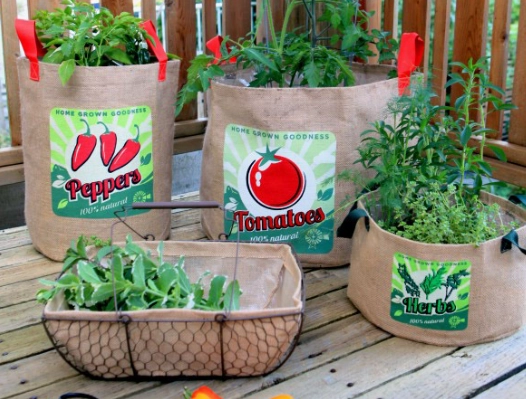
How to Choose the Right Grow Bag (Size, Material, Color)
Let's be honest, not all grow bags are created equal. Walking into a garden center or browsing online, the choices can be overwhelming. Here’s how to cut through the noise.
Size is Everything
This is the most common mistake I see. Too small, and your plants will be stressed and stunted. Too big, and you're wasting soil and space. Root depth is the key.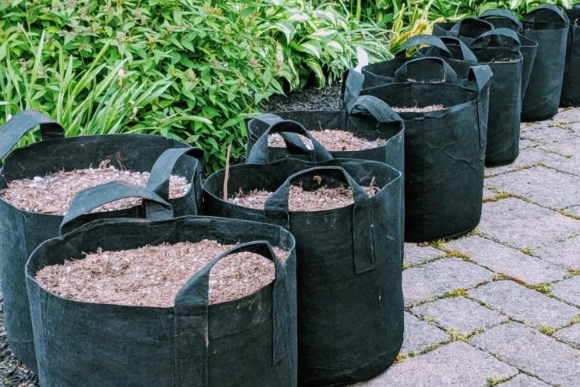
| Grow Bag Size (Gallons) | Best For | Minimum Depth Needed |
|---|---|---|
| 1-3 Gallons | Herbs (basil, thyme, oregano), lettuce, radishes, small flowers like pansies. | 6-8 inches |
| 5-7 Gallons | Pepper plants, bush beans, dwarf tomato varieties, kale, chard. A fantastic all-rounder size. | 10-12 inches |
| 10-15 Gallons | Full-sized tomatoes, cucumbers, zucchini, eggplant, small berry bushes. | 14-16 inches |
| 20+ Gallons | Potatoes, sweet potatoes, larger squash, fig trees (dwarf). | 16+ inches |
My rule of thumb: when in doubt, go one size larger than you think you need, especially for heavy feeders like tomatoes and squash. A 10-gallon bag is the sweet spot for a single indeterminate tomato plant.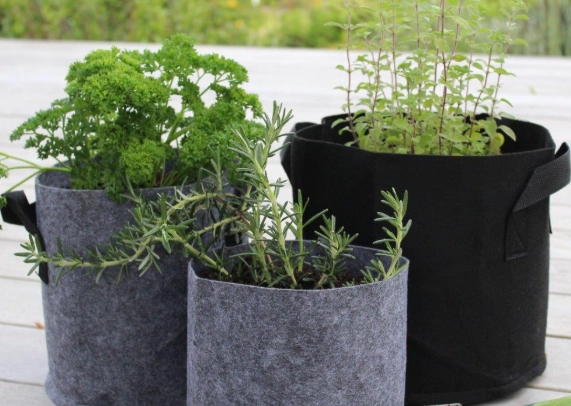
Material and Build Quality
Look for bags made from thick, UV-stabilized fabric. Cheap, thin bags will fall apart in a single season. The handles are critical—they should be reinforced and sewn directly into the body of the bag, not just glued on. I've had handles rip off when moving a full bag, and it's a mess.
Color matters more than you think. Black bags absorb heat, warming the soil faster in spring and fall. This is great for tomatoes and peppers. Light gray or tan bags reflect heat, keeping roots cooler in scorching summer climates. If you live in Arizona or Texas, light-colored bags might save your plants from midday root bake.
The Step-by-Step Guide to Planting in Grow Bags
Okay, you've got your bags. Now let's get planting. This isn't complicated, but a few specific steps make all the difference.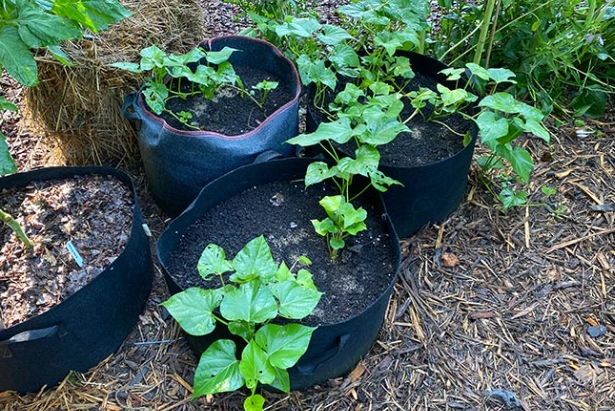
1. Location and Setup
Place your bags where they'll live before you fill them. A full 10-gallon bag is heavy and awkward to move. Ensure they get at least 6-8 hours of direct sun for fruiting vegetables. Don't place them directly on compacted soil or grass; this blocks drainage from the bottom. Use pot feet, bricks, or a couple of scrap pieces of wood to elevate them slightly. This improves air flow and prevents staining your patio.
2. The Perfect Soil Mix (This is Non-Negotiable)
Do not use garden soil or cheap, dense topsoil. It will compact in the bag and defeat the purpose. You need a light, fluffy, well-draining mix. Here's my go-to recipe that never fails:
- 50% High-Quality Potting Mix: Look for one with peat moss or coconut coir, perlite, and vermiculite. A brand like Pro-Mix or a similar premium blend.
- 30% Compost: This is your nutrient powerhouse. Use homemade compost or a reputable bagged compost (worm castings are gold here).
- 20% Additional Aeration: Extra perlite or coarse horticultural sand. This ensures drainage stays optimal throughout the season.
Mix it all thoroughly in a wheelbarrow or on a tarp before filling the bag. Pre-moisten the mix so it's damp like a wrung-out sponge, not dusty or soggy.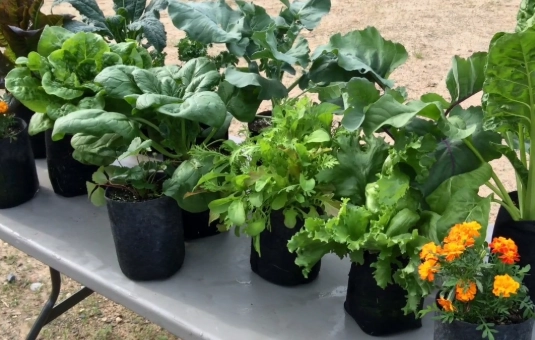
3. Filling and Planting
Fill the bag almost to the top, leaving about an inch or two of space. Gently firm the soil—don't pack it down. Now, plant just as you would in any container. For seeds, follow packet depth instructions. For seedlings (transplants), dig a hole, place the plant so the soil level matches its original level, and backfill. Water deeply immediately after planting to settle the soil around the roots.
Watering, Feeding, and Ongoing Care Secrets
This is where grow bags demand a slightly different mindset.
Watering: The Finger Test is Law
Forget watering on a schedule. In the peak of summer, a grow bag might need water daily. In cool spring weather, maybe only twice a week. Stick your finger into the soil up to the second knuckle. If it feels dry, water. If it feels moist, wait. Water slowly and deeply until you see water just starting to seep from the sides and bottom. This ensures the entire root ball is hydrated.
A drip irrigation system on a timer is a fantastic investment if you have more than a few bags. Soaker hoses snaked over the top of the bags work well too.
Feeding: They Get Hungry Fast
All that watering flushes nutrients out quickly. You need to fertilize regularly. I start with a balanced organic fertilizer (like a 5-5-5) mixed into the soil at planting. Then, once plants start flowering and fruiting, I switch to a liquid fertilizer (like a fish and seaweed emulsion) applied every 10-14 days. It's like feeding a high-performance athlete—they need consistent fuel.
General Care
Weeds are rarely an issue. Pests are the same as in any garden—watch for aphids, tomato hornworms, etc. The portability makes it easy to inspect plants and even dunk foliage to dislodge pests. Prune and support plants as needed. A sturdy tomato cage placed before the plant gets too big is essential.
Expert Tips and Common Mistakes to Avoid
After a decade of using these, here are the insights you won't find on the product label.
- The "Edge Effect": Plants near the fabric edge will dry out faster. When planting multiple plants in a larger bag (like three basil plants in a 10-gallon), plant them slightly inward from the very edge.
- Don't Let Them Dry Out Completely: While hard to overwater, you can definitely underwater. If the soil becomes completely dry and hydrophobic (repels water), it can be tough to re-wet. Soak the entire bag in a tub of water for an hour if this happens.
- Winter is Coming: At season's end, empty the bags. Shake out the old soil into your compost pile or use it as a mulch in garden beds (it's spent for containers). Wash the bags with a hose, let them dry completely, and store them indoors for the winter. This greatly extends their life.
- The One Big Drawback: In very hot, windy climates, they can dry out too fast. Grouping bags together creates a microclimate that reduces water loss. Mulching the top of the soil with an inch of straw or wood chips is a huge help here.
The biggest mistake I see? Treating them like a regular pot. Embrace their uniqueness—the breathability, the need for premium soil, the frequent feeding—and they will reward you immensely.
Your Grow Bag Questions, Answered
Can I reuse the soil in my grow bags next year?
How do I prevent grow bags from drying out too fast in hot weather?
Are fabric grow bags really better for root vegetables like carrots and potatoes?
What's the difference between a grow bag and a smart pot?
I have a shaded balcony. What can I actually grow successfully in grow bags there?
Reader Comments