Quick Navigation: What's Inside
If you're like me, seeing that white, powdery coating on your squash leaves or rose bushes is frustrating. You want a fix that's safe, effective, and doesn't harm the environment. That's where potassium bicarbonate comes in. I've used it for years in my own garden, and it's a game-changer for organic powdery mildew control. Let's cut to the chase: this guide will show you exactly how to use it, why it works, and the pitfalls to avoid.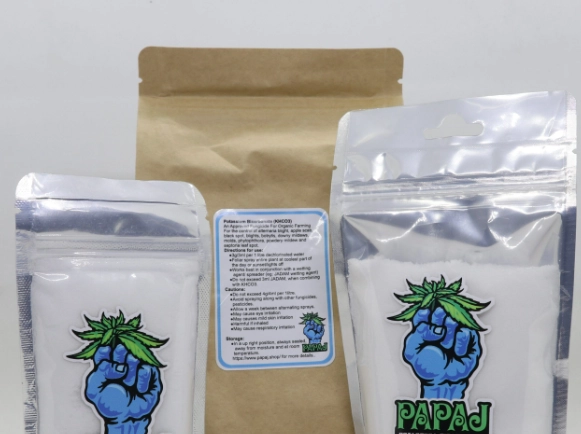
What Potassium Bicarbonate and Powdery Mildew Really Are
Potassium bicarbonate is a simple compound – think of it as a cousin to baking soda, but with potassium instead of sodium. It's a white powder you can mix with water. Powdery mildew? That's a fungal disease caused by various pathogens like Podosphaera xanthii. It looks like flour dusted on leaves, and it weakens plants by blocking sunlight and stealing nutrients.
Most gardeners stumble upon potassium bicarbonate when searching for organic options. Why? Because chemical fungicides can be harsh, and baking soda sometimes falls short. Potassium bicarbonate works by raising the pH on the leaf surface, creating an environment where the fungus can't survive. It's like giving the mildew a hostile home. According to research from the Cornell University College of Agriculture and Life Sciences, potassium bicarbonate is effective against powdery mildew on a range of plants, from cucumbers to ornamentals.
But here's something many guides miss: potassium bicarbonate isn't a cure-all. It's best used as a preventive or early treatment. Once mildew is severe, you might need to combine it with other methods. I learned this the hard way when my zucchini plants got hit hard one humid summer.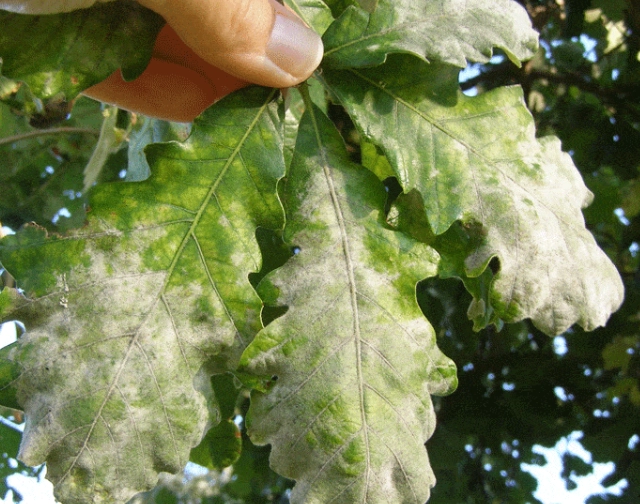
How to Use Potassium Bicarbonate for Powdery Mildew – Step by Step
Getting the application right is key. Too little, and it's useless; too much, and you risk leaf burn. Let's break it down.
Step-by-Step Application Guide
First, gather your supplies: food-grade potassium bicarbonate (available online or at garden centers), a gallon of water, a spray bottle or garden sprayer, and a measuring spoon. Wear gloves – it's mild, but why risk irritation?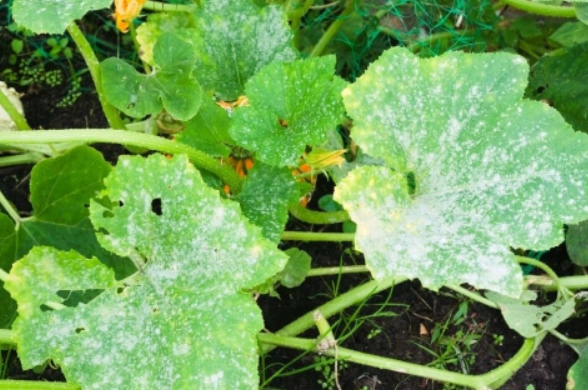
Mixing the solution: The standard ratio is 1 tablespoon of potassium bicarbonate per gallon of water. Some experts, like those from the University of California Integrated Pest Management Program, recommend adding a few drops of horticultural oil or soap to help the mixture stick. I use a teaspoon of mild liquid soap. Stir until dissolved.
Testing: Always test on a small part of the plant first. Spray a leaf or two, wait 24 hours, and check for damage like yellowing. Some plants, like certain lettuce varieties, can be sensitive. I once skipped this step on my bean plants and ended up with scorched leaves – not fun.
Application: Spray early in the morning when leaves are dry. Cover both sides of the leaves thoroughly. Avoid spraying in direct sun or when temperatures are above 85°F (29°C), as it can cause rapid drying and reduce effectiveness. Reapply every 7-10 days, or after rain, since it washes off easily.
Monitoring: Keep an eye on your plants. If mildew persists, you might need to increase frequency to every 5 days for a bit. But don't overdo it – more isn't always better.
Case Study: My neighbor Mary had powdery mildew on her pumpkin vines last fall. She mixed 2 tablespoons per gallon (a bit stronger for heavy infestation) and sprayed every 5 days for two weeks. The mildew stopped spreading, and new growth was clean. She also improved air circulation by pruning nearby plants, which helped a lot.
Mixing Ratios and Safety Precautions
Stick to 1 tbsp/gallon for most cases. For severe cases, go up to 2 tbsp/gallon, but test first. Never exceed that – it can harm plants and soil microbes. Potassium bicarbonate is generally safe for edible plants if rinsed before eating, but I prefer to spray a few weeks before harvest. It's OMRI-listed for organic use, so it's eco-friendly.
Store the powder in a cool, dry place. It can clump in humidity. And clean your sprayer after use to prevent clogging.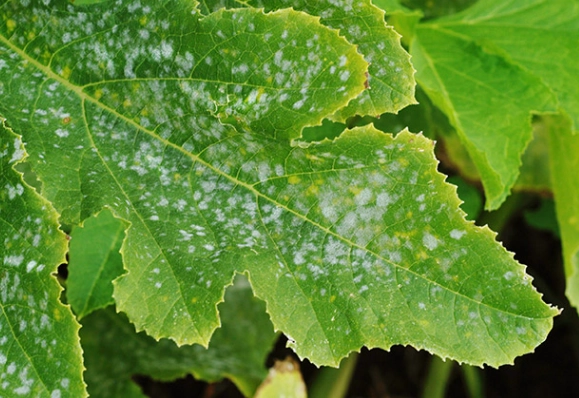
Potassium Bicarbonate vs. Other Fungicides: A Practical Comparison
How does it stack up against other options? Let's look at a quick table.
| Fungicide Type | Effectiveness on Powdery Mildew | Cost (Approx.) | Safety & Environmental Impact | Best For |
|---|---|---|---|---|
| Potassium Bicarbonate | High (preventive/early) | $10-$20 per pound | Low risk, organic | Home gardens, edible plants |
| Baking Soda (Sodium Bicarbonate) | Moderate | $5-$10 per box | Safe but can build up sodium | Mild cases, budget option |
| Neem Oil | Moderate to High | $15-$30 per quart | Organic, but can harm beneficial insects if misused | Broad-spectrum control |
| Chemical Fungicides (e.g., Sulfur) | Very High | $20-$40 per bottle | High risk, toxic to some plants and bees | Severe infestations, commercial use |
| Milk Spray | Low to Moderate | Minimal | Safe, but efficacy debated | Experimental or small patches |
Potassium bicarbonate wins for balance. It's more effective than baking soda without the sodium issue, and safer than chemicals. Neem oil is great, but it's oily and can clog sprays. I've found potassium bicarbonate easier to handle for quick treatments.
A niche point: potassium bicarbonate can slightly raise soil pH if over-applied. Monitor your soil if you're spraying frequently near the base. Most home gardeners won't see an issue, but it's worth noting.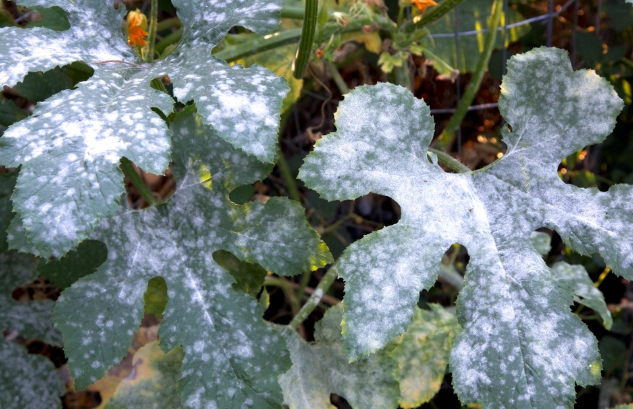
Expert Tips and Common Mistakes You Should Avoid
After a decade of gardening, I've seen folks mess this up. Here's my advice.
Timing is everything. Apply at the first sign of mildew – those tiny white spots. Waiting until it's widespread makes it harder to control. I set a weekly reminder during humid seasons to inspect plants.
Don't spray in the heat. I mentioned this earlier, but it's crucial. High temperatures cause the solution to evaporate too fast, reducing contact time. Early morning or late afternoon is best.
Combine with cultural practices. Potassium bicarbonate isn't a magic bullet. Improve air circulation by spacing plants properly. Water at the base, not overhead, to keep leaves dry. Remove infected leaves promptly. In my garden, I prune dense areas to let light in – it cuts mildew incidence by half.
Avoid over-mixing. Stick to the ratios. Adding extra soap or oil won't boost effectiveness and might damage plants. I once added dish soap instead of mild soap, and it stripped the waxy coating off leaves. Lesson learned.
Test on different plant varieties. Some plants, like squash, tolerate it well. Others, like certain herbs, might be sensitive. Start low and go slow.
One more thing: potassium bicarbonate works better in dry conditions. If you're in a rainy area, reapply after each downpour. Or consider using it as part of a rotation with other organic methods, like neem oil, to prevent resistance – though resistance to potassium bicarbonate is rare, it's good practice.
Frequently Asked Questions Answered by Experience
Potassium bicarbonate is a reliable tool in your gardening kit. It's affordable, safe, and when used correctly, it keeps powdery mildew at bay. Start with the basics, monitor your plants, and don't be afraid to adapt. Happy gardening!
Reader Comments