You see the idea on social media all the time – happy chickens scratching between lush vegetable beds, a picture of perfect backyard harmony. But when I first tried to merge my gardening hobby with a small flock of hens, let's just say the reality was less idyllic. My kale looked like lace, and the tomatoes never stood a chance. That's because a true chicken garden isn't just throwing chickens into your vegetable patch. It's a designed, managed system where poultry and plants work together. After a decade of trial, error, and finally success, I'm here to map out the real blueprint. Forget the Pinterest fantasy; this is about creating a resilient, productive, and frankly easier-to-manage backyard.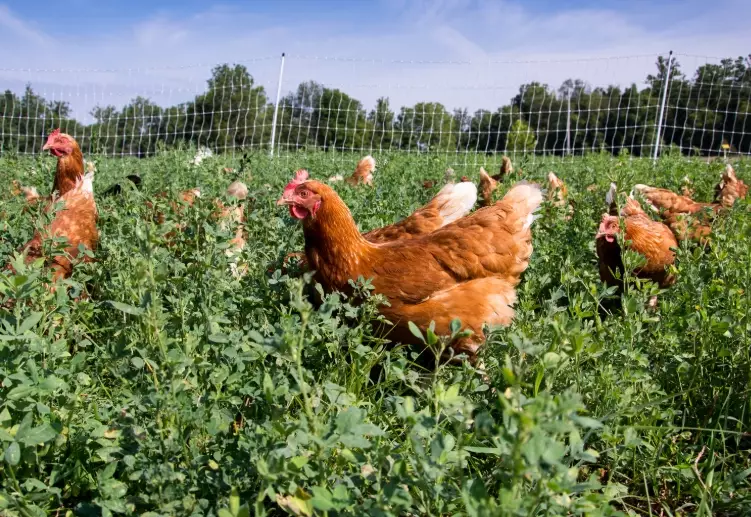
What's Inside?
What Exactly is a Chicken Garden? (Beyond the Coop)
Most people think of a chicken run attached to a coop. A chicken garden flips that script. Here, the garden isn't just *near* the chickens; it's integrated with them. The core principle is rotational access. Chickens are moved through different garden zones on a schedule, not given free rein 24/7. In one area, they're working as your pest control and fertilizer crew. In another, plants are growing undisturbed.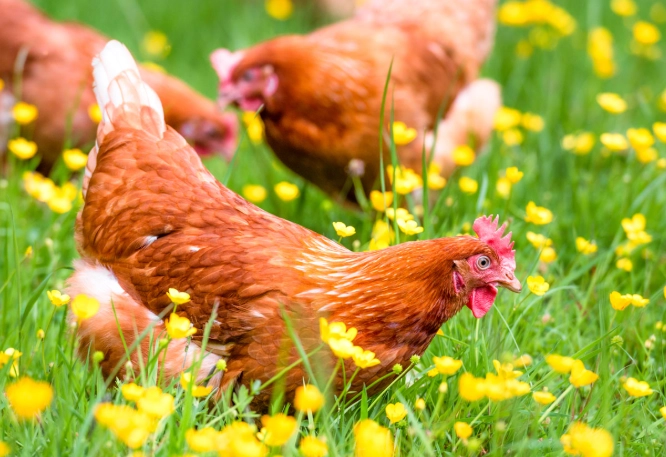
It borrows heavily from permaculture and regenerative agriculture concepts. You're building a mini-ecosystem. The chickens eat insects, weeds, and leftover produce. They till and aerate the soil with their scratching. Their manure, once composted, becomes potent fertilizer. The garden, in turn, provides the chickens with fresh greens, insects, and shade. It's a closed-loop that reduces your feed bill, cuts down on weeding, and builds incredible soil health. The University of California's Division of Agriculture and Natural Resources has published work on integrated small-scale animal systems that underscores these symbiotic benefits.
Why Bother? The Tangible Benefits of a Chicken Garden
Is it more work upfront? Sure. But the long-term payoff makes traditional, separate gardening and chicken-keeping feel inefficient. Here’s what you actually gain: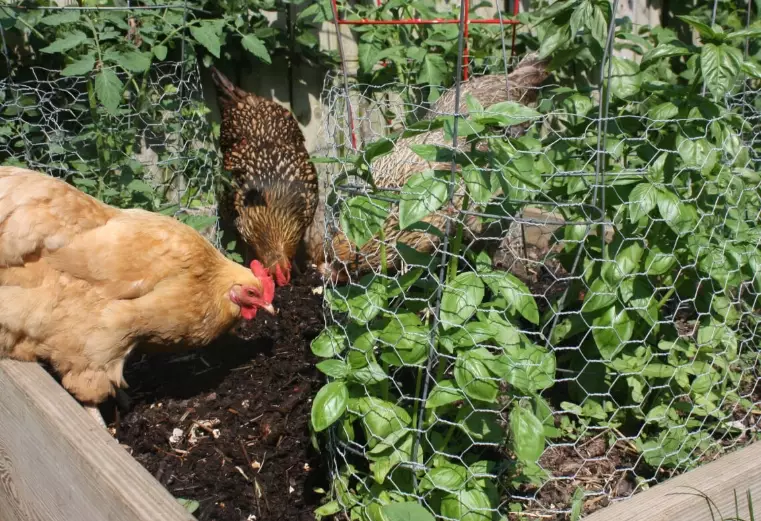
| Benefit | How It Works | What You Save |
|---|---|---|
| Natural Pest & Weed Control | Chickens devour slugs, snails, grubs, and many insect larvae. They scratch out small weed seedlings. | Time spent hand-picking pests, money on organic pesticides. |
| High-Quality Fertilizer | Chicken manure is nitrogen-rich. After proper composting, it's garden gold. | Cost of bagged compost and fertilizers. |
| Soil Aeration | Scratching action breaks up soil compaction, improving water infiltration and root growth. | Effort of manual digging or tilling. |
| Reduced Feed Costs | Chickens forage for up to 20% of their diet from garden leftovers, weeds, and bugs. | Monthly feed bill. |
| Healthier Chickens & Plants | Diverse diet boosts chicken health. Healthy soil grows more resilient plants. | Vet bills, plant replacements. |
| Waste Reduction | Garden trimmings, spoiled produce, and weeds become chicken food. | Green waste going to landfill. |
The biggest unadvertised benefit? It simplifies your chores. Instead of managing two separate systems—hauling manure to the compost, buying fertilizer for the garden, buying feed for the chickens—you connect the dots. The outputs of one become the inputs for the other.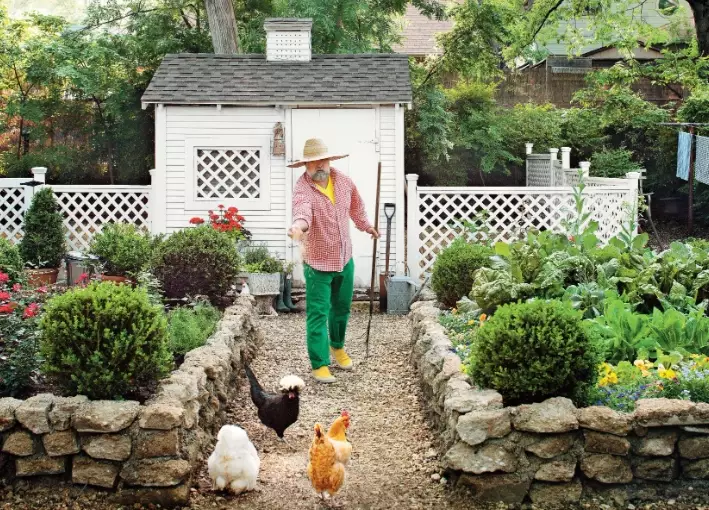
The 5-Step Blueprint to Start Your Chicken Garden
Ready to build? Don't buy chicks or seeds yet. Follow this sequence.
Step 1: Design Your Zones
Map your space. You need at least two, preferably three, distinct zones for a basic rotation:
Zone A: Chicken Garden Zone. This is where chickens have access to work the soil. It's often a raised bed or in-ground area that's either resting between plantings or being prepared.
Zone B: Growing Zone. Plants are actively growing here, completely protected from chickens.
Zone C: Chicken Run/Rest Area. A permanent or semi-permanent space with the coop, dust baths, and feeders/waterers.
You can use physical barriers like temporary fencing (electronet is fantastic) or garden gates to control access. I started with just Zones A and B, using a simple movable A-frame tractor for the chickens, and it worked well on a small scale.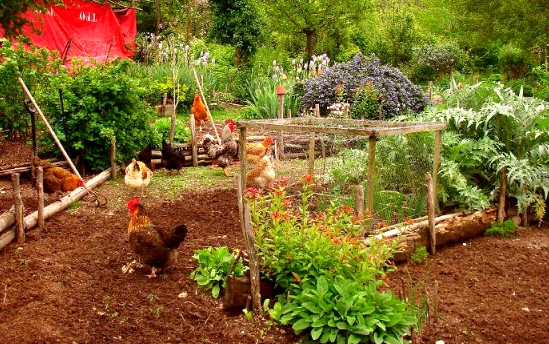
Step 2: Choose the Right Coop & Infrastructure
The coop doesn't need to be *in* the garden, but access is key. A coop with a pop door that opens directly into your fenced garden zone is ideal. Prioritize a secure, predator-proof coop and run as your base (Zone C). Resources from Purdue University's poultry extension offer excellent guidelines on basic coop requirements for bird health and safety.
Invest in lightweight, movable fencing. You'll be changing boundaries often.
Step 3: Select Chicken Breeds for the Job
Not all chickens are created equal for gardening. Heavy breeds like Orpingtons are gentle but can be clumsy and compact soil. Highly active foragers like Leghorns or Mediterranean breeds (Andalusians, Sicilian Buttercups) are excellent at pest control but might be flightier. My personal favorites are dual-purpose heritage breeds like Plymouth Rocks or Sussex. They forage well, are generally calm, and their size means they're less likely to be snatched by a hawk during daytime garden patrols.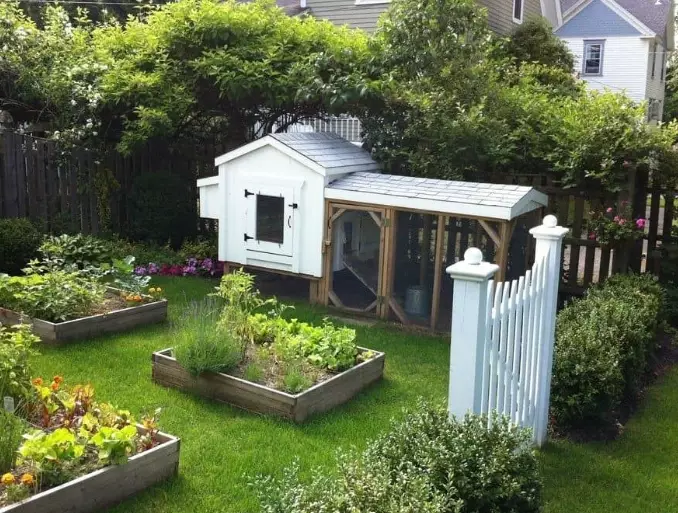
Avoid breeds known for being voracious plant destroyers if you plan any integrated foraging while plants are young. Some bantam breeds can be surprisingly destructive relative to their size.
Step 4: Introduce Plants Strategically
Start simple. Let the chickens prepare a bed in Zone A. Once it's weeded and fertilized (and the fresh manure has had a few weeks to break down), move the chickens out, fence off Zone A, and plant hardy, established seedlings—not delicate seeds. Think kale, chard, or broccoli starts. Keep chickens in Zone C or a different preparation area.
The classic mistake is giving chickens access to young, tender plants. They will demolish them. Every time.
Step 5: Manage the Rotation Cycle
This is the ongoing rhythm. A typical cycle might look like this:
1. Post-Harvest Clean-Up: After pulling spent corn plants, let chickens into that bed for 3-7 days. They'll eat leftover kernels, pests, and weed seeds, and fertilize the area.
2. Rest & Compost: Move chickens out. Let the manure incorporate into the soil for a few weeks. Add carbon (straw, leaves) if needed.
3. Planting: Plant your next crop into the now-fertile, pest-reduced bed.
4. Protected Growth: That bed is now a no-chicken zone until harvest.
You're always thinking one season ahead.
Choosing the Right Plants: What to Grow (and Avoid)
Plant selection is critical. You need plants that can benefit from or tolerate the chicken garden system, and you must know what's dangerous for your flock.
| Category | Plant Examples | Notes for the Chicken Garden |
|---|---|---|
| Excellent Choices (For You & Them) | Kale, Swiss Chard, Collards, Sunflowers, Squash/Zucchini, Corn, Berries (established bushes), Herbs (oregano, mint) | These are either tough enough to withstand some chicken attention when mature, or their leftovers/waste are great chicken forage. Chickens love squash leaves and corn stalks post-harvest. |
| Chicken-Safe Treats (Grow Extra) | Lettuce, Cucumbers, Watermelon, Pumpkins, Wheatgrass, Nasturtiums | Grow these in the protected zone, then feed scraps or excess directly. Nasturtiums are a double win—edible flowers for you, pest-repellent properties. |
| Potentially Problematic | Tomatoes, Peppers, Eggplant (young plants), Carrots, Radishes (seeds) | Chickens will strip nightshade seedlings. They will scratch up root vegetable seeds. Protect these diligently until well-established. |
| TOXIC - Must Avoid | All parts of: Tomato/Potato *plants* (not fruit), Rhubarb leaves, Onions, Daffodils, Lilies, Foxglove, Azalea/Rhododendron | Ensure these are never in an area chickens can access. The risk isn't worth it. The ASPCA Animal Poison Control website maintains reliable lists of plants toxic to animals. |
Consider companion planting within your protected beds. Marigolds repel nematodes, and strong-smelling herbs like rosemary can deter certain pests. You're creating layers of natural defense.
Common Chicken Garden Challenges & Expert Solutions
It won't be perfect. Here's how to handle the inevitable hiccups.
Challenge: Chickens digging up seedlings or mulching.
Solution: This is a management failure, not a chicken flaw. Use physical barriers like chicken wire cloches, low tunnels, or simply keep them out until plants are large and less tempting (at least 6-8 inches tall for most greens).
Challenge: Manure burning plants.
Solution: Never let fresh chicken manure contact plant roots or stems. The standard practice is to allow a minimum of 4-6 weeks between when chickens work a bed and when you plant into it. Better yet, compost the manure first. The USDA Natural Resources Conservation Service has guides on proper manure composting to kill pathogens and reduce nitrogen volatility.
Challenge: Predators attracted to the garden.
Solution: A secure, hardware-clad coop is non-negotiable. In the garden zone, never leave chickens unattended if you don't have overhead protection (netting or a fully enclosed run). Raccoons, foxes, and even birds of prey see your garden as a new diner.
Challenge: Soil compaction from heavy birds.
Solution: Limit their time on wet soil. Use rotational grazing—smaller areas for shorter periods (2-3 days). Follow their garden work with a deep layer of carbon (straw, shredded leaves) to let earthworms and microbes do the rest.
Your Chicken Garden Questions, Answered
Can I use chicken manure directly from the coop on my garden?
What's the biggest mistake beginners make when planning a chicken garden?
How do I protect my berry bushes from chickens if they're in the same area?
Is a chicken garden worth it in a small urban backyard?
My chickens ate all my kale. What did I do wrong?
The journey to a successful chicken garden is iterative. You'll adjust your rotation timing, your plant choices, and your fencing based on your land, your climate, and your flock's personality. But when you see your first bed of vegetables thriving in soil your chickens helped prepare, and you collect eggs with deep orange yolks from hens that dined on your garden's bounty, the connection is undeniable. You're not just growing food; you're stewarding a living system. Start small, manage diligently, and let the synergy between your flock and your garden transform your backyard.
Reader Comments