Let's cut to the chase: if your raised bed vegetables are underperforming, the problem is almost always the soil. I've gardened for over ten years, and I've seen more failures from bad soil than from pests or weather. Good soil isn't just dirt; it's a living ecosystem that feeds your plants. In this guide, I'll share everything I've learned—often the hard way—about creating and maintaining the perfect soil for vegetable raised beds.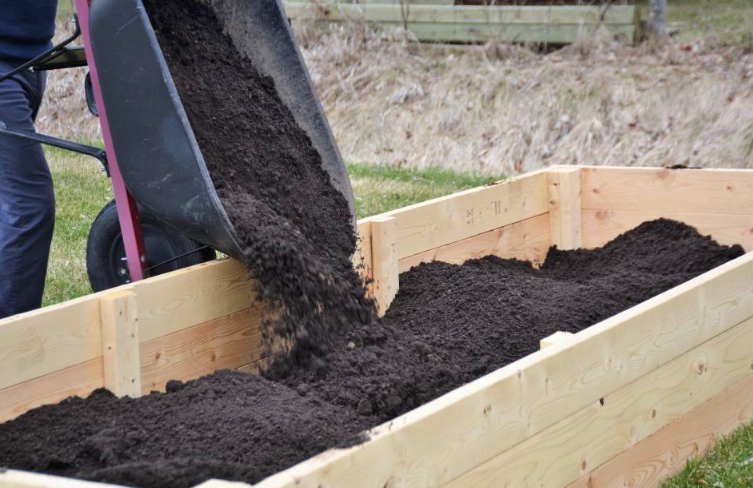
What You'll Discover in This Guide
Why Soil is the Foundation of Your Raised Bed Garden
Think of soil as the engine of your garden. In raised beds, you're not working with native ground soil—you're building from scratch. That means every choice matters. Good soil provides nutrients, supports root growth, manages water, and hosts beneficial microbes. Poor soil leads to stunted plants, diseases, and frustration.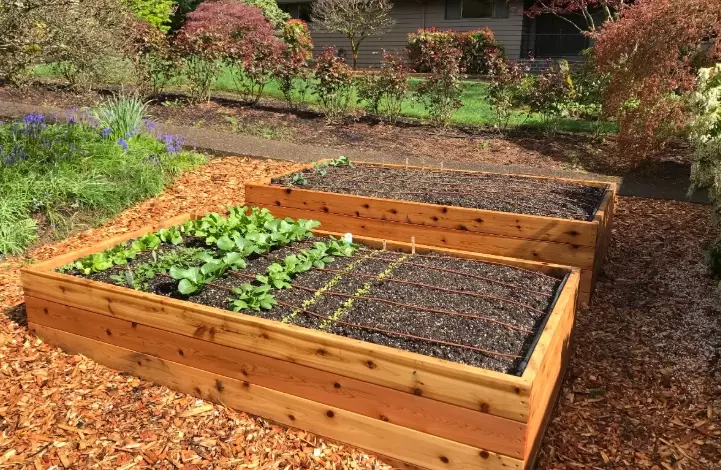
I learned this early on. My first raised bed was filled with cheap topsoil from a local supplier. It looked fine, but within weeks, my lettuce turned yellow and my carrots were stubby. A simple soil test revealed the pH was way off, and the texture was like concrete. That experience taught me that skipping soil basics is a recipe for disaster.
Key Takeaway: Raised bed soil must be loose, fertile, and well-draining. Unlike in-ground gardens, you control every aspect, so don't cut corners.
How to Choose the Right Soil Mix for Vegetables
This is where most gardeners go wrong. They grab whatever bag says "garden soil" and hope for the best. But vegetable plants have specific needs. Let's break it down.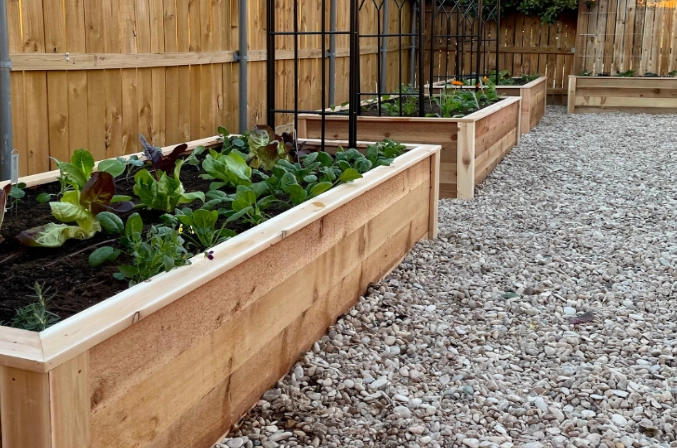
Understanding Soil Texture: Sand, Silt, and Clay
Texture affects drainage and aeration. Ideal raised bed soil is loamy—a balance of sand, silt, and clay. Sand improves drainage, silt holds nutrients, and clay retains moisture. Too much clay, and your beds become waterlogged; too much sand, and water runs right through.
A trick I use: squeeze a handful of moist soil. If it forms a tight ball that doesn't crumble, it's too clay-heavy. If it falls apart immediately, it's too sandy. You want it to hold shape briefly then break apart easily.
The Magic of Organic Matter
Organic matter is the secret sauce. It improves structure, provides nutrients, and feeds soil life. Compost, aged manure, and leaf mold are top choices. But here's a non-consensus point: not all compost is equal. I've seen gardeners use fresh manure, which burns plants due to high ammonia. Always use well-aged organic matter—at least six months old.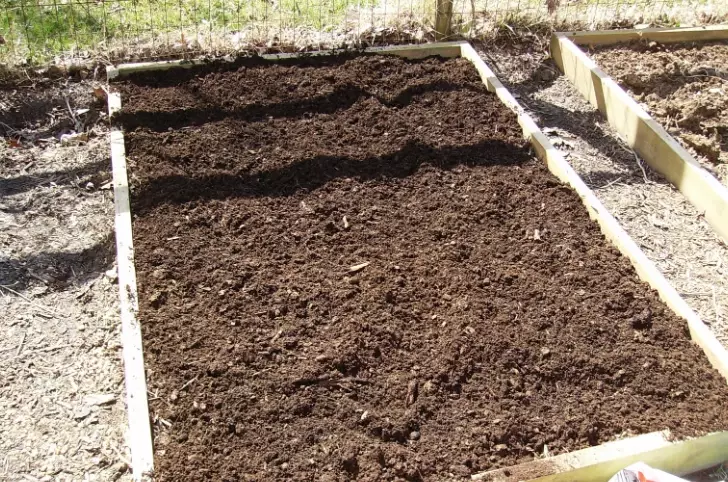
According to resources from university extension services like the University of California Cooperative Extension, adding 30-50% organic matter to raised beds is optimal for vegetable growth.
pH Levels: Why They Matter and How to Test
Most vegetables prefer a pH between 6.0 and 7.0. If pH is too low (acidic) or high (alkaline), plants can't access nutrients, even if they're present. Testing is simple: buy a cheap kit online or from a garden center. I test my soil every spring—it takes five minutes and saves months of headache.
If pH is off, adjust with lime (to raise pH) or sulfur (to lower pH). Follow package instructions, but go slow; over-correction is common.
The Perfect Raised Bed Soil Recipe: A Step-by-Step Guide
After years of tweaking, here's my go-to recipe. It works for tomatoes, greens, root crops—pretty much everything. You can mix it yourself or guide a supplier.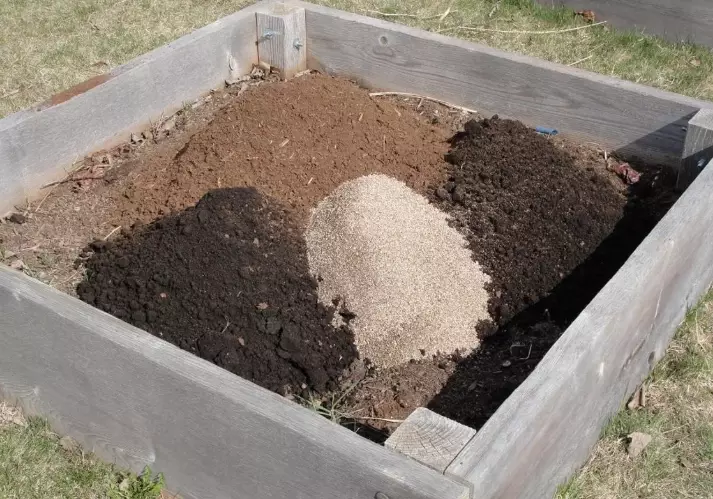
| Ingredient | Percentage | Why It's Included |
|---|---|---|
| High-quality compost | 40% | Provides nutrients and improves soil structure. Use a mix of sources (e.g., plant-based and manure-based). |
| Topsoil or garden soil | 30% | Adds mineral content and bulk. Ensure it's screened to remove debris. |
| Coarse sand or perlite | 20% | Ensures drainage and prevents compaction. Avoid fine sand, which can cement together. |
| Peat moss or coconut coir | 10% | Retains moisture and aerates. Coconut coir is more sustainable and easier to rewet if it dries out. |
Mix these thoroughly in a wheelbarrow or on a tarp. For a 4x8 foot raised bed (about 12 inches deep), you'll need roughly 1 cubic yard of mix. Don't just dump layers—blend them well to avoid pockets of poor texture.
I once helped a neighbor who layered compost on top of sand. Her plants struggled because roots hit the sand layer and couldn't access nutrients. Uniform mixing is critical.
Common Soil Mistakes (And How to Fix Them)
We all make errors, but learning from others can save you time. Here are the big ones I see repeatedly.
- Using pure compost: It seems rich, but compost alone compacts and drains poorly. Fix by adding sand and topsoil to balance.
- Ignoring drainage: Raised beds should drain well, but if water pools on top, you have a problem. Add perlite or coarse sand to improve flow.
- Skimping on quality: Cheap soil often contains weeds, pests, or contaminants. Invest in reputable sources—it pays off in yield.
- Forgetting pH: As mentioned, test and adjust. I've seen gardens where adding sulfur doubled harvests overnight.
Maintaining Your Soil Year After Year
Soil isn't a one-time setup; it's a living thing that needs care. Here's how to keep it fertile.
Add compost annually: Each spring, top-dress with 1-2 inches of compost. This replenishes nutrients and organic matter. I do it right after the last frost.
Practice crop rotation: Don't plant the same family (e.g., tomatoes, peppers) in the same spot yearly. It prevents nutrient depletion and disease buildup. I keep a simple garden journal to track where things go.
Use cover crops: In fall, plant clover or rye in empty beds. They protect soil, add nitrogen, and improve structure when turned in. The USDA Natural Resources Conservation Service highlights cover crops as a key to soil health.
Avoid compaction: Don't step on your raised beds! Use boards or paths to distribute weight. Compacted soil suffocates roots.
Maintenance might sound like work, but it's less than dealing with failed crops. I spend maybe an hour per bed each season—totally worth it.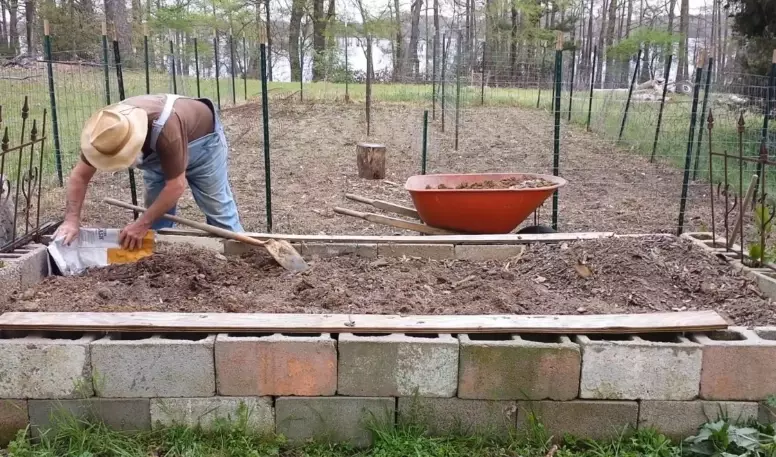
Reader Comments