Let's cut to the chase. The single biggest mistake I see new gardeners make with blueberries isn't about variety or pruning—it's getting the timing wrong. Plant at the wrong moment, and you're fighting an uphill battle from day one. The right time to plant blueberry bushes isn't just a date on a calendar; it's a strategic window that gives your plants the best possible start, aligning with their natural cycles and your local climate. For most regions, that magic window is during the dormant season: late fall or early spring. But which one is better for you? That's where the details matter.
Your Quick Planting Roadmap
- The Dormant Season Rule: Why Timing is Everything
- Spring vs. Fall Planting: The Regional Showdown
- Your Climate Zone Planting Breakdown
- Beyond the Calendar: The 3 Critical Pre-Planting Steps
- Your Planting Day Step-by-Step Checklist
- First-Year Care: The Make-or-Break Period
- Expert Answers to Your Blueberry Planting Questions
The Dormant Season Rule: Why Timing is Everything
Blueberry bushes are deciduous. They go to sleep for the winter. Planting them while they're napping—bare-root or potted—causes minimal shock. Their energy is focused underground on growing roots, not on supporting leaves or fruit.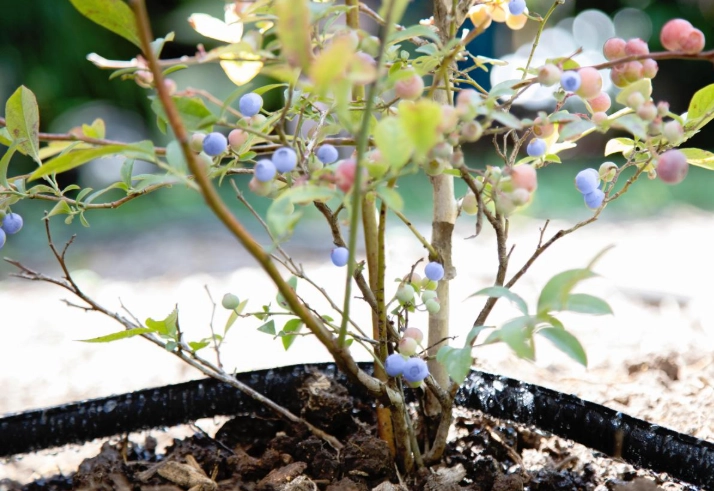
Think of it like transplanting someone while they're in a deep sleep versus in the middle of a workout. The dormant plant wakes up in its new home, stretches its roots into prepared soil, and is ready to grow when spring warmth arrives.
Ignore this, and plant in the heat of summer, and the plant is trying to do two incredibly demanding jobs at once: cope with transplant shock and keep its foliage alive under scorching sun. It often fails at both.
My Early Mistake
I once planted a lovely 'Bluecrop' in June because the nursery had a sale. It looked miserable all summer, dropped half its leaves, and took three years to produce what a properly timed planting would have yielded in two. The sale wasn't worth it.
Spring vs. Fall Planting: The Regional Showdown
So, dormant season means late fall or early spring. Which champion should you choose? It depends almost entirely on your winter.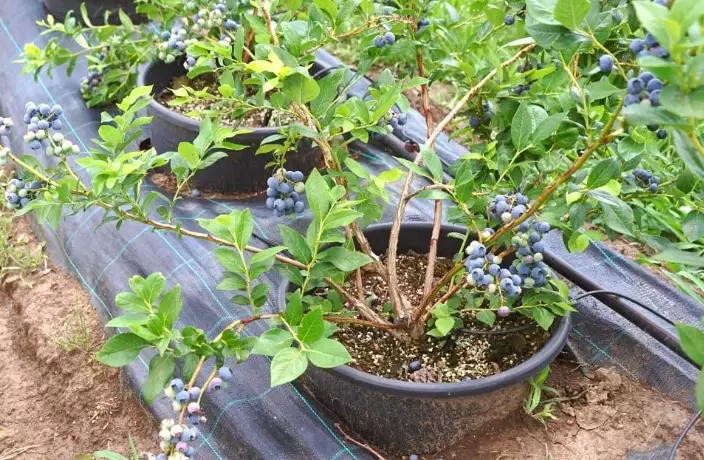
The Case for Fall Planting (Late September - Mid November)
This is the secret favorite of many experienced growers in regions with reliable winter moisture and moderate winters (think USDA zones 6-8).
Why? The soil is still warm from summer, which encourages root growth long after the top has gone dormant. The plant gets a full season of root establishment before the heat stress of its first summer. Come spring, it leaps out of the gate.
The catch: You must ensure the plant goes into winter with adequate moisture. A dry fall followed by a freezing winter can kill new roots (a condition called winter desiccation). Mulching heavily right after planting is non-negotiable.
The Case for Spring Planting (Late March - Early May)
This is the safer, more popular choice, especially for colder climates (zones 3-5) or areas with harsh, unpredictable winters.
The logic is straightforward. You plant as soon as the ground is workable, giving the bush a full growing season to settle in before facing its first winter. You're also there to baby it with water through its first summer.
The downside: The plant must establish roots and push out new growth simultaneously. A late spring heatwave can be tough on it. You need to be vigilant about watering.
Your Climate Zone Planting Breakdown
Let's get specific. Here’s a practical guide based on the USDA Plant Hardiness Zone Map (you can find your zone on the USDA website).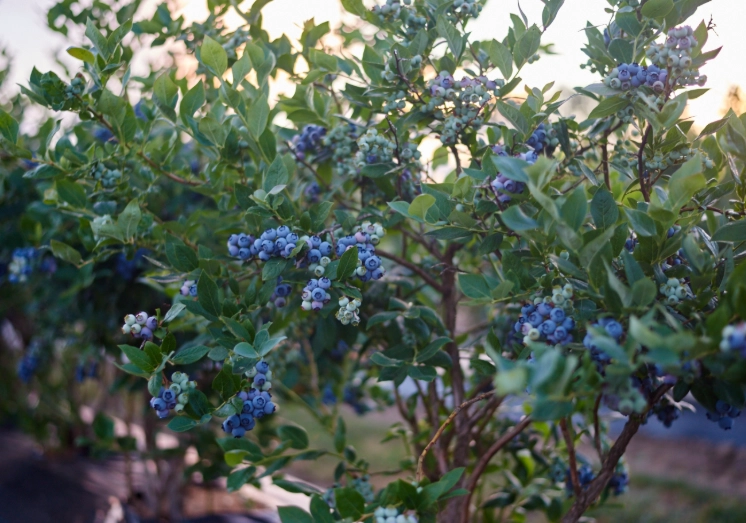
| Climate Type (USDA Zones) | Recommended Planting Window | Key Considerations & Expert Tip |
|---|---|---|
| Cold Winters (Zones 3-5) e.g., Minnesota, Maine, Northern NY |
Early to Mid-Spring As soon as soil thaws and is workable. Avoid fall planting. |
Winters are too severe for fall-planted roots to establish safely. Use spring to get strong before winter. Tip: Choose half-high or northern highbush varieties bred for cold tolerance. |
| Moderate Winters (Zones 6-7) e.g., Pacific NW, Mid-Atlantic, parts of Midwest |
Fall (Best) OR Early Spring Fall: Oct-Nov. Spring: Mar-Apr. |
The sweet spot for fall planting. Soil stays warm, winters are manageable. Tip: If you have poorly draining soil, lean towards spring to avoid waterlogged roots over winter. |
| Mild Winters (Zones 8-9) e.g., Coastal California, Southeast, Texas |
Late Fall through Winter Nov - February. Avoid hot months. |
Winter is your primary planting season. Plants are dormant, and you avoid extreme heat. Tip: You must grow rabbiteye or southern highbush varieties. Northern types won't get enough chill hours. |
Notice I didn't just give months. I linked it to a tangible condition: "as soon as the soil is workable." That means not frozen, not a mud bath, but crumbly enough to dig a proper hole.
Beyond the Calendar: The 3 Critical Pre-Planting Steps
Timing is useless if the stage isn't set. These steps, done before your plant arrives, are more important than the planting date itself.
1. Soil Testing and Acidification (Do This 3-6 Months Ahead if Possible)
Blueberries demand acidic soil, with a pH between 4.5 and 5.5. Most garden soil is neutral (6.5-7.0).
Guess what? Adding a handful of peat moss at planting won't fix it. Soil acidification is a slow process. Get a soil test (your local cooperative extension office offers cheap kits). To lower pH, incorporate elemental sulfur into the soil months in advance, as recommended by your test results. This is the step 90% of failures stem from.
2. Site Selection: Sun and Water
Full sun. At least 6-8 hours. More sun equals more and sweeter fruit. Also, ensure your planting site has easy access to water. You'll be watering deeply and regularly for the first two years. A site 50 feet from a hose is a pain you'll regret.
3. Preparing the Planting Hole or Bed
Forget digging a small hole in clay soil. Blueberries have shallow, fibrous roots that hate compaction.
Best method: Create a raised bed or a wide, shallow planting area (3ft wide, 1ft deep). Mix the native soil with lots of organic matter—acidic compost, well-rotted pine bark, or coir. Peat moss works but is environmentally contentious; I've switched to pine bark fines with great results.
Your Planting Day Step-by-Step Checklist
It's go time. Whether it's a crisp spring morning or a cool fall afternoon, here's your action list.
- Hydrate the Root Ball: If potted, soak the container in a bucket of water for an hour until no bubbles rise. For bare-root plants, soak the roots for 4-6 hours.
- Dig a Wide, Shallow Hole: Twice as wide as the root ball, only as deep. You want the crown (where stem meets roots) to sit level with or just above the soil surface.
- Tease the Roots: Gently loosen any circling roots on potted plants. This feels scary but prevents the plant from becoming root-bound in the ground.
- Plant and Backfill: Place the bush, backfill with your prepared soil mix, and firm gently. Water deeply to settle soil and eliminate air pockets.
- The Mulch Mantra: Immediately apply a 3-4 inch layer of acidic mulch (pine needles, shredded pine bark, oak leaves). This keeps roots cool, moist, and adds acidity as it breaks down. Keep mulch a few inches away from the main stem.
- The First Pruning (Often Forgotten): For bare-root plants, prune back about 1/3 of the top growth. This balances the root loss during digging. For well-grown potted plants, you can often skip this.
First-Year Care: The Make-or-Break Period
Planting is just the audition. The first year is the contract.
Watering: This is your main job. The goal is consistently moist, not soggy, soil. Deep watering 2-3 times per week is better than daily sprinkles. A soaker hose under the mulch is ideal.
Fertilizing: Go light. Use an organic, acid-forming fertilizer (like one for azaleas) a month after planting, then again in early summer. More blueberries are killed by kindness (over-fertilizing) than neglect.
The Hardest Part: Remove all flowers the first year. Yes, all of them. I know it hurts. The plant's job in year one is to build roots and structure, not produce puny fruit. Letting it fruit stunts its long-term growth. Be ruthless for a better payoff.
Expert Answers to Your Blueberry Planting Questions
I live in zone 7. Is it too late to plant blueberry bushes if it's already November and we've had a frost?
If the ground isn't frozen solid, you're likely still okay for fall planting. The plant is definitely dormant after a frost, which is good. The bigger issue is soil temperature. If it's still above 45°F (7°C), roots will still grow. Get it in the ground, water it well, and mulch heavily immediately after. The mulch acts as a blanket, keeping residual soil warmth in and protecting new roots from hard freezes.
The nursery only has bare-root plants, but it's already April and leaves are starting to bud. Should I wait until next year?
No, plant it now. A bare-root with swelling buds is still in a decent state for planting—it's just a late spring. The key is to minimize transplant shock. Be extra gentle, don't let the roots dry out for a second during planting, and prune back about 25-30% of the top growth to compensate for the root disturbance. It will put its energy into the remaining buds and roots. Water religiously all summer.
Can I plant blueberries in a large container if my soil is terrible alkaline clay?
Absolutely, and for terrible soil, it's often the best strategy. Use a pot at least 18-24 inches wide and deep. The magic is in the potting mix: use a 50/50 blend of an acid-loving plant potting soil and additional pine bark fines. Container planting gives you total control over pH and drainage. The catch? They need more frequent watering and feeding, and in very cold climates, the pot needs winter protection (move to an unheated garage or wrap it) to prevent the roots from freezing solid.
I planted two bushes last spring but they barely grew. The leaves had a reddish tint. What did I do wrong?
The red leaves are the classic distress signal. You're looking at a textbook case of incorrect soil pH. The reddish-purple tint, especially on new growth, indicates the plant cannot absorb phosphorus (and other nutrients) because the soil is not acidic enough. The stunted growth confirms it. Test your soil pH now. You'll need to carefully apply elemental sulfur or a soil acidifier around the plants and water it in. Recovery will be slow—it might take a full season to see green growth again. This is why pre-planting soil prep is non-negotiable.
How close together should I plant different varieties for cross-pollination?
For most highbush varieties, planting within 5-10 feet of a different variety is fine. Bees will find them. For rabbiteye blueberries, which require cross-pollination, keep them within 20-30 feet for good fruit set. Don't just plant one bush. Plant at least two, preferably three different varieties that flower at a similar time. You'll get more and bigger berries from all of them.
The perfect time to plant blueberry bushes is when you've done your homework on soil prep and your local climate says it's the dormant season. It's less about chasing a perfect date and more about creating perfect conditions for that date. Get the soil acidic, get the site sunny, and get that plant in the ground when it's sleeping. Do that, and you're not just planting a bush; you're planting a future of summer harvests.
Reader Comments