Let's cut to the chase. The single biggest mistake I see new gardeners make with raised beds isn't the wood they choose or the location—it's what they put inside. Bag after bag of expensive, water-repellent "potting mix" or worse, heavy, lifeless topsoil from the yard. Your raised bed is only as good as the soil you fill it with. Get this right, and you've won 80% of the gardening battle before you even plant a seed. This guide isn't just about throwing together some dirt; it's about engineering a living, breathing ecosystem that will feed your plants for seasons to come.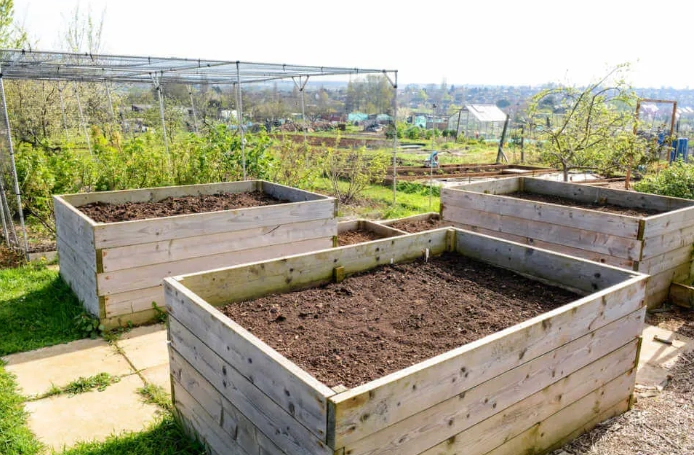
What You'll Learn
Why Soil Choice Makes or Breaks Your Raised Bed Garden
Think of a raised bed as a giant container. Unlike in-ground gardening, roots can't go searching far and wide for nutrients and water. They're confined. That confinement is a superpower if you give them the right environment—lightweight, fluffy, full of organic matter. It's a prison sentence if you give them dense, compacted, or sterile dirt.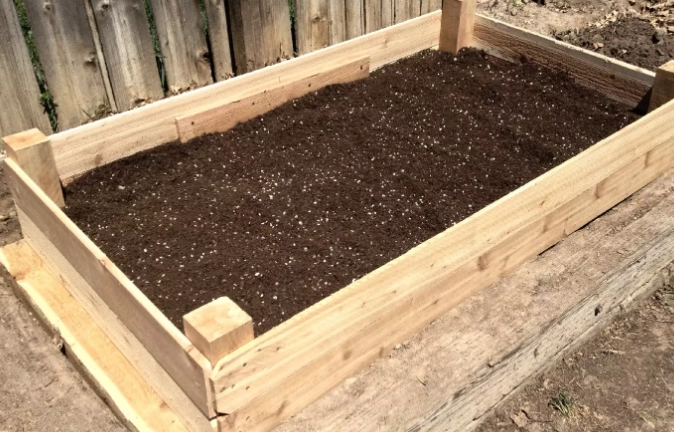
Good raised bed soil drains well but also holds moisture. It's rich in organic matter to feed microbes and worms. It has structure so roots can breathe. Most bagged garden soils or native clay fail on at least one of these points. The goal is to mimic the best forest floor soil: dark, crumbly, and teeming with life.
The "Gold Standard" Raised Bed Soil Recipe
For years, the benchmark has been "Mel's Mix," popularized by Square Foot Gardening. It's a 1:1:1 blend of compost, peat moss or coconut coir, and coarse vermiculite. It works. But after a decade of tweaking, here's my evolved, more practical take on the perfect mix.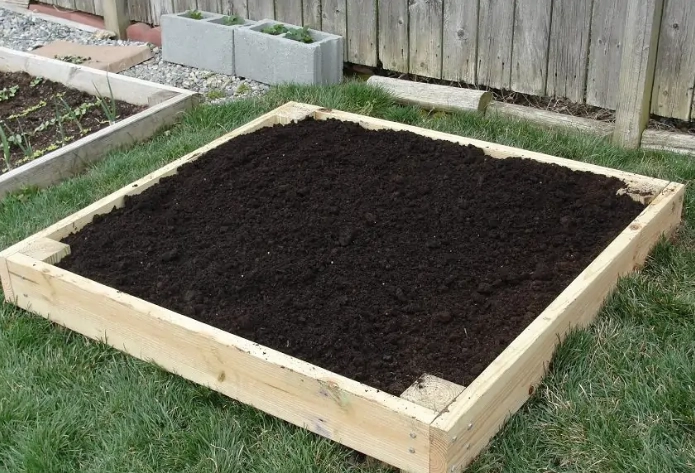
The Core Components:
| Ingredient | Role It Plays | What to Look For & Pitfalls |
|---|---|---|
| Compost (Multiple Sources) | Provides nutrients, organic matter, and beneficial microbes. The engine of your soil. | Never rely on just one source. Blend 2-3 types (e.g., municipal compost, mushroom compost, homemade). Avoid compost that smells sour or like ammonia—it's not finished. |
| Peat Moss or Coconut Coir | Holds moisture and improves soil structure. Lightens the mix. | Peat Moss: Acidic, non-renewable. Coir: More sustainable, pH neutral, but can hold *too much* water. Pre-wet both thoroughly—they repel water when dry. |
| Aeration Material | Creates air pockets for roots. Prevents compaction. | Vermiculite: Holds water/nutrients. Expensive. Perlite: Cheap, great for drainage. Dusty. Coarse Sand: Cheap, adds weight (good for windy sites). Must be coarse (builder's sand), not play sand. |
| Topsoil or Garden Soil | Adds mineral content and "body." Can reduce cost. | Only use as a portion (max 30%). Screen it to remove rocks and clods. Never use pure native clay soil. |
My go-to, all-purpose recipe for a 4x8 foot bed is:
- 40% High-Quality Compost Blend (e.g., 15% worm castings, 15% mushroom compost, 10% leaf mold)
- 30% Coconut Coir (pre-soaked in a wheelbarrow)
- 20% Coarse Horticultural Sand or Perlite
- 10% Screened Topsoil
Mix it on a tarp. Your arms will tell you it's right—light, fluffy, and dark.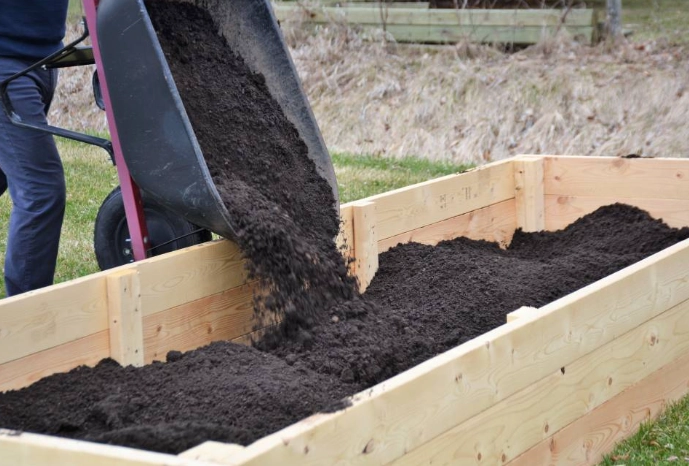
The "Lasagna" Method: Filling a Deep Raised Bed for (Almost) Free
Filling a 2-foot tall bed with pure custom mix can cost hundreds. Here's the secret seasoned gardeners use: fill the bottom half with bulky, slow-rotting organic matter. It's called sheet composting or lasagna gardening right in the bed.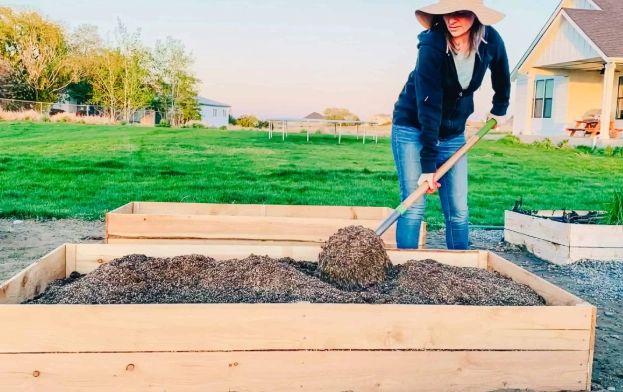
Step-by-Step for a 2-ft Deep Bed:
Bottom Layer (6-8 inches): Logs, sticks, old untreated wood, even crumpled cardboard boxes. This creates a moisture reservoir and breaks down over years.
Middle Layer (6 inches): "Brown" carbon materials. Fall leaves, straw, shredded newspaper, wood chips. Water it down as you go.
Top Layer (8-10 inches): This is where your good stuff goes. Your custom soil mix (from the recipe above). This is the root zone.
The bottom layers will settle and decompose over the first season. You'll need to top up with compost and mix the next spring, but the initial savings are massive. I filled three 4x12 beds this way for the cost of filling just one entirely with mix.
Cost Comparison: Filling a 4x8x2ft bed (64 cubic feet).
All Custom Mix: ~$200-$300.
Lasagna Method: ~$60-$100 (for the top 10 inches of quality mix). The rest is yard waste.
Three Soil Mistakes You Don't Know You're Making
Beyond the obvious, here are the subtle errors that slowly choke your garden.
1. Walking on It or Over-Compacting
You built the bed to avoid compaction, right? Then don't kneel in it to reach the middle. Use a board across the sides as a kneeling board. When watering with a hard spray or tamping down soil too firmly, you destroy the fragile pore spaces. Water gently.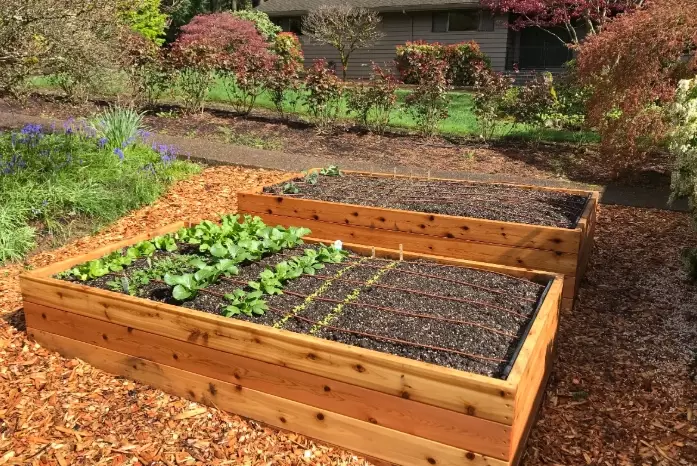
2. The "All-Compost" Diet
Compost is amazing, but it's not a complete soil. It breaks down quickly. A bed filled with 100% compost will shrink dramatically by mid-summer and can become too rich, even "burning" sensitive plants. It also lacks mineral content and long-term structure. Think of compost as a vital ingredient, not the whole meal.
3. Ignoring pH and Nutrient Tests
You wouldn't guess your car's oil level. Don't guess your soil's pH. Many municipal composts can be alkaline. Peat moss is acidic. A simple home test kit or sending a sample to your local university extension service (the gold standard) tells you exactly what you're working with. Most veggies want a pH between 6.0 and 7.0. Being off by a point can lock up nutrients.
Maintaining That "New Bed" Magic Year After Year
Great soil isn't a one-time purchase. It's a living thing you feed.
Each Fall: After pulling plants, sow a cover crop like winter rye or crimson clover. Chop and drop it in spring as green manure. Or, simply cover the bed with 2-3 inches of finished compost.
Each Spring: Before planting, gently fork in another 1-2 inches of compost into the top few inches. No need to till deeply—you'll disturb the soil structure and microbiome you've built.
During the Season: Use light, organic mulches (straw, grass clippings) to keep soil cool, moist, and fed as they decompose.
The soil level will drop each year as organic matter decomposes. That's normal. Just keep topping it up with compost.
Your Raised Bed Soil Questions, Answered
My raised bed soil has become hard and compacted. How can I fix it without starting over?
Can I reuse last year's potting soil from containers in my new raised bed?
Is it okay to put gravel or rocks at the bottom of my raised bed for drainage?
How do I know if my homemade or bagged compost is "safe" and fully cooked?
What's the single most important thing to add to my soil each year?
Reader Comments