Let's be honest. You can buy tomato seedlings from the garden center. But there's something special about growing your own from a tiny seed. You control the variety, the health, and the entire journey. I've been doing this for over a decade, and I still get a thrill seeing those first green hooks push through the soil. But I've also seen—and made—plenty of mistakes that can leave you with spindly, weak plants. This guide is about skipping those mistakes and getting you to transplant day with the strongest, healthiest tomato seedlings you've ever grown.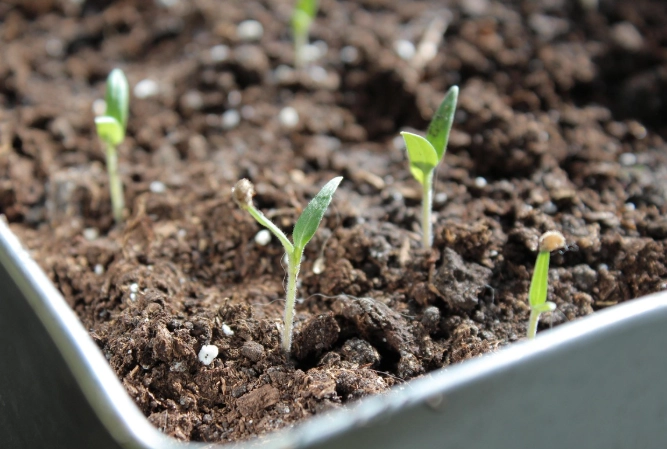
What You'll Find Inside
Getting Your Seed Starting Setup Right
Most guides tell you to get seed trays and soil. That's like saying you need a pan to cook. We need to talk specifics, because the wrong choices here create problems you can't fix later.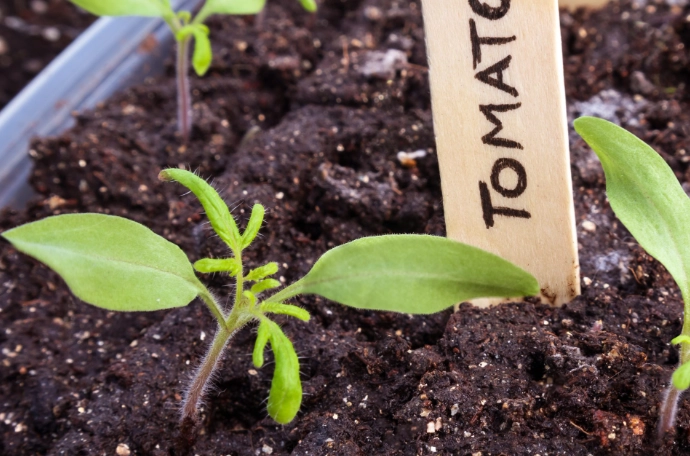
The Non-Negotiables: Light and Soil
Light is everything. A south-facing window is a trap. Even on a sunny day, the light intensity is a fraction of what a seedling needs. It leads to the infamous "leggy" seedling—all stem, no substance. You need a dedicated grow light. Not a fancy one, just a simple LED shop light with a color temperature around 6500K (daylight spectrum). Keep it 2-4 inches above the leaves, and run it for 14-16 hours a day. A timer is your best friend here.
Pro Tip: Gently brush your hand over the seedlings a few times a day. This simulates wind and encourages the stems to grow thicker and stronger. It's a trick commercial growers use that most home gardeners never hear about.
Your soil mix is the foundation. Don't use garden soil or heavy potting mix. It compacts, doesn't drain well, and can harbor diseases. You need a sterile, soilless seed-starting mix. It's light and fluffy. The real secret? Most commercial seed-starting mixes are still too dense for ideal root development. I always amend mine.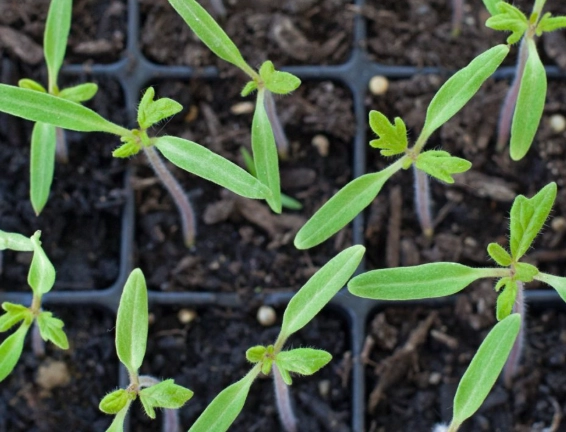
Here's my go-to homemade blend that guarantees perfect drainage and aeration:
- 4 parts peat moss or coco coir (for moisture retention)
- 2 parts perlite (for aeration and drainage – this is crucial)
- 1 part vermiculite (helps retain moisture and nutrients)
- A light sprinkle of worm castings for a gentle nutrient boost (optional, but great).
The Step-by-Step Guide to Planting Your Seeds
Timing is your first big decision. Plant too early, and you'll have giant, root-bound seedlings struggling under lights before it's warm enough outside. Plant too late, and you lose precious growing season.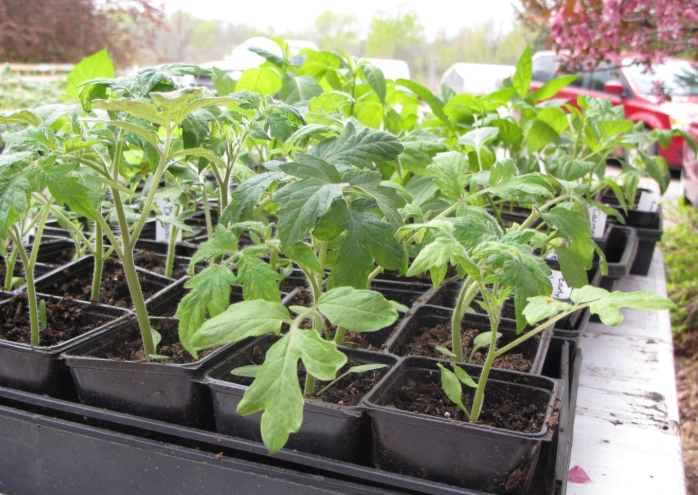
Calculate your last expected frost date (check with your local university extension service website for the most accurate data). Then count backwards 6-8 weeks. That's your seed-starting window. For most heirlooms and larger varieties, lean towards 8 weeks. For cherry tomatoes, 6-7 is often enough.
The process:
- Pre-moisten your mix. Put it in a bucket, add warm water, and mix until it feels like a wrung-out sponge. Dry mix repels water.
- Fill your containers. Cell packs or small pots are fine. Don't pack the soil down.
- Plant 2-3 seeds per cell. Depth matters: plant tomato seeds ¼ inch deep. A common error is planting too deep.
- Cover and create humidity. A clear plastic dome or even plastic wrap over the tray traps moisture, which is critical for germination. Remove it the moment you see green.
- Provide bottom heat. This is the game-changer no one talks about. Tomato seeds germinate best in soil around 70-80°F (21-27°C). A simple seedling heat mat under your tray can cut germination time in half and improve rates dramatically. Room temperature soil often leads to slow, spotty germination.
The Critical First Weeks: Light, Water, and Food
Your seeds have sprouted. Now the real work begins.
The Art of Watering Seedlings
Overwatering is the #1 killer. You're not watering on a schedule. You're checking the soil. Let the surface dry out slightly between waterings. The best method? Bottom watering. Place your trays in a shallow dish of water and let the soil wick moisture up from the bottom. This encourages deep root growth and keeps the stems and leaves dry, preventing fungal diseases like damping off.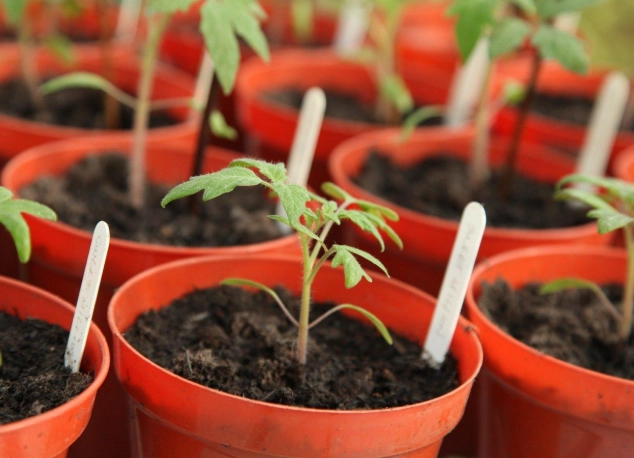
Watch Out: If your seedlings suddenly collapse at the soil line, looking pinched and rotten, that's damping off. It's fatal. It's caused by fungi thriving in cool, wet conditions with poor air circulation. Prevention (sterile mix, bottom watering, good airflow) is the only cure.
When and What to Feed Them
Seed-starting mix has no nutrients. Once the seedlings get their first set of true leaves (the ones that look like actual tomato leaves, not the initial rounded seed leaves), they need food.
Use a balanced, water-soluble fertilizer at half strength. Something like a 10-10-10 or 5-5-5. Do this every 10-14 days. The mistake is either starving them or burning them with full-strength fertilizer.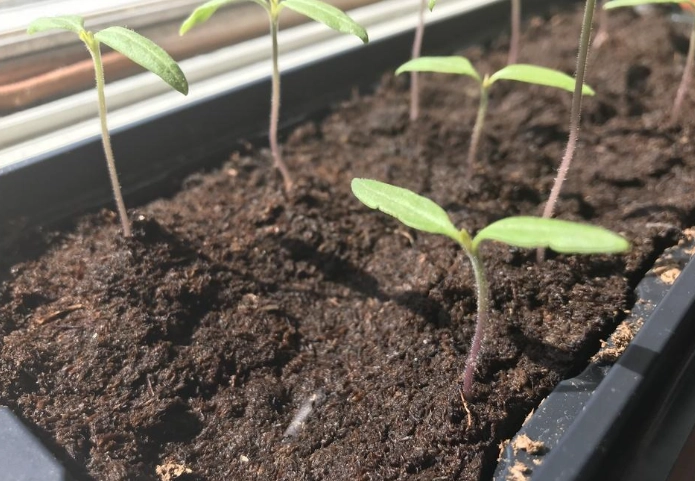
Thinning and Potting Up
If you planted multiple seeds per cell, you need to thin. Once they have a couple of true leaves, choose the strongest seedling and snip the others off at the soil line with scissors. Don't pull them, as you might disturb the roots of the keeper.
If you started in small cells, your seedlings will eventually need more room. When roots start peeking out the bottom drainage holes, it's time to pot up into a larger container (like a 4-inch pot). Bury the stem deeper than it was before—tomatoes can grow roots all along their stems, making them sturdier.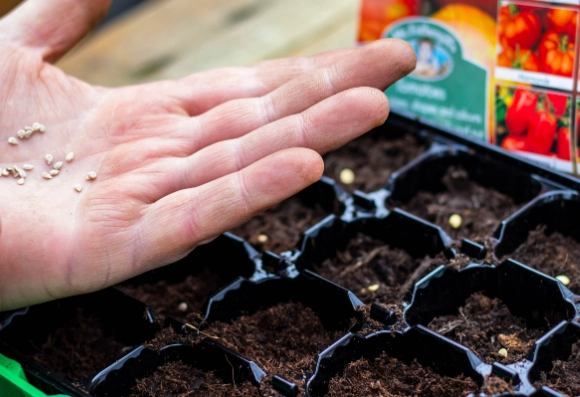
Prepping for the Great Outdoors: Transplanting and Hardening Off
This is where many perfect indoor seedlings meet their demise. You can't just move them from your cozy living room to the garden.
The Hardening Off Process (Non-Negotiable)
Hardening off gradually acclimates seedlings to sun, wind, and temperature fluctuations. It takes 7-10 days.
- Days 1-3: Place seedlings in a shaded, sheltered spot outside for 2-3 hours. Bring them in.
- Days 4-6: Increase time to 4-6 hours, introducing a bit of morning sun.
- Days 7-10: Leave them out all day, and if night temps are above 50°F (10°C), you can leave them out overnight.
Watch for wilting or sunscald (bleached leaves). If you see it, pull them back into shade. It's a process, not an event.
The Final Transplant: Getting It Right
Transplant after all danger of frost has passed and soil has warmed up. A cold, wet root ball just sits there and rots.
| Step | Key Action | Why It Matters |
|---|---|---|
| 1. Prep the Hole | Dig a hole deeper than the pot. | Allows you to bury the stem for a stronger root system. |
| 2. Amend the Soil | Mix a handful of compost into the backfill soil. | Provides gentle nutrients right at the root zone. |
| 3. Remove the Plant | Squeeze the pot, don't yank the stem. | Minimizes root shock and damage. |
| 4. Plant Deep | Bury the stem up to the first set of true leaves. | Tomatoes develop roots all along the buried stem, creating a powerhouse anchor. |
| 5. Water & Mulch | Water deeply right after planting, then add mulch. | Settles soil, eliminates air pockets, and mulch conserves moisture. |
Water consistently for the first week to help them establish. Then, you're on your way to a harvest.
Reader Comments