Let's be honest. The word "pruning" can sound a bit intimidating, even violent. You're taking shears to a living thing. I used to feel the same way, hovering over a rose bush with my clippers, paralyzed by the fear of doing permanent damage. What if I cut off next year's flowers? What if I kill it? Here's the truth I learned after years of trial, error, and talking with master gardeners: pruning is the single most generous thing you can do for most plants. It's not about taking away; it's about redirecting energy to where the plant needs it most. Done right, it prevents disease, encourages spectacular blooms, and shapes a plant into a healthier, more beautiful version of itself.
This guide will move past the basic "cut the dead stuff" advice. We'll get into the *why* behind each cut, the tools that make it easy, and the specific timing for different plants. I'll also point out the subtle mistakes almost every beginner makes—mistakes that can set your plant back a full season.
What You'll Learn in This Guide
Why You Should Prune (It's Not Just for Looks)
Sure, pruning keeps your shrubs from looking like wild beasts. But the benefits go much deeper.
Health is the number one reason. Removing dead, diseased, or damaged wood stops problems in their tracks. Think of a branch with fungal dieback. If you leave it, that fungus has a direct highway into the heart of the plant. A clean cut just below the affected area removes the threat entirely. It also improves air circulation through the plant's center, making it a less inviting home for pests and mildew. The Royal Horticultural Society consistently emphasizes this preventive aspect in their gardening advice.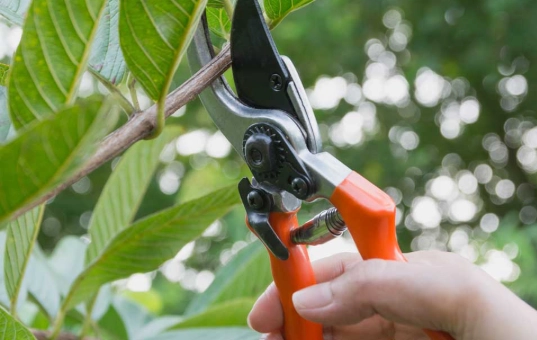
You control the plant's energy. Plants want to grow tall and set seed—that's their prime directive. By pruning, you're the director. You tell the plant, "Don't waste energy on this weak, crossing branch. Put it into these strong buds that will give us better flowers or fruit." This is how you get more prolific blooms on your roses or a heavier harvest from your apple tree.
It maintains safety and structure. A tree with weak, V-shaped crotches is a storm away from splitting your roof. Strategic pruning when the tree is young can encourage a strong, central leader and well-attached limbs. For shrubs, it prevents them from becoming top-heavy and splitting open after a snow load.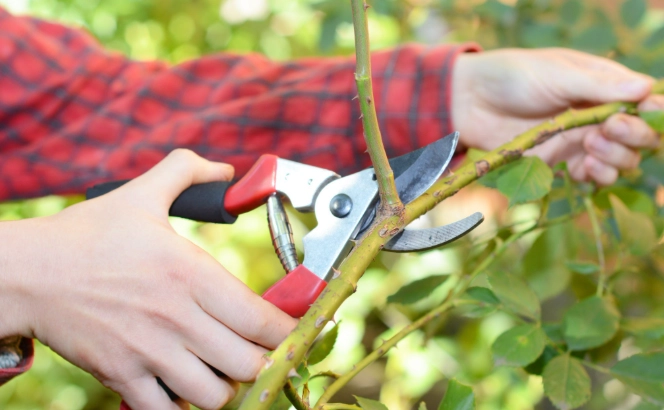
A Non-Consensus View: Many guides say to prune to "maintain shape." I think that's backwards. Don't just trim the outside like a haircut. Prune from the inside out. First, remove the interior clutter (dead wood, inward-growing branches). Then, address the overall form. This inside-out approach solves health and structure issues first, and the beautiful shape naturally follows.
What Tools Do You Need for Pruning Plants?
You don't need a shed full of gear. Three core tools will handle 95% of jobs. The key is keeping them sharp and clean. A dull blade crushes stems, inviting disease. I wipe my blades with rubbing alcohol between plants, especially when moving from a sickly plant to a healthy one.
- Hand Pruners (Secateurs): Your go-to for stems up to about 3/4-inch thick. Get bypass pruners (they cut like scissors), not anvil pruners (which crush). Brands like Felco or Corona are worth the investment. My Felco #2s have lasted a decade.
- Loppers: These are long-handled pruners for branches from 3/4 inch to about 1.5 inches thick. The leverage makes clean cuts easy. Look for ones with telescopic handles if you have a large garden.
- Pruning Saw: For anything thicker than your thumb. A curved, tri-edge pruning saw cuts on the pull stroke and zips through wood surprisingly fast. Don't use a carpenter's saw—it's designed for dry wood, not living branches.
For hedges, you'd add hedge shears. For tall trees, a pole pruner. But start with the big three. A sharpening stone and a small bottle of disinfectant are part of the kit, too.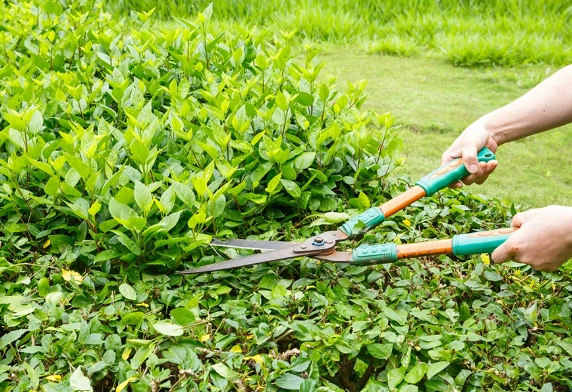
How to Prune Plants: A Step-by-Step Walkthrough
Let's walk through a typical pruning session for a multi-stemmed shrub, like a viburnum or overgrown spirea. The principles apply broadly.
Step 1: The 3 D's – Dead, Diseased, Damaged
Always start here. It's non-negotiable. Look for branches that are obviously dead (brittle, no buds), have cankers or odd discoloration, or are broken from wind. Cut these back to healthy wood, or to the main stem. Make the cut just outside the branch collar (that slight swelling where the branch meets the trunk). Don't cut flush to the trunk—the collar contains tissues that help the wound seal.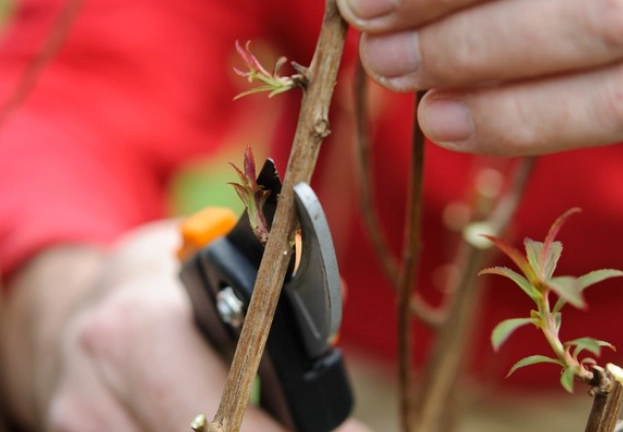
Step 2: Open the Center
Look for branches that are growing back into the center of the plant or crossing/rubbing against another branch. Rub creates wounds. Choose the weaker of the two crossing branches and remove it entirely at its base. The goal is to create an open structure where air and light can penetrate.
Step 3: Shape and Reduce
Now, address the overall size and form. If the shrub is too tall, look for a shorter side branch facing the direction you want growth to go. Cut the main stem back to just above that side branch. This is called "heading back" and is far better than shearing off the top, which creates a dense thicket of weak growth.
For renewal, on older shrubs, you can practice "renewal pruning." Each year, cut 1/3 of the oldest, thickest stems all the way down to the ground. This encourages vigorous new shoots from the base and constantly rejuvenates the plant. The University of Minnesota Extension has excellent visuals on this technique for common shrubs.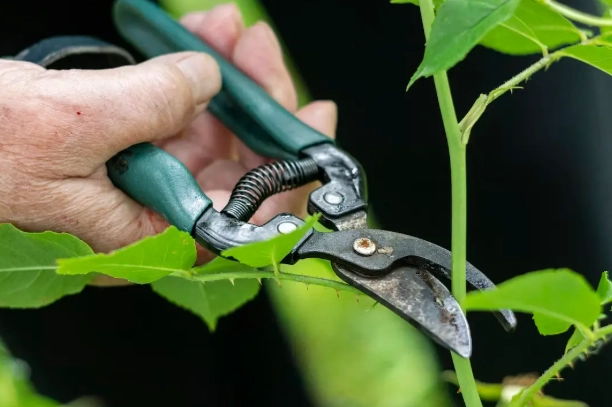
The angle of your cut matters. Cut about 1/4 inch above a bud that faces the outside of the plant. This slopes away from the bud so water runs off, not into it. A flat cut or a cut too close to the bud can damage it.
When to Prune: A Plant-by-Plant Schedule
Timing is everything. Prune at the wrong time, and you might cut off this year's flowers. This table simplifies the major categories.
| Plant Type | Best Time to Prune | Key Reason & Tip |
|---|---|---|
| Spring-Blooming Shrubs (Lilac, Forsythia, Rhododendron) |
Right AFTER flowering ends. | They bloom on "old wood" (growth from last year). Pruning in late summer or fall removes next spring's flower buds. After blooming, you have the whole growing season for new growth to set buds. |
| Summer-Blooming Shrubs (Butterfly Bush, Rose of Sharon, Crape Myrtle) |
Late Winter / Early Spring (while dormant). | They bloom on "new wood" (this year's growth). A hard prune in spring encourages lots of vigorous new shoots, which means more flowers. Don't be shy here. |
| Deciduous Trees (Maple, Oak, Fruit Trees) |
Late Winter (dormant season). | The structure is visible without leaves. Disease and insect activity is minimal. For oaks, this is critical to avoid spreading oak wilt. Summer is okay for light corrective pruning. |
| Evergreens (Pines, Spruces, Junipers) |
Late Spring / Early Summer after new growth ("candles") emerges. | For pines, pinch back the soft new candles by half to encourage bushiness. For junipers, prune lightly into green growth; cutting back into old brown wood often leaves a permanent bare spot. |
| Roses | Early Spring as buds swell. | Timing varies by type (hybrid tea vs. climber), but early spring is safe for most. Remove winter-killed wood and shape. A common mistake is pruning too early in winter, inviting dieback from subsequent frosts. |
Common Pruning Mistakes (And How to Fix Them)
I've made most of these. Learning from them is what makes a gardener.
Topping Trees or "Hat-Racking": This is the brutal, flat-top cut you see on unfortunate street trees. It creates a dense shock of weak, fast-growing water sprouts that are poorly attached and prone to failure. Fix: For height reduction, use the "drop-crotch" method—cut back a main branch to a large, lateral side branch that can assume the leader role.
Leaving Stubs: A stub won't heal. It dies back, becomes an entry point for rot, and looks awful. Fix: Always cut back to a branch, bud, or the main stem. No little poles sticking out.
Over-Pruning in One Season: Never remove more than 1/3 of a plant's living foliage in a single year. It's a massive shock. If a shrub is severely overgrown, spread the rejuvenation over 3 years. Fix: Patience. Do the 1/3 oldest stems method.
Using Dirty or Dull Tools: It spreads disease and makes ragged cuts that heal slowly. Fix: Clean with alcohol between plants. Sharpen blades a few times a season. It takes two minutes and makes pruning feel effortless.
The biggest psychological mistake? Being afraid to prune. Plants are resilient. They've evolved to handle damage from storms and animals. A well-considered cut is far better than neglect. Start small, maybe on a shrub you're not in love with. You'll see the response, gain confidence, and soon you'll be looking at every plant in your yard with a strategic eye.
Your Pruning Questions, Answered
I'm scared to prune my hydrangea. What if I cut off next year's flowers?
This is the top fear. First, identify your hydrangea. If it's a bigleaf type (like Endless Summer with blue or pink mopheads), it blooms on both old and new wood. Prune lightly right after its main summer bloom, just deadheading and removing a few oldest stems. If it's a panicle hydrangea (like Limelight with cone-shaped flowers), it blooms on new wood. You can cut it back hard in early spring. When in doubt, just deadhead and do minimal shaping—it's safer than a major chop.
Do I need to put wound sealant or paint on pruning cuts?
No. Decades of research, including studies from the US Forest Service and universities, show that tree wound dressings don't prevent decay and can sometimes interfere with the tree's natural compartmentalization process. They might be cosmetically appealing on a fresh cut, but they're not necessary. A clean, proper cut is the best medicine. Let it air-dry.
How do I prune a plant that's grown too large for its space?
This is a planning issue, but we can fix it. First, ask if it can be moved? If not, use renewal pruning over several years. If it's a foundation shrub engulfing a window, you might need to be more drastic. After the correct seasonal timing, cut it back by half, but make those cuts to lateral branches inside the foliage, not shearing the outside. It will look brutal for a season, but should rebound. The better long-term solution is to choose the right plant for the space next time.
My indoor Ficus is getting leggy. Can I prune houseplants the same way?
Absolutely. The principles are identical: remove dead growth, cut back to a node (the bump on the stem where a leaf attaches), and shape for fullness. For a leggy plant, don't just tip-prune. Often, you need to cut a long stem back by half or more to force branching lower down. Do it in the spring or summer when the plant is actively growing. And go easy on the fertilizer afterward—new growth needs light, not just food.
I pruned my apple tree, and now there are lots of straight, vertical shoots. What are they?
Those are water sprouts (from the trunk/main branches) or suckers (from the roots). They're the tree's vigorous response to the stress of pruning. They're usually unfruitful and drain energy. The best practice is to rub them off when they're young and soft in early summer. If they're woody, prune them off cleanly at their base. Leaving them creates a cluttered, non-productive tree.
Pruning shifts your relationship with your garden. You stop being just a caretaker and become a co-creator. You're guiding growth, solving problems before they start, and setting the stage for more beauty. Start with the dead wood. Make clean cuts. Respect the timing. The rest is practice. Your plants will thank you with vigor and blooms you didn't think were possible. Now, go find those secateurs. There's work to do.
Reader Comments