I remember my first time sowing seeds. I followed the packet instructions, dropped them in some dirt, and waited. Nothing happened. A month later, I dug up a soggy, rotten mess. That failure taught me more than any book ever could: sowing seeds isn't just a task; it's a skill that separates hopeful gardeners from successful ones. If you've ever planted seeds only to see them fail, you're not alone. But getting it right isn't magic—it's about understanding a few key principles that most guides gloss over.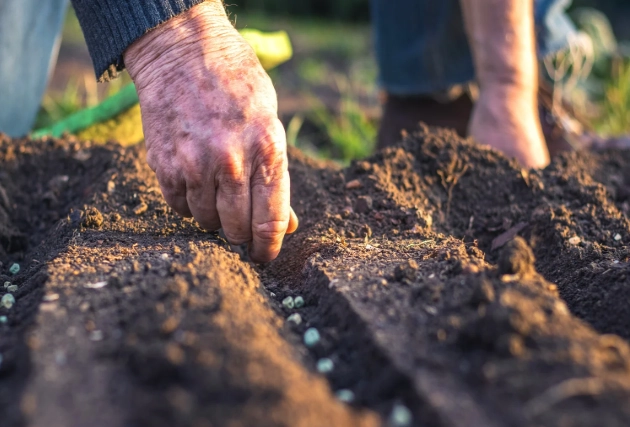
What We'll Cover
Why Sowing Seeds Correctly is Non-Negotiable
Think of sowing seeds as laying the foundation for a house. If the foundation is shaky, the whole structure suffers. Seeds contain all the genetic material needed for a plant, but they're vulnerable. A study by the Royal Horticultural Society points out that poor sowing techniques account for over 30% of gardening failures among beginners. It's not just about saving money on seeds; it's about time and emotional investment. When you sow correctly, you set roots—literally and metaphorically—for a garden that thrives with minimal intervention later.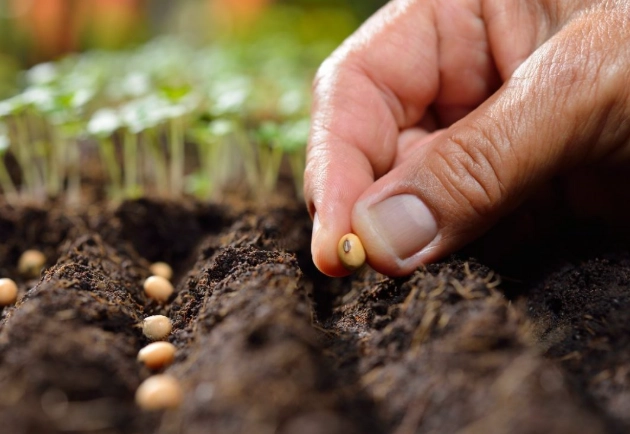
I've seen gardens where seeds were tossed haphazardly, resulting in patchy growth and constant pest issues. Conversely, a neighbor who meticulously sows her heirloom tomatoes every spring enjoys a bounty that lasts through fall. The difference? She treats sowing as a ritual, not a chore.
Your Foolproof Seed Sowing Blueprint
Let's break this down into actionable steps. Forget the vague advice; here's what actually works based on my decade of trial and error.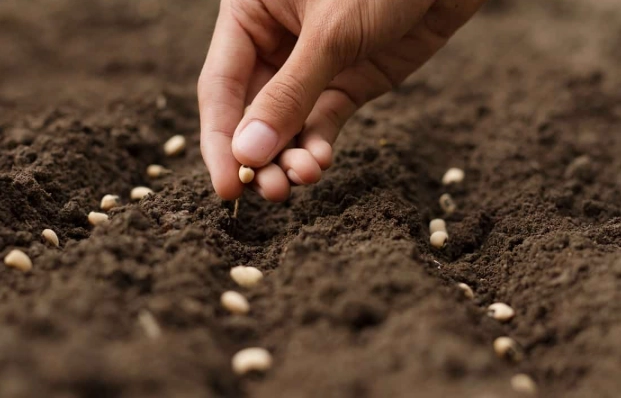
What You Actually Need (Not What the Store Sells)
You don't need fancy equipment. A trowel, some containers (old yogurt cups work), and quality seeds are enough. But here's the kicker: most people overlook seed starting mix. Garden soil is too dense for seeds. I use a mix of 50% coco coir, 30% compost, and 20% perlite. It drains well but holds moisture—critical for germination. A report from the University of California's Agriculture and Natural Resources division emphasizes the importance of sterile mixes to prevent damping-off disease, but I've found that adding a bit of compost introduces beneficial microbes without much risk if you keep things airy.
The Truth About Soil That Seed Packets Don't Tell You
Soil temperature matters more than air temperature. Seeds like lettuce germinate best at 55-65°F (13-18°C), while peppers need 75-85°F (24-29°C). I use a cheap soil thermometer; it's a game-changer. Also, pH isn't just for chemistry class. Most vegetables prefer a pH of 6.0 to 7.0. Test your soil with a kit from a local garden center. If it's off, adjust with lime (to raise pH) or sulfur (to lower it). I learned this after my beans struggled for years—turns out my soil was too acidic.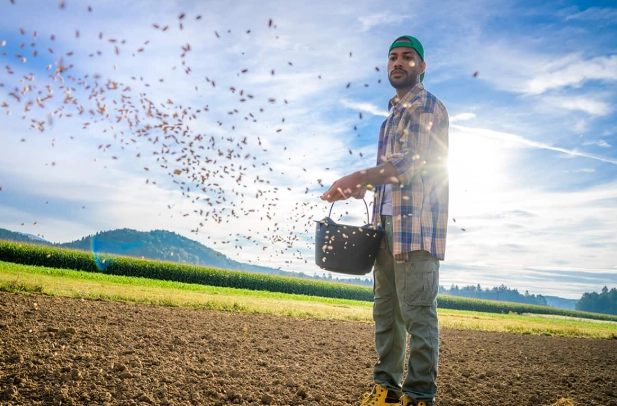
Hands in the Dirt: Sowing Methods Demystified
There are three main ways to sow: broadcasting, drilling, and hill sowing. Broadcasting (scattering) works for lawns or cover crops, but for vegetables, drilling (planting in rows) gives you control. Hill sowing is great for squashes—plant 3-4 seeds in a mound. Depth is crucial. A rule of thumb: plant seeds twice as deep as their diameter. But for tiny seeds like carrots, just press them into the surface and sprinkle a thin layer of soil. I use a ruler to avoid guessing; it sounds obsessive, but it prevents failures.
Watering after sowing is another pitfall. Use a fine mist spray to avoid displacing seeds. I water from the bottom by placing trays in a shallow water dish—this encourages roots to grow downward and keeps the surface dry, reducing mold risk.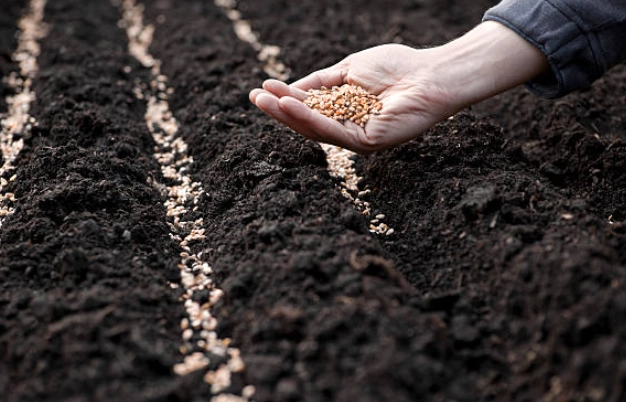
When to Sow: It's Not Just About the Calendar
Seed packets say "sow after last frost," but that's oversimplified. Frost dates vary by microclimate. I track soil temperature with that thermometer and watch for natural signs, like dandelions blooming (soil is around 50°F/10°C). For indoor sowing, timing is about transplant readiness. Tomatoes need 6-8 weeks indoors before moving outside. Start too early, and they get leggy; too late, and they won't fruit in time.
Here's a table I rely on for common vegetables in temperate zones:
| Vegetable | Indoor Start (Weeks Before Last Frost) | Direct Sow (Soil Temp) |
|---|---|---|
| Tomatoes | 6-8 | Not recommended |
| Lettuce | 4-6 | 40-75°F (4-24°C) |
| Carrots | Not recommended | 45-85°F (7-29°C) |
| Peppers | 8-10 | Not recommended |
| Beans | Not recommended | 60-85°F (16-29°C) |
Adjust based on your region. I'm in Zone 7, and I sow peas as soon as the soil can be worked, even if frost is still possible—they're cold-hardy.
5 Seed Sowing Mistakes I've Made So You Don't Have To
We all mess up. Here are my top blunders, so you can skip the frustration.
- Planting too deep: This is the number one killer. Seeds run out of energy before reaching light. For small seeds, barely cover them.
- Overwatering: Seeds need moisture, not a swamp. I lost a whole tray of basil to rot because I watered daily. Now, I check soil moisture by touch—it should feel like a wrung-out sponge.
- Ignoring light requirements: Some seeds need light to germinate (like petunias). If buried, they won't sprout. Read the packet carefully.
- Sowing old seeds: Seed viability drops over time. I test old seeds by placing a few on a damp paper towel; if less than 50% sprout in a week, toss them.
- Not labeling: It seems trivial, but when seedlings pop up, you'll forget what's what. Use popsicle sticks or waterproof markers. I once grew weeds for months thinking they were zinnias.
Each mistake cost me a season. Learn from them, and you'll save time and heartache.
Seed Sowing FAQs: From Germination Woes to Thinning Trials
Sowing seeds is a journey of small details adding up to big rewards. Start with a few easy crops like lettuce or radishes to build confidence. Remember, every gardener has failures—mine fill a notebook. But each misstep teaches something new. Grab some seeds, get your hands dirty, and watch life unfold from a tiny speck. It's worth the effort.
Reader Comments