Let's be honest. The most common mistake I see with new raised beds isn't the wood choice or the location. It's what goes inside. You don't just shovel in dirt from your yard or grab the first bags of "topsoil" you see. The soil in a raised bed is its entire universe—its pantry, its plumbing system, and its home. Get it wrong, and you're fighting an uphill battle with watering, nutrients, and plant health from day one.
I learned this the hard way years ago, filling my first bed with dense, clay-heavy native soil. My plants just sat there, stunted. The water pooled. It was a waste of time and money. Since then, after building dozens of beds for myself and clients, I've nailed down what actually works. This guide cuts through the noise. We'll talk about why raised bed soil is different, how to mix your own (it's cheaper and better), how to buy it smartly if you must, and the subtle errors even experienced gardeners make that slowly choke their plants.
What You'll Learn in This Guide
Why Raised Bed Soil is Different (and Why It Matters)
Think of a raised bed as a large, bottomless container. Unlike garden ground soil, which has a vast subsoil network, your raised bed soil is isolated. It needs to perform all functions perfectly within a limited space.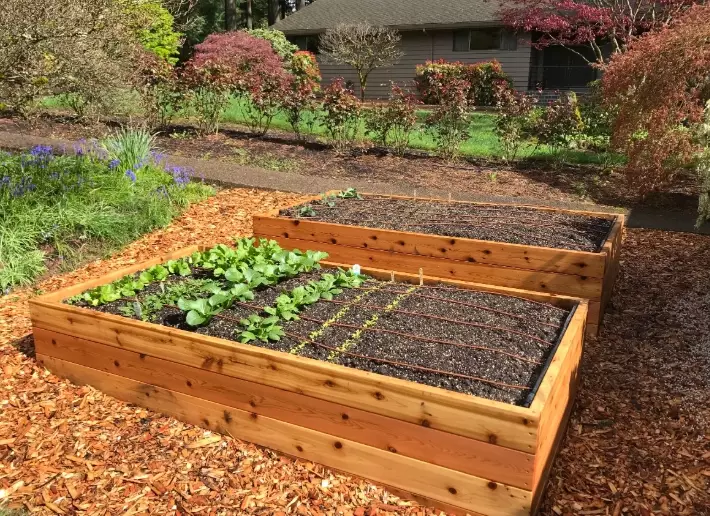
Drainage is Non-Negotiable. Water must flow through freely. Soggy soil rots roots and creates a toxic environment. That's why aeration amendments like perlite, coarse sand, or vermiculite are crucial—they create permanent air pockets.
It's a Nutrient Powerhouse on Demand. Plants are growing in a concentrated area, often more densely than in the ground. The soil must be rich in organic matter (compost) to feed microbes and release nutrients slowly. You can't rely on the native mineral soil to provide this.
Structure Over Everything. The ideal mix is light, fluffy, and crumbly. It should hold together when squeezed but break apart easily. This structure allows roots to penetrate effortlessly, water to infiltrate, and air to circulate. Bagged "garden soil" is often too fine and compacts over a single season.
How to Mix Your Own Raised Bed Soil (The "Perfect" Recipe)
Mixing your own is almost always cheaper for beds larger than 4x4 feet, and you control the quality. Forget complicated recipes. A reliable, versatile foundation is the 60-30-10 Rule by volume.
- 60% Bulk Base (The Body): This is usually screened topsoil or a good-quality garden soil. It provides mineral content and weight. Don't use clay-heavy soil from a construction site. Look for loamy topsoil.
- 30% High-Quality Compost (The Engine): This is your nutrient and microbial life source. Use a blend of sources if possible—aged manure, leaf mold, homemade compost, or commercial compost. One source alone might lack a full nutrient profile.
- 10% Aeration Amendment (The Lungs): This is the game-changer. Perlite is excellent and inexpensive. Coarse horticultural sand or vermiculite (better for water retention) work too. This prevents compaction.
Mix it thoroughly on a large tarp before filling your bed. For a 4x8 foot bed that's 1 foot deep, you need about 32 cubic feet of soil. That's roughly 19 cu ft topsoil, 10 cu ft compost, and 3 cu ft perlite.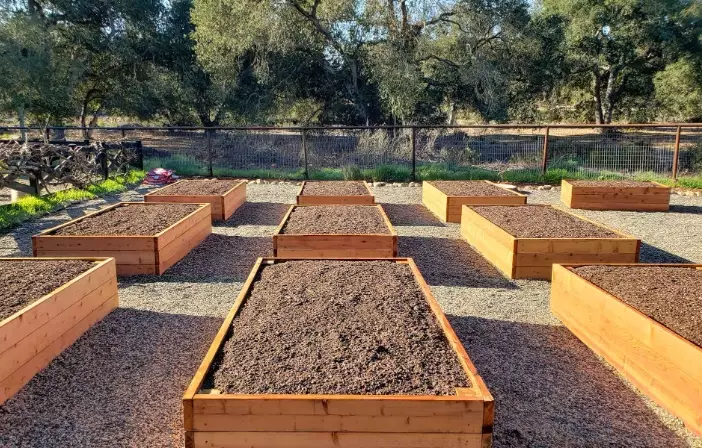
Adjusting the Recipe for Your Plants
The 60-30-10 is a starter. Tweak it based on what you grow.
- For Heavy Feeders (Tomatoes, Peppers, Squash): Boost the compost to 40% and ensure your compost includes nutrient-rich sources like manure.
- For Root Crops (Carrots, Radishes): Increase the aeration amendment to 15-20% and use finer, screened topsoil to allow straight root penetration.
- For a "No-Dig" Approach: Start with a thicker layer of compost (4-6 inches) on top of cardboard, then use a mix closer to 40% topsoil, 50% compost, 10% aeration. The compost layer becomes your initial fertilizer.
Buying Bagged Soil: A Practical Guide for When DIY Isn't an Option
For smaller beds or if you lack space to mix, bagged soil is fine. But the labels are confusing. Here’s what they really mean for raised beds.
| Product Name | What It Usually Is | Good for Raised Beds? | Approx. Cost per Cu Ft |
|---|---|---|---|
| Raised Bed Soil Mix | A pre-mixed blend of compost, topsoil, and often peat/coco coir. May contain perlite. | Yes, this is the ideal bagged choice. Formulated for container drainage and fertility. | $5 - $10 |
| Potting Mix | Soilless blend of peat moss, perlite, vermiculite. Very light and fluffy. | Can be used but is expensive for large beds. Lacks mineral soil. Best for pots. | $8 - $15 |
| Garden Soil | Typically topsoil with some compost added. Texture can be fine and may compact. | Not alone. You MUST mix it with 25-30% compost and 10% perlite for raised beds. | $2 - $4 |
| Topsoil | Just the mineral soil. Quality varies wildly from sandy to clay loam. | Only as a base ingredient. Never use alone. It's inert and will compact. | $1 - $3 |
| Compost | Decomposed organic matter. A soil amendment, not a complete soil. | Essential component, but not a standalone growing medium. | $3 - $6 |
My buying strategy: For filling a new bed, I buy bulk "raised bed mix" from a local landscape supply if possible—it's drastically cheaper by the cubic yard. For topping up or small projects, I'll buy bags of a reputable raised bed soil mix and maybe a bag of compost to boost it. I always check the bag: it should feel light and fluffy, not dense and heavy.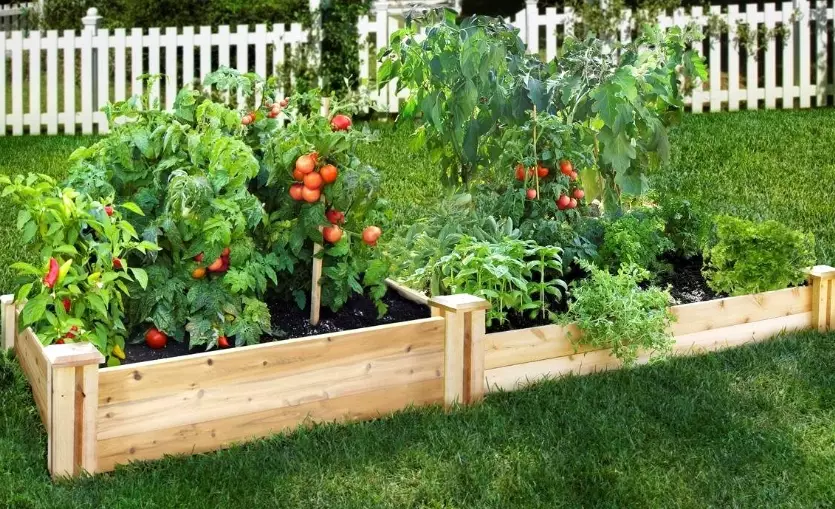
The Top 3 Costly Raised Bed Soil Mistakes (And How to Avoid Them)
These aren't the obvious "use bad soil" tips. These are the subtle errors that degrade your bed over time.
1. The "Layer Cake" Error. Many guides suggest layering logs, leaves, then soil to fill the bottom cheaply. This works... for a year. As those materials decompose, the entire soil level sinks 6 inches or more. Your plants' roots are suddenly buried in half-decomposed matter. If you use this "hugelkultur" method, do it only in very deep beds (over 24 inches) and expect settling. For standard 12-inch beds, just fill with your soil mix.
2. Ignoring the Annual Top-Up. Soil isn't static. Over a season, organic matter is consumed, soil compacts, and the level drops. If you just plant again next spring, you're starting with depleted, denser soil. The fix is simple: each fall or early spring, add a 1-2 inch layer of fresh compost and a sprinkle of aeration amendment (like perlite) and gently mix it into the top few inches.
3. Over-Reliance on Fertilizers Instead of Soil Health. Seeing yellow leaves and reaching for a liquid fertilizer is a band-aid. It feeds the plant directly but does nothing for the soil ecosystem. Your goal should be to feed the soil (with compost, worm castings, cover crops) so it can feed the plant. Healthy soil suppresses diseases and improves flavor. The University of California's Agriculture and Natural Resources department emphasizes building soil organic matter as a long-term strategy for plant health.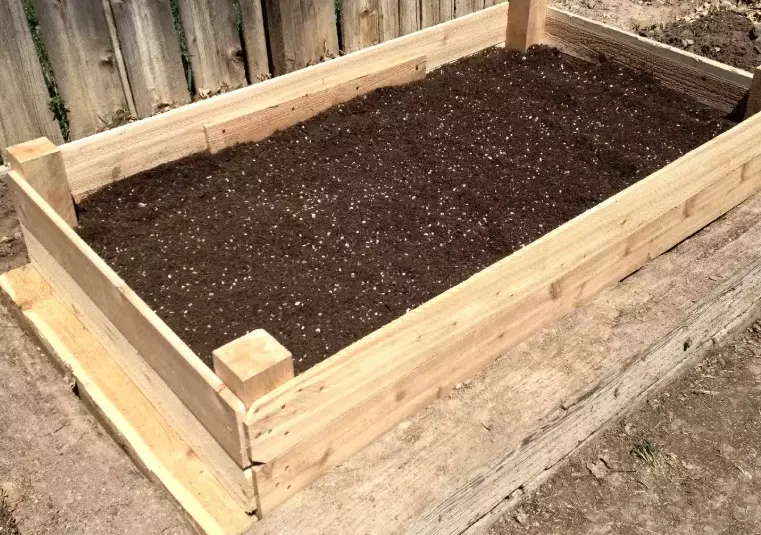
How to Refresh and Maintain Your Raised Bed Soil
Think of soil maintenance like servicing a car. A little regular care prevents a major breakdown.
At the end of each season, remove spent plants but leave the roots in if they're disease-free—they add organic matter as they decay. Add that 1-2 inch compost layer. If the soil feels hard, work in some perlite.
Consider planting a cover crop like winter rye or crimson clover in empty beds. You chop it down in spring and let it decompose, adding "green manure"—this is a pro move that dramatically boosts soil life.
Every 2-3 years, do a deeper refresh. Remove about the top one-third of the soil mix. Replace it with a fresh batch of your 60-30-10 mix. The old soil can be used in non-edible flower beds or composted.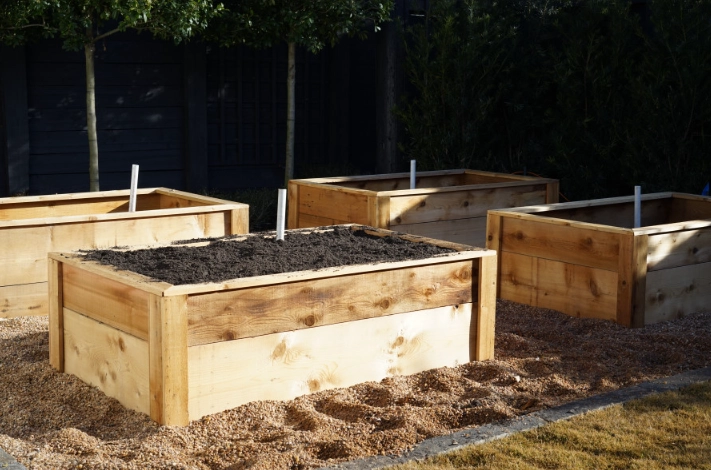
Your Raised Bed Soil Questions, Answered
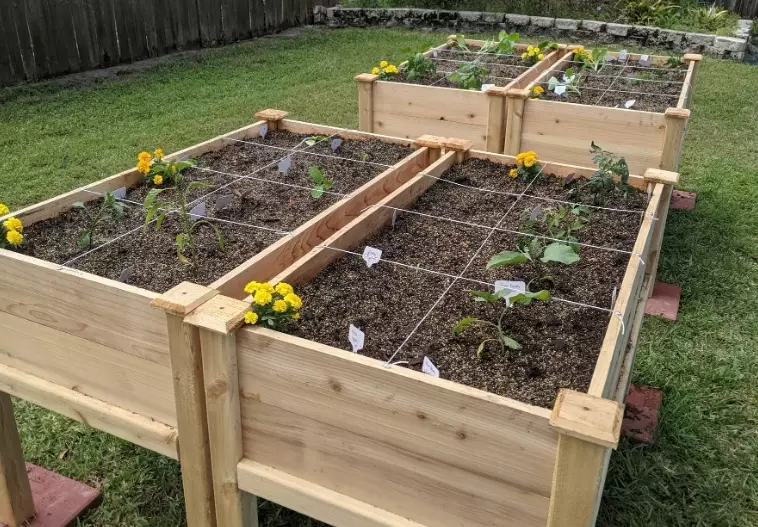
The right soil turns your raised bed from a wooden box into a vibrant, productive ecosystem. It's the one investment where cutting corners costs you more in water, fertilizer, and disappointment later. Start with a good mix, feed it with compost annually, and protect its structure. Your plants—and your harvest—will show the difference.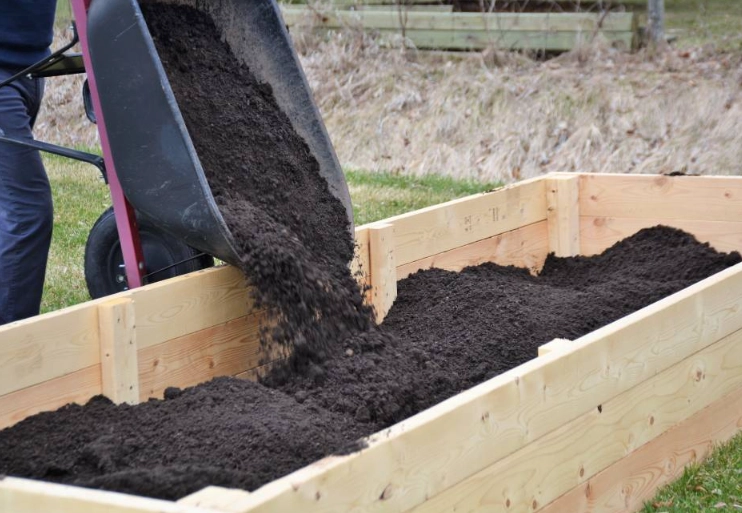
Reader Comments