You know that feeling in late winter? The seed catalogs are dog-eared, your fingers are itching to get in the dirt, but it's still weeks too early to start anything indoors. What if I told you there's a method that lets you start seeds outside, right now, with no grow lights, no heat mats, and almost no chance of killing your seedlings with overwatering? That's winter sowing. It's not a trendy hack; it's a back-to-basics technique that mimics nature perfectly. I've been using it for over a decade in my Zone 6b garden, and it transformed my spring from a stressful seedling nursery into a relaxed waiting game. Let's cut through the fluff and get into how it actually works.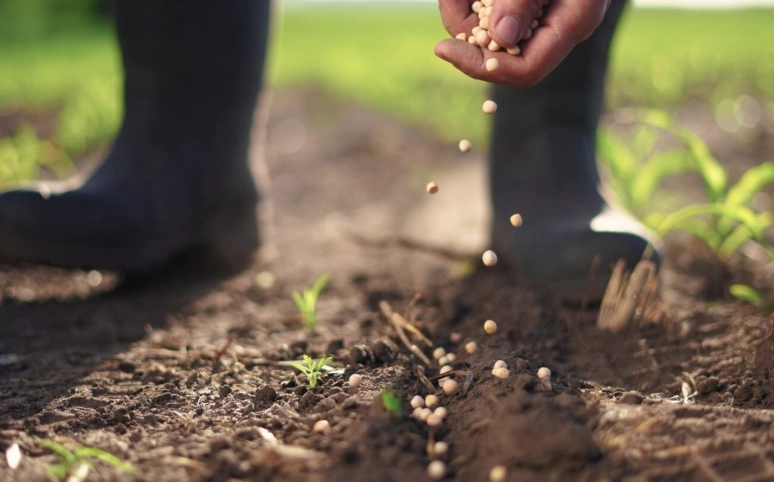
What You’ll Find in This Guide
- What Exactly Is Winter Sowing? (It’s Not What You Think)
- Why Winter Sowing Works: The Science in a Milk Jug
- Your Step-by-Step Winter Sowing Setup
- The Right and Wrong Seeds for Winter Sowing
- 3 Subtle Mistakes Even Experienced Gardeners Make
- What to Do When Spring Finally Arrives
- Your Winter Sowing Questions, Answered
What Exactly Is Winter Sowing? (It’s Not What You Think)
Most people hear "winter sowing" and picture someone scattering seeds on frozen ground. That's not it. Winter sowing is about creating miniature, unheated greenhouses from recycled containers—think milk jugs, plastic salad boxes, or takeout containers. You plant seeds inside these containers in late winter, seal them up, and place them outdoors. They stay there through the remaining frosts, snow, and thaw cycles. The container protects the seeds from washing away or being eaten, but lets in rain and snowmelt. The seeds germinate when they are good and ready, based on temperature and daylight, not on our impatient human calendars.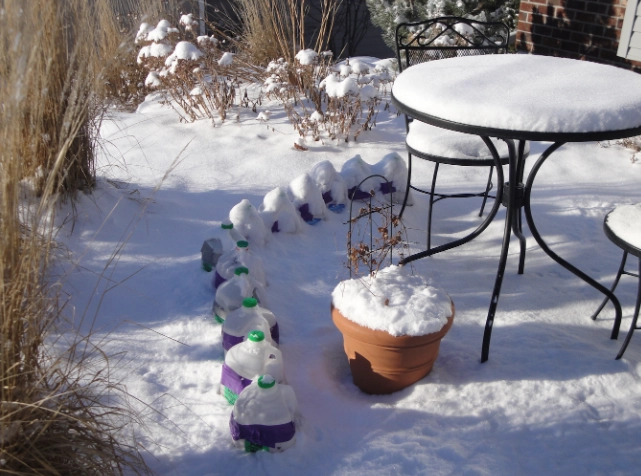
The biggest misconception? That you need a mild winter. Not true. This method was pioneered in the northern US. The repeated freezing and thawing (a natural process called cold stratification) actually breaks dormancy for many perennial and hardy annual seeds. It's the key to success for things like milkweed, echinacea, and poppies that often fail with indoor starting.
Why Winter Sowing Works: The Science in a Milk Jug
Think of your milk jug as a tiny, self-regulating ecosystem. The plastic top acts like a cold frame, trapping solar warmth during the day. At night, it prevents frost from directly hitting the soil. The drainage holes you poke in the bottom prevent waterlogging. This environment creates the ideal conditions for hardy seeds: moist but not soggy, protected but not coddled.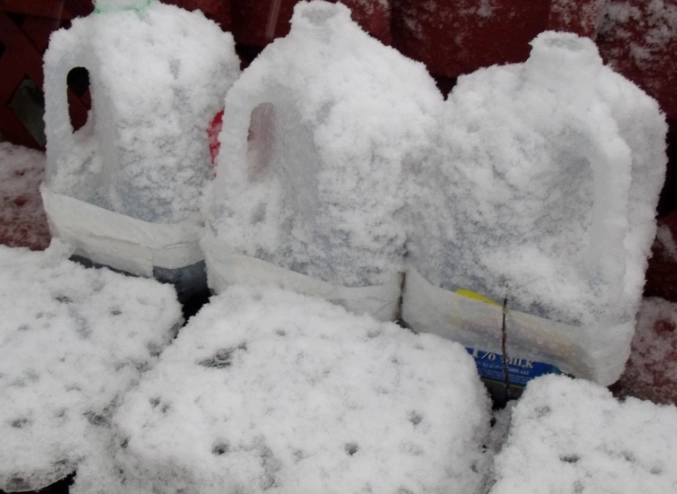
The Expert Angle: The single biggest benefit isn't just ease—it's the quality of the plants. Winter-sown seedlings are hardened off from day one. They develop sturdier stems, deeper roots, and a resilience to sun, wind, and temperature swings that indoor-started seedlings can only dream of. You're essentially growing little tank plants. I've transplanted winter-sown tomatoes on a windy, 50-degree day, and they didn't even wilt.
Your Step-by-Step Winter Sowing Setup
Let's get practical. You can start this weekend. Here’s my tried-and-true process, refined after a few messy early attempts.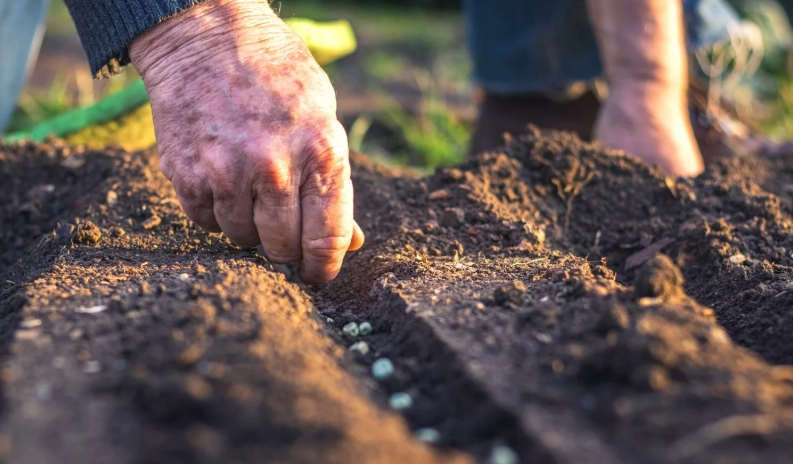
Gathering Your Supplies
You don't need much. Raid your recycling bin.
- Containers: Clear or translucent plastic is best. 1-gallon milk/water jugs are the gold standard. Also good: liter soda bottles, clear plastic salad/clamshell containers, large takeout soup containers. Avoid colored plastic.
- Cutting Tool: Sharp scissors or a box cutter.
- Duct Tape or Packing Tape: For sealing.
- Drill or Screwdriver/Soldering Iron: To make drainage holes. A heated metal skewer works wonders.
- Potting Mix: Use a light, sterile seed-starting mix. Do not use garden soil or heavy potting soil—it stays too wet and compacts.
- Seeds: We'll cover which ones in a second.
- Watering Can & Permanent Marker.
The Assembly Line Process
For a milk jug (the most common vessel):
- Clean it. Rinse well. Remove the cap.
- Cut it. Using scissors, start cutting around the jug about 4 inches up from the bottom. Leave a small "hinge" of about an inch uncut, right below the handle. This keeps the top attached so it doesn't blow away.
- Drain it. Poke or melt 8-10 small holes in the bottom half for drainage.
- Fill it. Add 3-4 inches of moistened potting mix. Don't use dry mix—it repels water initially.
- Sow it. Sow your seeds according to their depth instructions (usually just pressed into the surface for many hardy seeds). Label the inside of the jug with a permanent marker AND put a plant tag in the soil. Sun fades the marker on plastic faster than you think.
- Seal it. Tape the cut closed around the entire circumference with duct tape. This keeps critters out and moisture in.
- Water it. Water gently through the open top. The soil should be damp like a wrung-out sponge.
- Place it. Put your jugs outside in a spot that gets sun and rain. Against a south-facing wall is ideal. Don't put them in a garage or shed—they need exposure to the elements.
And then... you walk away. Seriously. Check on them after a big snowstorm to make sure the tops aren't collapsed, but otherwise, let nature run its course.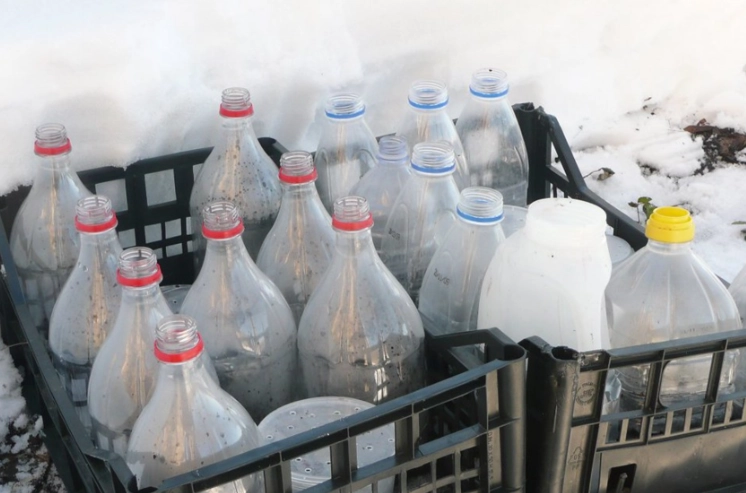
The Right and Wrong Seeds for Winter Sowing
This is the make-or-break factor. Winter sowing is perfect for seeds that require or tolerate cold. It's a disaster for heat-loving tropicals.
The Micro-Mistake: Gardeners see "sow outdoors after last frost" on a packet and think it's a candidate. Often, it's not. That instruction usually means the seed needs warm soil. Look instead for phrases like "sow in fall," "requires pre-chilling," "cold stratification," "hardy annual," or "perennial."
| Excellent Candidates (Sow in Jan-Mar) | Good Candidates (Sow in Late Winter/Early Spring) | Poor Candidates (Wait & Sow Indoors/Warm Soil) |
|---|---|---|
| Native wildflowers (Milkweed, Coneflower) | Lettuces, Spinach, Kale | Tomatoes, Peppers, Eggplant |
| Hardy perennials (Delphinium, Columbine) | Broccoli, Cabbage, Brussels Sprouts | Basil, Zinnias, Marigolds |
| Cold-loving annuals (Poppies, Larkspur) | Parsley, Cilantro, Dill | Cucumbers, Melons, Squash |
| Many herbs (Lavender, Chives, Sage) | Snapdragons, Pansies, Violas | Beans, Corn |
A personal favorite? Lettuce. I sow a jug of mixed lettuce in February. By the time I'm itching for fresh greens in April, I have a jug full of baby lettuce, ready to harvest as cut-and-come-again, weeks before my direct-sown bed is ready.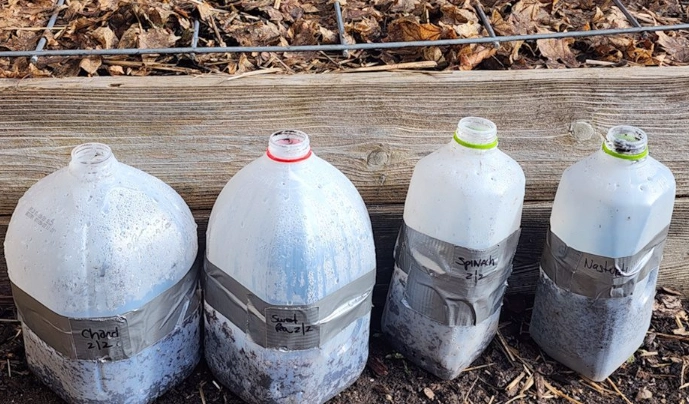
3 Subtle Mistakes Even Experienced Gardeners Make
After mentoring dozens of new winter sowers, I see the same pitfalls.
1. The "Peek-a-Boo" Problem: You get curious in March, see a few sprouts, and rip the tape off to "give them air." Big mistake. Those seedlings are acclimated to 90% humidity inside their jug. Exposing them suddenly to dry spring air shocks and often kills them. Leave the tape on until the seedlings are pushing against the top consistently.
2. Soil Soup: Using a dense, moisture-retentive potting soil without enough drainage holes. The jug sits in a puddle, the seeds rot. The mix must be loose and fast-draining. I add extra perlite to my seed mix for winter sowing.
3. Wrong Place, Wrong Time: Putting jugs in full, blazing sun in a heatwave in May and forgetting to water. Once the seedlings are large and the lid is off, the small soil volume can dry out fast. Move them to a spot with afternoon shade if a heat spike hits, and check moisture daily.
What to Do When Spring Finally Arrives
Your jugs have been out all winter. Now it's April or May, and they're a jungle of green. What next?
- The Gradual Opening: On a warm, cloudy day, cut the tape completely and prop the top open. Let the plants adjust to lower humidity for a few days.
- Top Removal: After a week, you can cut the top off entirely if the weather is mild.
- Transplanting: This is the beautiful part. You don't have to wait for a "hardening off week." These plants are already hardened. Transplant them into the garden on an overcast day or in the evening. Water them in well. They might look a bit shocked for a day, but they bounce back incredibly fast compared to greenhouse seedlings.
I keep a few jugs of tough annuals like snapdragons as "container gardens" themselves, just thinning the seedlings and letting them bloom right in the jug placed on my patio.
Your Winter Sowing Questions, Answered
Give it a try with just one milk jug this year. Sow some native flower seeds or a bit of lettuce. The low effort and high reward might just convince you to ditch the grow light setup for good, at least for a big chunk of your garden. It’s the closest thing to gardening on autopilot, and the results speak for themselves.
Reader Comments