Planting carrots at the right time is the difference between a crunchy, sweet harvest and a disappointing batch of forked, woody roots. Based on my decade of vegetable gardening, I can tell you that most beginners get this wrong by focusing too much on calendar dates and not enough on soil temperature and local climate. Let's cut through the noise: carrots thrive when sown in cool soil, ideally between 45°F and 85°F (7°C to 29°C), but the exact timing varies wildly by region. In this guide, I'll walk you through everything from spring and fall planting windows to the subtle mistakes that ruin crops, so you can grow perfect carrots every time.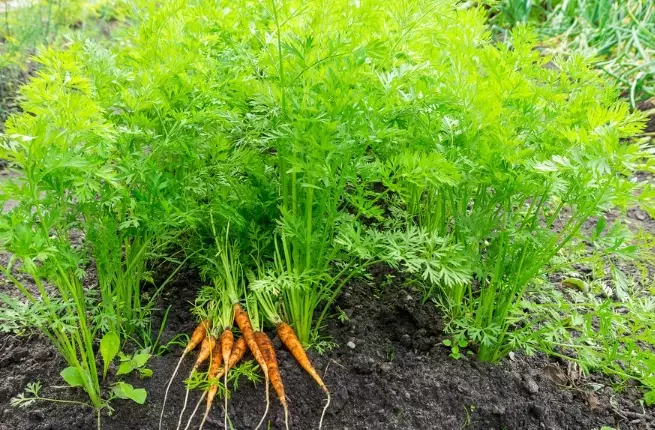
What You'll Learn in This Guide
Understanding Carrot Planting Seasons
Carrots are cool-season crops, meaning they prefer mild temperatures for germination and growth. Many gardeners think you only plant them in spring, but fall planting often yields sweeter carrots because of cooler temps. Here's the breakdown.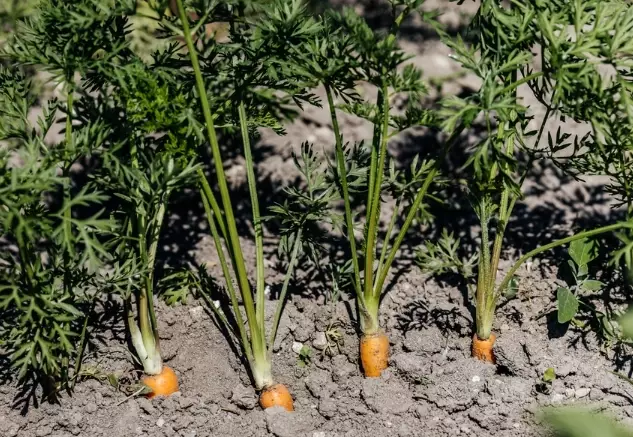
Spring Planting for Carrots
Spring is the classic time to plant carrots, but timing is tricky. Sow seeds 2 to 4 weeks before your last expected frost date. In my garden in Zone 6, that's around mid-March. The soil should be workable—not soggy—and above 45°F. A common error? Planting too early in cold, wet soil. Seeds rot instead of sprouting. I learned this the hard way when I lost a whole batch to a late frost after getting eager in February.
Fall Planting for Carrots
Fall planting is a secret weapon for extended harvests. Plant carrots 10 to 12 weeks before your first fall frost. In warmer zones like 8 or 9, you can plant in late summer for a winter crop. The key is to ensure seeds germinate before temps drop below 40°F. I've had success with varieties like 'Napoli' for fall, as they mature quickly and sweeten after a light frost.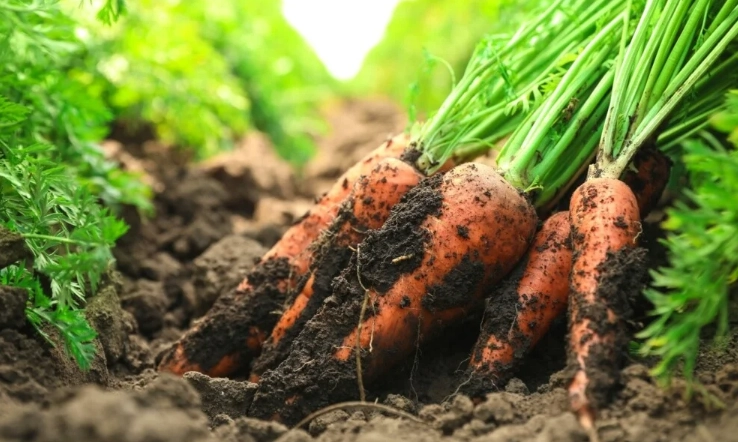
How to Determine the Best Planting Time in Your Region
Forget generic advice; your local climate dictates when are carrots planted. Use your USDA hardiness zone as a starting point, but also monitor soil conditions. Here's a table based on data from the University of California's Agriculture and Natural Resources guides, which I've adapted from years of trial and error.
| USDA Zone | Spring Planting Window | Fall Planting Window | Notes |
|---|---|---|---|
| Zones 3-4 | Late April to May | July to early August | Short growing season; use early varieties. |
| Zones 5-6 | Mid-March to April | August to September | Ideal for succession planting. |
| Zones 7-8 | February to March | September to October | Watch for early heat waves. |
| Zones 9-10 | January to February | October to November | Plant in cool seasons; avoid summer. |
If you're unsure, check your local extension office—like the ones run by state universities—for specific planting calendars. I rely on the Oregon State University Extension Service for Pacific Northwest tips.
Step-by-Step Guide to Planting Carrots Successfully
Timing is just one piece. Here's how to plant carrots so they actually grow, drawn from my own garden routines.
Step 1: Soil Preparation
Carrots need loose, well-drained soil. If your soil is heavy clay, like mine was when I started, amend it with compost or sand to a depth of 12 inches. Remove rocks and debris to prevent forking. A pH of 6.0 to 6.8 is ideal—test your soil with a kit from a garden center.
Step 2: Sowing Seeds
Sow seeds directly outdoors, about 1/4 inch deep and 2 inches apart. I mix seeds with sand to avoid overcrowding. Water gently and keep soil moist until germination, which takes 1 to 3 weeks. Don't transplant carrots; they hate disturbance.
Step 3: Care and Maintenance
Thin seedlings to 3 inches apart when they're 2 inches tall. Mulch to retain moisture and suppress weeds. Water consistently—about 1 inch per week—but avoid overwatering, which causes splitting. I use a drip irrigation system to keep things steady.
Step 4: Harvesting
Harvest when carrots reach desired size, usually 60 to 80 days after planting. For fall crops, you can leave them in the ground under mulch for sweeter roots after frost.
Common Mistakes and How to Avoid Them
Most guides skip the nuanced errors. From my experience, here are the top pitfalls.
Mistake 1: Ignoring Soil Temperature
Planting when soil is below 45°F leads to poor germination. Use a soil thermometer—it's a game-changer. I check it for a week before sowing.
Mistake 2: Sowing Too Deep
Carrot seeds are tiny. Planting deeper than 1/2 inch reduces germination rates. I scatter seeds on the surface and lightly rake them in.
Mistake 3: Over-fertilizing
High nitrogen fertilizers cause lush tops but stunted roots. Use a balanced, low-nitrogen mix or just compost. I've seen gardens ruined by this.
FAQ: Expert Answers to Your Carrot Planting Questions
Planting carrots isn't just about dates; it's about tuning into your garden's rhythm. Start with these tips, adjust based on your local conditions, and don't be afraid to experiment. Happy growing!
Reader Comments