That first hard frost doesn't have to be the end of your garden. For years, I watched my basil turn black and my lettuce vanish, thinking gardening was a six-month hobby. Then I built my first cold frame from some scrap wood and an old storm window. It changed everything. Suddenly, I was picking spinach in December and starting seedlings in March while my neighbors' gardens were still frozen mud. A DIY cold frame is the most effective, low-cost tool for extending your growing season, and you don't need to be a master carpenter to build one.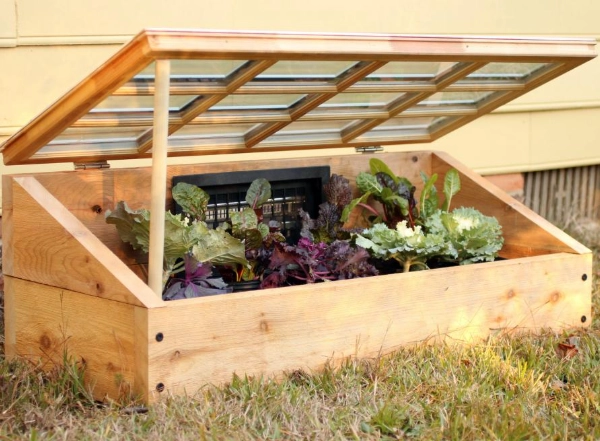
Let's get straight to it. A cold frame is a simple, bottomless box with a transparent, sloped lid. It sits on the ground, trapping solar heat and protecting plants from wind and frost. It's like a mini-greenhouse for your backyard.
What's Inside?
Why Build a Cold Frame?
Most gardeners think of a cold frame as just a season extender. It is, but the benefits go way deeper.
- Save Money: Start your own seeds instead of buying expensive transplants. Grow salad greens through winter instead of paying $5 for a small bag.
- Grow Better Plants: Hardening off seedlings is less stressful in a cold frame compared to moving trays in and out every day. This leads to stronger, healthier plants.
- Extend Your Season: This is the big one. Get an earlier start in spring and keep harvesting through fall and even winter.
Materials and Tools
Here's what you'll need. The beauty of this project is its flexibility. You can adjust dimensions based on available lumber or old windows.
| Material | Quantity | Notes |
|---|---|---|
| Pressure-treated lumber (2x4) | 4 pieces (8 ft long) | For the frame. PT lumber is rot-resistant. |
| Plywood (1/2 inch) | 1 sheet (4x8 ft) | For the back and sides. |
| Polycarbonate sheets (8 mm) | 2 sheets (4x8 ft) | For the lid. Twin-wall is best. |
| Hinges | 4 | Heavy-duty ones for the lid. |
| Handle | 1 | For easy opening. |
| Prop stick | 1 | To keep the lid open. |
You'll also need a drill, screws, a saw, and safety glasses.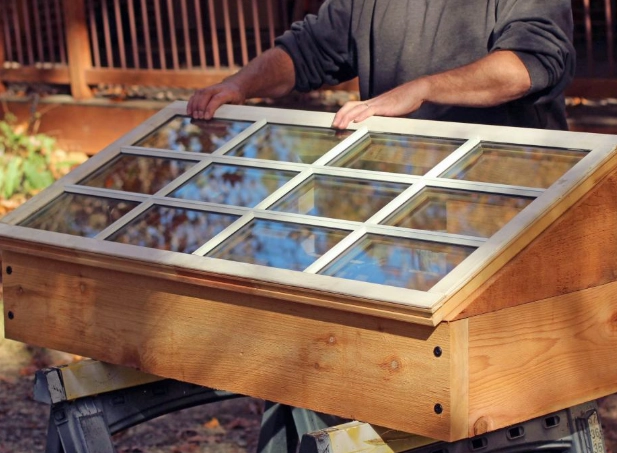
Step-by-Step Construction
Let's build it! Follow these steps carefully.
1. Cut the Lumber
Cut the 2x4s to size for the frame. You'll need four pieces for the base and four for the lid frame.
2. Assemble the Base
Assemble the base frame using screws. Make sure it's square.
3. Attach the Plywood
Cut the plywood to size and attach it to the back and sides of the frame. The front will be left open for ventilation.
4. Build the Lid
Assemble the lid frame and attach the polycarbonate sheets. Use screws with washers to prevent cracking.
5. Attach the Hinges
Attach the hinges to the back of the lid and then to the back of the cold frame.
6. Add the Handle and Prop Stick
Attach the handle to the front of the lid. Cut a prop stick to the desired length.
How to Use Your Cold Frame
Now that your cold frame is built, here's how to make the most of it.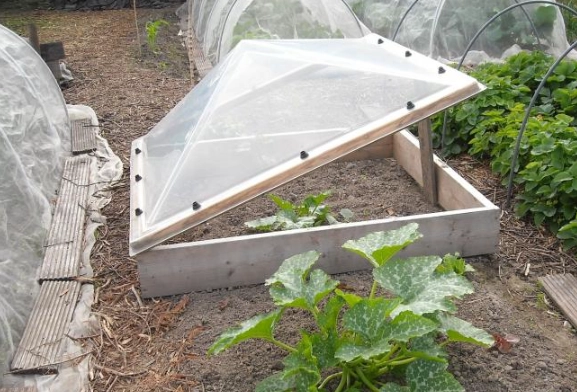
Choosing the Right Location
Place your cold frame in a sunny, south-facing spot. Avoid low-lying areas where cold air collects.
What to Grow
Here are some great plants for your cold frame:
- Spring: Lettuce, spinach, radishes, carrots
- Summer: Start seeds for fall crops
- Fall: Kale, chard, beets
- Winter: Overwintering perennials, hardy herbs
Pro Tip: On sunny days, prop the lid open to prevent overheating. On cold nights, close it early to trap heat.
Troubleshooting
Even with the best plans, issues can arise. Here's how to handle common problems.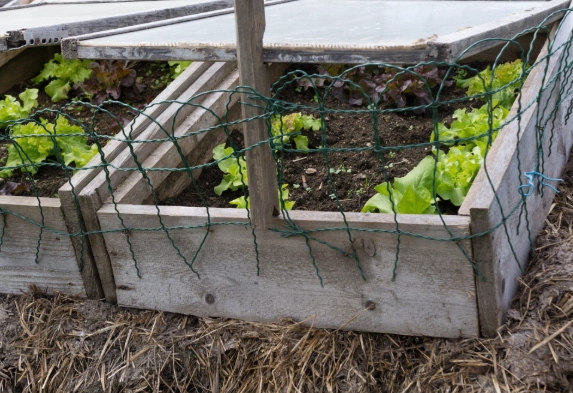
Condensation
Condensation on the lid is normal. It helps maintain humidity. If it's excessive, increase ventilation.
Pests
Slugs and snails love cold frames. Use organic slug bait or hand-pick them regularly.
Wind Damage
Secure your cold frame to the ground with stakes or weights to prevent it from blowing over.
Warning: Always wear safety glasses when cutting wood or polycarbonate. Flying debris can cause serious eye injury.
Frequently Asked Questions
What's the biggest mistake people make when building their first DIY cold frame?
The most common and costly error is neglecting ventilation. A cold frame is a solar heater. On a sunny 40°F (4°C) day, the interior temperature can soar past 80°F (27°C) in minutes, literally cooking your plants. The rookie move is building a solid, sealed lid. You absolutely need a propped-open lid, sliding vents, or an automatic vent opener. I learned this the hard way with a tray of perfectly good lettuce seedlings.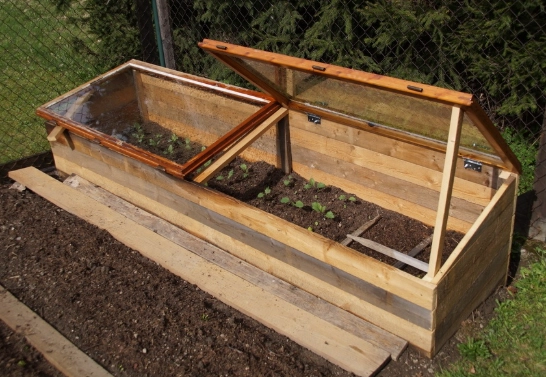
Can I use old windows for a cold frame, and what should I watch out for?
Old windows are a classic choice, but they come with baggage. Lead paint is a serious concern for pre-1978 windows—sand it off safely or seal it completely. Single-pane glass is fragile and provides less insulation; double-paned is better but heavier. The real issue is weight. A large wooden sash window can be incredibly heavy, making your lid dangerous to open. Consider using it as a template to build a lighter frame with twin-wall polycarbonate, which is safer, lighter, and offers better insulation.
How do I keep my DIY cold frame from blowing away in strong winds?
Anchoring is non-negotiable. Simply placing it on the ground isn't enough. For a permanent spot, drive 12-18 inch (30-45 cm) stakes or rebar through pre-drilled holes in the bottom frame into the ground. For a mobile cold frame you want to move seasonally, use heavy-duty tent stakes and guy lines secured to the corners. Another pro tip: orient the long side perpendicular to your area's prevailing winter winds. The sloped lid should face south, but aligning the structure this way presents a smaller profile to the wind.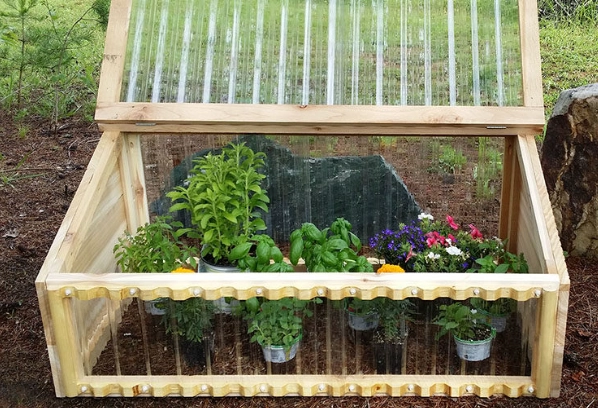
What can I actually grow in a cold frame during winter?
Focus on cold-hardy greens and roots that tolerate frosty nights. Your winter workhorses are spinach, kale, mache (corn salad), claytonia, and certain varieties of lettuce like 'Winter Density'. You can also overwinter root vegetables like carrots, beets, and parsnips for sweet, fresh harvests. Don't try tomatoes or peppers—they need consistent heat. Think of it as a refrigerator, not a greenhouse. Start seeds of cool-season crops like broccoli and cabbage 4-6 weeks earlier than your last frost date. The key is managing your expectations; growth slows dramatically in deep winter, but the harvest is incredibly rewarding.
Reader Comments