I remember my first carrot harvest. After months of waiting, I pulled up a handful of green tops only to find a sad collection of forked, stumpy orange roots. Some were hairy. One looked like it had tried to tie itself in a knot. It was a classic rookie failure, and it taught me more than any book ever could. Carrots have a reputation for being tricky, but it's not magic. It's physics and patience. Once you understand what that little seed needs to push down and swell up, you can grow carrots that are sweeter than any from the store.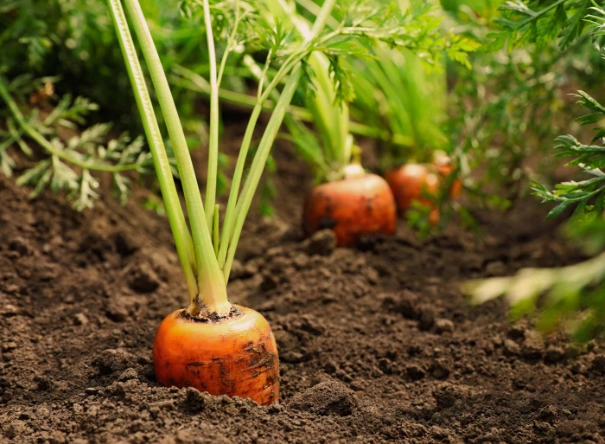
This guide is the one I wish I'd had. We're going past the basic "plant in loose soil" advice and into the specifics that make the difference between a disappointing handful and a basketful of crisp, sweet success.
What’s Inside This Carrot Growing Guide?
How to Prepare Your Garden Bed for Carrot Success
Let's be blunt: if you skip this step, you'll get those forked, stunted carrots. The goal isn't just "loose" soil. It's deep, uniform, stone-free, and not too rich.
Carrots are root vegetables. They expand straight down. Any obstacle—a clod of clay, a pebble, a chunk of uncomposted manure—forces the root to divert around it. That's what causes forking.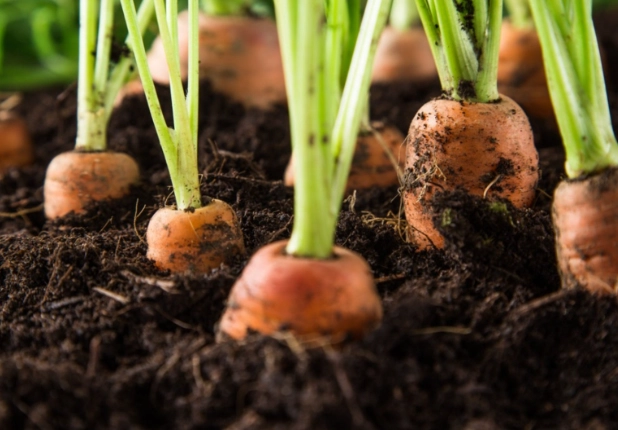
Here's my bed preparation routine, honed over years of trial and error:
- Choose a Sunny Spot: At least 6-8 hours of direct sun. Less sun equals smaller, slower-growing roots.
- Dig Deep: Use a garden fork to loosen the soil to a depth of at least 12 inches. Don't just turn it over; break up the subsoil. If you have heavy clay, consider building a raised bed. It's a game-changer.
- Remove the Rocks: Seriously, sift through it. Every pebble bigger than a pea is a potential fork point.
- Create a Fine Tilth: The top 2-3 inches should be fine, crumbly, and free of large clumps. Rake it smooth. Your seed bed should look like a well-prepared seed tray.
I learned this the hard way. One season, I was lazy and only loosened the top 8 inches of a clay-heavy bed. The carrots grew fine until they hit that compacted layer, then they all fanned out sideways. Total waste.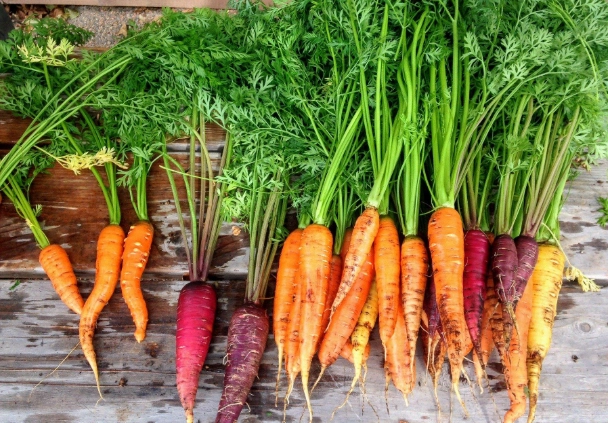
What Are the Best Carrot Varieties for Home Gardens?
Not all carrots are the long, tapered "Imperator" types you see in supermarkets. Choosing the right variety for your soil and season is a huge, often overlooked, advantage.
| Type | Best For | Key Varieties & Notes |
|---|---|---|
| Danvers / Nantes | Beginner gardens, heavier soils. Shorter and stumpier than Imperators, more forgiving. | 'Danvers 126': Classic, reliable, stores well. 'Nelson': Sweet, coreless, great for fresh eating. My personal favorite for flavor. |
| Chantenay | Shallow, rocky, or container soils. Broad shoulders, taper to a point. Great for cooking. | 'Red Cored Chantenay': Heirloom with excellent flavor. 'Kuroda': Sweet and sturdy, good for storage. |
| Imperator | Deep, sandy, perfect soil. The long, classic supermarket carrot. Needs ideal conditions. | 'Sugarsnax 54': Exceptionally sweet, but needs deep soil. A challenge, but rewarding. |
| Round / Mini | Containers, shallow beds, kids' gardens. Grow quickly and don't need depth. | 'Paris Market': Little round balls, perfect for pots. 'Little Finger': Small, sweet, mature fast. |
For a continuous harvest, don't plant all your seeds at once. Sow a short row every 2-3 weeks from early spring until midsummer. According to planting guides from university extensions like the University of California Cooperative Extension, succession planting is key for avoiding a glut and having carrots over a longer season.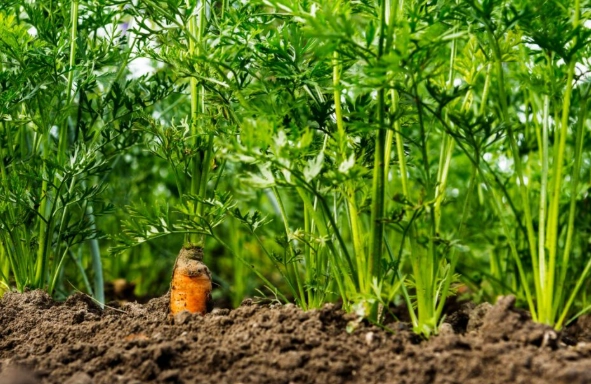
Sowing Mastery: From Seed to Seedling
This is the stage where most people fail. Carrot seeds are tiny. They have a hard time pushing through crusty soil, and they need constant moisture to germinate, which can take up to three weeks.
The Foolproof Sowing Method
Forget scattering seeds. You'll get a tangled mess that's impossible to thin.
- Make a Shallow Furrow: About 1/4 to 1/2 inch deep. I use the handle of my rake.
- Water the Furrow First: This is critical. Water it until the soil is damp deep down. This gives seeds immediate moisture.
- Sow Sparingly: Try to space seeds about 1/2 inch apart. Mixing seeds with dry sand can help you see and space them better.
- Cover Gently: Use a dry, fine soil mix or vermiculite to cover the seeds. It won't crust over as easily.
- The Board Trick: This is the old-timer's secret. Lay a board over the seeded row. It keeps the soil moist, dark, and cool. Check under it every 3 days. The second you see the first white sprout, remove the board and provide gentle light.
Thinning: The Hardest but Most Important Task
Once seedlings are about 2 inches tall, you must thin them. Crowded carrots compete for space and nutrients, resulting in a bed of tiny, misshapen roots.
Gently pull out the weakest seedlings, leaving the strongest ones spaced 2 to 3 inches apart. Yes, it feels wasteful. But one carrot every 3 inches is better than ten carrots the size of your pinky. Do it on a damp day or water the bed first to make pulling easier and disturb the keepers less.
Ongoing Care and the Perfect Harvest
Once past the seedling stage, carrots are relatively low-maintenance.
Watering: This is your main job. Carrots need consistent moisture. Inconsistent watering—dry spells followed by heavy soaking—is what causes roots to crack or split. Aim for about 1 inch of water per week, delivered slowly and deeply. A soaker hose or drip irrigation is ideal. Mulching with straw or shredded leaves helps retain this moisture and keeps weeds down.
Weeding: Weed carefully by hand when weeds are small. Carrot roots are shallow and easily disturbed.
Pests: The main foe is the carrot rust fly. Its maggots tunnel into roots. The best prevention is physical: cover your carrot bed with a fine insect mesh (row cover) immediately after sowing, sealing the edges. Research from agricultural bodies like the Royal Horticultural Society confirms this as the most effective organic method.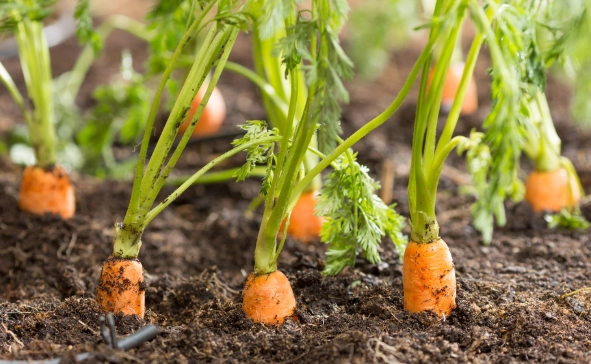
How and When to Harvest
You can start harvesting "baby" carrots whenever they look big enough to eat. For full-sized carrots, check the seed packet for "days to maturity" as a guide.
The real trick? Look at the carrot's shoulder. Gently brush away soil from the top of the root. If the diameter looks good (about 3/4 to 1 inch for most varieties), give one a gentle pull. If it resists, the roots might need more time.
The best carrots are often harvested after a few light frosts in the fall. The cold triggers the plant to convert starches to sugars, making them incredibly sweet. For winter storage, harvest all carrots before a hard freeze, twist off the tops (don't cut them, it can cause rot), brush off excess soil, and store in a cool, humid place like a refrigerator crisper or a bucket of damp sand in a cold cellar.
Reader Comments