Let's talk about a gardening hack that sounds almost too good to be true. Imagine growing tomatoes, cucumbers, and herbs without ever turning soil, pulling weeds, or dealing with poor drainage. That's the promise of hay bale gardening. It's not a fad—it's a legit, revolutionary method that turns a simple bale of hay or straw into a self-contained, nutrient-rich, raised garden bed. I switched to it a few seasons ago after a back injury made traditional gardening a chore, and I haven't looked back.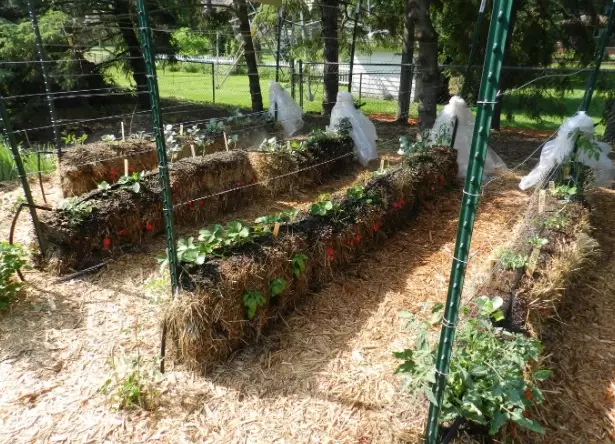
What's Inside This Guide?
- What Exactly is Hay Bale Gardening?
- Why Choose Hay Bale Gardening? The Top 5 Benefits
- How to Start Your Hay Bale Garden: A 14-Day Conditioning Guide
- Planting and Care: What to Grow and How to Keep It Thriving
- Common Problems and Expert Solutions
- Is Hay Bale Gardening Right for You? The Honest Verdict
What Exactly is Hay Bale Gardening?
At its core, hay bale gardening is a form of container gardening where the container is a bale of hay or straw. You don't plant in the ground, you plant on top of the bale. The magic happens through a process called "conditioning." Over about two weeks, you feed the bale with nitrogen (usually from a high-nitrogen organic fertilizer) and keep it soaked with water. This kickstarts an internal composting process. Microbes get to work, breaking down the hay from the inside out, generating heat, and transforming the bale into a warm, fertile, spongy mass perfect for plant roots.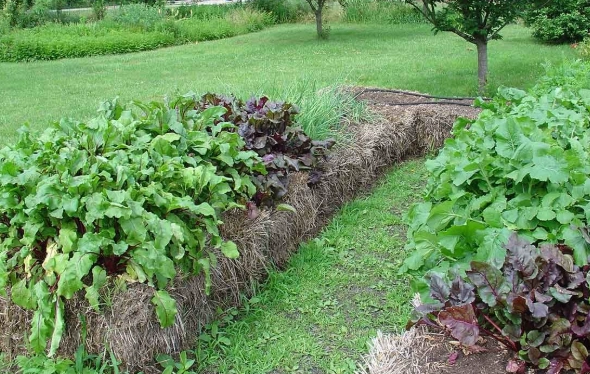
Why Choose Hay Bale Gardening? The Top 5 Benefits
Why go through the trouble of conditioning a bale? The perks are substantial, especially if you've struggled with traditional plots.
No Digging, No Tilling, No Weeding. This is the biggest sell. You place the bales on any surface—concrete, gravel, poor soil, even a balcony. The initial weed pressure is minimal compared to soil, saving you countless hours.
Fantastic Drainage and Aeration. Plant roots love oxygen. The loose structure of a decomposing bale provides perfect drainage, preventing root rot—a common killer in heavy clay soils.
Warmer Soil, Earlier Harvests. The composting process generates gentle, residual warmth. This gives you a head start in spring. I've planted tomatoes two weeks earlier in my bales than my neighbors did in their ground soil.
Accessibility. At about 18 inches high, bales bring the garden to you. No more bending or kneeling. It's a game-changer for anyone with mobility issues or back pain.
Built-In Compost. At the end of the season, the bale collapses into beautiful, finished compost. You recycle it into other garden beds, completing the cycle with zero waste.
How to Start Your Hay Bale Garden: A 14-Day Conditioning Guide
This is the crucial step most guides gloss over. Conditioning isn't optional; it's what makes the bale a garden. Skip it, and your plants will starve. Here's the day-by-day breakdown I follow.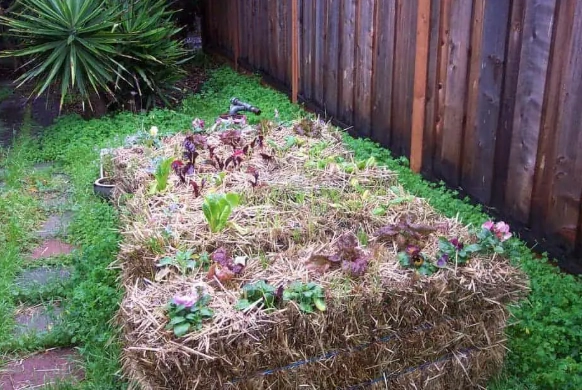
Step 1: Source and Place Your Bales
Find straw bales at local farms, garden centers, or feed stores. Expect to pay $5-$15 per bale. Avoid bales treated with herbicides. Place them where you want your garden, strings on the sides (not the top), in full sun (6+ hours). Lay down cardboard underneath to suppress any weeds growing up.
Step 2: The 14-Day Conditioning Schedule
You'll need a high-nitrogen fertilizer. Blood meal (12-0-0) or a balanced organic fertilizer (like a 10-10-10) works. I use blood meal for a faster start.
Days 1-3: Soak the bale thoroughly. Every day, pour water on it until it runs out the bottom. Just water, no fertilizer yet. You're rehydrating the dry straw.
Days 4-10: This is the main event. Each day, sprinkle 1/2 cup of blood meal (or 1 cup of 10-10-10) evenly on top of the bale. Then, water it in deeply. You'll notice the bale getting warm inside—that's the microbes working!
Days 11-13: Stop adding fertilizer. Just keep watering daily. The temperature inside will start to drop, signaling the intense decomposition is slowing down.
Day 14: Check the temperature. Stick your hand in the center. If it's just slightly warm or cool to the touch, it's ready. If it's still hot, wait a few more days.
Conditioning in cooler spring weather might take a few extra days. Be patient.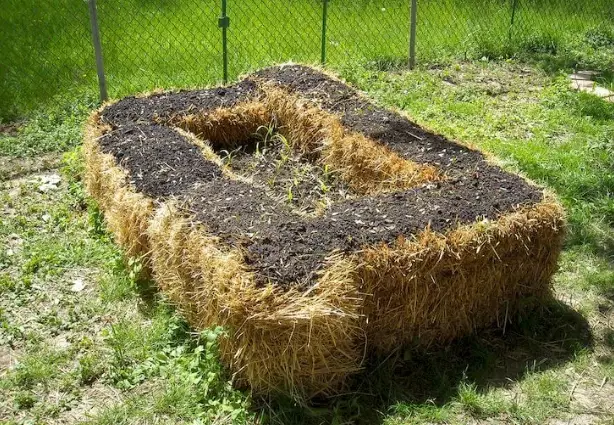
Planting and Care: What to Grow and How to Keep It Thriving
Once cool, you have two planting options: Pocket Planting (making a hole in the bale and filling it with potting mix for seedlings) or Top Dressing (spreading a 2-3 inch layer of compost/potting mix over the entire bale and sowing seeds directly). I prefer pockets for transplants like tomatoes and top dressing for greens.
Best Plants for Hay Bale Gardens
Not everything thrives equally. Focus on plants that love good drainage and don't have massive, deep-running taproots.
| Plant Type | Great Choices | Planting Tip |
|---|---|---|
| Heavy Feeders | Tomatoes, Peppers, Eggplant, Squash, Cucumbers | Use pocket planting. One plant per bale for tomatoes/squash, 2-3 for peppers. |
| Leafy Greens | Lettuce, Kale, Spinach, Swiss Chard | Perfect for top dressing. You can succession plant all season. |
| Herbs | Basil, Parsley, Cilantro, Dill, Oregano | Mix them in! Plant basil next to tomatoes, cilantro around peppers. |
| Avoid or Be Cautious With | Corn (too tall/heavy), Potatoes (need hilling), Carrots/Parsnips (need deep, stable soil) | Root veggies can work in a thick top layer, but results are often inconsistent. |
Ongoing Maintenance: Water and Feed
Watering is non-negotiable. Bales dry out fast. In peak summer, you might need to water daily, even twice a day. A soaker hose or drip irrigation line snaked over the bales on a timer is the ultimate lifesaver. Water until it runs freely from the bottom.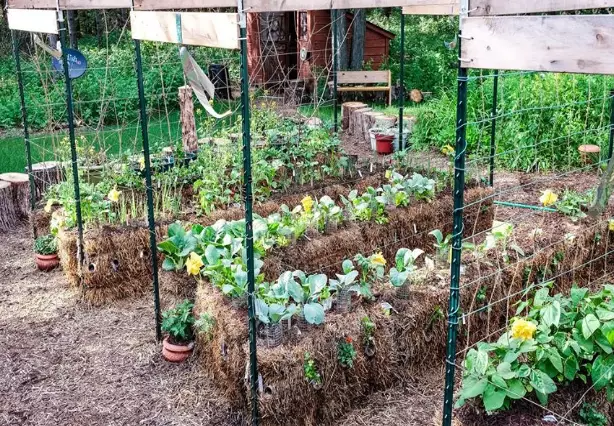
Feeding: The bale provides initial nutrients, but hungry plants like tomatoes will need more. I feed every 2-3 weeks with a liquid organic fertilizer like fish emulsion or compost tea, applied directly to the planting pocket or soil layer.
Common Problems and Expert Solutions
It's not all sunshine. Here are the hitches you'll likely face and how to handle them.
Slugs and Snails: They love the moist, decomposing environment. An organic pellet containing iron phosphate (like Sluggo) is safe and effective. I also place shallow dishes of beer sunk into the soil near the bales—it works.
Bale Drying Out: The number one killer of plants. If the bale feels light, it's too dry. Soak it with a slow trickle from the hose for 20-30 minutes. Mulch the top with straw to retain moisture.
Nitrogen Deficiency: If plants are yellowing (especially lower leaves), they're hungry. Give them a immediate dose of liquid fish fertilizer.
Bale Collapsing: This is normal by late season! It means it's working. You can gently tie twine around the bale mid-season for extra support if it's bulging.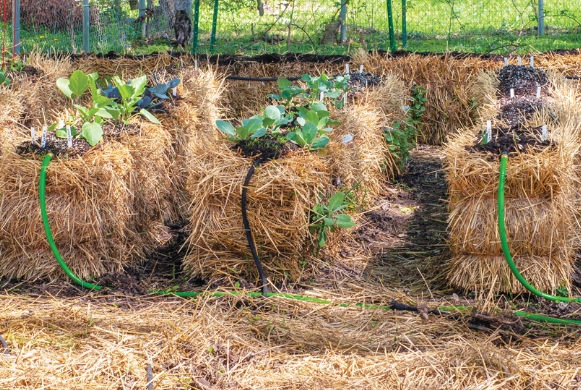
Is Hay Bale Gardening Right for You? The Honest Verdict
Hay bale gardening is brilliant for specific situations: if you have terrible soil (clay or rocks), limited space (patio or driveway), physical limitations, or just want a low-maintenance, high-yield experiment. It's also fantastic for schools or community gardens.
But it's not perfect. The upfront cost for bales and fertilizer is higher than preparing a soil bed. The watering commitment is intense. And it's an annual system—you start fresh each year.
For me, the trade-off is worth it. The lack of weeds alone saves me a whole season of weekend work. The yields are impressive, and there's something deeply satisfying about growing food in what is essentially a block of compost.
Your Hay Bale Gardening Questions, Answered
Reader Comments