You've built or bought your raised beds. You have bags of soil and packets of seeds. Now what? How you arrange those beds and what you plant where—your raised bed garden layout—is the difference between a frustrating, low-yield chore and a thriving, productive oasis. It's not just about making it look pretty (though that's a nice bonus). A smart layout directly impacts your harvest, your back, and your sanity all season long.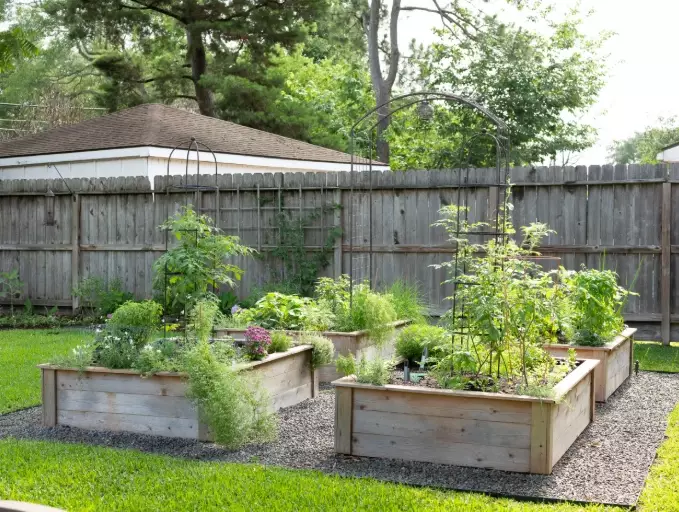
What's Inside This Guide?
- Why Your Raised Bed Layout Matters More Than You Think
- Choosing the Right Size and Shape for Your Raised Beds
- Top Raised Bed Garden Layout Plans (With Diagrams)
- Pro Tips for a Successful Layout (Beyond the Basics)
- Common Raised Bed Layout Mistakes and How to Fix Them
- Frequently Asked Questions (FAQ)
Why Your Raised Bed Layout Matters More Than You Think
Think of your layout as the blueprint for your garden's ecosystem. A good one solves problems before they start.
First, it's about yield. Plants crammed together compete for light, water, and nutrients. The result? Stunted growth, fewer fruits, and more disease. Proper spacing, which a layout enforces, gives each plant room to breathe and thrive. Resources from the University of Maryland Extension consistently show that correct plant spacing reduces fungal disease pressure significantly.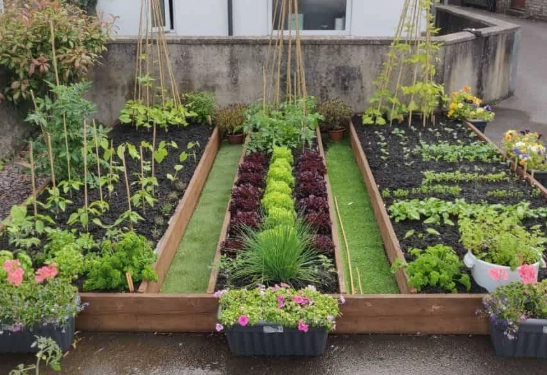
Second, it dictates maintenance. Can you reach the center of the bed to weed or harvest without stepping on the soil? Stepping on raised bed soil compacts it, undoing the very benefit of raised beds. Your layout must include accessible paths.
Finally, it's about harmony. Some plants are great neighbors (tomatoes and basil), others are terrible (beans and onions). A thoughtful layout groups friends together and keeps foes apart—a concept called companion planting. It also considers height: placing tall plants where they won't shade out sun-loving shorter ones.
I learned this the hard way. My first year, I planted sunflowers at the south edge of my bed. By July, they cast a shadow over my peppers all afternoon. The pepper harvest was pathetic. The layout failed them.
Choosing the Right Size and Shape for Your Raised Beds
Before you plot plants, you need to plot the beds themselves. This is the foundation.
The golden rule: Never make a bed wider than you can comfortably reach to the center. For most adults, that's a maximum of 4 feet wide. This allows you to work from either side without ever stepping in. Length is more flexible, but 8 feet is a common, manageable size that doesn't require excessive bracing.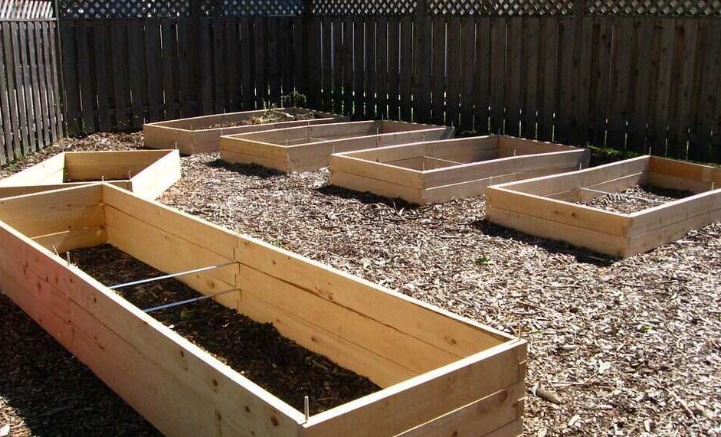
Depth is critical. A 6-inch deep bed is only good for shallow roots like lettuce and herbs. For tomatoes, carrots, or peppers, you want at least 12 inches. I now build all my beds 18 inches high. It uses more soil upfront, but the root zone is incredible, and my back thanks me for less bending.
Shape-wise, rectangles are efficient. But don't overlook U-shapes or keyhole gardens for maximizing edge space in a small area. Circular beds can be beautiful but are trickier to build and plant in organized rows.
Top Raised Bed Garden Layout Plans (With Diagrams)
Here are three battle-tested layouts. The best one depends on your goals: maximum variety, ease of care, or visual appeal.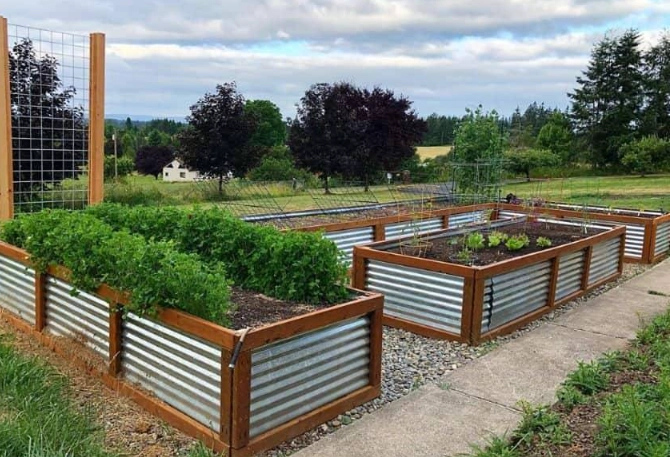
| Layout Style | Best For | How It Works | Key Consideration |
|---|---|---|---|
| The Traditional Row | Large beds, single-crop focus (e.g., all tomatoes), beginners who like clear lines. | Plants are spaced in single or double rows running the length of the bed. Leave a walking path between rows if the bed is very wide. | Can waste space on paths within the bed. Not the most efficient for yield per square foot. |
| Square Foot Gardening (SFG) | Small spaces, maximizing variety, minimizing weeds, obsessive planners. | Divide the bed surface into a grid of 1-foot squares. Plant a different number of crops in each square (1 tomato, 4 lettuces, 9 beans, 16 carrots). | Requires precise planting. The official Mel's Mix soil blend (1/3 peat, 1/3 vermiculite, 1/3 compost) is ideal but can be pricey. |
| Companion Planting / Guild-Based | Gardeners wanting natural pest control, pollinator attraction, and ecosystem health. | Group plants that benefit each other. A classic "Three Sisters" bed (corn, beans, squash) is a guild. Mix flowers (marigolds, nasturtiums) and herbs throughout vegetable patches. | Requires more research upfront. Looks "messier" than orderly rows. Follow guides from reputable sources like the USDA's companion planting chart. |
| Vertical Layer | Ultra-small spaces, adding height and drama, growing vining crops. | Use the center or north side of the bed for tall trellises, cages, or obelisks. Grow cucumbers, peas, pole beans, or indeterminate tomatoes upwards. Plant low-growing crops around the base. | Ensure the vertical structure is sturdy (wind is a factor). Don't let tall features shade sun-loving plants. |
My personal favorite for a standard 4x8 bed is a hybrid. I use a loose SFG grid for planning, heavily incorporate companion planting principles, and always include a vertical element on the north end. This gives me structure, biodiversity, and vertical interest.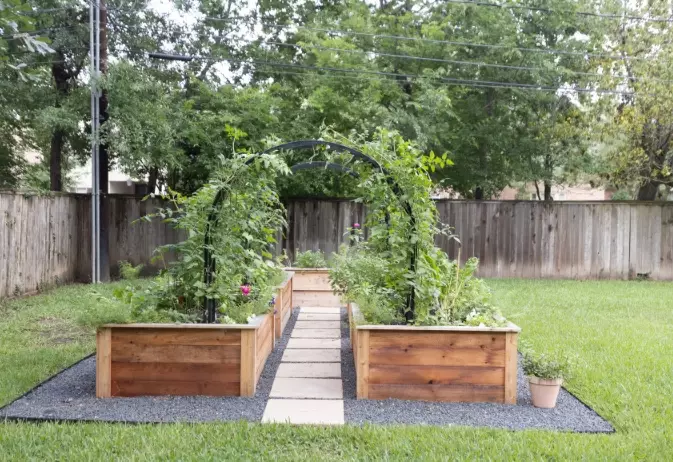
Sample 4x8 Foot Bed Layout (Hybrid Style)
Imagine looking down at your bed. The north side (assuming sun from the south) gets the tallest plants. So, along the north 4-foot edge, I install two heavy-duty tomato cages. In front of the tomatoes (moving south), I plant a row of basil (a great tomato companion) and some onions. The middle section is for medium-height plants: two zucchini plants (with room to sprawl), a cluster of bush beans, and some Swiss chard. The southern front edge is reserved for low-growing, sun-tolerant crops: several lettuce heads, a patch of carrots, and a border of marigolds to deter pests. A small trellis on the west side runs for sugar snap peas.
Pro Tips for a Successful Layout (Beyond the Basics)
Here's where a decade of trial and error pays off. These aren't in the basic guides.
1. Map It on Paper First, in Pencil. Seriously, sketch it. Use graph paper or a simple app. Draw your bed to scale. Mark where the sun hits. Write in your plants with their mature size in mind. This prevents the garden center impulse-buy overload. You'll see if you're trying to fit 15 tomato plants into a 3x6 space (you are).
2. The Path Width Secret. The space between your beds is as important as the beds themselves. A 24-inch minimum path is non-negotiable for a wheelbarrow. I prefer 36 inches. It feels luxurious and prevents you from brushing against and damaging plants as you pass. Mulch your paths with wood chips or straw to suppress weeds and mud.
3. Succession Planting is a Layout Superpower. Your layout isn't static. When you harvest spring radishes, that square foot is empty. Have a plan—and seedlings ready—for what goes next. Maybe it's bush beans for summer. After the beans, maybe it's a fall planting of kale. Your layout drawing should have a "Season 2" column.
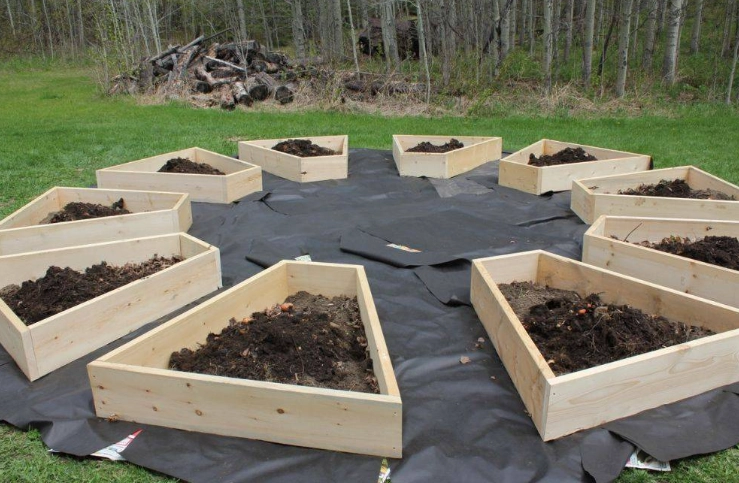
4. Leave Room for the Unseen. You need a spot for a 5-gallon bucket for weeding, a place to set your watering can, maybe a small stool. Don't layout every square inch so tightly that there's no utility space.
Common Raised Bed Layout Mistakes and How to Fix Them
Let's diagnose some classic errors.
Mistake #1: Ignoring the Sun's Path. Planting tall crops (corn, trellised beans) on the south side, shading out everything behind them.
Fix: Always place the tallest structures on the north or west side of the garden/bed.
Mistake #2: Forgetting About Access. Building a gorgeous 6-foot wide bed. It looks impressive, but you can't reach the center without climbing in.
Fix: If it's already built, consider adding a stepping stone in the center to distribute your weight if you must step in. Better yet, plant only low-maintenance perennials in the center.
Mistake #3: Treating the Bed as a Single Unit. Watering and fertilizing the entire bed the same way, even though tomatoes are heavy feeders and herbs like leaner soil.
Fix: Group plants with similar needs together—a "thirsty" zone, a "dry-loving" zone (herbs), a "heavy feeder" zone. This is called zoning in permaculture and makes care so much easier.
Mistake #4: No Plan for Vertical Growth. Planting indeterminate tomatoes without a plan for a 6-foot-tall cage. They flop over, break, and disease spreads.
Fix: Install your supports (cages, trellises) at planting time, not when the plant is already collapsing. Make them part of your initial layout sketch.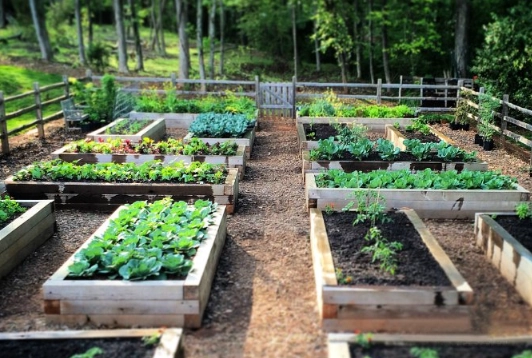
Frequently Asked Questions (FAQ)
Reader Comments