Quick Navigation: What's Inside This Guide
Let me tell you a story. A few years back, I planted carrot seeds in late February, thinking I'd get a head start. The packet said "spring planting," and I was eager. Weeks went by—nothing. I watered, waited, and finally dug around only to find mushy, rotten seeds. The soil was too cold, and I learned the hard way that when to plant carrots isn't just about the calendar; it's about soil temperature, your local climate, and a bit of patience.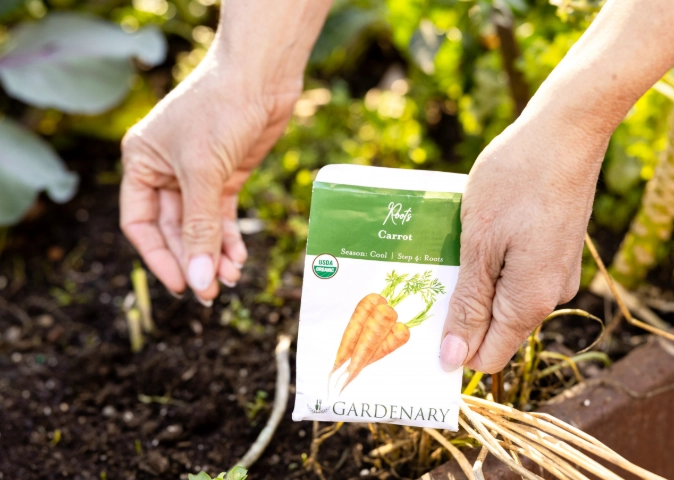
If you're here, you're probably asking the same thing I did: when is the right time to plant carrots? The answer isn't one-size-fits-all, but after growing carrots for over a decade, I've nailed down the secrets. This guide will walk you through everything, from decoding frost dates to avoiding the pitfalls that trip up most gardeners.
Why Timing Matters More Than You Think
Carrots are finicky. They're cool-season crops, but they hate cold, wet soil at germination. Plant them too early, and the seeds rot. Plant them too late, and they bolt in the heat, sending up flowers instead of growing those sweet, crunchy roots we love. It's a delicate balance.
I see a lot of beginners treat carrots like lettuce or radishes—just toss them in the ground whenever. Bad idea. Carrot seeds have a narrow comfort zone: soil temperatures between 55°F and 75°F (13°C to 24°C). Outside that range, germination drops off a cliff. Below 50°F, they might sit for weeks; above 85°F, they often fail entirely. That's why timing is non-negotiable.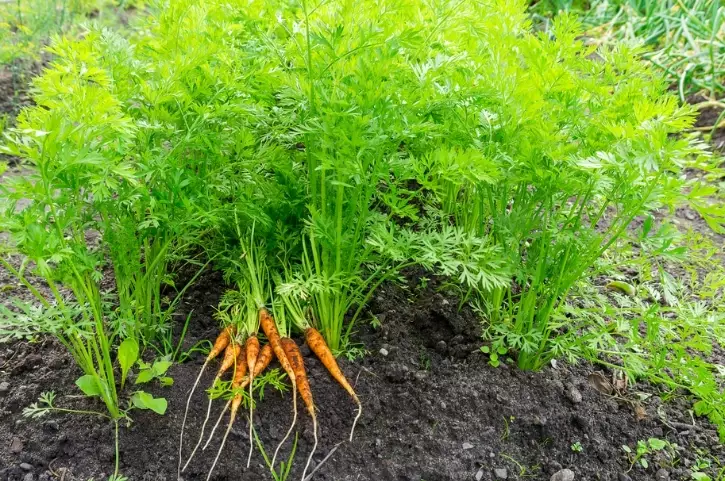
The Hidden Factor: Soil Temperature vs. Air Temperature
Here's a tip most guides gloss over: air temperature means little for carrots. Soil warms slower than air in spring and cools slower in fall. I learned this after a warm spell in April tricked me into planting. The air was 70°F, but the soil 3 inches down was still 45°F. My seeds barely sprouted. Now, I always use a soil thermometer—it's cheap and saves seasons.
Another thing: carrot varieties matter. Early types like 'Nantes' can handle cooler soil, while maincrop ones like 'Imperator' need warmer conditions. But more on that later.
Finding Your Perfect Planting Window
So, how do you figure out when to plant carrots where you live? Start with your USDA Hardiness Zone, but don't stop there. Microclimates in your garden—like a sunny south-facing bed vs. a shady spot—can shift timing by weeks.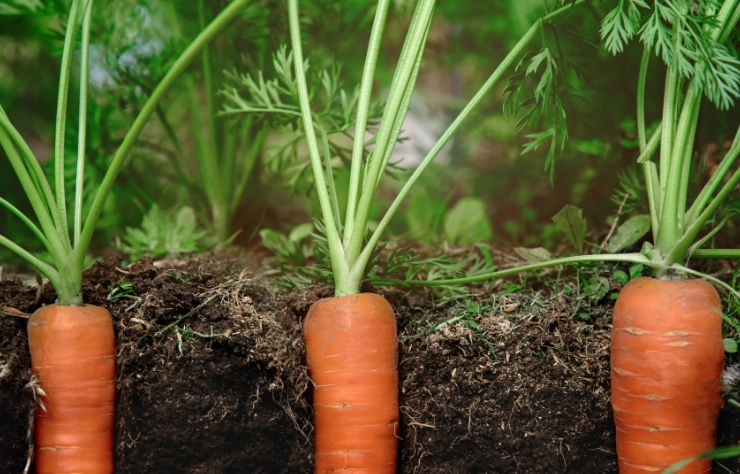
I rely on two planting seasons: spring and fall. In most areas, spring planting happens as soon as soil is workable and warm enough, and fall planting is timed for a harvest before hard frosts. Here's a breakdown based on zones, but remember, this is a starting point. Adjust based on your soil thermometer readings.
| USDA Zone | Spring Planting Window | Fall Planting Window | Key Considerations |
|---|---|---|---|
| Zones 3-5 | Late April to early June | Mid-July to early August | Short growing season; focus on early varieties. Soil warms slowly. |
| Zones 6-7 | Mid-March to mid-May | Late July to late August | Ideal for successive plantings. Watch for late spring frosts. |
| Zones 8-9 | February to April | August to September | Mild winters allow fall planting to extend into winter. Avoid summer heat. |
| Zones 10-11 | Fall and winter only | October to February | Too hot for spring planting; plant in cool months for best results. |
In my Zone 7 garden, I start spring planting around mid-March, when soil hits 55°F. For fall, I plant in early August—about 12 weeks before our first frost in November. But I don't plant all at once. Successive planting every 2-3 weeks stretches the harvest. One year, I planted a batch every two weeks from March to June and had fresh carrots from June through October. It's a game-changer.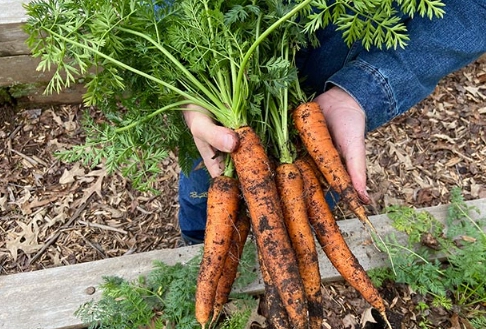
Pro Tip: Don't just rely on zone maps. Check your local frost dates using resources like the National Gardening Association's frost date calculator. And if you're unsure, plant a small test batch first. I did this with 'Little Finger' carrots last year—planted a few seeds in early March to gauge soil readiness. It saved me from wasting a whole packet.
My Step-by-Step Planting Routine
Once you've nailed the timing, here's how I plant carrots for consistent success. This isn't from a textbook; it's from trial and error in my own backyard.
Step 1: Soil Prep is Everything
Carrots need loose, deep soil. If your soil is compacted or clay-heavy, forget about straight roots. I learned this the hard way—my first carrot harvest looked like twisted sculptures. Now, I till the soil to at least 12 inches deep and mix in compost or aged manure. Avoid fresh manure; it causes forking. Sand helps if drainage is poor. I also remove every rock I can find; even small ones cause splits.
Step 2: Sowing Secrets
Carrot seeds are tiny. It's easy to overseed, leading to overcrowding. I sow seeds 1/4 inch deep, spacing them about 1 inch apart in rows 12 inches apart. To make it easier, I mix seeds with sand or use seed tape. Water gently after planting—a hard spray can wash seeds away. I keep the soil moist until germination, which takes 10-21 days depending on temperature.
Step 3: Thinning Without Guilt
This is where most gardeners hesitate. Once seedlings are 2 inches tall, thin them to 3-4 inches apart. Yes, you're pulling up perfectly good plants, but crowded carrots stay small and misshapen. I used to feel bad about it, but now I see it as necessary for quality. The thinnings are edible as baby greens in salads.
Step 4: Watering and Weeding
Carrots have shallow roots, so consistent moisture is key. I water deeply once a week, more in dry spells. Overwatering leads to rot—I lost a row to root rot after a rainy spring. Weeding is crucial; carrots hate competition. I mulch lightly with straw to retain moisture and suppress weeds.
Step 5: Harvest Timing
Most carrots mature in 60-80 days. You can start harvesting when they're finger-sized for tender "baby" carrots, or wait for full size. In fall, a light frost sweetens the flavor. I leave some in the ground under mulch for winter harvests in mild climates.
Common Mistakes I've Made (So You Don't Have To)
Let's get real. I've messed up plenty, and here are the big ones to avoid.
Mistake 1: Ignoring Soil Temperature
As mentioned, soil temp is critical. I once planted in early spring after a warm week, but the soil was still 48°F. Germination was spotty, and the crop was weak. Now, I wait until soil is consistently above 50°F for at least a week.
Mistake 2: Planting Too Deep
Carrot seeds need light to germinate. Planting deeper than 1/2 inch reduces germination rates. I had a batch fail because I buried them an inch deep—rookie error. Stick to 1/4 inch.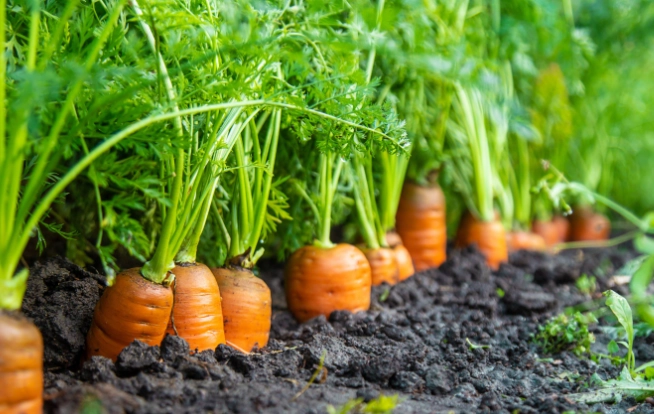
Mistake 3: Overfertilizing
Too much nitrogen leads to lush tops and puny roots. I made this mistake early on, using a high-nitrogen fertilizer. The carrots were all leaf and no root. Now, I use a balanced fertilizer or just compost.
Mistake 4: Not Rotating Crops
Planting carrots in the same spot year after year invites pests and diseases. I rotate with legumes or leafy greens to break the cycle. It's simple but effective.
Mistake 5: Rushing Harvest
Harvesting too early means small carrots; too late, they become woody. I check maturity dates on the seed packet and do a test pull. If they're the right size and color, they're ready.
Your Burning Questions Answered
Reader Comments