Planting asparagus from seed is a game-changer for gardeners who want variety and cost savings. Most people buy crowns, but seeds offer unique benefits—like access to heirloom types and stronger plants in the long run. I tried both methods, and seeds won me over despite the patience required. This guide cuts through the fluff and gives you the real steps to success.
What You'll Learn
Why Plant Asparagus from Seed?
Many gardeners skip seeds because they take longer, but the advantages are huge. You get a wider selection of varieties, such as purple asparagus, which isn't always available as crowns. Seeds are cheaper, and plants grown from seed often develop deeper root systems, making them more drought-resistant. I started with crowns, but after seeing how seed-grown plants lasted longer, I switched.
Pro tip: If you're in a hurry, seeds aren't the best choice—it can take three years to harvest. But if you want robust, long-lived plants, seeds are worth the wait.
Getting Started: What You Need
Before you sow, gather your supplies. You'll need asparagus seeds—I recommend buying from reputable sources like Baker Creek Heirloom Seeds for quality. Get seed-starting trays or small pots, a well-draining potting mix (avoid garden soil for seedlings), and a sunny spot or grow lights. Don't forget labels; asparagus seedlings look like grass, and it's easy to mix them up.
Timing is critical. Start seeds indoors 12-14 weeks before the last frost date in your area. For most regions, that means January to March. If you're in a warmer climate, you can sow directly outdoors in early spring.
The Planting Process: Step by Step
Let's break it down. I've seen too many beginners rush this part and end up with poor germination.
Choosing the Right Seeds
Not all asparagus seeds are equal. Look for varieties suited to your climate. 'Mary Washington' is a classic for disease resistance, but 'Jersey Knight' performs better in cooler areas. I once planted a generic seed packet and got weak plants—lesson learned. Always check the seed packet for details on days to maturity and growth habits.
Preparing the Soil
Asparagus loves loose, fertile soil. For seedlings, use a mix of peat moss, perlite, and compost. When transplanting outdoors, prepare the bed deeply—dig at least 12 inches and add organic matter. A soil test helps; asparagus needs a pH around 7. If your soil is acidic, add lime. I neglected this once and had stunted growth.
Sowing and Germination
Soak seeds in water for 24 hours before planting to soften the hard coat. Sow them 1/2 inch deep in trays, spacing about 2 inches apart. Keep the soil moist but not waterlogged. Germination can be slow—anywhere from 2 to 8 weeks. I keep trays at 70-75°F (21-24°C) for best results. A heat mat speeds things up.
Once seedlings emerge, give them plenty of light. A south-facing window works, but grow lights prevent leggy growth. Thin seedlings to the strongest ones.
Transplanting and Spacing
When seedlings have 2-3 true leaves and frost danger has passed, transplant them outdoors. Harden them off first by exposing them to outdoor conditions gradually over a week. Space plants 18 inches apart in rows 3 feet apart. Dig holes deep enough to accommodate the roots without bending.
Here's a quick table to summarize key spacing and timing details:
| Stage | Spacing | Timing | Notes |
|---|---|---|---|
| Seed Starting | 2 inches apart in trays | 12-14 weeks before last frost | Soak seeds overnight |
| Transplanting | 18 inches between plants | After last frost | Harden off seedlings first |
| Mature Bed | Rows 3 feet apart | Year 2 onwards | Weed regularly |
Care and Maintenance
Asparagus is low-maintenance once established, but the first two years need attention. Water deeply once a week if there's no rain. Mulch with straw or wood chips to retain moisture and suppress weeds. I use grass clippings, but avoid thick layers that can harbor slugs.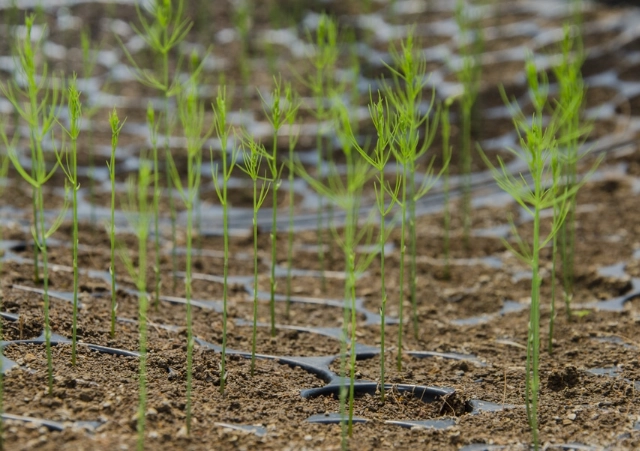
Fertilize lightly in spring with a balanced fertilizer or compost. Over-fertilizing, especially with nitrogen, leads to ferny growth instead of spears. In fall, cut back the ferns after they turn yellow to prevent disease.
Harvesting Your Asparagus
Patience pays off. Don't harvest in the first year—let plants build energy. In the second year, you can pick a few spears over 2-3 weeks. By year three, harvest for 6-8 weeks in spring. Spears should be 6-8 inches tall and thick as a pencil. Cut them at soil level with a sharp knife.
I made the mistake of harvesting too early and weakened my plants. Now, I wait until the third year for a full harvest, and yields have doubled.
Common Pitfalls and How to Avoid Them
Most failures come from a few avoidable errors. Weed competition is a big one—asparagus can't compete with aggressive weeds. Mulch well and hand-pull weeds early. Another issue is poor drainage: asparagus hates wet feet. If your soil is clayey, raise the beds or add sand.
Pests like asparagus beetles can be controlled by hand-picking or using neem oil. I've found that encouraging beneficial insects, like ladybugs, helps keep them in check.
Diseases like fusarium wilt spread through contaminated soil. Rotate crops if possible, and choose resistant varieties. I lost a patch once by planting in an old tomato bed—never again.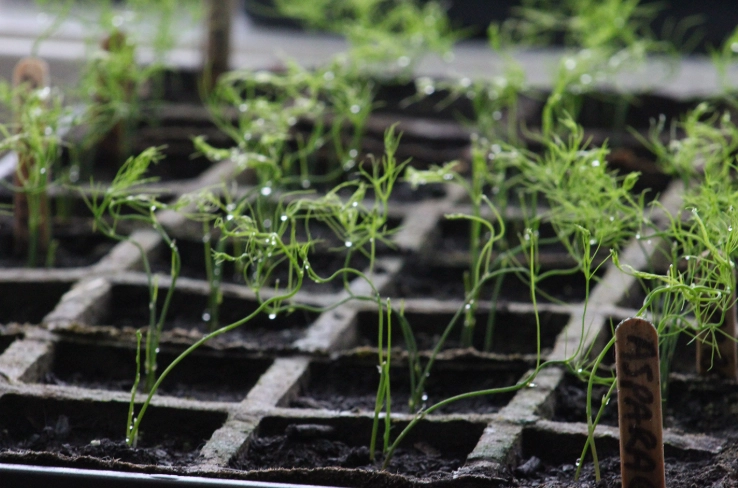
FAQs About Growing Asparagus from Seed
Growing asparagus from seed isn't a sprint; it's a marathon. But with these tips, you'll set up a bed that produces for 20 years or more. Start small, learn from mistakes, and enjoy the process. Happy planting!
Reader Comments