You’ve done everything right. The soil is amended, the watering is consistent, but your tomatoes are stunted, the peppers look miserable, and the beans just gave up. Sound familiar? Before you blame the weather or your fertilizer, dig up a plant. I mean, really get in there and look at the roots. If you see swollen, knotted growths where healthy white roots should be, you’ve met the enemy: the root-knot nematode.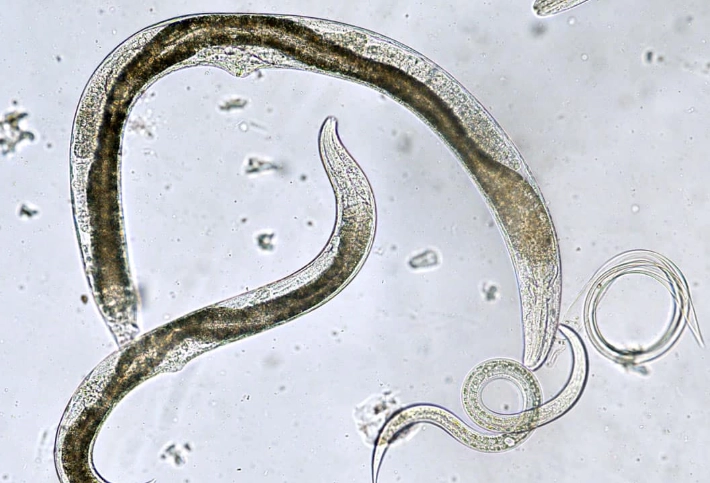
These aren’t the earthworms you want. They’re microscopic, soil-dwelling roundworms that parasitize plant roots, and they’re in almost every garden soil to some degree. The problem starts when their population explodes. I’ve seen them turn a promising raised bed into a graveyard in a single season. The frustration is real—the damage looks like a nutrient deficiency or a watering issue, which sends most gardeners down the wrong treatment path entirely.
What You'll Find in This Guide
Spotting the Enemy: Symptoms You Can't Ignore
Nematodes don’t leave bite marks on leaves. Their sabotage is subterranean and systemic. The first signs are above ground, but they’re maddeningly vague.
Patchy, uneven growth is the biggest clue. One section of your garden thrives, the other struggles, even with uniform care. Plants look chronically thirsty—wilted in the afternoon heat despite moist soil—because the damaged roots can’t pull up enough water. Leaves turn pale yellow or chlorotic, mimicking a nitrogen deficiency. The plant is basically starving.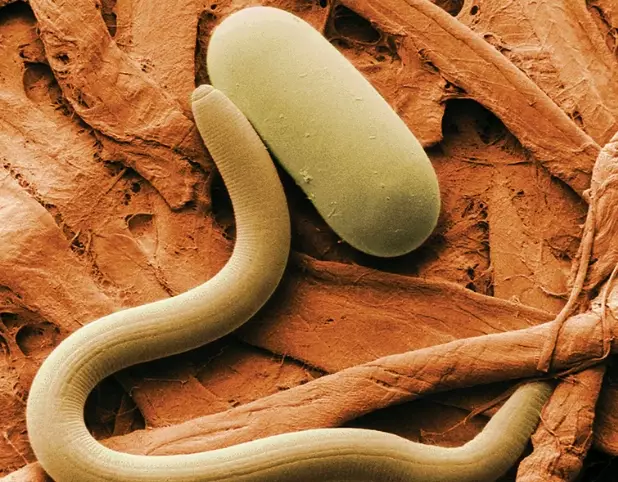
But you have to look below the surface. The smoking gun is on the roots.
What Do Nematode Root Galls Look Like?
Gently lift a sickly plant and rinse the soil from the roots. Healthy roots are creamy white with fine, hairy feeders. Nematode-infected roots have distinct, swollen knots or beads. These galls can be tiny or as large as marbles, and they disrupt the entire vascular system of the root.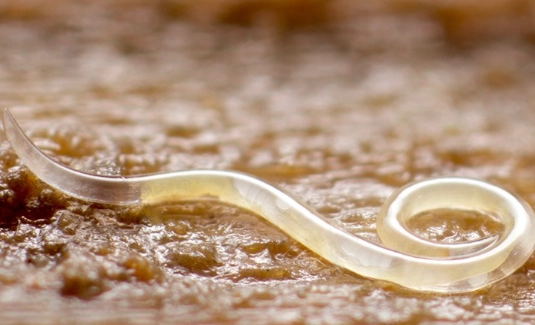
A crucial point of confusion: legumes like beans and peas have natural, beneficial nitrogen-fixing nodules. These are smaller, uniform, and attached to the side of the root. Nematode galls are the root itself, swollen and deformed. They look wrong.
Confirming the Diagnosis: Beyond Guesswork
If you see the galls, you’re 95% there. For absolute certainty, or if you suspect other parasitic nematodes that don’t cause obvious galls (like lesion nematodes), you need a soil test.
Don’t use a standard nutrient test. You need a dedicated nematode assay. Your local county extension office is the best and most affordable source for this. A soil sample sent to a nematology lab (like the one at the University of Florida or UC Davis) will not only confirm their presence but often identify the species, which can guide your resistance strategy.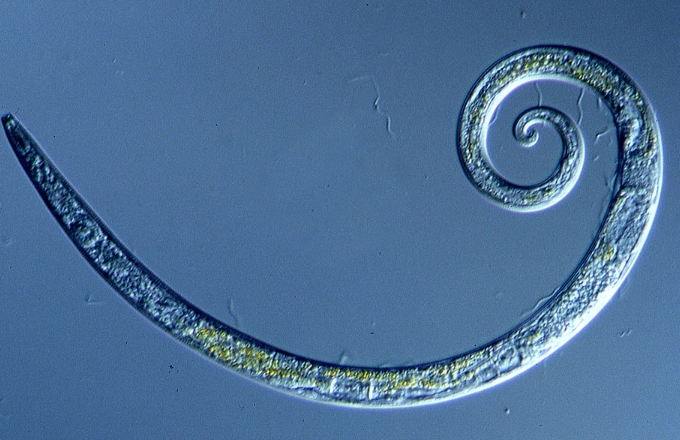
It costs about $30-$50 and takes a couple of weeks. For me, it’s money well spent to move from guessing to a targeted plan.
Your Immediate Response Plan
Okay, you’ve found them. The garden is suffering. What do you do right now?
First, remove and destroy heavily infected plants. Don’t compost them. The heat of a backyard compost pile rarely gets hot enough to kill nematode eggs. Bag them and trash them.
Second, consider solarization for the infected area. This is the most effective non-chemical “reset” button you have. In the hottest part of summer, clear the area, moisten the soil, and cover it tightly with clear plastic sheeting. Seal the edges with soil. Leave it for 4-6 weeks. The trapped solar heat will pasteurize the top 12-18 inches of soil, killing nematodes, weed seeds, and fungi. Research from the University of California IPM Program shows soil temperatures under the plastic can reach 140°F, which is lethal for most soil pests.
It’s not pretty, and you lose a season in that spot. But for a badly infested vegetable bed, it’s a game-changer.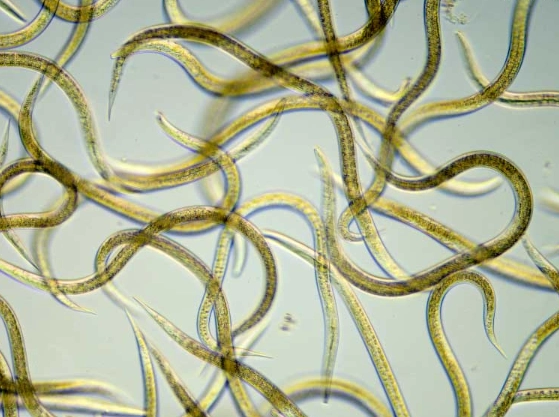
Building a Nematode-Resistant Garden for the Long Term
Killing nematodes is a battle. Changing your garden’s ecology so they can’t thrive is the war. This is where most online advice gets fluffy. Let’s get specific.
Strategy 1: Deploy the Right Plants
You can fight biology with biology.
| Plant Type | Specific Varieties/Examples | How It Works & Key Action |
|---|---|---|
| Resistant Varieties | Tomato: 'Celebrity', 'Better Boy', 'Roma'. Pepper: 'Carolina Wonder', 'Charleston Hot'. Bean: 'Maxibel' (French Haricot). | These have a bred-in genetic resistance (often marked 'N' on seed packets). They prevent nematodes from reproducing effectively. Simply plant them instead of susceptible varieties. |
| Antagonistic Cover Crops | French Marigolds (Tagetes patula) like 'Nemagold'. Biofumigant Mustards (e.g., 'Caliente', 'Pacific Gold'). | Marigold roots release alpha-terthienyl. Mustards release isothiocyanates when chopped and tilled into moist soil. You must grow them as a dense, full-season cover crop, then incorporate them to get the effect. |
| Non-Host Crops | Corn, onions, garlic, grasses (rye, wheat), most brassicas (broccoli, kale). | These plants don't host root-knot nematodes. Rotating them into your plan starves the existing population. A simple but often neglected tactic. |
I made the marigold mistake for years. I’d plant a few around the border and expect magic. It doesn’t work. You need a solid block of them, grown thickly, for them to alter the soil chemistry significantly.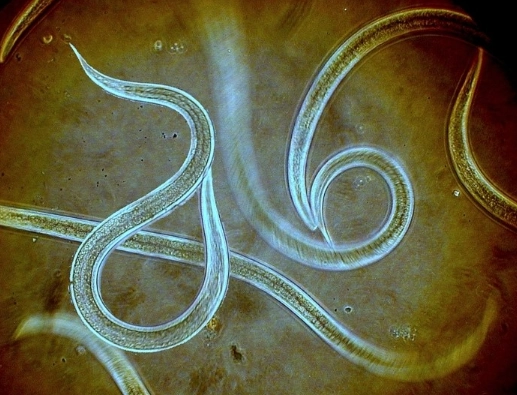
Strategy 2: Feed the Soil, Not Just the Plants
Healthy, biologically active soil is hostile to parasitic nematodes. They thrive in tired, compacted, lifeless dirt.
Regular additions of high-quality, fully finished compost are non-negotiable. This isn’t just about nutrients. It introduces beneficial fungi and bacteria that compete with or directly attack nematodes. Fungi like *Arthrobotrys* actually set microscopic traps in the soil for nematodes.
Another tool is organic soil amendments like crab meal, neem cake, or certain types of seaweed meal. These work slowly, by fostering beneficial microbes and sometimes releasing compounds that hinder nematode development. Think of them as soil probiotics, not instant poison.
Nematode Control Products: A Real-World Breakdown
Sometimes, you need reinforcements from a bottle. Here’s the straight talk on what’s in the market.
Biological Nematicides: Products containing *Bacillus firmus* or *Myrothecium verrucaria* are becoming more common. They are safe for people/pets and work by colonizing the root zone, creating a biofilm that deters nematodes or by producing fungal compounds. They work best as a preventative or in low-to-moderate infestations. You need to apply them early, at planting, and sometimes as a drench later. They’re a management tool, not a cure.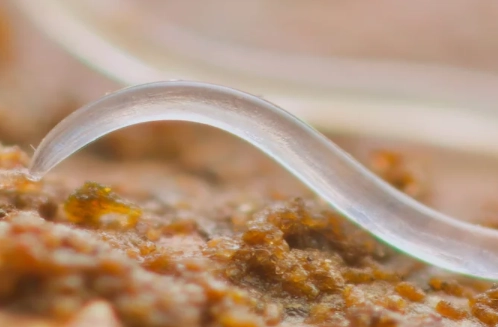
Chemical Nematicides: Options for home gardeners are now very limited and often restricted. Products containing fluopyram are one of the few available systemic chemistries. They can be effective for a season but are a temporary fix. They don’t discriminate much, so they can impact soil life. I use these only as a last resort in a critical area, never as an annual routine. Always, always follow the label to the letter.
Nematode Destroyers? (The Ironic Solution): You can actually buy beneficial nematodes (*Steinernema feltiae* or *Heterorhabditis bacteriophora*). These are insect-parasitic nematodes that hunt soil grubs like Japanese beetle larvae. They do NOT attack plant-parasitic nematodes. Don’t get them mixed up.
Your Nematode Questions, Answered
Can I see nematodes in my soil, and what do root knot nematode symptoms look like on plants?
You cannot see the microscopic worms themselves with the naked eye. The damage is the telltale sign. Look for plants that are stunted, wilt during the heat of the day despite adequate water, and have yellowing leaves (chlorosis). The definitive proof is in the roots. Gently dig up a struggling plant and rinse the roots. Healthy roots are white and fibrous. Roots infected with root-knot nematodes will have distinct, swollen galls or knots that disrupt the root's ability to uptake water and nutrients. These galls are often mistaken for natural nitrogen-fixing nodules on legumes, but nematode galls are irregular and disrupt the root structure.
What is the fastest way to kill nematodes in my garden soil?
Solarization is the fastest non-chemical method for a defined, treatable area. During the peak summer heat, moisten the soil, cover it tightly with clear plastic tarps for 4-6 weeks. The sun's heat trapped underneath can pasteurize the top 12-18 inches of soil, effectively killing nematodes, weed seeds, and many soil-borne pathogens. For immediate chemical control, products containing fluopyram (a common active in some branded nematicides) can provide a quicker knockdown. However, this is a temporary solution and does not address the long-term biological health of your soil. Relying solely on chemical kills can create a 'dead' soil ecosystem prone to reinfestation.
Are there any plants that repel or resist root-knot nematodes naturally?
Yes, strategic planting is a core long-term strategy. French Marigolds (Tagetes patula) are the most famous nematode-suppressive plant. Their roots release alpha-terthienyl, a compound toxic to nematodes. You must plant them densely as a cover crop, let them grow for a full season, and then till them in. Another powerful group is biofumigant crops like specific varieties of mustard greens (e.g., 'Caliente' mustard) and oilseed radishes. When chopped and incorporated into moist soil, their tissues release natural gases that suppress nematode populations. For resistant vegetable varieties, look for tomato and pepper seeds labeled with an 'N' designation (e.g., 'Celebrity' tomato, 'Carolina Wonder' pepper), indicating bred-in resistance to common root-knot nematode species.
I added compost, but my nematode problem seems worse. What did I do wrong?
This is a critical and often overlooked mistake. Not all compost is created equal. If your compost pile did not reach and sustain a high enough temperature (consistently above 131°F or 55°C) during decomposition, it may not have killed nematode eggs or cysts present in the infected plant material used to make it. You might be inadvertently introducing the pest right back into your garden. Always source compost from a reputable, hot-composting operation, or ensure your own pile is managed for thermal intensity. Well-made, fully finished compost is fantastic for building general soil health and supporting beneficial microbes that compete with nematodes, but contaminated compost is a Trojan horse.
The final word? Nematodes are a manageable problem, but they demand a shift in thinking. Stop focusing solely on the plant in front of you and start managing the invisible world beneath it. Build your soil with good compost, rotate crops intelligently, use resistant varieties, and deploy cover crops with purpose. It’s more work upfront than spraying something, but it leads to a garden that’s resilient for years, not just a single season.
Reader Comments