Let's be honest. I ruined my first raised bed. I filled it with whatever dirt was cheap and available, thinking a box was a box. The result? Stunted plants, water that either pooled or vanished instantly, and a whole season wasted. That failure taught me more than any book: the soil is the garden. Getting the mix right for a raised bed isn't just gardening 101; it's the single most important factor for success. It's the difference between struggling and thriving.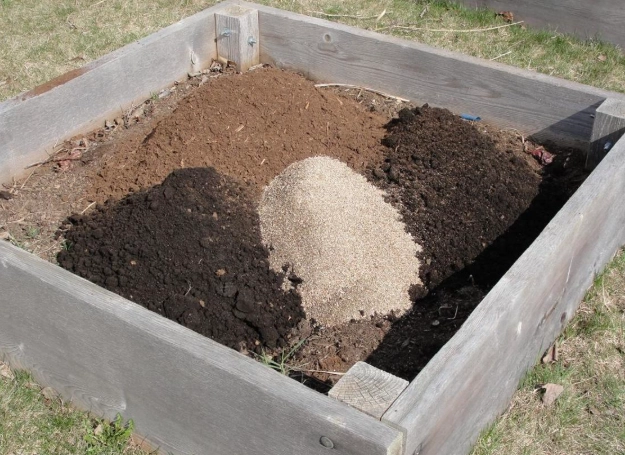
Unlike in-ground gardening, you're creating an entire ecosystem from scratch. There's no deep subsoil for roots to explore, no natural web of life to break down nutrients. You have to build it all. The good news? You have complete control. This guide will walk you through not just a recipe, but the why behind it, the common pitfalls, and the expert tweaks that turn a good mix into a great one.
What's Inside Your Perfect Soil Mix?
The Go-To Raised Bed Soil Recipe
After years of tweaking, here's my foundational, all-purpose recipe. It works brilliantly for most vegetables, herbs, and flowers. Think of it as your base formula—you can adjust it later for specific plants.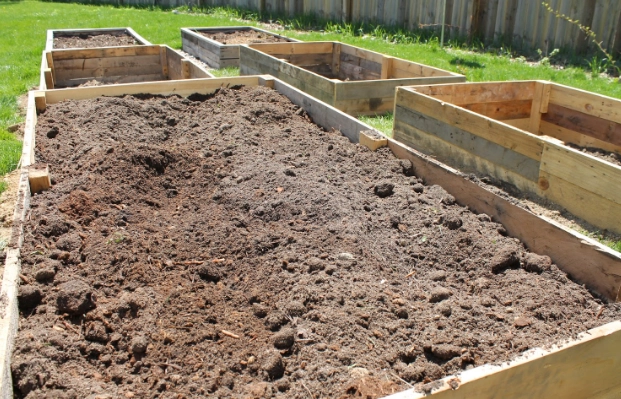
| Ingredient | Percentage | What It Does & Notes |
|---|---|---|
| Compost | 40-50% | The engine room. Provides nutrients, improves texture, and feeds soil microbes. Use a blend of 2-3 different sources if possible (e.g., plant-based, manure-based, mushroom). |
| Peat Moss or Coco Coir | 25-30% | The moisture manager. Lightens the mix and retains water. Coco coir is a more sustainable alternative to peat moss and is easier to re-wet if it dries out completely. |
| Coarse Sand or Grit | 20-25% | The drainage specialist. Creates air pockets, prevents compaction. Must be coarse (like builder's sand), not fine play sand, which turns to concrete. |
| Optional Boosters | 5-10% | Worm castings (for microbes), perlite/vermiculite (extra aeration), or a balanced organic fertilizer blend (for an initial nutrient kick). |
That's the core. For a standard 4x8 foot bed, 12 inches deep, you'll need about 32 cubic feet of mix. That sounds like a lot, but mixing in bulk is where the savings and quality control happen.
Ingredient Deep Dive: What Each Component Really Does
Understanding the role of each piece lets you troubleshoot and customize.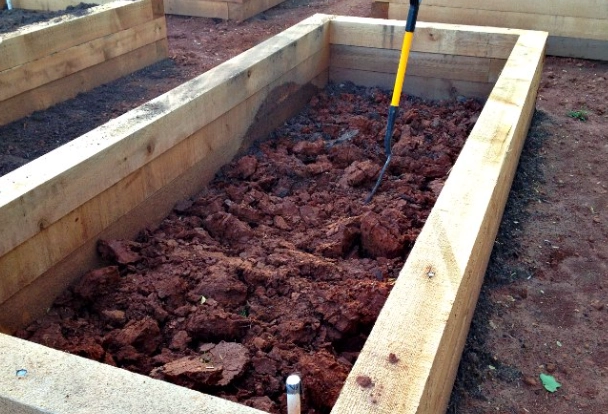
Compost: The Non-Negotiable Foundation
This is where most beginners under-invest. Compost isn't just fertilizer; it's the living, breathing heart of your soil. It improves structure, holds moisture and nutrients, and hosts the beneficial bacteria and fungi that protect plant roots. The quality of your compost dictates the quality of your garden.
Here's the subtle mistake few talk about: using only one type of compost. Municipal compost is great for bulk but can be salty. Manure compost is nutrient-rich but can be "hot" (too strong for seedlings). Homemade plant compost is balanced but may not be weed-free. The solution? Blend them. Mix two or three kinds. It balances nutrients and microbial life. If you're buying bagged, read the label. It should smell earthy, not sour or like ammonia.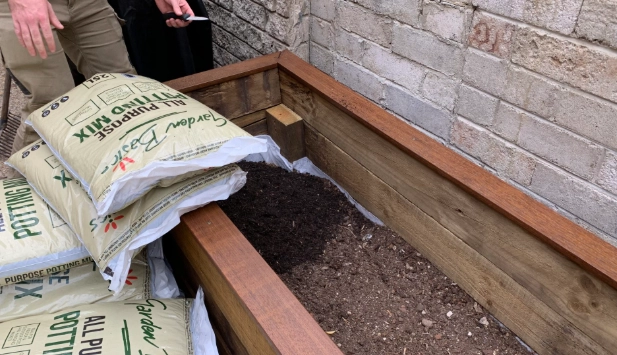
Peat Moss vs. Coco Coir: The Moisture Debate
Both are fantastic for water retention and fluffiness. Peat moss is acidic, which can be good for balancing alkaline soils or growing blueberries, but its harvest is an environmental concern. The big practical issue? Once peat dries out completely, it becomes hydrophobic—it repels water. You'll see water run right through the pot.
Coco coir, made from coconut husks, is pH-neutral and rewets easily. It's my personal preference now. It does sometimes contain more salts, so a good rinse before use is wise. Whichever you choose, pre-moisten it thoroughly in a wheelbarrow before mixing. Throwing in a dry, dusty bale is a nightmare.
Sand: The Most Misunderstood Ingredient
Not all sand is created equal. Fine-grain sand (play sand) will fill every pore space and create a brick-like substance when mixed with compost. You want coarse, sharp, or builder's sand. Its jagged edges create permanent air channels. Some gardeners substitute with perlite, which is excellent for aeration but very light and can float to the top over time. For raised beds, I prefer the weight and permanence of coarse sand.
How to Mix Your Raised Bed Soil (The Right Way)
You can't just dump layers in the bed and hope they mix. Here's my field-tested method.
Step 1: Gather and Pre-Moisten. Lay out a large tarp on a driveway or lawn. Dump your calculated volumes of compost, peat/coir, and sand onto the tarp. Using a hose with a gentle spray, lightly moisten the peat/coir and compost piles. They should feel like a damp sponge, not soggy.
Step 2: The Tarp Mix. Grab two corners of the tarp and walk it towards the other two corners, rolling the ingredients over themselves. Do this back and forth, side to side, for a few minutes. It's surprisingly effective and easy on the back. For large volumes, a small cement mixer is a game-changer.
Step 3: Fill and Settle. Shovel the mix into your raised bed. Don't pack it down. Fill it slightly above the rim, as it will settle over the next few days. Give it a gentle, deep watering and let it sit for a day or two before planting. This allows everything to meld.
Top 5 Raised Bed Soil Mixing Mistakes
I've made most of these. Learn from my errors.
1. Using Pure Bagged Garden Soil or Topsoil. These products are designed to be mixed into native ground, not used alone in a raised bed. They are too dense, lack sufficient drainage, and often contain few nutrients. They'll compact and suffocate roots.
2. Skipping the "Grit" (Sand/Perlite). A mix of only compost and peat moss will be too spongy and retain too much water, leading to rot. Drainage is critical in a contained box.
3. Forgetting Annual Refreshes. Soil is a living thing that gets used up. Each fall or spring, top-dress with 1-2 inches of fresh compost and gently work it into the top few inches. This replaces organic matter and nutrients without needing a total reboot.
4. Ignoring pH. Most vegetables prefer a slightly acidic to neutral pH (6.0-7.0). If your compost is very alkaline or you use a lot of peat, things can get out of whack. A simple $10 pH test kit can save you a season of mystery poor growth. Resources from university extensions, like the University of Massachusetts Amherst's soil testing lab guidelines, emphasize this basic step.
5. Not Mulching. Your beautiful, fluffy soil mix is exposed to sun and wind. A 2-3 inch layer of straw, shredded leaves, or wood chips on top conserves moisture, suppresses weeds, and slowly breaks down to feed the soil. It's the finishing touch that makes everything else work better.
Your Raised Bed Soil Questions Answered
Reader Comments