Ever planted carrot seeds and waited weeks with nothing to show? You check the packet: "65-80 days." But what does that really mean from planting to pulling? The short, honest answer is anywhere from 50 to 100 days. That's a huge range. The real story isn't a single number—it's a timeline shaped by the carrot type you choose, the soil under your feet, and the weather overhead.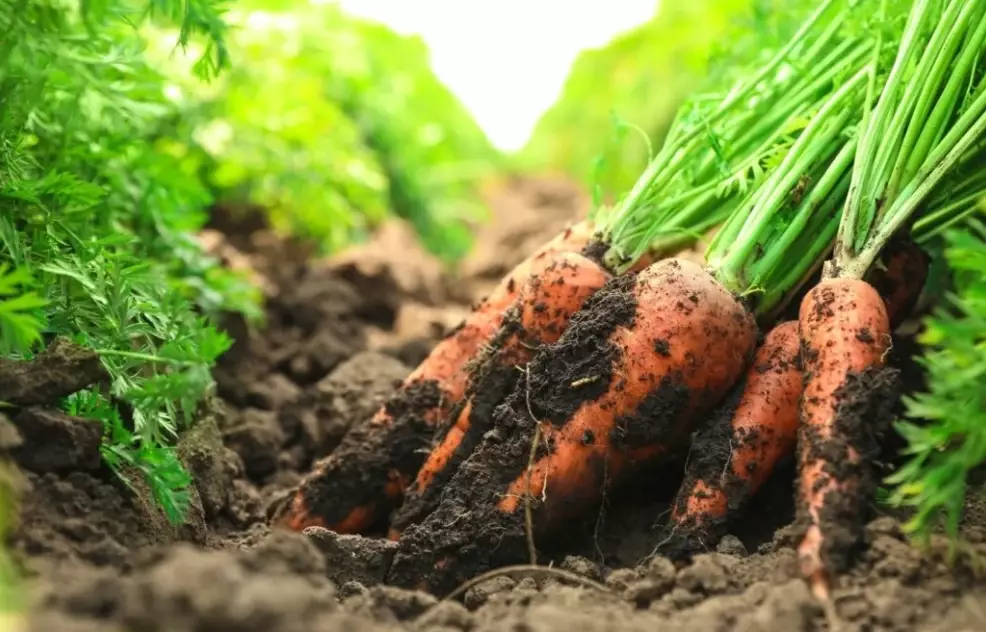
I learned this the hard way. My first carrot patch was a disaster of stunted, forked nubs because I ignored the soil. The time on the packet felt like a lie. Now, after seasons of trial and error, I see that "days to maturity" is just the opening chapter.
What You’ll Learn in This Guide
- The Short Answer (and Why It’s Incomplete)
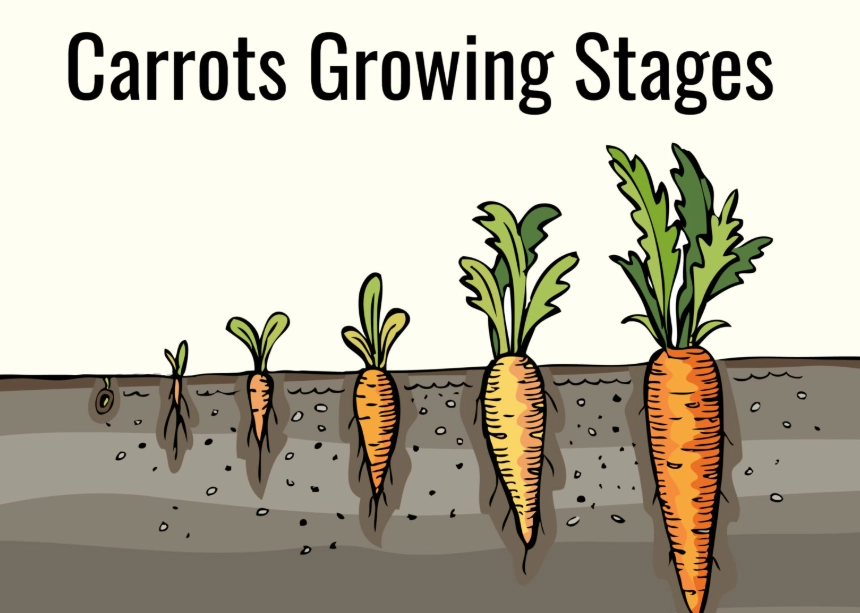
- The 4 Carrot Growth Stages & Their Timelines
- How Your Carrot Variety Drives the Timeline
- How to Plant Carrots for a Faster Harvest?
- What Are the Common Problems That Delay Carrot Growth?
- The Final Step: Knowing Exactly When to Harvest
- Your Carrot Growing Questions, Answered
The Short Answer (and Why It’s Incomplete)
Most standard orange carrot varieties take between 70 and 80 days from seeding to a harvest-ready size. But here's the catch everyone misses: that clock starts ticking after germination. If your seeds take 3 weeks to sprout in cold soil, add that time. So your total wait from putting seed in ground to holding a carrot can easily stretch to 90-100 days.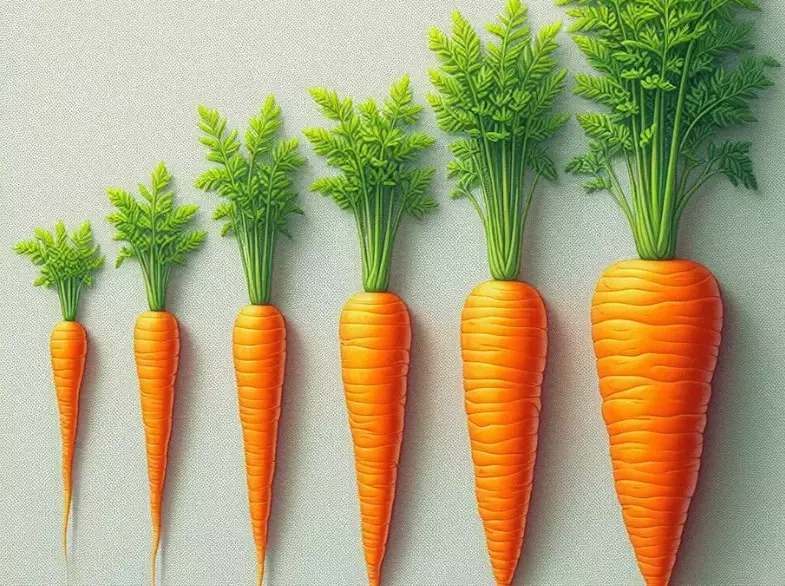
Key Takeaway: "Days to Maturity" on a seed packet typically counts from seedling emergence, not from the day you sow. Always factor in a 1-3 week germination period.
The 4 Carrot Growth Stages & Their Timelines
Breaking it down into stages makes the process less mysterious. Think of it like a project with distinct phases.
Stage 1: Germination (The Silent Wait) - 7 to 21 Days
This is the most critical and frustrating stage. Carrot seeds are tiny and slow. They need constant surface moisture to crack open. Soil temperature is the master variable here. According to the University of Minnesota Extension, optimal germination happens between 55°F and 75°F (13°C-24°C). At 40°F, it might take a month. At 85°F, germination rates plummet.
My tip: I soak my carrot seeds overnight in water now. It doesn't cut days in half, but it gives them a head start, especially in drier soils.
Stage 2: Seedling Establishment (The Baby Phase) - 3 to 4 Weeks
Once the feathery tops appear, they seem to do nothing for weeks. They're busy underground. The tiny taproot is establishing itself and searching for water and nutrients. This is when thinning is absolutely non-negotiable. Crowded seedlings will never form decent roots.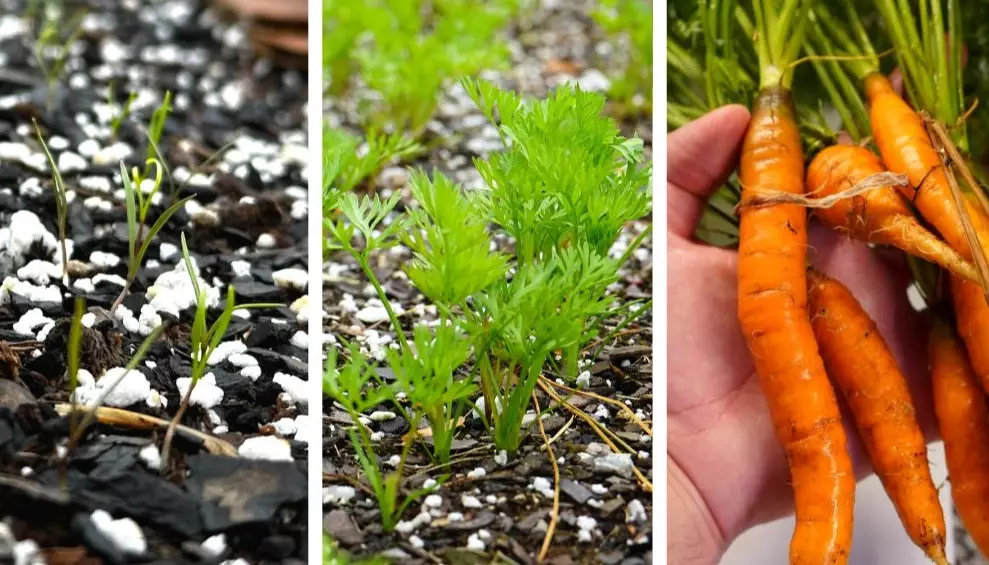
Stage 3: Rapid Root Bulking (The Growth Spurt) - 4 to 6 Weeks
Now we're cooking. With warm weather and consistent moisture, the carrot roots thicken rapidly. You might start to see the colorful shoulders peeking above the soil line. This is where variety really dictates the pace.
Stage 4: Maturation & Sweetening (The Finishing Touch) - 1 to 3 Weeks
The carrot reaches its full size, but it's still developing flavor. Cooler temperatures, especially cool nights, trigger the conversion of starches to sugars. This is why fall carrots, kissed by frost, are often sweeter than summer ones.
How Your Carrot Variety Drives the Timeline
Picking a carrot is like picking a racehorse. Some are sprinters, some are marathon runners. This table isn't just data—it's your harvest planning tool.
| Carrot Type (Variety Examples) | Typical Days to Maturity | Best For | Growth Notes & Personality |
|---|---|---|---|
| Small / Round (Paris Market, Romeo) | 50 - 60 days | Containers, shallow soil, kids | The speed demons. Perfect if you're impatient or have rocky soil. They form cute, bite-sized globes. |
| Nantes (Scarlet Nantes, Nelson) | 60 - 70 days | Beginner gardeners, heavy soils | The reliable all-rounders. Cylindrical, blunt-tipped, and less fussy about soil. My personal favorite for consistent results. |
| Danvers (Danvers 126, Healthmaster) | 70 - 80 days | Storage, juicing, heavier soils | The workhorses. Thick, sturdy roots that store well. They can push through denser soil better than most. |
| Imperator (Atomic Red, Sugarsnax) | 75 - 90 days | Deep, sandy soil; supermarket look | The long and demanding ones. They need deep, perfect soil to reach their full length. High reward, higher maintenance. |
| Chantenay (Red-Cored Chantenay, Hercules) | 65 - 75 days | Clay or rocky soil, shorter seasons | The stocky powerlifters. Broad shoulders that taper, great for canning and dealing with less-than-ideal dirt. |
How to Plant Carrots for a Faster Harvest?
You can't rush nature, but you can remove every obstacle. Here's the sequence I follow for the quickest, straightest carrots.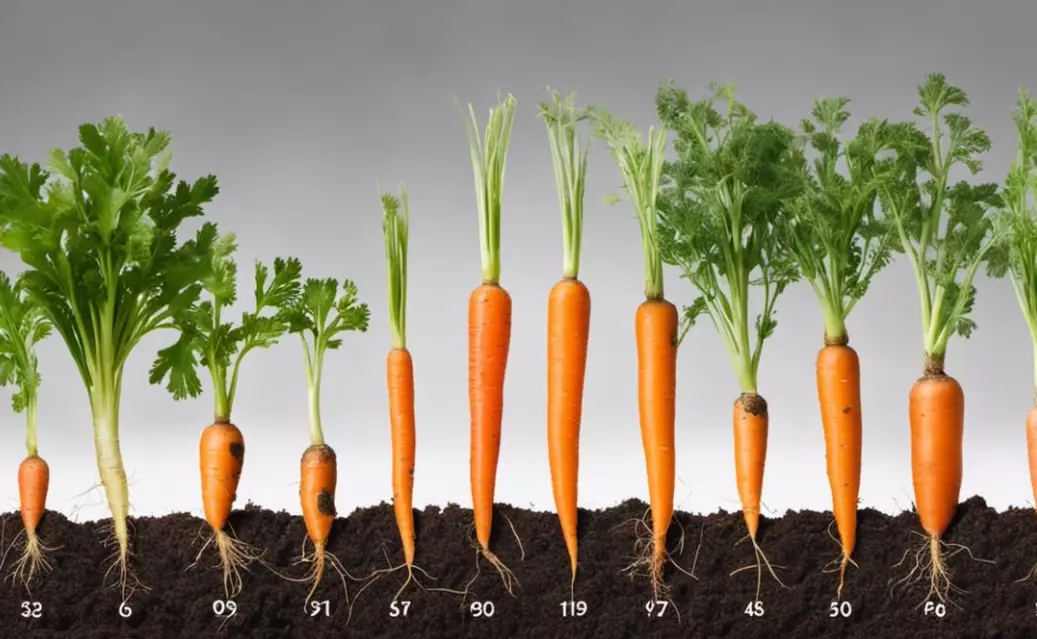
1. Soil Prep is 90% of the Game. Forget tilling the surface. You need a deep, loose, stone-free seedbed. I dig down at least 12 inches, mixing in sifted compost and a handful of sand if my soil is heavy. Clumps and rocks cause forking.
2. Sow at the Right Time (and Temperature). Wait until soil is reliably above 45°F. For a faster start, use a soil thermometer. I aim for 60°F. You can pre-warm soil with black plastic a week before planting.
3. The Sowing Trick Most People Skip. Mix the tiny seeds with dry sand or used coffee grounds. It helps you see where you've sown and prevents thick clumps. Plant shallow—¼ inch deep. Cover lightly with fine soil or vermiculite.
4. Water Like a Micro-Surgeon. Use a gentle spray nozzle. Keep the top inch consistently damp, not soggy, until seedlings are up. A floating row cover helps retain this moisture and keeps pests off.
5. Thin Ruthlessly and Early. When seedlings are 2 inches tall, thin to 1 inch apart. A few weeks later, thin again to a final spacing of 2-3 inches. Yes, it feels wasteful. No, your carrots won't grow if you don't. Snip them at the soil line to avoid disturbing the roots of the keepers.
What Are the Common Problems That Delay Carrot Growth?
Things go wrong. Here’s how to spot and fix the big delays.
- Slow or Failed Germination: Usually dry soil or crusted surface. Water gently twice a day if needed. A board or burlap over the row can hold moisture—just check daily and remove as soon as sprouts appear.
- Stunted, Slow Growth: The soil is too compacted, too cold, or lacks nutrients (specifically phosphorus). Side-dress with a low-nitrogen, phosphorus-rich fertilizer like bone meal when plants are 4 inches tall.
- Leafy Tops, Tiny Roots: Too much nitrogen. Avoid planting where you just spread fresh manure or high-nitrogen lawn fertilizer.
- Woody, Bitter Taste: This is a maturity and heat issue. Carrots left in the ground too long in hot weather get tough. So can inconsistent watering.
The Final Step: Knowing Exactly When to Harvest
The "days" are up. Now what? Don't just yank them all.
Brush the soil away from a few carrot shoulders. Are they the diameter you expect? The color vibrant? That's your first clue. The final test is a taste. Pull one. If it's crisp, sweet, and flavorful, harvest what you need. Carrots can be left in the ground for weeks in cool fall weather, actually getting sweeter. In summer, harvest them on time before they crack or get pithy.
For storage, twist off the tops (the greens draw moisture from the root) and keep them in a cool, humid place.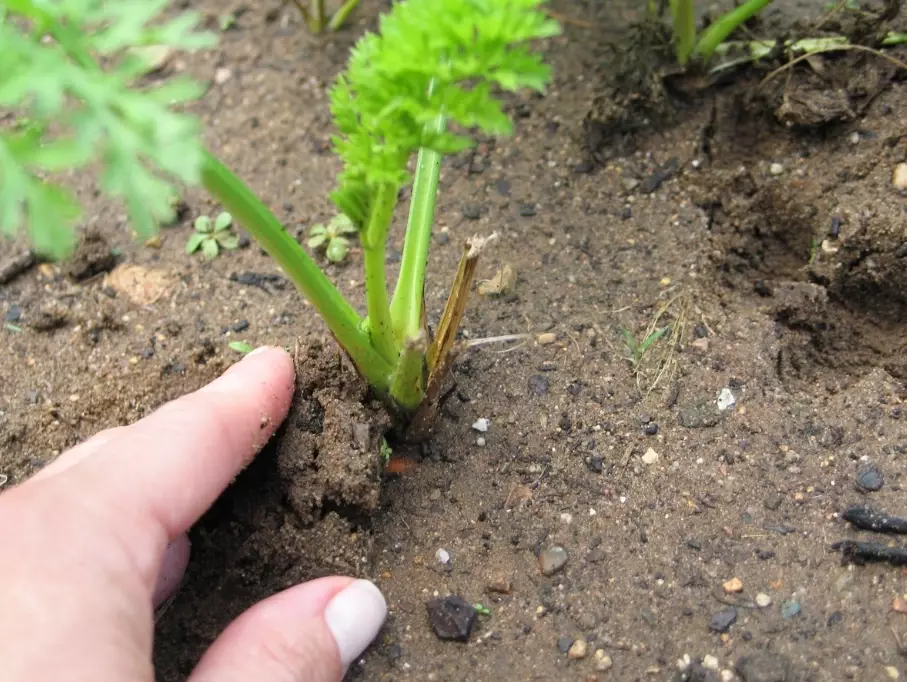
Your Carrot Growing Questions, Answered
 Why are my carrots taking so long to grow and still small?
Reader Comments