Jump to What You Need
Starting a DIY compost pile changed how I garden. I used to toss out kitchen scraps, feeling guilty about the waste. Then I built a simple pile in my backyard—no fancy bin, just layers of leaves and veggie peels. Within months, I had rich, dark compost that made my tomatoes thrive. If you're curious about composting but think it's complicated, this guide breaks it down. We'll cover everything from picking materials to troubleshooting a smelly heap, based on my 10 years of trial and error.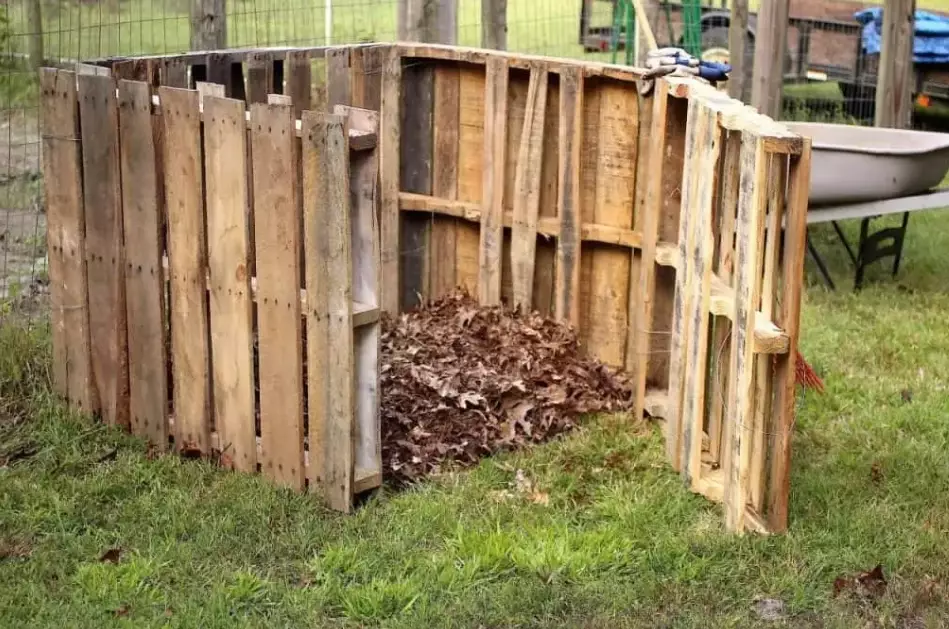
Why Build a DIY Compost Pile?
Composting isn't just for environmentalists; it's a practical hack for any homeowner. The U.S. Environmental Protection Agency notes that organic waste like food and yard trimmings makes up over 30% of landfill trash. By composting, you reduce that burden and create free fertilizer. But here's something most guides don't mention: a well-made compost pile can improve soil structure better than store-bought compost, because you control the ingredients. I've seen my clay soil transform into something crumbly and fertile after a few seasons of adding homemade compost.
Another perk? It cuts down on garbage bag use. My household trash decreased by almost half once I started composting. Plus, it's a satisfying way to connect with your garden's cycle. You're not just dumping waste; you're feeding the soil.
What Materials Do You Really Need for a DIY Compost Pile?
Forget buying expensive compost tumblers. You can start with stuff lying around your yard and kitchen. The key is balancing "greens" and "browns"—terms for nitrogen-rich and carbon-rich materials. Most beginners overload on greens, leading to a slimy mess. Here's a straightforward breakdown.
- Greens (Nitrogen sources): Vegetable scraps, fruit peels, coffee grounds, fresh grass clippings. These add moisture and speed up decomposition. Avoid meat, dairy, and oily foods—they attract pests.
- Browns (Carbon sources): Dry leaves, straw, shredded newspaper, cardboard, twigs. These provide structure and prevent odor. I stockpile fallen leaves in autumn; they're free and abundant.
- Water: Your pile should feel like a damp sponge. Too dry, and microbes won't work; too wet, and it stinks.
- Air: Oxygen is crucial for aerobic composting. You'll need a pitchfork or stick to turn the pile.
Aim for a ratio of about 2 parts browns to 1 part greens by volume. I keep a small bucket under the sink for kitchen scraps and a bin outside for browns. It simplifies the process.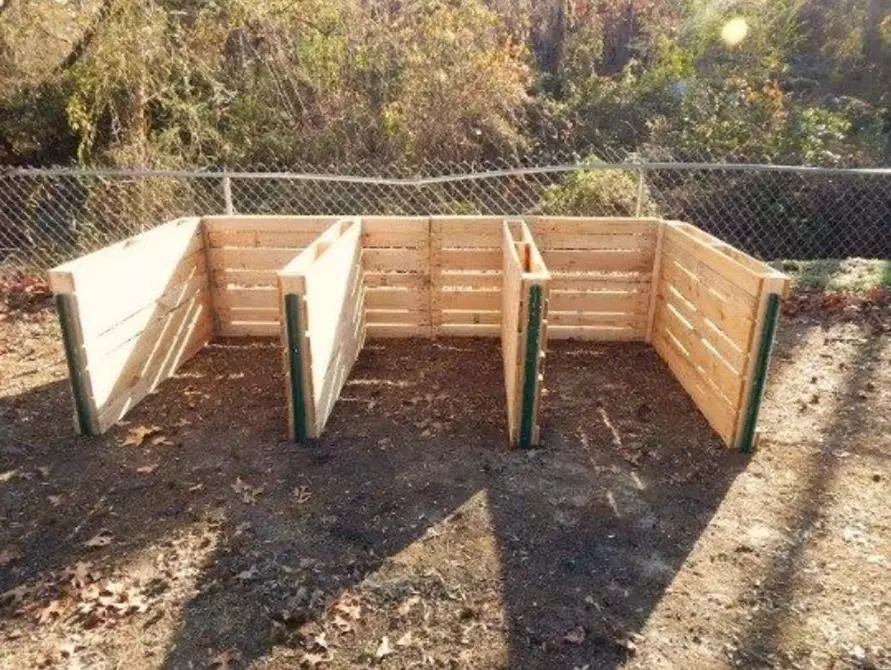
How to Build Your Compost Pile from Scratch
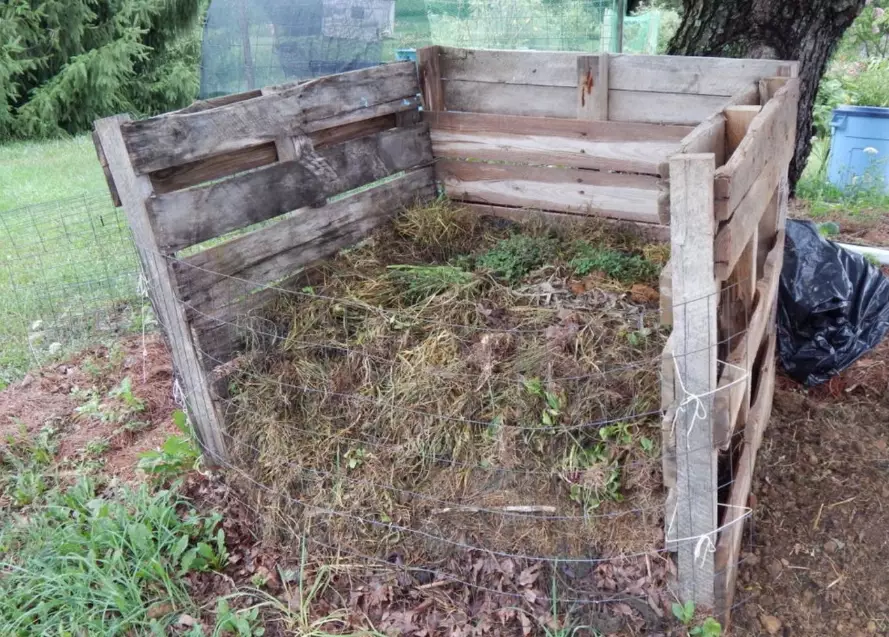
Building a compost pile is like layering a cake. Follow these steps, and you'll have a working system in under an hour.
Picking the Perfect Spot
Location matters more than you think. Choose a flat, well-drained area with partial sun—too much shade slows things down, while full sun can dry it out. Make sure it's accessible year-round; I placed mine near my garden shed for easy access in winter. Avoid low spots where water pools. A subtle mistake? Putting it right against a fence or house. Moisture can cause rot or attract critters. Give it at least a foot of clearance.
The Layering Process: A Simple Blueprint
Start with a base of coarse browns for drainage. Then alternate layers, keeping each 4-6 inches thick. Here's a table to visualize it—this method has never failed me.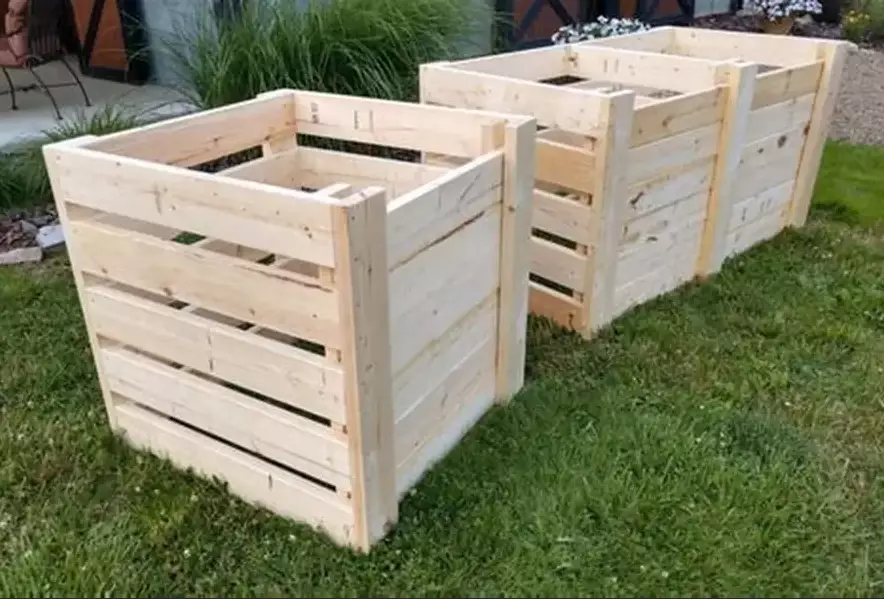
| Layer Order | Material Type | Why It's Important |
|---|---|---|
| 1 (Bottom) | Twigs or straw | Creates airflow and prevents sogginess |
| 2 | Green materials (e.g., kitchen scraps) | Adds nitrogen to fuel microbes |
| 3 | Brown materials (e.g., dry leaves) | Balances moisture and adds carbon |
| 4 | Garden soil or finished compost | Introduces beneficial microorganisms |
| Repeat | Alternate greens and browns | Builds up to a 3-foot high pile for optimal heat |
After layering, water lightly until moist. Don't soak it—I once overwatered and ended up with a anaerobic sludge. Cover with a tarp or more browns to retain moisture and keep pests out.
Maintenance: Turning and Monitoring
Turn the pile every 1-2 weeks with a fork to mix materials and add oxygen. If you see steam when you turn it, that's a good sign—it means it's heating up properly. In warmer months, my pile reaches 130°F, which kills weed seeds. If it's not heating, add more greens and turn more often. A neglected pile still works, just slower; my lazy summer piles took 6 months, while active ones were ready in 3.
Common Mistakes and Expert Tips
Even seasoned gardeners slip up. Here are pitfalls I've learned to avoid.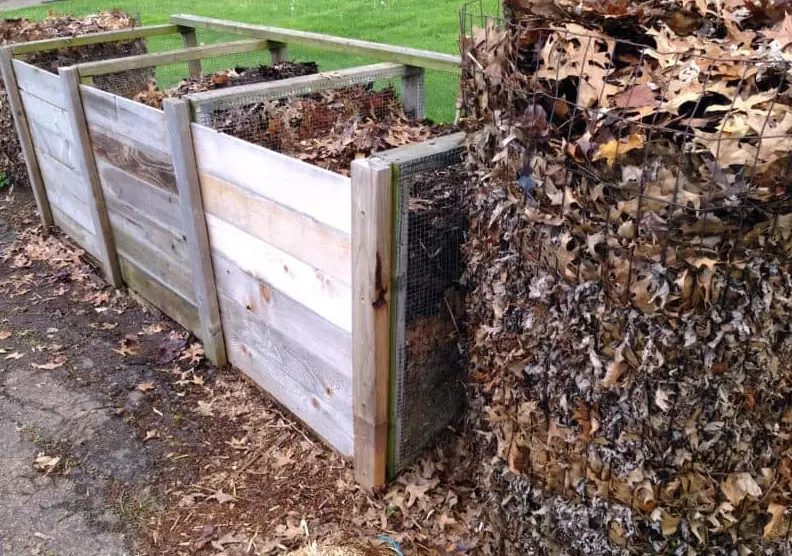
Adding too many greens at once: This causes ammonia-like smells. Balance is key—if your pile reeks, mix in shredded cardboard or straw immediately.
Ignoring particle size: Big chunks of pumpkin or whole leaves decompose slowly. Chop everything into 1-2 inch pieces. I keep shears handy for cutting up scraps.
Letting it dry out: In hot weather, check moisture weekly. If it's dry, water it lightly. A crusty top layer halts decomposition.
Using diseased plants: Avoid composting plants with mildew or blight; the pile might not get hot enough to kill pathogens. I toss those in the trash to be safe.
One non-consensus tip: you don't need a perfect ratio every time. Nature is forgiving. My pile once had more browns, and it still produced compost, albeit slower. The goal is to start, not perfect.
Your Compost Questions Answered
 Composting is a journey with a rewarding end. Start small, learn from mistakes, and soon you'll have black gold for your garden. If you hit a snag, remember: even a slow pile is better than no pile. Happy composting!
Reader Comments