You built the beautiful cedar boxes. You placed them in the perfect sunny spot. You’re ready to grow. Then you stare at the empty frames and hit the first real hurdle: what on earth do I fill them with? Bagged potting mix? Topsoil from the yard? Something called "raised bed mix" that costs a fortune? Get this wrong, and your dream garden becomes a swamp or a brick by mid-summer. The soil in your raised beds isn't just dirt; it's the entire life support system for your plants. Let's get it right.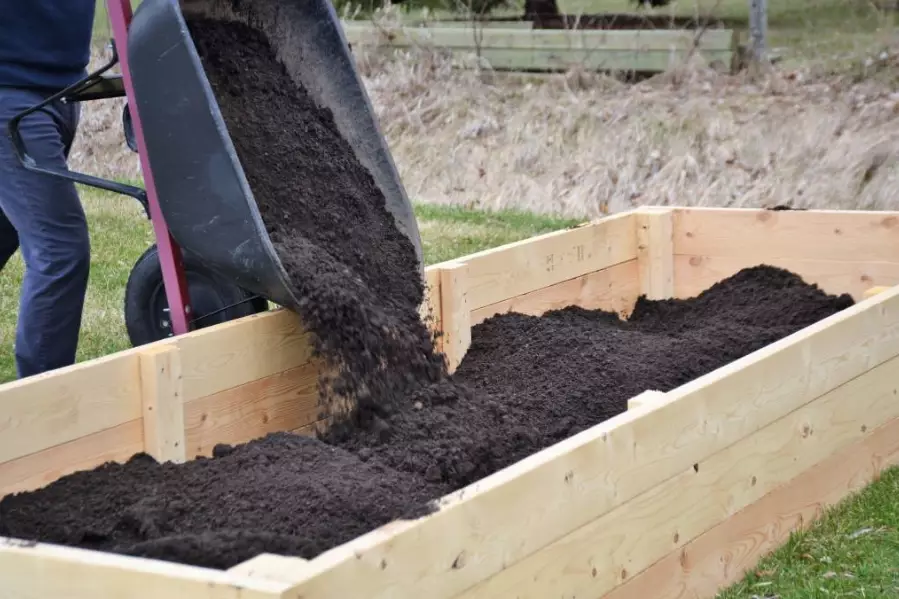
What’s in This Guide
Why Raised Bed Soil is a Different Beast
Think of a raised bed as a giant container. It has walls. Water can't drain sideways like it does in the open ground. This single fact changes everything. Your soil must be engineered for excellent drainage and aeration to prevent roots from drowning. At the same time, it needs to retain enough moisture and nutrients so you're not watering three times a day in July.
Traditional in-ground soil is often clay-heavy or compacted. Shovel that into a raised bed, and you've just created a bathtub. The first heavy rain will leave your plants sitting in mud for days. Conversely, a fluffy potting mix designed for small pots might dry out too fast in a large bed.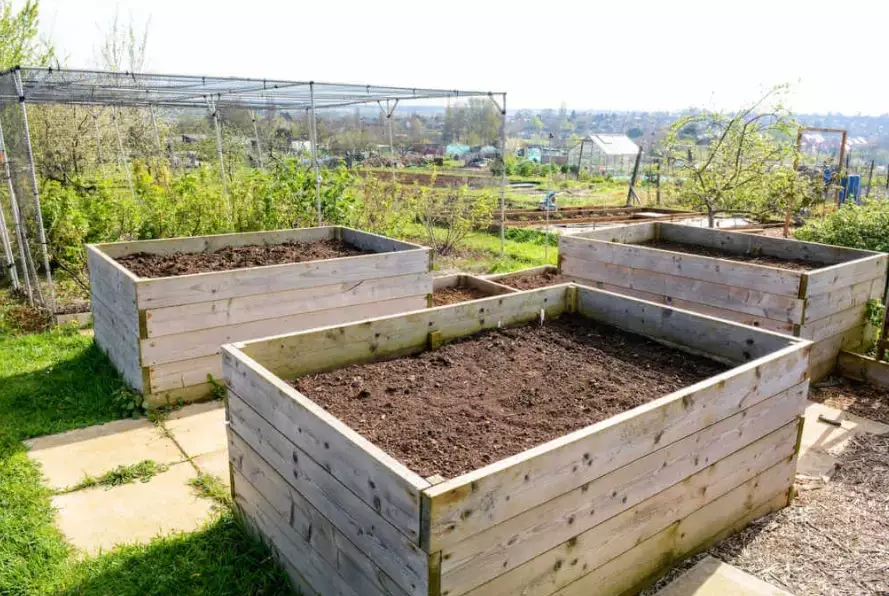
The goal is a loamy, well-structured, living soil. It should feel crumbly and light in your hand, yet hold together when squeezed (before falling apart).
The "Perfect" Raised Bed Soil Recipe (And Variations)
After filling dozens of beds over the years, I've settled on a base formula that works like a charm. I call it the 1-1-1 Rule. It's simple, adaptable, and focuses on function, not magic ingredients.
The 1-1-1 Base Formula
Mix equal parts (by volume) of:
- Compost: Your nutrient engine. Use a blend of sources if possible—municipal compost, homemade, mushroom compost, or worm castings. Diversity here feeds a more diverse soil life. Don't skip this.
- Aeration Material: This is your drainage insurance. Coarse horticultural sand (not playground sand, which is too fine) is my top pick. Alternatives include perlite or pumice. Peat moss or coconut coir are often listed here, but they're for moisture retention, not aeration. You still need the grit.
- Weed-Free Topsoil or Aged Fine Bark: This provides body and mineral content. Bagged "garden soil" can work here if it's not too chunky. For a more sustainable option, screened, aged bark fines create fantastic structure and slowly feed the soil as they break down.
So, 1 wheelbarrow of compost + 1 wheelbarrow of coarse sand + 1 wheelbarrow of topsoil/bark. Mix it on a tarp. It's that straightforward.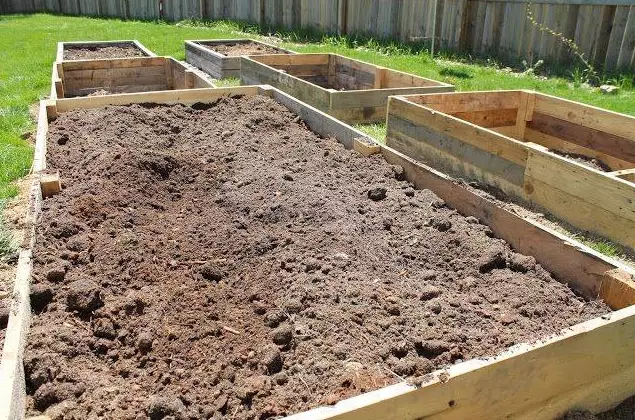
Recipe Variations for Specific Needs
| For This Purpose... | Adjust Your 1-1-1 Mix Like This |
|---|---|
| Starting a New Bed on a Budget | Reduce the compost to 1 part, but increase the topsoil to 2 parts. Supplement with a slow-release organic fertilizer at planting time. |
| Extreme Drainage (Wet Climate, Clay Base) | Increase the aeration material (sand/perlite) to 1.5 parts. Consider adding a 3-inch layer of coarse gravel at the very bottom of the bed. |
| Moisture Retention (Hot & Dry Climate, Sandy Base) | Replace 0.5 parts of the aeration material with peat moss or coconut coir. Mulch heavily immediately after planting. |
| Growing Root Crops (Carrots, Parsnips) | Go heavy on the sand or sift your mix to remove large stones and clumps. Loose soil is non-negotiable for straight roots. |
The 3 Most Common Raised Bed Soil Mistakes
I've made these. My neighbors have made these. Let's skip the frustration.
1. Using 100% Bagged "Potting Mix." It's designed for containers that need to be light. In a large raised bed, it will shrink dramatically, drain too quickly, and become hydrophobic. It's also wildly expensive to fill a whole bed with it.
2. Using 100% Compost. This seems logical—compost is great, right? But it's like feeding your plants only cake. It's rich but has no structure. It turns into a dense, muddy, nutrient-locked mess that can even "burn" plants with excess salts. Compost is a component, not the whole show.
3. Not Planning for Settlement. All fresh soil mixes settle, especially organic ones. Fill your bed to the absolute brim, even mounding it slightly in the center. It will settle 1-2 inches within the first few weeks. If you fill it level at the start, you'll be below the rim before you even plant.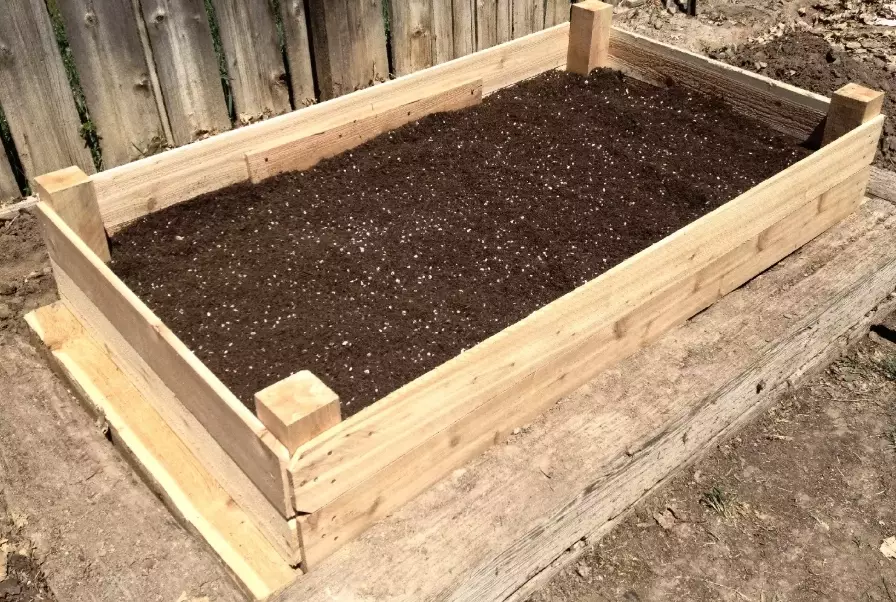
Filling Your Bed: A Smart, Cost-Effective Strategy
Filling a deep bed with pure premium mix can cost hundreds. You don't need to. Use a layered approach, often called "Hügelkultur-lite" or core gardening.
For a bed 18-24 inches deep:
- Bottom 1/3: Fill with bulky, slow-to-rot organic matter. Logs, sticks, branches, old straw bales, even crumpled cardboard. This creates a moisture reservoir as it slowly decomposes. It also saves a ton of soil.
- Middle 1/3: Use cheaper, bulk material. This could be native soil (if it's not pure clay), leaves, grass clippings, or purchased topsoil. Mix in some of your compost here too.
- Top 1/3 (The Root Zone): This is where you use your premium 1-1-1 soil mix. Ensure this layer is at least 10-12 inches deep for most vegetables.
I did this with three new 4x8 beds last spring. The bottom layer was old brush and fallen branches from my yard. It cut my soil purchase by about 40%. By August, those beds held moisture better than my older, fully-filled beds during a dry spell.
Long-Term Care: Keeping Your Soil Alive
Your soil isn't a one-time setup. It's a living ecosystem that needs maintenance.
Annual Refresh: Each spring, before planting, remove the top 1-2 inches of tired soil (add it to your compost pile). Then, add 2-3 inches of fresh compost and gently fork it into the top 6 inches of the existing soil. This replaces nutrients and organic matter without starting from scratch.
Mulch Religiously: A 2-3 inch layer of straw, shredded leaves, or wood chips on the soil surface is non-negotiable. It conserves water, suppresses weeds, moderates soil temperature, and feeds worms as it breaks down.
Rotate Crops: Don't plant the same family (like tomatoes/peppers/eggplant) in the same spot year after year. It depletes specific nutrients and can encourage disease. A simple three-year rotation helps.
Listen to Your Plants: If growth is stunted or leaves are discolored, don't just dump fertilizer. Get a simple soil test from your local cooperative extension office. It's cheap and tells you exactly what's missing or excessive. Blindly adding things can make problems worse.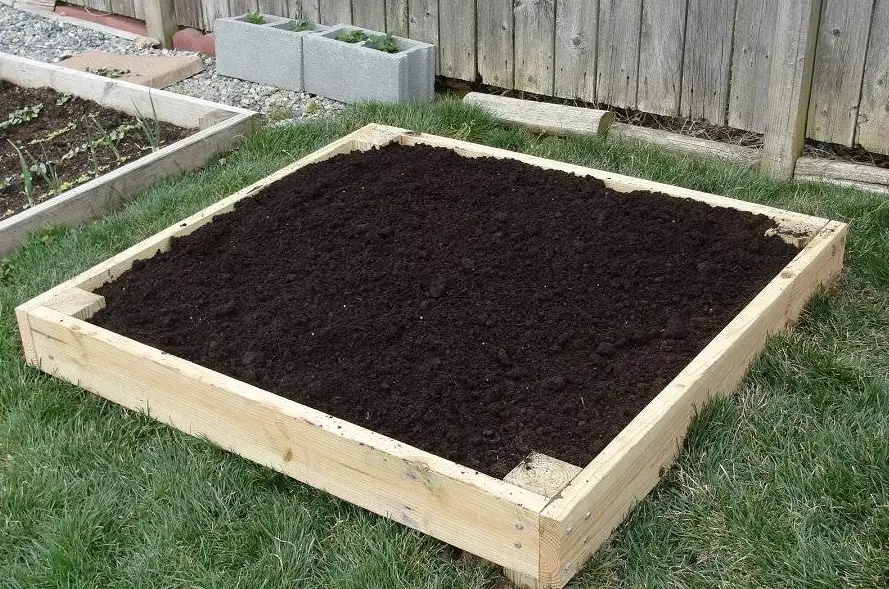
Quick Answers to Your Soil Questions
Can I use regular garden soil in my raised beds?
It's the most common mistake I see. Straight garden soil from your yard is too dense for the confined space of a raised bed. It lacks the aeration and drainage that raised beds need, leading to compaction and waterlogging. Over time, it becomes like concrete, suffocating roots. You're better off using it as a minor component in a larger, looser mix.
What is the best soil depth for a raised vegetable bed?
Aim for a minimum of 12 inches. Most vegetables are happy with 12-18 inches. For deep-rooters like tomatoes, carrots, or parsnips, 18-24 inches is ideal. Don't just fill the whole depth with your premium soil mix, though. Use the 'lasagna' or core gardening method to save money: fill the bottom third with coarse materials like logs or sticks, then the next third with cheaper topsoil or compost, and reserve the top 12 inches for your perfect, nutrient-rich blend.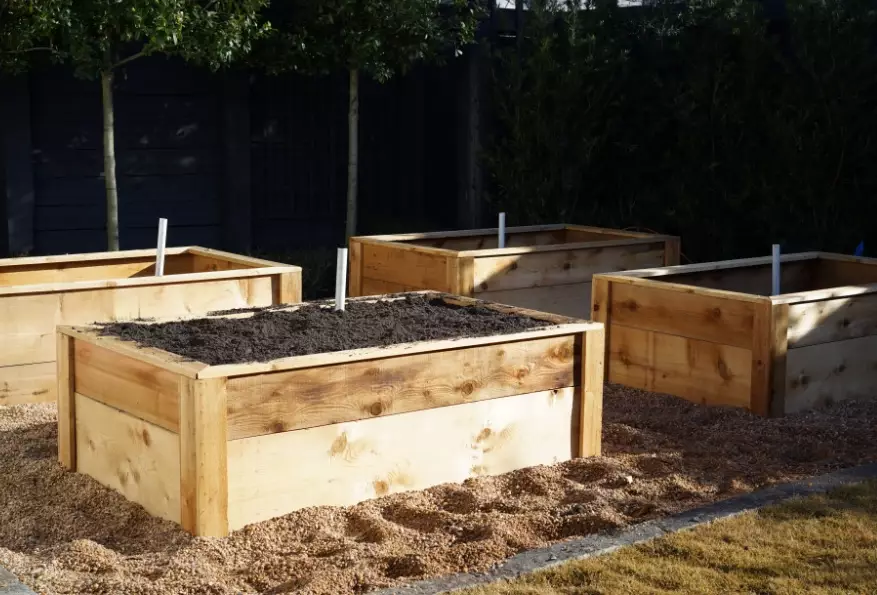
How often should I change or refresh the soil in my raised bed?
You don't need to fully replace it every year if you manage it well. Complete replacement is disruptive and expensive. Instead, refresh it annually. At the start of each season, remove the top few inches of tired soil and mix in 2-3 inches of fresh compost and a balanced, slow-release organic fertilizer. This replaces nutrients and improves texture. A complete overhaul is only necessary every 4-5 years if the soil structure has completely collapsed.
 Is it cheaper to buy bagged soil or bulk soil for filling raised beds?
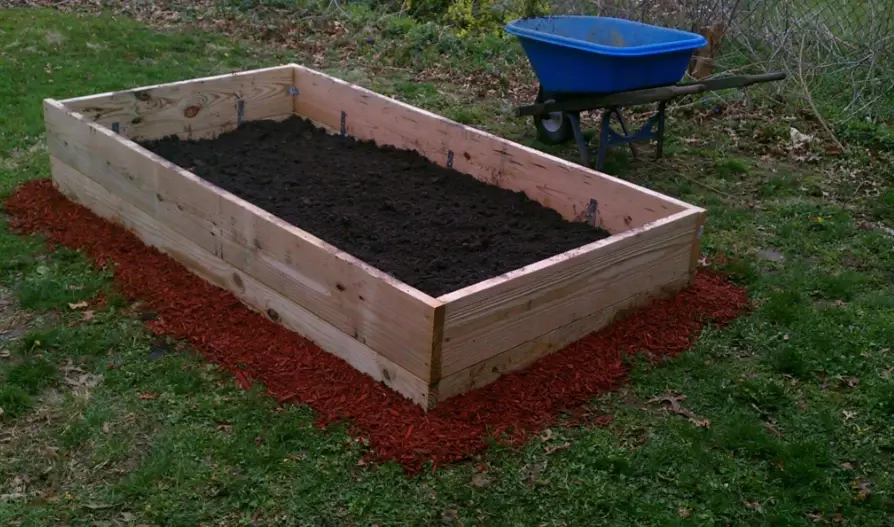
Bulk soil (by the cubic yard from a landscape supply) is almost always significantly cheaper for filling large volumes. For a standard 4x8 foot bed at 12 inches deep, you need 32 cubic feet (about 1.2 cubic yards). Bagged soil would cost a fortune. The catch? Bulk soil quality varies wildly. You must visit the supplier, feel the soil, and ask about its composition. Bagged mixes offer consistency and are perfect for topping off or for small beds, but for the initial fill, bulk is the economical choice.
Reader Comments