I killed my first crop of carrots. Not with neglect, but with enthusiasm. I saw a sunny day in early March, felt that spring itch, and scattered seeds into soil that was still whispering winter. Nothing happened. Or worse, a few spindly sprouts emerged and then vanished. The problem wasn't my care; it was my calendar. Getting the timing right for carrots isn't just a suggestion—it's the difference between a crunchy, sweet harvest and a total garden flop.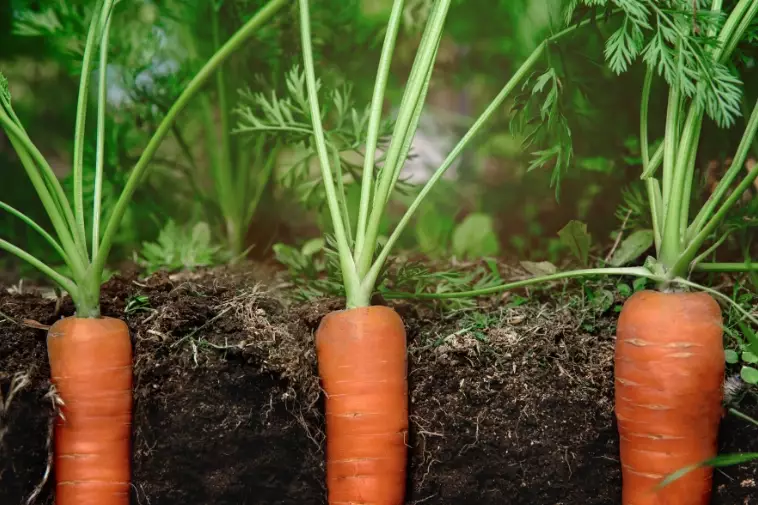
Forget generic advice like "plant after the last frost." Carrots play by different rules. Their success is a secret handshake between soil temperature, daylight, and a bit of gardener's patience. Let's break that code.
What's Inside This Guide?
- Why Getting the Date Right Makes or Breaks Your Carrots
- How to Find Your Perfect Planting Window (No Guesswork)
- The Soil Thermometer Trick Most Gardeners Skip
- Spring vs. Fall Planting: Which is Actually Better?
- The Lazy Gardener's Secret: Succession Planting for Non-Stop Carrots
- 3 Timing Mistakes You're Probably Making
Why Timing is Everything for Carrots
Carrot seeds are tiny, slow, and fussy. Plant them too early in cold, wet soil, and they'll simply rot before they ever wake up. Plant them too late in spring, and they'll hit the scorching summer heat just as they're trying to form roots, often resulting in bitter, woody, or stunted carrots.
The magic window is all about moderate, consistent temperatures. You're aiming for soil that's warm enough to trigger germination but cool enough to encourage the plant to focus on root development, not bolting (sending up a flower stalk).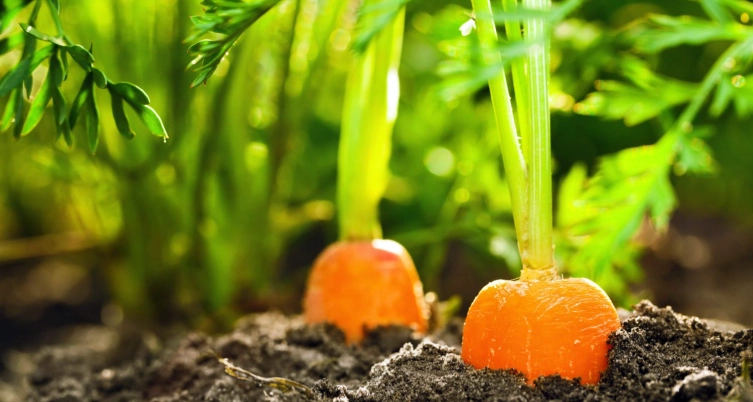
Expert Insight: Most gardening guides talk about air temperature. For carrots, soil temperature is your north star. A 50°F (10°C) soil temperature is far more meaningful than a 60°F (16°C) air temperature on a sunny afternoon. The soil holds the cold long after the air warms up.
How to Determine Your Exact Planting Window
Throw away the one-size-fits-all date. Your schedule depends on two things: your local climate and whether you're planting in spring or fall.
The Non-Negotiable Tool: A Soil Thermometer
This is the single best investment for a root vegetable gardener. A basic dial or digital probe thermometer costs less than a packet of seeds. In the morning, stick it 2-3 inches deep into your prepared seedbed. Do this for several days in a row. You're looking for a consistent reading.
- Minimum: 45°F (7°C). Germination may begin, but it will be painfully slow and spotty.
- Ideal Range: 50-70°F (10-21°C). This is the sweet spot. At 50°F, seeds may take 3 weeks to sprout. At 70°F, it can be as quick as 7 days.
- Too Hot: Above 80°F (27°C), germination rates drop again. The soil can bake the seeds.
Your Climate-Based Planting Schedule
Use this table as a starting point, but always verify with your soil thermometer.
| Climate Type | Spring Planting Window | Fall Planting Window | Key Consideration |
|---|---|---|---|
| Cool Northern Summers (e.g., Pacific NW, Upper Midwest) | Late April - Late May | Mid-July - Early August | Your main challenge is a short season. Use fast-maturing varieties (50-60 days) for fall. |
| Temperate Zones (e.g., Mid-Atlantic, Great Lakes) | Early April - Mid-May | Late July - Late August | You have two excellent windows. Spring planting avoids summer heat; fall planting yields super-sweet carrots. |
| Hot Southern Summers (e.g., Southeast, Southwest Low Desert) | Late February - March | September - October | Spring planting must be very early. Fall is often the primary, more successful season. |
To get hyper-local, find your average last spring frost date and average first fall frost date. Universities with agricultural extensions, like those referenced by the University of California's Master Gardener Program, often have the most accurate local data. Plant carrots 2-4 weeks before your last spring frost date. Yes, before. They can handle a light frost once they're up.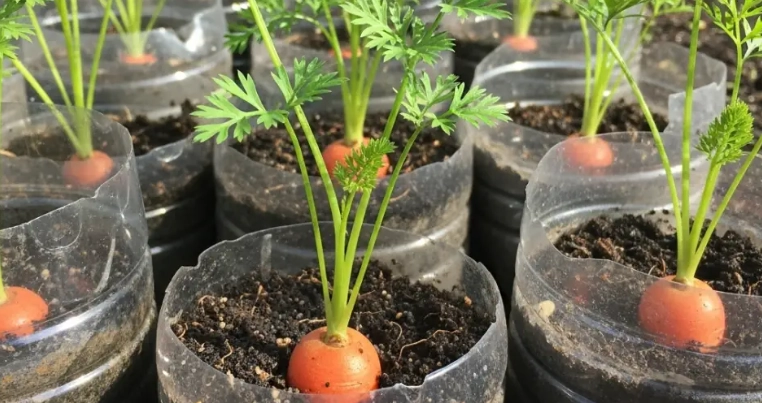
The Great Debate: Spring Planting vs. Fall Planting
Most people only think of spring. They're missing half the fun.
Spring Planting: The classic approach. You get an early summer harvest. The risk? If you're late, your carrots mature in summer heat. I've pulled up carrots in July that tasted like pine needles. Not good.
Fall Planting: This is the gardener's secret for sublime carrots. You sow seeds in late summer. They establish roots in the warm soil, then mature during the cool, crisp days of autumn. The cool temperatures trigger the plant to convert starches into sugars. The result? Carrots that are noticeably sweeter and more tender than their spring-grown counterparts. You can often leave them in the ground (mulched heavily) and harvest them fresh all winter in many climates.
Critical Fall Timing Tip: Don't wait until it feels like fall to plant for fall. Count backwards from your first fall frost date. Find a variety's "Days to Maturity" on the packet. Plant so they mature at or just after that frost date. Add 2 weeks as a buffer, as growth slows in cooler weather. For a 70-day carrot and an October 15th frost, plant around August 1st.
Never Run Out: Succession Planting Made Simple
You don't need a huge plot to have carrots all season. The trick is to plant a little bit, often. This is called succession planting.
Instead of sowing one long row in April and getting 50 carrots all at once in July, try this:
- Early April: Sow a 3-foot row of an early variety like 'Nantes' (60 days).
- Early May: Sow another 3-foot row of a maincrop like 'Danvers' (75 days).
- Late July: Sow a 6-foot row for your fall/winter harvest.
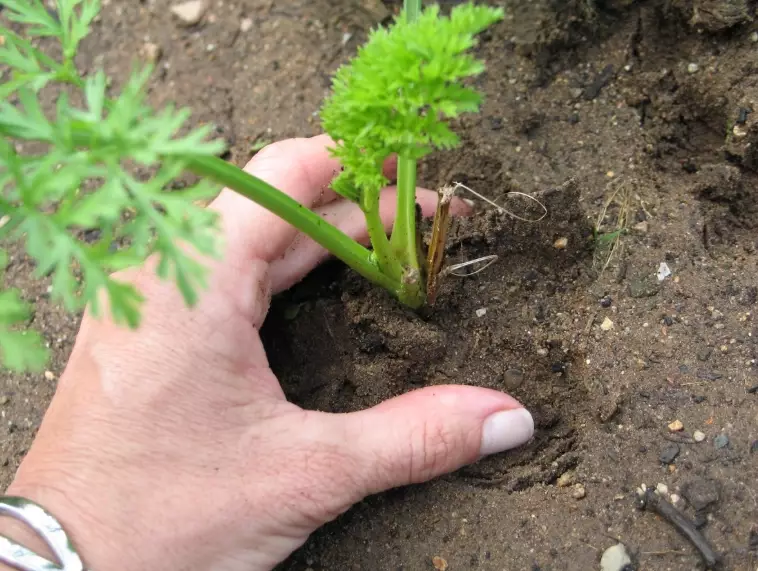
This staggers your harvest. You'll have fresh carrots from early summer, through late summer, and from fall right into next spring. It's the most efficient way to use space.
3 Timing Mistakes You're Probably Making
- Planting by the calendar, not by the soil. I said it before, but it's the biggest error. March 15th might be perfect one year and a frozen mess the next. Your soil thermometer doesn't lie.
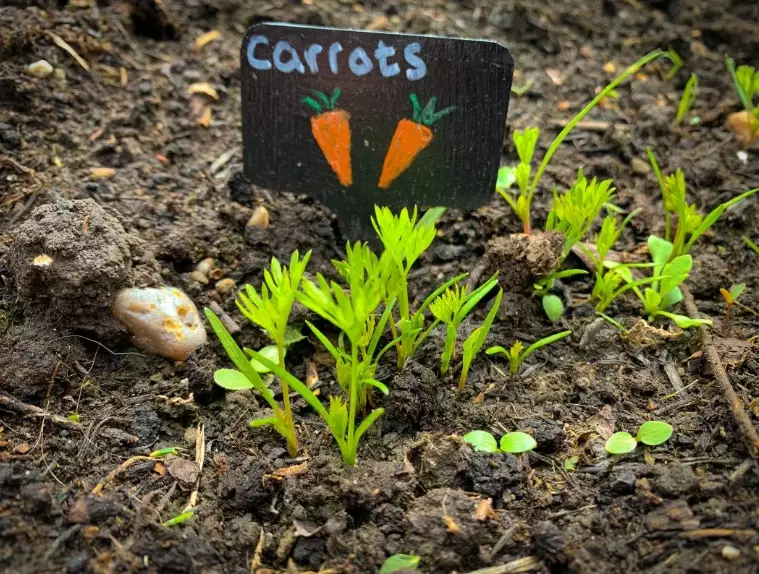
- Giving up on slow-to-sprout seeds. Carrot seeds can take 14-21 days to germinate in cooler soil. Don't assume they failed and till the bed after two weeks. Keep the soil surface moist (not soggy) with a light daily watering until you see those fine green threads.
- Missing the fall planting window. It creeps up on you. When you're busy harvesting tomatoes and zucchini in August, it's easy to forget to sow carrots. Put a reminder in your phone or garden journal for 10-12 weeks before your first fall frost.
Timing your carrot planting isn't about following a rigid rule. It's about learning to read the subtle signals of your garden—the warmth of the soil, the length of the day, the rhythm of the seasons. Get this right, and you'll unlock the secret to carrots that are crisp, sweet, and abundant. Forget the guesswork. Pick up that soil thermometer, mark your fall planting date, and get ready for your best carrot harvest ever.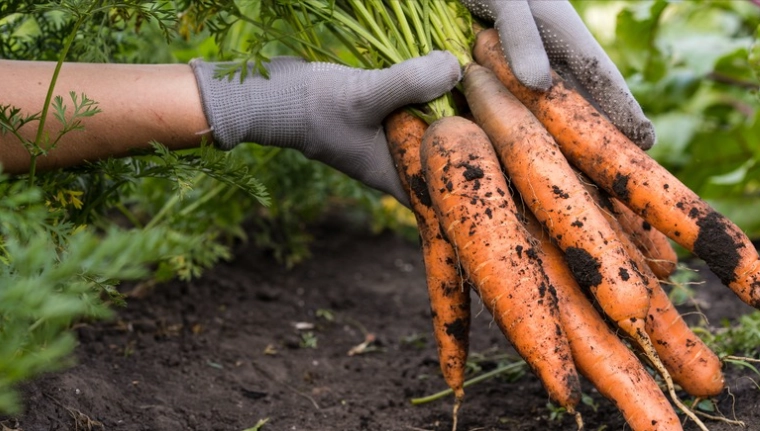
 How do I know my first and last frost dates?
Reader Comments