You see them perched on a rosebud, their shiny red shells dotted with black. Ladybugs. They're a sign of a healthy garden, a tiny predator working silently to protect your plants. But that polished adult beetle is just the final chapter of a story that starts as something... well, honestly, a bit creepy-looking to the untrained eye. Understanding the full ladybug life cycle isn't just fascinating natural history. It changes how you see your garden. It turns a cute bug into a complex, four-stage biological control agent. And it might stop you from accidentally killing the very helpers you're trying to attract.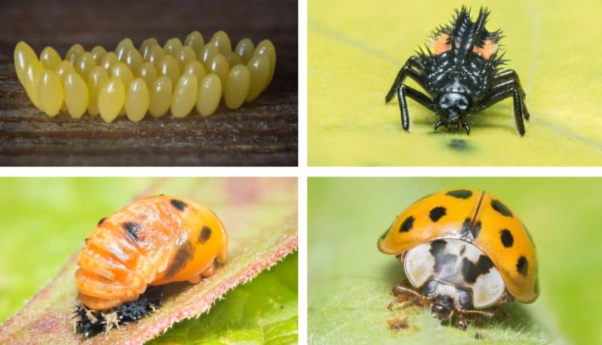
I've spent years watching these cycles unfold in my own backyard. The first time I saw a spiky, alligator-shaped larva devouring aphids, I almost squished it, thinking it was a pest. That's a common mistake. Let's make sure you don't make it.
What You'll Discover
- The Four Stages of the Ladybug Life Cycle
- Stage 1: Ladybug Eggs - The Tiny Beginning
- Stage 2: Ladybug Larvae - The Aphid Vacuum
- Stage 3: Pupa - The Quiet Transformation
- Stage 4: Adult Ladybug - The Familiar Guardian
- Ladybug Life Cycle Timeline at a Glance
- Supporting Ladybugs in Your Garden
- Your Ladybug Life Cycle Questions Answered
The Four Stages of the Ladybug Life Cycle
Ladybugs undergo what's called complete metamorphosis. This means they don't just grow bigger; they completely change their body plan. Think caterpillar to butterfly. The ladybug's journey is just as dramatic: Egg → Larva → Pupa → Adult. Each stage has a distinct look and a specific job.
Most of the heavy lifting for pest control? That's done in the larval stage. The adult stage is for dispersal, mating, and, for the females, finding the perfect spot to start the cycle all over again.
Stage 1: Ladybug Eggs - The Tiny Beginning
It starts with a cluster of tiny, yellow, oblong eggs. A female ladybug lays them on the underside of a leaf, usually near an aphid colony—the future nursery's all-you-can-eat buffet. This is strategic parenting. She's ensuring her offspring have immediate access to food upon hatching.
The eggs hatch in about a week. Out come the larvae, and they look nothing like their parents. They're elongated, spiky, and often dark-colored. This is the eating machine phase.
Stage 2: Ladybug Larvae - The Aphid Vacuum
This is the stage most people never see, or if they do, they mistake it for a pest. The larva is a voracious predator. It spends its two-week life gorging on aphids, scale insects, or mites, depending on the species. It molts several times, growing larger each time.
You might find them on your rose bushes or tomato plants. Don't kill them. They're the garden's secret weapon.
Stage 3: Pupa - The Quiet Transformation
After gorging itself, the larva attaches itself to a leaf and forms a pupa. It looks like a tiny, bumpy shrimp. Inside, the transformation into an adult takes place. This stage lasts about a week. It's a vulnerable time. The pupa doesn't move or eat.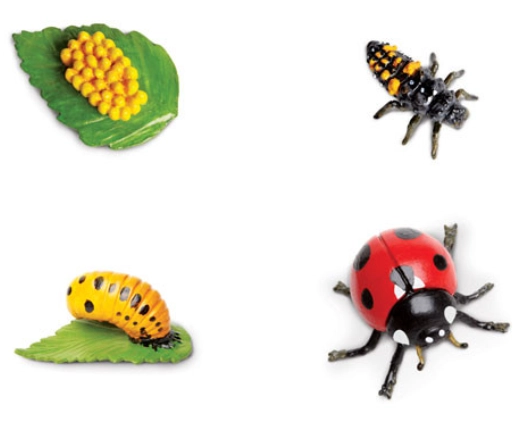
Then, the adult ladybug emerges. At first, its shell is soft and pale, but it hardens and gains its iconic spots within hours.
Stage 4: Adult Ladybug - The Familiar Guardian
The adult ladybug you know. Its bright colors are a warning: "I taste terrible." This is a defense mechanism against birds and other predators. The adult continues to eat pests, though sometimes less voraciously than the larva. Its main goals now are to mate and, as temperatures drop, find a place to overwinter.
Adults can live for several months to a year, often going through a dormant period in winter. On a warm spring day, they emerge, mate, and the female seeks out an aphid colony to lay her eggs. The cycle repeats.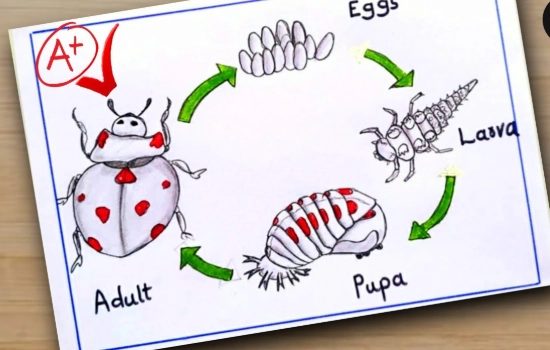
Ladybug Life Cycle Timeline at a Glance
Here’s a quick reference for what happens and when during a typical ladybug's development. Remember, temperature and food availability can speed this up or slow it down.
| Stage | Duration | Key Activity & Appearance |
|---|---|---|
| Egg | 3-7 days | Yellow/orange clusters on leaf undersides. |
| Larva | 2-3 weeks | Alligator-shaped, spiky, dark-colored. Eats hundreds of pests. |
| Pupa | 5-7 days | Immobile, shrimp-like case attached to a leaf. |
| Adult | Months to 1 year | Familiar spotted beetle. Disperses, mates, overwinters. |
After the table, the real nuance begins. For instance, the larval stage duration is highly variable. In a cool spring with scarce aphids, it might stretch to four weeks. In a hot, aphid-infested July, it could be a frantic 12-day rush to maturity. I've seen both in my garden.
Supporting Ladybugs Through Their Life Cycle
If you want this free pest control service year after year, you need to support all life stages.
Food for All Ages
Larvae need soft-bodied insects. Adults, especially when prey is scarce, need pollen and nectar. Plant a mix of flat, easy-to-land-on flowers like yarrow, dill, fennel, and marigolds. This provides a supplemental food source.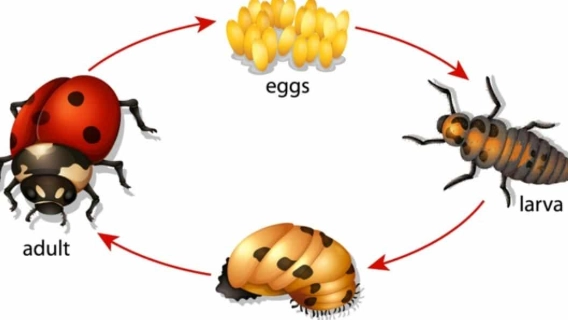
Providing Shelter
Overwintering adults need dry, sheltered spots. Leave some leaf litter in a corner of the garden. A small pile of rocks or a bug hotel can offer crucial winter housing. Avoid being too tidy in the fall.
The Water Source
A shallow dish with pebbles and water gives them a safe place to drink. It's a simple gesture they'll appreciate during a hot, dry spell.
It’s about creating an ecosystem, not just hosting a single bug. Resources from institutions like the University of Kentucky's Department of Entomology emphasize this holistic approach to attracting beneficial insects.
Your Ladybug Life Cycle Questions Answered
Here are answers to some specific questions that pop up when you start observing these insects closely.
Watching the ladybug life cycle connect in your own space is one of gardening's quiet rewards. You move from seeing a random red bug to understanding a full, dynamic system. You start noticing the egg clusters, recognizing the helpful larvae, and protecting the strange-looking pupae. Your garden becomes more than a collection of plants; it becomes a stage for this ancient, efficient cycle of life.
Reader Comments