I’ve been growing carrots for over a decade, and let me tell you—it’s not as simple as tossing seeds in the ground. Most beginners end up with stunted, forked roots, and they give up. But get the basics right, and you’ll harvest sweet, straight carrots that beat anything from the store. This guide cuts through the fluff and gives you the real deal, based on my own trials and errors in my backyard garden.
What’s Inside This Guide?
How to Prepare Soil for Carrot Plants
Soil is everything with carrots. I learned this the hard way when my first crop came out looking like abstract art—twisted, forked, and barely edible. Carrots are taproots, meaning they grow straight down. If they hit a rock or compacted layer, they fork or stunt.
Start by testing your soil. You don’t need a fancy kit; just grab a handful and squeeze. If it forms a tight ball, it’s too clay-heavy. Carrots thrive in loose, sandy loam with good drainage. Aim for a pH between 6.0 and 6.8. Most garden centers sell pH test strips, or you can send a sample to your local extension office—like the USDA’s Natural Resources Conservation Service, which offers soil health guides.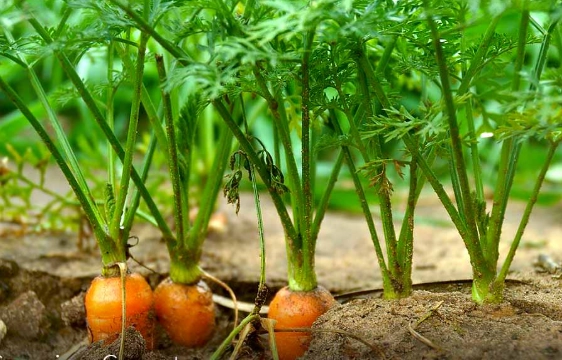
Getting Soil Texture Right
Here’s a quick table comparing soil types for carrot growth:
| Soil Type | Pros for Carrots | Cons for Carrots | How to Improve |
|---|---|---|---|
| Sandy Loam | Excellent drainage, easy for roots to penetrate | Low nutrient retention | Mix in compost to boost fertility |
| Clay Soil | Holds nutrients well | Compacts easily, poor drainage | Add sand and organic matter to loosen |
| Silty Soil | Fertile and moisture-retentive | Can crust over, hindering seedlings | Top with mulch to prevent crusting |
If you’re stuck with heavy soil, consider raised beds. I built mine 18 inches deep using untreated wood, filled with a mix of topsoil, compost, and coarse sand. It made a huge difference—my carrots grew longer and straighter.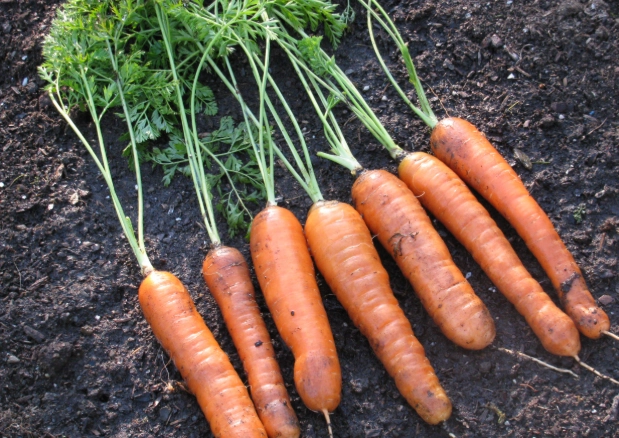
Planting Carrot Seeds: A Step-by-Step Guide
Timing is crucial. Carrots are cool-season crops. Plant them 2-4 weeks before the last frost in spring, or in late summer for a fall harvest. I’m in Zone 6, so I sow around mid-April. Check your local frost dates; the Old Farmer’s Almanac website has a handy tool.
Seeds are tiny, so sowing evenly is tricky. I mix them with sand to spread them out. Plant them ¼ inch deep—no deeper, or they might not germinate. Space rows 12-18 inches apart. Water gently after planting to settle the soil.
Germination takes 1-3 weeks. Keep the soil moist but not soggy. I’ve seen gardeners overwater and wash away seeds. A light mulch of straw helps retain moisture.
Spacing and Depth: The Goldilocks Zone
Too crowded, and carrots compete; too sparse, and weeds take over. Thin seedlings when they’re 2 inches tall, leaving 2-3 inches between plants. Use scissors to snip extras—pulling can damage nearby roots. This step is non-negotiable. I skipped it once, and my harvest was a mess of pencil-thin carrots.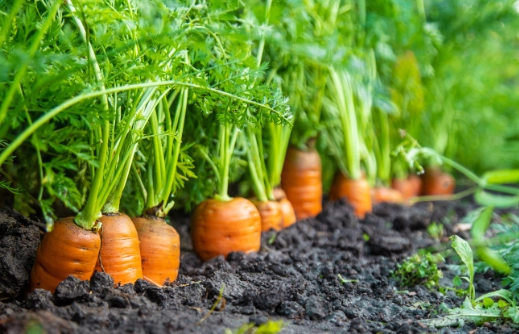
Caring for Carrot Plants: Watering, Fertilizing, and Pest Control
Once established, carrots are low-maintenance, but they have specific needs. Water consistently—about 1 inch per week. Inconsistent watering leads to cracked carrots. I set up a drip irrigation system on a timer. During hot spells, water deeply every 3-4 days.
Fertilize sparingly. Too much nitrogen gives you lush tops but puny roots. At planting, I work in a balanced fertilizer (like 5-10-10) into the soil. When plants are 4 inches tall, side-dress with compost or a low-nitrogen feed. The Royal Horticultural Society recommends avoiding high-nitrogen feeds for root crops.
Common Pests and Diseases
Carrot rust flies are the worst. Their larvae tunnel into roots, ruining them. I use floating row covers immediately after planting to block them. Crop rotation helps too—don’t plant carrots in the same spot year after year.
Other issues include leaf blight and aster yellows. Remove affected plants promptly. For organic control, neem oil works on minor infestations. I’ve found that healthy soil reduces disease pressure overall.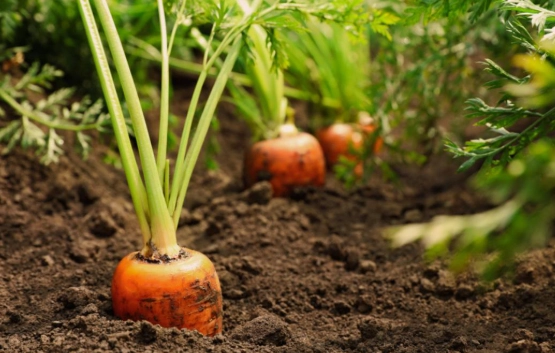
Harvesting and Storing Your Carrots
Harvest time depends on the variety. Most mature in 60-80 days. Check the seed packet. I start pulling baby carrots at 50 days for tender eating. For storage types, wait until after a light frost—it sweetens them up.
To harvest, loosen soil with a fork and pull gently. Don’t yank; you might break the tops. I store carrots in the fridge in perforated plastic bags for weeks. For long-term storage, pack them in damp sand in a cool basement. They’ll last months.
One year, I left carrots in the ground over winter under mulch. They survived and tasted amazing in spring—but only in mild climates.
Common Mistakes and How to Avoid Them
Here’s where experience pays off. Most mistakes are preventable:
- Planting too deep: Seeds need light to germinate. Keep them at ¼ inch.
- Over-fertilizing: Stick to low-nitrogen options. I use compost tea every few weeks.
- Ignoring thinning: It feels wasteful, but it’s essential. Thin early and thoroughly.
- Poor soil prep: Don’t skip deep loosening. I spend more time on soil than anything else.
I’ve made all these errors. My first garden had carrots so forked, my kids called them “monster fingers.” Now, I get straight, robust roots every time.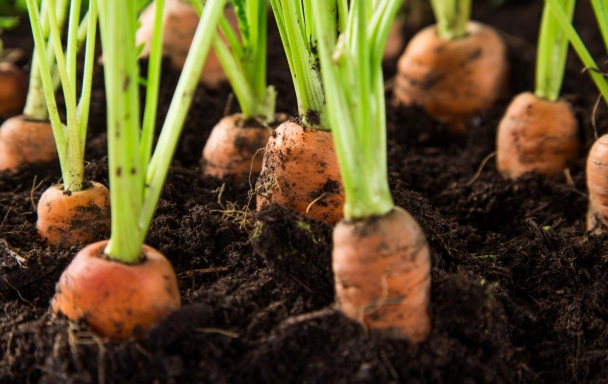
Your Carrot Growing Questions Answered
Growing carrots is a rewarding journey. Start with good soil, be patient with seeds, and keep an eye on water. You’ll soon enjoy homegrown carrots that are crisp, sweet, and totally worth the effort. For more resources, check out the USDA’s gardening tips or local extension offices—they offer free advice tailored to your region.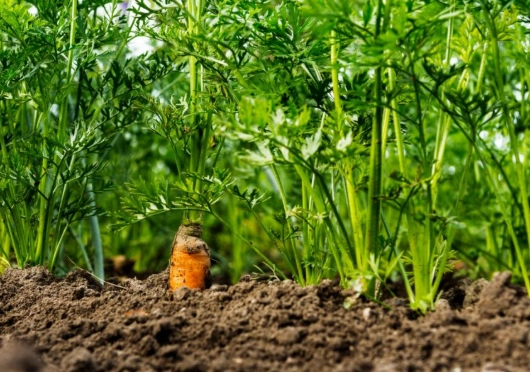
Reader Comments