Let's be honest. Everyone says summer squash is easy to grow. And it is—to start. Getting a plant to survive and actually give you a steady supply of tender, delicious squash without being devoured by bugs or succumbing to mildew? That's where the real gardening happens. I've planted these vigorous growers for over a decade, and I've made every mistake so you don't have to. This guide cuts through the fluff and gives you the actionable steps and sneaky pitfalls for a genuinely successful harvest.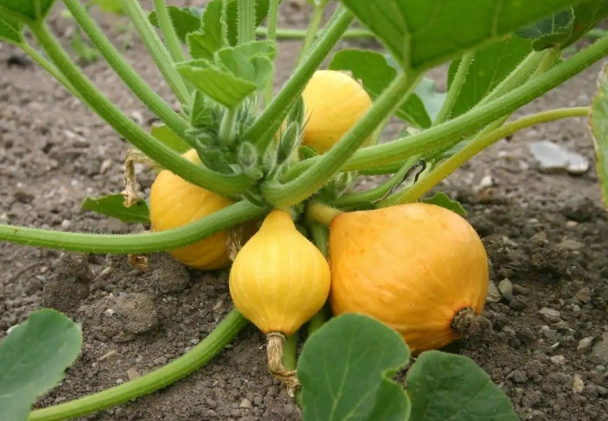
What You'll Learn
Picking Your Squash: It's Not Just Zucchini
"Summer squash" is a category, not one plant. Choosing the right variety for your space and taste is the first secret to satisfaction. Most beginners grab the first packet of green zucchini seeds they see, but the world is wider than that.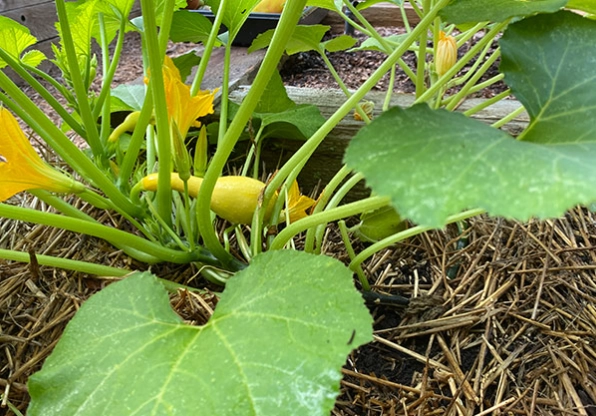
Think about your garden's real estate. Do you have sprawling space or just a patio? Varieties like the classic 'Black Beauty' zucchini or 'Yellow Crookneck' are space hogs, sending out long, rambling vines. My first year, I planted a heirloom 'Costata Romanesco' too close to my tomatoes, and by August, it was a leafy jungle. For smaller spaces, seek out bush varieties like 'Eight Ball' (perfect round zucchini) or 'Patio Star'. They're bred to stay compact and are fantastic for containers.
Then there's flavor and texture. Yellow straightnecks are often more buttery and less seedy. Pattypan or scallop squashes ('Sunburst' is a vibrant yellow one) have a firmer, nuttier flesh that holds its shape when stuffed. Don't just grow one. Try two or three different types to see what you love.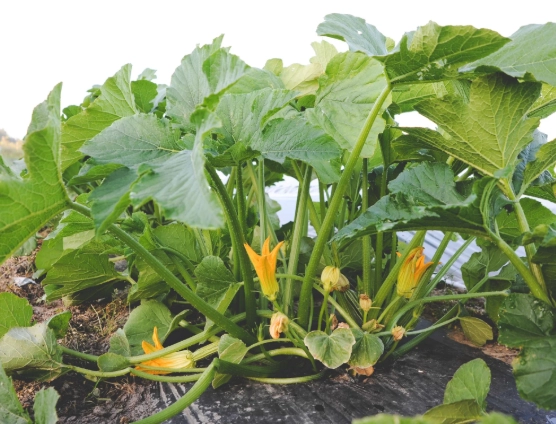
| Variety | Type | Growth Habit | Best For | My Note |
|---|---|---|---|---|
| 'Black Beauty' | Zucchini | Vining | Classic, high yield, reliable. | The workhorse. Can get bland if overgrown. |
| 'Yellow Crookneck' | Crookneck | Vining | Sweet, buttery flavor, bright color. | Skin toughens faster than zucchini. Pick young. |
| 'Sunburst' | Pattypan/Scallop | Bush | Containers, small spaces, unique look. | Firm flesh. Great for grilling whole. |
| 'Costata Romanesco' | Zucchini (Ribbed) | Vigorous Vining | Heirloom lovers, incredible nutty flavor. | Needs room. The flavor is worth the space. |
| 'Eight Ball' | Round Zucchini | Bush | Containers, stuffing, uniform size. | Fun to grow. Harvest when baseball-sized. |
Getting It in the Ground: The Foundation Matters
Summer squash are heavy feeders and sun worshippers. Skimp here, and you're fighting an uphill battle.
Location and Soil: The Non-Negotiables
You need full sun. Not "mostly sun." At least 6-8 hours of direct, blazing sun. Less, and the plants get leggy, produce fewer flowers, and become magnets for disease. The soil should be rich and drain well. A week before planting, I work in a generous 3-4 inch layer of finished compost and a balanced, slow-release organic fertilizer into the top 8 inches of soil. Don't just dump fertilizer in the planting hole; it can burn roots. Amend the whole bed.
Direct Sowing vs. Transplants
You can start seeds indoors 2-4 weeks before your last frost, but I almost always sow directly. The roots are sensitive to disturbance. Wait until the soil is reliably warm—at least 60°F (15°C) at a 2-inch depth. If you plant in cold, damp soil, the seeds will rot.
Plant seeds 1 inch deep. The spacing is crucial and often botched. For bush types, space hills 2-3 feet apart. For vining types, give them 3-4 feet. I plant 3 seeds per hill, and once they have a couple of true leaves, I snip off the two weakest at soil level. Don't pull them; you'll disturb the keeper's roots.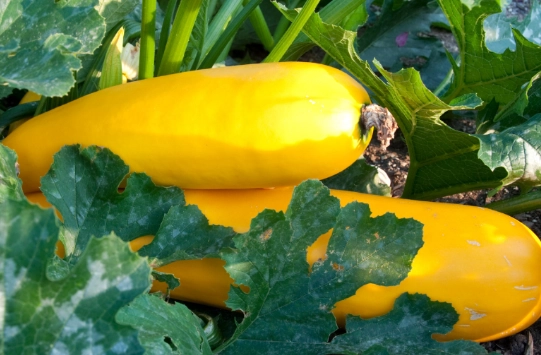
The Care Routine: Water, Food, and a Little Help
Consistency is the name of the game here. Erratic care stresses the plant and invites problems.
Watering: Deep and Infrequent
The biggest watering mistake is frequent, shallow sprinkling from above. This encourages powdery mildew and weak, surface-level roots. Your goal is 1-2 inches of water per week, delivered to the soil, not the leaves. Use a soaker hose or drip irrigation. Water deeply in the morning, then let the top inch of soil dry out before watering again. This builds drought-resistant roots.
Feeding: They're Hungry
That initial soil prep gets them going, but to keep producing all season, they need more fuel. When the first fruits start to form, I side-dress with compost or apply a balanced liquid fertilizer (look for something like a 5-5-5) every 3-4 weeks. A common sign of hunger is pale green or yellowing leaves, especially lower down.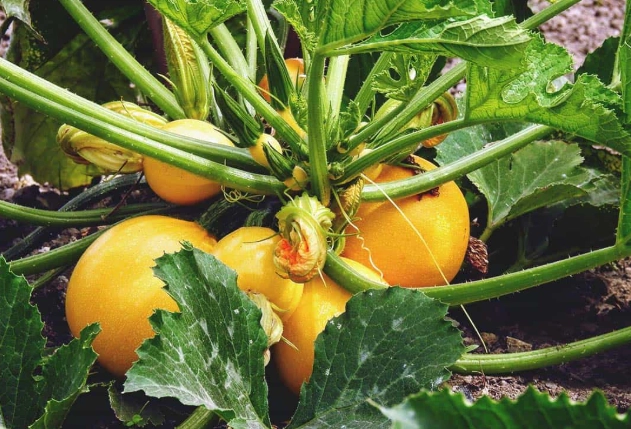
The Pollination Talk
This is where many gardeners get confused. Squash plants produce separate male and female flowers. The female has a tiny, immature squash at its base. If that little squash turns yellow and falls off, it wasn't pollinated. Bees usually handle this, but if they're scarce or weather is poor, you need to play matchmaker. In the morning, pick a male flower, peel back its petals, and rub its pollen-covered stamen onto the center of a female flower. It feels silly, but it works.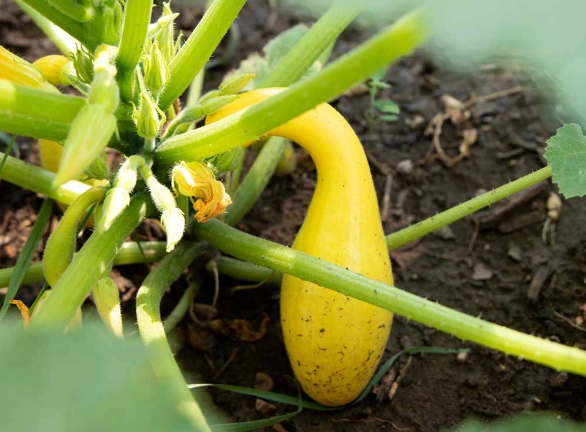
Defending Your Harvest: Pest and Disease Control
You will have visitors. Planning for them is better than reacting.
Squash Vine Borers: Public enemy number one. A red-and-black moth lays eggs at the base of the stem in early summer. The larvae bore in, killing the plant. Wrapping the lower 6-12 inches of stem with aluminum foil at planting time can block the moth. Inspect stems daily for sawdust-like frass. If you see it, you can try a careful surgery with a razor blade to extract the grub. My strategy? I plant a second round of seeds in early July, after the main egg-laying period is over.
Squash Bugs: They suck plant juices and spread disease. Check the undersides of leaves for their copper-colored egg clusters and scrape them off. Hand-pick adults in the early morning when they're slow. Neem oil can help with nymphs.
Powdery Mildew: That white, powdery coating on leaves. It's almost inevitable later in the season. Improve air circulation with proper spacing. At the first sign, spray with a homemade mix of 1 tablespoon baking soda, 1/2 teaspoon liquid soap, and 1 gallon of water. It won't cure infected leaves, but it can slow the spread on new growth.
Harvest and Storage: Picking at the Perfect Time
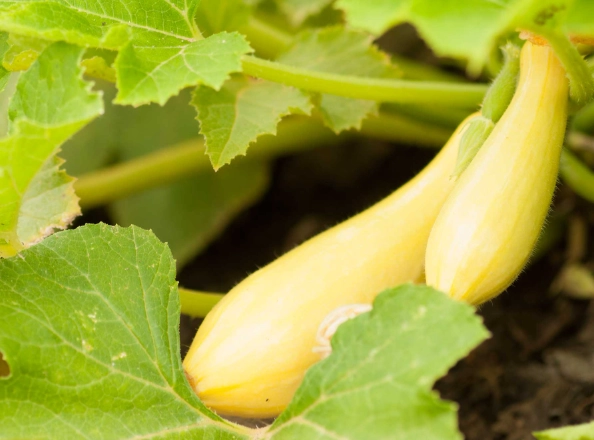
Here's the golden rule for growing summer squash: harvest small and harvest often. The flavor and texture are best when fruits are young and tender. For most zucchini and yellow squash, that's 6-8 inches long. Pattypans are best at 3-4 inches in diameter.
Use a sharp knife or pruners to cut the fruit from the stem; don't twist or tear. If you leave a giant squash on the plant, it sends a signal to stop producing. Check your plants every other day. In peak season, a fruit can go from perfect to baseball bat in 48 hours.
Freshly harvested summer squash doesn't store for ages. Keep it unwashed in a plastic bag in your refrigerator's crisper drawer for up to a week. For longer storage, grate and freeze it for future breads and fritters.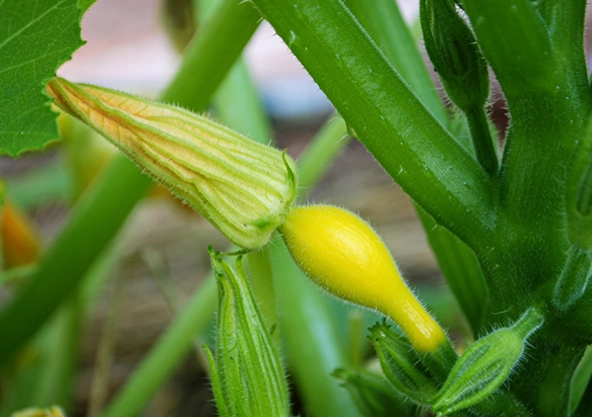
The most satisfying part? The more you pick, the more the plant produces. It's a generous, rewarding cycle that can feed you all summer long.
Reader Comments