You've nurtured your tomato plants from tiny seeds or seedlings. You've watered, staked, and watched the flowers turn into little green marbles. Now they're swelling, maybe showing a hint of color. The big question hits: when should you pick tomatoes?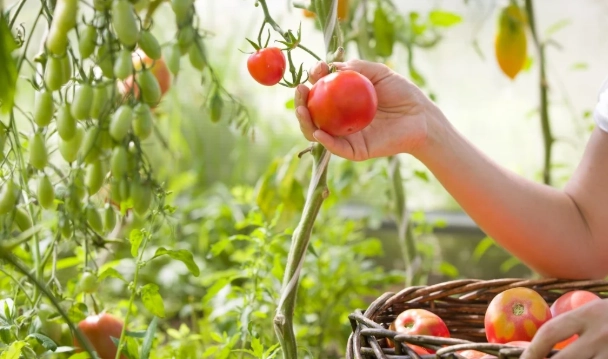
Most guides tell you to wait until they're "fully red." That's not wrong, but it's incomplete. Picking based solely on color is the number one mistake home gardeners make, and it's the reason store-bought tomatoes often taste like cardboard. The truth is, the perfect picking window is a combination of color, feel, smell, and even a bit of strategy based on the weather and pests in your garden.
Picking at the right moment locks in peak flavor, texture, and nutritional value. Pick too early, and you get a bland, mealy fruit. Leave it too long, and you're sharing your prize with birds, squirrels, or rot. Let's get into the real signs.
What You'll Learn in This Guide
The Visual Clues: More Than Just Red
Color is your starting point, not your finish line. The key stage to know is the "breaker" stage. This is when the tomato first shows a definite change from green to its mature color—a blush of red, pink, yellow, or purple, depending on the variety. At this point, it might only be 10-30% colored.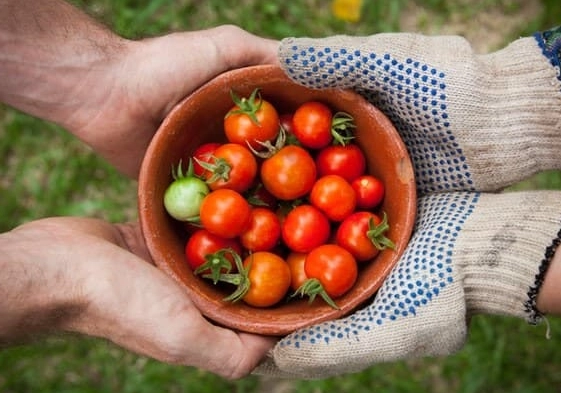
Why the breaker stage is a game-changer: Research from institutions like the University of California Cooperative Extension shows that once a tomato reaches the breaker stage, it has developed the full potential of its sugars, acids, and flavor compounds. It can be picked and will ripen fully off the vine without sacrificing taste. This is your green light to start harvesting, especially if critters are lurking.
After breaker, the color deepens and spreads. A tomato is considered ripe for fresh eating when it has developed its full, uniform color and has a slight give (more on that next). For heirlooms, the color might be a deep burgundy, striped, or even remain partially green when ripe—knowing your variety is crucial.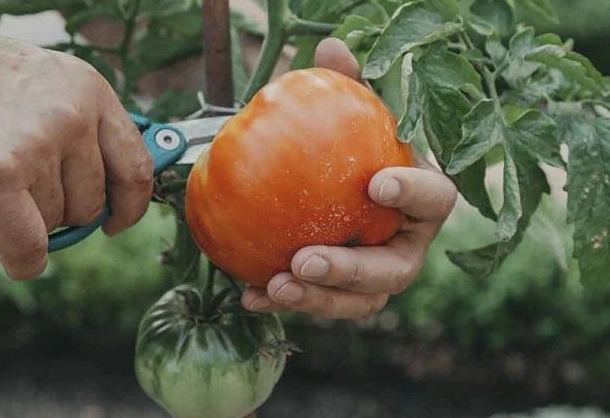
Here’s a quick visual guide for common types:
| Tomato Type | Ripe Color Indicator | Special Note |
|---|---|---|
| Classic Red Slicer (e.g., Beefsteak, Better Boy) | Deep, uniform red. No green shoulders. | The stem may start to look drier and brown. |
| Cherry/Grape Tomatoes | Vibrant, deep red (or yellow/orange). Very firm. | They ripen quickly. Pick clusters as they color up. |
| Heirloom Varieties (e.g., Brandywine, Cherokee Purple) | Can be pink, dark purple, striped, or have green shoulders. | Rely heavily on touch and smell. A pink Brandywine is often ripe. |
| Paste Tomatoes (e.g., Roma, San Marzano) | Deep, solid red throughout. | Best for sauce when fully red and very firm. |
The Touch and Smell Tests (The Expert's Secret)
This is where you move from novice to pro. Visuals can be tricky under leaf shade or with certain varieties. Your fingers and nose don't lie.
How to Perform the Gentle Squeeze Test
Don't pinch! That can bruise the fruit. Cup the tomato gently in your palm and apply a very slight, even pressure with your whole hand.
A ripe tomato will yield slightly, like a firm avocado or the palm of your hand when relaxed. It should have a little give, but still feel plump and heavy with juice. If it's rock hard, it's not ready. If it feels soft, squishy, or the skin is wrinkled, it's overripe (perfect for sauce, though).
I learned this the hard way. I used to wait for what I thought was "perfect red," only to find the underside had already started to go soft. Now, a gentle squeeze tells me more than my eyes ever could.
The Sniff Test Near the Stem
This is the most underrated trick. A truly ripe tomato emits a fragrance. Not a generic "vegetable" smell, but that unmistakable, sweet, earthy, tangy tomato smell.
Lean in and sniff near where the tomato connects to the stem (the stem scar). If you get a whiff of that classic tomato aroma, it's ready or very close. If it smells like nothing, or just like leaves, it needs more time on the vine to develop its flavor profile.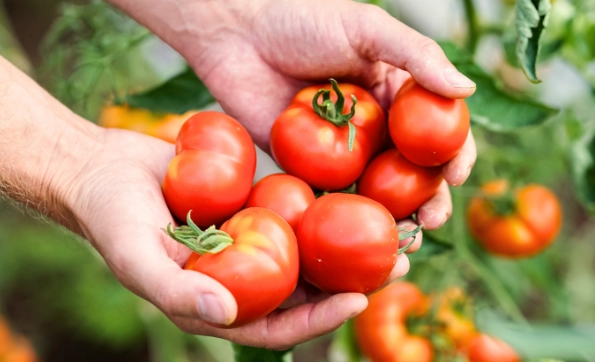
This smell is the volatile compound geosmin and other esters at work—the literal essence of tomato flavor. No smell often means no taste.
Strategic Reasons to Pick Early (It's Not Cheating)
Sometimes, the smartest pick isn't the perfectly ripe one. Here are scenarios where picking at or just after the breaker stage is a tactical win:
1. End-of-Season Frost or Heavy Rain: If a cold snap or a massive storm is forecast, pick every tomato that has any color at all. Green ones can be used for fried green tomatoes or chutney. Those at breaker stage will ripen indoors. Letting them freeze or split on the vine is a total loss.
2. Pest Pressure is High: Are birds pecking holes? Are hornworms appearing? Are squirrels doing nightly taste tests? Don't wait for them to claim your harvest. Pick tomatoes at the breaker stage and finish ripening them on your kitchen counter. You'll get the fruit, not the pests.
3. For Canning or Sauces: For recipes where you'll be cooking the tomatoes down, slightly under-ripe (just turning) tomatoes are actually better. They have a higher pectin and acid content, which helps your sauce thicken and balances the sweetness of the long cook.
Picking strategically isn't settling. It's gardening smart.
What to Do After You Pick: Ripening & Storing
You've picked them. Now what? This is critical.
For tomatoes picked at the breaker stage or slightly under-ripe: To encourage ripening, place them in a single layer in a cardboard box, paper bag, or on a tray. Do not pile them up. Adding a banana or apple to the container can help—they release ethylene gas, a natural ripening hormone. Keep them at room temperature, ideally between 65-75°F (18-24°C). Check daily. A sunny windowsill is tempting but can cause uneven ripening and tough skins.
For fully ripe, ready-to-eat tomatoes: This is non-negotiable: DO NOT REFRIGERATE THEM. Cold temperatures below 55°F (13°C) permanently deactivate the flavor enzymes and break down the membranes that give tomatoes their luscious texture. You get a bland, mealy tomato. Store them stem-side down on your countertop, out of direct sun, and enjoy within a few days. Storing stem-side down prevents moisture loss through the scar and can slightly extend freshness.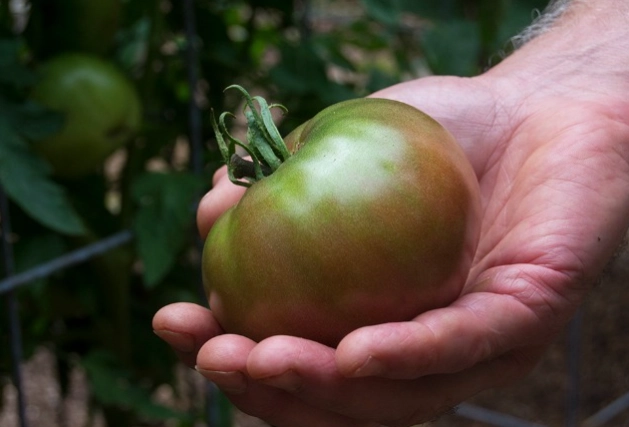
Only refrigerate a tomato if it's been cut and you need to save the other half. Even then, let it come to room temperature before eating to salvage some flavor.
Common Tomato Picking Mistakes to Avoid
Let's wrap up with the pitfalls. I've made most of these, so you don't have to.
Twisting or Yanking the Fruit. This can damage the stem, leaving a wound that invites disease, or even tear a branch. Use garden shears or a sharp knife to cleanly cut the stem about half an inch above the fruit.
Waiting for the Entire Cluster to Ripen. On cherry or grape tomato vines, fruits ripen at different times. Pick the ripe ones individually every day or two. This encourages the plant to keep producing more flowers and fruit.
Ignoring the Weather Forecast. As mentioned, a proactive harvest before a big storm or frost saves your crop. It's better to have slightly under-ripe tomatoes than no tomatoes at all.
Leaning Only on the Calendar. "Days to maturity" on seed packets is a rough estimate. Your local weather, soil, and sunlight cause huge variations. Use the packet as a guide, but let the fruit itself tell you when it's ready.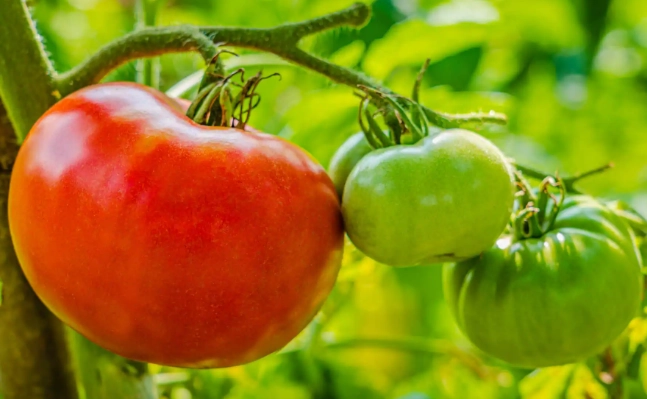
Knowing when to pick tomatoes transforms the gardening experience. It's the satisfying payoff. You move from guessing to knowing, from hoping for flavor to guaranteeing it. Grab your basket, head to the garden, and use your eyes, hands, and nose. That perfect tomato is waiting.
Can you ripen a tomato that is picked too early?
Yes, but with a major caveat. Tomatoes produce the sugars and acids that define their flavor while still connected to the vine. Once picked, they stop developing flavor and only soften and change color. A green tomato picked early will turn red on your counter, but it will taste bland and watery compared to one that ripened fully (or even just to the breaker stage) on the plant. For the best flavor, always wait for at least the first blush of color (the breaker stage) before harvesting.
What is the best time of day to pick tomatoes?
Harvest in the mid-morning, after the dew has dried but before the midday heat sets in. Picking tomatoes when they are dry helps prevent the spread of fungal diseases. The fruits will also be firm and full of moisture at this time. Avoid picking in the late afternoon when plants are stressed from heat, as tomatoes can be slightly limp.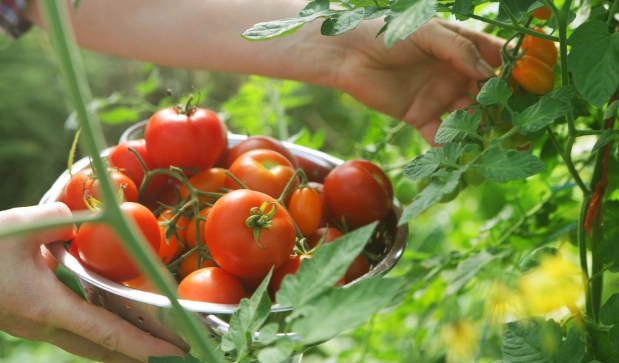
How do you store freshly picked tomatoes to keep them fresh?
Never, ever refrigerate a tomato that hasn't been fully eaten. Cold temperatures permanently destroy the flavor compounds and give them a mealy texture. For ripe tomatoes, store them stem-side down on a countertop, out of direct sunlight, and eat within a few days. For tomatoes picked at the breaker stage (showing first color), store them in a single layer in a cardboard box or paper bag at room temperature to finish ripening. Check them daily.
My tomatoes are splitting or cracking. Should I pick them immediately?
Yes, pick split tomatoes right away, even if they aren't fully colored. Cracks are caused by irregular watering (a dry period followed by a heavy rain or deep watering). These splits are open invitations for insects, birds, and rot. Harvest the fruit, cut away the cracked portion, and use the rest immediately. To prevent future splitting, maintain consistent soil moisture with mulch and regular watering.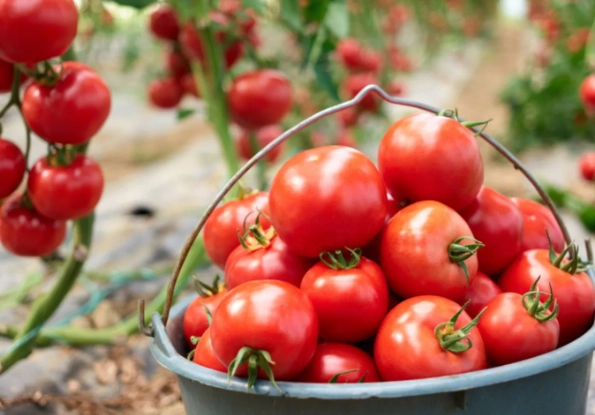
Reader Comments