Let's be honest. Traditional in-ground gardening can be a back-breaking, weed-choked battle. You bend over for hours, your soil is more clay than dirt, and the local rabbit family treats your lettuce like a personal salad bar. I've been there. That's why, about a decade ago, I switched to raised bed vegetable gardening, and it completely changed the game.
Raised beds are simply freestanding garden beds built above the natural soil level. They're contained within a frame—wood, metal, stone, you name it. This simple concept solves a mountain of gardening problems before you even plant your first seed.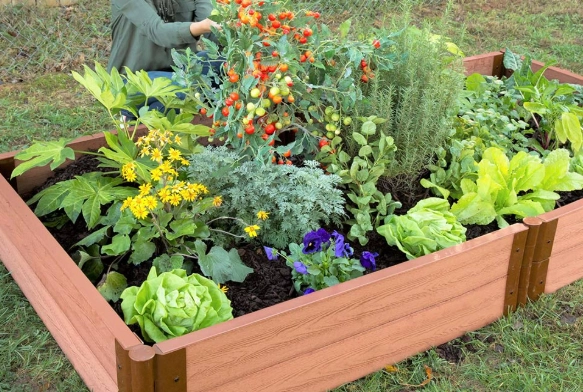
What You'll Learn in This Guide
Why Bother with a Raised Bed Garden?
The benefits aren't just marketing hype. They're tangible improvements you'll notice in your first season.
Superior Soil and Drainage: This is the biggest win. You control 100% of the soil that goes into your raised bed. No more fighting with heavy clay or sandy, nutrient-poor dirt. You fill it with a light, fluffy, nutrient-rich mix that roots love. Water drains perfectly, so you avoid the waterlogging that kills roots.
Warmer Soil, Earlier Harvests: The soil in a raised bed warms up faster in the spring. This means you can plant cool-season crops like peas and spinach weeks earlier than your neighbors with in-ground plots.
Weed and Pest Control (Mostly). Starting with fresh, weed-free soil mix drastically reduces weeds. The physical height is a barrier to some pests like slugs and snails, and it's much easier to add protective netting or row covers over a defined rectangle.
Easier on Your Body: No more deep bending or kneeling. You can build your beds to a comfortable height—even waist-high for truly back-friendly gardening. It makes the whole process more enjoyable.
A Hidden Benefit They Don't Tell You: Raised beds create a "defined" gardening space. This psychological edge is huge. It feels more manageable than a vast, undefined plot of land. You're less likely to feel overwhelmed and abandon your gardening project.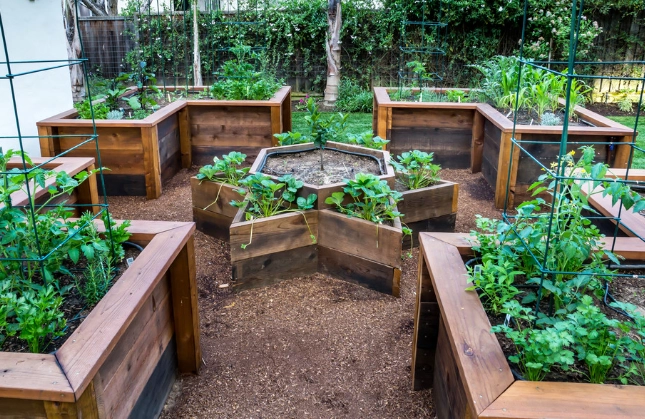
Building Your Raised Bed: Materials and Mistakes
You don't need to be a master carpenter. A simple rectangular frame is all it takes.
Choosing Your Material
Cedar or Redwood: The gold standard. Naturally rot-resistant, looks great, and lasts for years. It's more expensive upfront but pays off in longevity. Avoid pressure-treated wood for vegetable gardens if you can; old formulations contained chemicals you don't want leaching into your soil.
Composite Lumber: Made from recycled plastic and wood fibers. It's rot-proof, never needs painting, and is very durable. It's a fantastic, low-maintenance option, though it can be pricey.
Corrugated Metal: Creates a sleek, modern look and is very long-lasting. Ensure the metal is galvanized or coated to prevent rust. The edges can be sharp, so handle with care.
Cinder Blocks or Bricks Super sturdy and permanent. Cinder blocks have the added bonus of holes you can plant in for herbs like thyme or oregano.
Critical Dimensions: Don't Guess
Size matters. The most common beginner mistake is building a bed that's too wide.
- Width: Never wider than 4 feet. This allows you to reach the center from either side without stepping into the bed and compacting your beautiful soil. If you're placing it against a wall or fence, limit it to 2-3 feet wide.
- Length: As long as you like, but consider material lengths (8ft, 10ft, 12ft) to minimize cutting and waste.
- Height: This is crucial. 6-8 inches is okay for shallow-rooted greens. For a true, versatile vegetable garden, aim for 12-24 inches. Deeper beds mean deeper root growth, healthier plants, and less frequent watering. For root vegetables like carrots and parsnips, deeper is always better.
Pro Tip: Before you fill it with soil, line the bottom of your bed with a layer of cardboard or landscape fabric (the permeable kind). This smothers any grass or weeds underneath and prevents them from growing up into your bed, but still allows for drainage and worms to migrate upwards.
The Secret is in the Soil: The Perfect Mix
This is where you make or break your raised bed garden. Do not, I repeat, do not just shovel in dirt from your yard or buy cheap bags of "topsoil." You'll end up with a compacted, lifeless mess.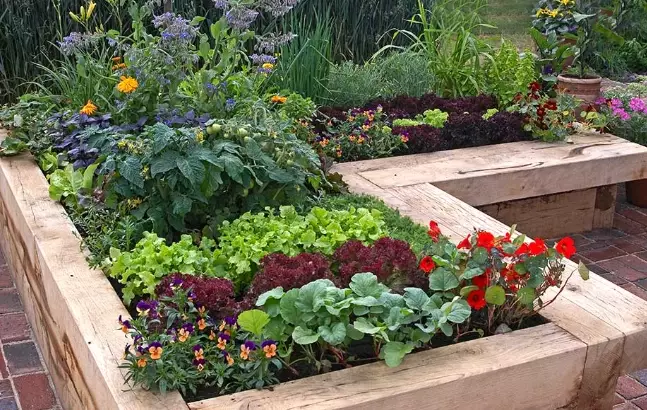
The ideal raised bed soil is light, well-draining, and full of organic matter. The best recipe I've used over the years is the classic "Mel's Mix" from Square Foot Gardening, with a slight personal tweak.
The Foundation Recipe:
- 1/3 Blended Compost: Use several different types (mushroom, worm castings, plant-based) for a diverse nutrient profile.
- 1/3 Peat Moss or Coconut Coir: For moisture retention. Coir is a more sustainable alternative to peat moss.
- 1/3 Coarse Vermiculite: The magic ingredient. It aerates the soil, holds water and nutrients, and keeps the mix incredibly light and fluffy.
Mix these thoroughly right in the bed. Yes, buying vermiculite and multiple composts seems expensive for the first fill. But this mix will last for years with proper maintenance. It's an investment in your garden's future productivity.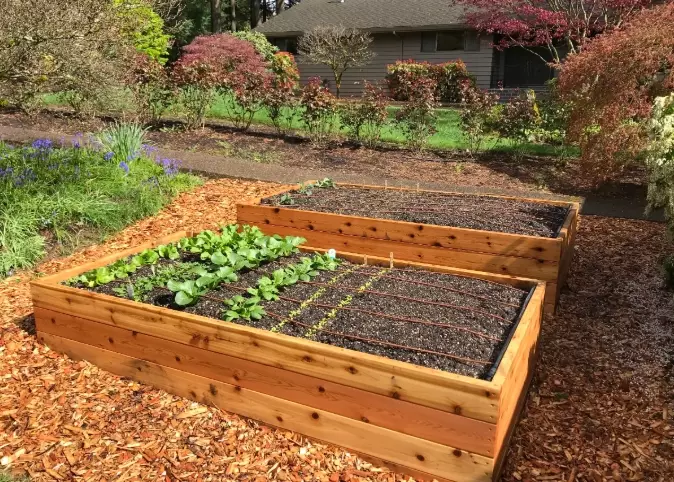
| Soil Component | Purpose | Beginner Mistake to Avoid |
|---|---|---|
| Blended Compost | Provides nutrients and beneficial microbes. | Using only one type of compost, which can lack nutrient diversity. |
| Peat Moss/Coir | Retains moisture and lightens the soil. | Letting peat moss dry out completely—it becomes hydrophobic and repels water. |
| Vermiculite | Aerates, holds water & nutrients. | Using perlite instead. Perlite only aerates; it doesn't hold water/nutrients like vermiculite. |
| Garden Soil/Topsoil | Filler (not recommended for primary mix). | Using it as the main component. It's too dense and will compact. |
What to Plant (and What to Avoid)
Raised beds are perfect for most vegetables, especially those that need good drainage. Here’s a breakdown.
Top Tier (Absolutely Thrive):
- Leafy Greens: Lettuce, spinach, kale, Swiss chard. They love the consistent moisture and quick-draining soil.
- Root Vegetables: Carrots, radishes, beets, turnips. The deep, loose, stone-free soil allows for perfect, straight root development.
- Nightshades: Tomatoes, peppers, eggplants. They adore the warm soil and excellent drainage, which helps prevent root diseases.
- Compact Squash & Cucumbers: Bush varieties do wonderfully. You can train vining types up a trellis on the north side of the bed.
Proceed with Caution:
- Corn: It's a heavy feeder and wind-pollinated, so you need to plant a lot in a block, which takes up massive space in a raised bed for a relatively small yield. Not the best use of space.
- Large Winter Squash & Pumpkins: Their vines will sprawl 10-15 feet, completely overwhelming your bed and shading out other plants. Only plant these if you have dedicated space for them to run.
- Potatoes: They grow well, but harvesting can be messy as you dig through the soil. Some people prefer growing them in separate potato bags or bins.
Watering, Weeding, and Keeping Pests Out
Watering
Because raised beds are well-draining, they dry out faster than in-ground soil. Check the moisture level by sticking your finger into the soil. If it's dry up to your second knuckle, it's time to water.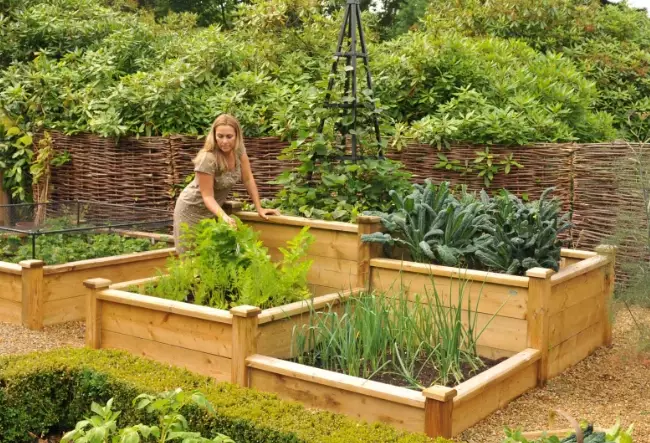
Water deeply in the morning to encourage strong root growth. Avoid watering in the evening, as damp leaves can lead to fungal diseases.
Weeding
Weeds are less of a problem in raised beds, but they can still appear. Pull them out by hand to prevent competition for nutrients.
Pests
Common pests include aphids, slugs, and cabbage worms. Use natural remedies like neem oil or soapy water to control them.
Seasonal Tasks for Year-Round Success
In spring, prepare the soil by adding compost. Plant seeds according to the frost schedule.
In summer, maintain consistent watering and check for pests. Harvest vegetables regularly to encourage more production.
In fall, clean up spent plants and add mulch to protect the soil over winter.
In winter, plan for the next season and order seeds. Consider using cold frames to extend the growing season.
Your Raised Bed Questions Answered
Reader Comments