Let's cut straight to the point. The number one reason raised bed gardens fail isn't pests or weather—it's terrible soil. You can build the most beautiful cedar box, buy the best heirloom seeds, and water religiously, but if you fill it with the wrong stuff, you're just creating an expensive, frustrating container of disappointment. I learned this the hard way my first season, using heavy, bagged topsoil that turned into a concrete slab by July.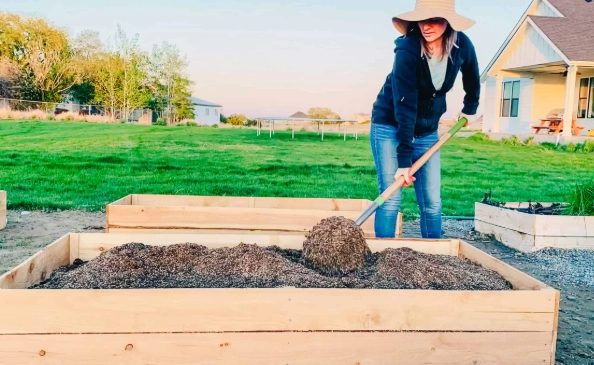
The magic of a raised bed isn't just the elevation; it's the chance to create a perfect, controlled root environment from scratch. Forget everything you know about dirt. We're building a living, breathing growing medium.
What's Inside: Your Quick Soil Mix Guide
- Why Bagged "Raised Bed Mix" Often Falls Short
- The Perfect DIY Raised Bed Soil Recipe
- Where to Find Materials (And What to Avoid)
- Mixing and Filling: Practical Tips That Save Your Back
- Adjusting Your Mix for Specific Plants
- Long-Term Care: Keeping Your Soil Alive Year After Year
- Your Raised Bed Soil Questions Answered
Why Bagged "Raised Bed Mix" Often Falls Short
Walk into any garden center and you'll see bags labeled "Raised Bed Mix" or "Garden Soil." They're convenient, but here's the unspoken truth: they're often a compromise. To keep costs down, manufacturers use a high proportion of finely screened composted forest products or sand. This feels light in the bag, but over a single season, it decomposes and compacts dramatically.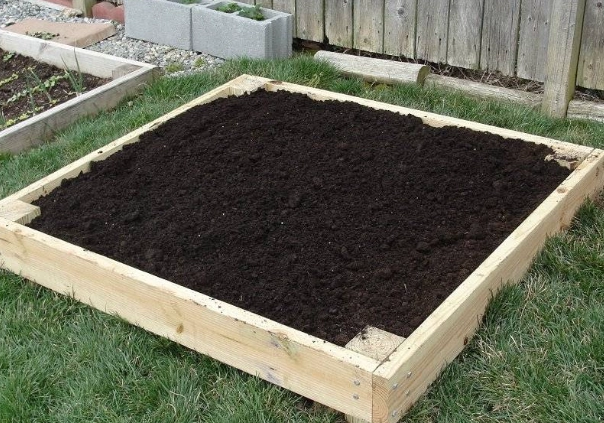
Your plants' roots need oxygen as much as they need water and nutrients. Compacted soil suffocates them. The other issue is nutrient consistency. One batch might be rich, the next weak. You're paying a premium for unpredictable results.
Building your own mix gives you control over texture, fertility, and long-term structure. It's cheaper per cubic yard for large beds, and you know exactly what's in it.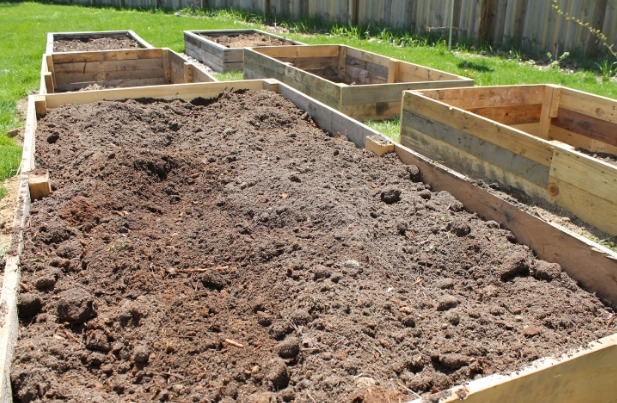
The Perfect DIY Raised Bed Soil Recipe
After years of tweaking, this is the base recipe I've settled on. It's based on the concept of Mel's Mix from Square Foot Gardening but adjusted for real-world availability and cost. Think of it in three parts:
- The Sponge (Moisture Retention): Holds water and makes it available to roots.
- The Pantry (Nutrients & Biology): Feeds plants and hosts beneficial microbes.
- The Lungs (Aeration & Drainage): Creates air pockets and prevents waterlogging.
Here’s the breakdown by volume. Use a bucket or wheelbarrow to measure.
Base Recipe: The All-Purpose Winner
1 part Coconut Coir or Sphagnum Peat Moss – This is your sponge. I prefer coir (made from coconut husks) because it's a renewable resource, rehydrates easier than bone-dry peat, and has a more neutral pH. It holds a tremendous amount of water while still staying fluffy.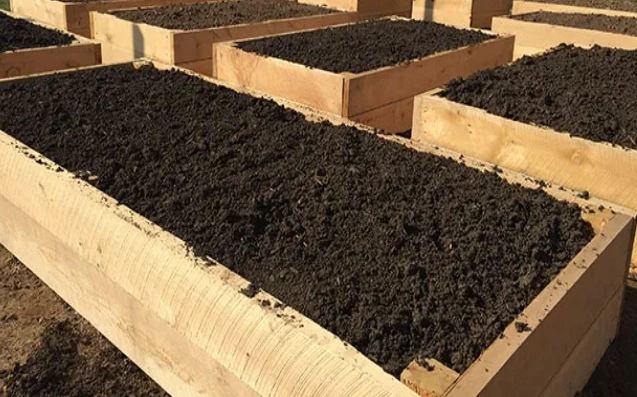
1 part High-Quality Compost – This is your pantry. Not just one type, but a blend. Use 2-3 different sources if you can: municipal compost, mushroom compost, well-rotted manure (cow, chicken, or horse), or your own homemade stuff. Blending creates a broader spectrum of nutrients and microbial life. This is the most critical ingredient—don't skimp here.
1 part Coarse Aeration Material – These are the lungs. This is where most DIYers and bagged mixes fail by not using enough. Your options:
Perlite: The white, lightweight popcorn-looking stuff. Excellent for aeration, but it can float to the top over time.
Pumice: My personal favorite. It's a volcanic rock that's porous but heavy enough to stay put. It provides permanent aeration and even holds some water.
Coarse Horticultural Sand: Not playground sand or builder's sand! It must be sharp and coarse (like #2 or #3 granite sand). This adds weight and drainage but little aeration. Best mixed with perlite or pumice.
Mix these three equal parts thoroughly. That's your foundation. For a 4ft x 8ft x 1ft deep bed (32 cubic feet), you'll need roughly 11 cubic feet of each component.
Where to Find Materials (And What to Avoid)
Buying bags for anything bigger than a small bed gets crazy expensive. Go bulk.
Compost: Check with your local municipality—many have composting facilities that sell compost by the cubic yard for a fraction of bagged cost. Landscaping supply yards are another great source. Ask if it's "fully composted" (it should smell earthy, not sour or like ammonia). For resources on composting and soil health, the USDA Natural Resources Conservation Service provides extensive guides.
Coir/Peat & Aeration: Landscaping centers or hydroponic stores sell large bales of coir and big bags of perlite or pumice. A 5-cubic-foot bale of compressed coir expands to 70+ liters of material.
Avoid: - **Topsoil** as a base ingredient. It's too variable and often heavy with clay. - **Fine Sand.** It destroys aeration and creates cement. - **Fresh Manure.** It's too "hot" and can burn plants. - **Garden Soil** from your yard. It defeats the purpose of a sterile start.
Mixing and Filling: Practical Tips That Save Your Back
Mixing a ton of soil is a workout. Do it right.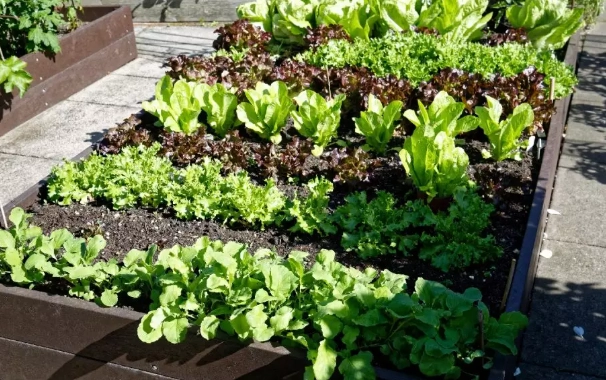
Lay a large tarp on a flat surface. Dump your measured parts of coir, compost, and aeration material in piles on the tarp. Grab the corners of the tarp and roll the pile back and forth. It's the easiest way to get a homogeneous mix without a cement mixer.
Fill your bed in layers, mixing a bit more as you go. Don't just dump and level. Once filled, water it thoroughly and let it settle for a day or two before planting. It will sink—that's normal. Top it off with a bit more of your mix.
Adjusting Your Mix for Specific Plants
The base recipe works for 90% of veggies and flowers. But some plants have specific preferences.
| Plant Type | Adjustment to Base Mix | Reason |
|---|---|---|
| Tomatoes, Peppers, Eggplants | Add a handful of garden lime per plant hole. Mix in extra compost. | Prevents blossom end rot (adds calcium). They are heavy feeders. |
| Root Crops (Carrots, Radishes) | Increase the aeration part slightly. Ensure sand is very coarse. | Allows roots to penetrate easily and grow straight without forking. |
| Salad Greens (Lettuce, Spinach) | No major changes needed. | They love the moisture-retentive, fertile base mix. |
| Blueberries, Azaleas (Acid-Lovers) | Use peat moss (not coir), and mix in peat-based potting soil. Avoid lime. | They require acidic soil conditions (pH 4.5-5.5). |
Long-Term Care: Keeping Your Soil Alive Year After Year
Your soil isn't a one-time setup. It's a living system that consumes organic matter. Each season, it will shrink a few inches as compost decomposes.
The Annual Recharge: At the start of each planting season, add a 1-2 inch layer of fresh, blended compost on top and gently mix it into the top few inches. That's it. This replaces nutrients and organic matter. No need to till or replace everything.
Every 3-4 years, if the soil feels dense, mix in a fresh batch of aeration material (like pumice) to restore that crucial fluffiness.
Crop rotation and planting cover crops (like winter rye) in empty beds also dramatically boost soil health and structure.
Your Raised Bed Soil Questions Answered
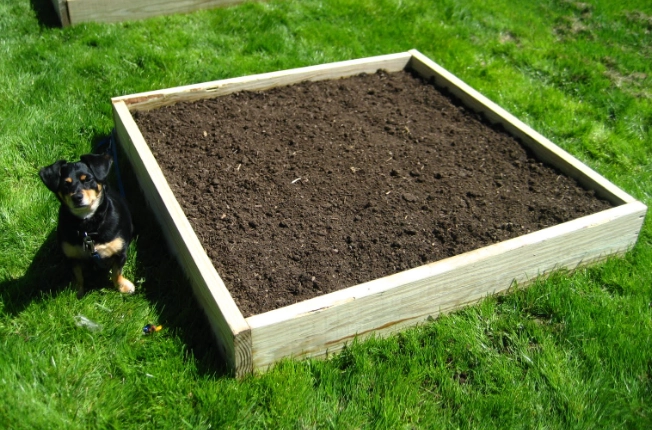
Getting your raised bed soil right from the start is the single best investment you can make in your garden. It seems like a big effort up front, but it pays off for seasons with healthier plants, fewer water problems, and much better yields. Skip the bagged mystery mix. Spend an afternoon blending your own—your plants (and your back at harvest time) will thank you.
Reader Comments