Quick Guide
- The Absolute Non-Negotiables: Light, Water, and Warmth
- Getting Your Hands Dirty: Soil and Potting
- The Magic Trick: Pruning and Pinching for a Bushy Beast
- Feeding Your Flavor Factory
- The Problem-Solving Clinic: What's Wrong With My Basil?
- Harvesting: How to Pick Without Hurting Your Plant
- Beyond the Basics: Varieties and Propagation
- Answering Your Burning Questions
- Putting It All Together: A Simple Weekly Check-In
Let's be honest. We've all been there. You bring home this lush, fragrant basil plant from the store, full of dreams for homemade pesto. A few weeks later, it's a sad, leggy, yellowing shadow of its former self. I've killed my fair share, believe me. It's frustrating. But here's the thing – caring for a basil plant isn't about having a green thumb. It's about understanding a few simple, non-negotiable needs. Once you get those down, you'll have more basil than you know what to do with.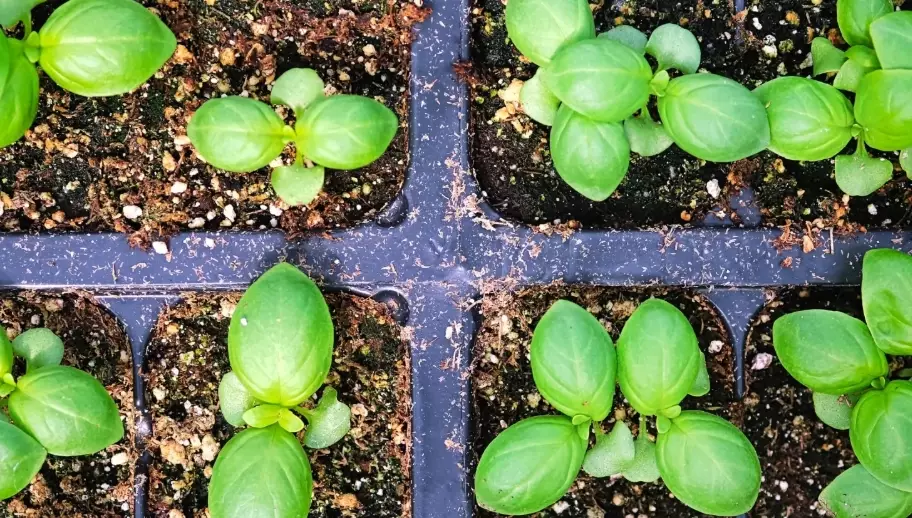
This isn't just another list of generic tips. This is the guide I wish I had when I started. We're going to dig into the why behind the what. Why does your basil get leggy? Why do the leaves turn yellow? How do you actually get it to bush out like the pictures? We'll cover it all, from the seedling on your windowsill to the endless harvests on your plate.
The Absolute Non-Negotiables: Light, Water, and Warmth
If you remember nothing else from this guide, remember these three things. Get these wrong, and nothing else will matter.
Sunlight: It's Not a Suggestion, It's a Demand
This is the number one reason basil plants fail indoors. That bright spot by the window? It's probably not bright enough. Basil is a sun-worshipper. It craves direct, strong light for a minimum of 6 hours a day, but 8 or more is where it truly shines.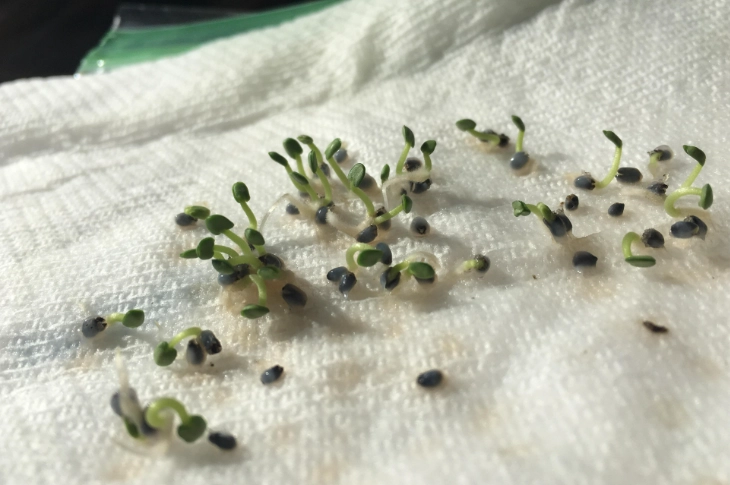
South-facing windows are your best friend. East or west can work, but you'll need to watch for signs of stretching. North-facing windows? Forget it. Your plant will become tall, weak, and sparse – a condition known as "leggy" growth – as it desperately reaches for light.
What if your home is more cave than conservatory? A good quality grow light is a game-changer. I resisted for years, thinking it was overkill. Then I tried one. The difference in leaf size, color (a deep, healthy green), and overall vigor was night and day. It's the single best investment for caring for a basil plant indoors.
Watering: The Art of the Soak and Dry
Overwatering is the silent killer. Underwatering is a quick demise. The goal is the sweet spot in between.
Here's my foolproof method: stick your finger into the soil, about an inch deep. Is it dry? Time to water. Is it still damp? Wait. Don't water on a schedule (like every Tuesday). Water based on need, which changes with the seasons, the size of your plant, and the humidity in your home.
When you do water, do it thoroughly. Take the plant to the sink and pour water until it runs freely out of the drainage holes at the bottom. This ensures the entire root ball gets moisture. Then, let it drain completely before putting it back in its saucer. Never let your basil sit in a saucer of water. Soggy roots will rot, and that's a death sentence.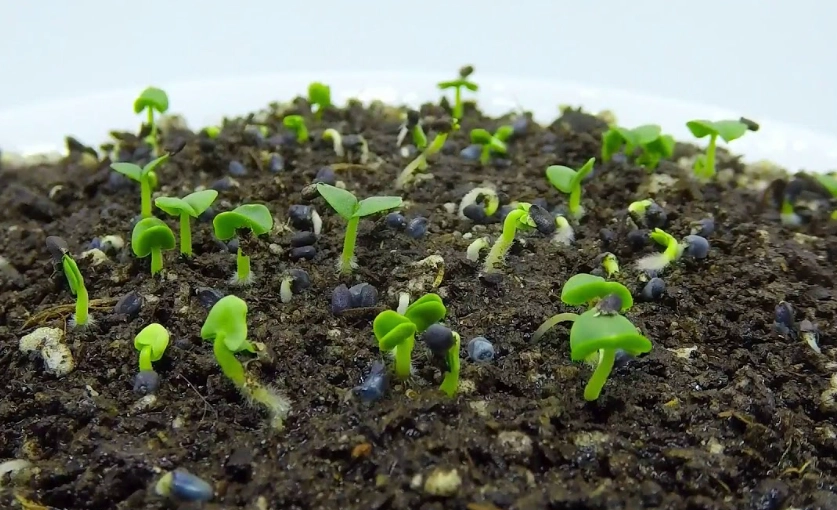
Warmth and Climate
Basil hails from warm, tropical regions of Asia and Africa. It hates the cold. Anything below 50°F (10°C) will shock it. Its ideal temperature range is a cozy 70-85°F (21-29°C). Keep it away from drafty windows in winter and away from air conditioning vents in summer. A sudden chill can cause leaves to blacken and drop.
Humidity is its friend. Dry, indoor winter air can stress it. Grouping plants together creates a microclimate of higher humidity. You can also place the pot on a tray filled with pebbles and water (making sure the pot sits on the pebbles, not in the water).
Getting Your Hands Dirty: Soil and Potting
That plastic pot it came in from the grocery store? It's temporary housing. For long-term success, you'll want to give it a proper home.
Soil: Basil needs soil that drains exceptionally well but still holds some moisture and nutrients. A standard, high-quality potting mix is a good start. I like to mix in about 20-30% perlite or coarse sand to really boost drainage. Avoid heavy, clay-based garden soils or soils that feel dense and compact.
The Pot: This is critical. Drainage holes are mandatory. No ifs, ands, or buts. Terracotta pots are fantastic because they're porous, allowing the soil to dry more evenly and preventing you from overwatering. Plastic pots retain moisture longer. Choose based on your watering habits – if you tend to forget, plastic might be more forgiving; if you tend to over-love with water, go for terracotta.
A pot that's 8-12 inches in diameter is a good size for a mature plant. Don't start a tiny seedling in a huge pot; the excess soil stays wet too long and can cause root issues.
The Magic Trick: Pruning and Pinching for a Bushy Beast
This is where most guides gloss over the details, but it's the key to transforming a single-stemmed plant into a dense, leafy bush. Basil's growth pattern is simple: if you let the tip grow, it gets taller. If you remove the tip, it sends out two new branches from the leaf nodes below the cut.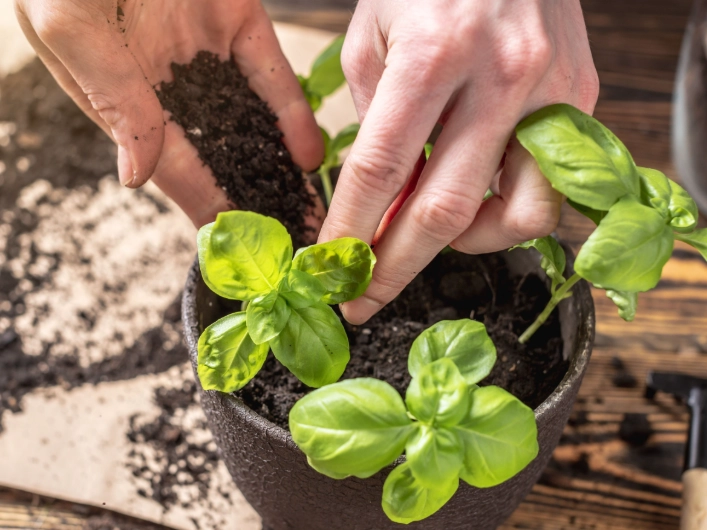
You don't need fancy shears. Your fingernails will do.
When your plant has about 6-8 sets of leaves, look for the topmost cluster of tiny leaves between two larger sets. That's the central growing tip. Pinch it right off. Seriously, just snap it. You can use it in your cooking – it's tender and flavorful.
After a week or two, those two new stems will grow and develop their own tips. Once they have 3-4 sets of leaves, pinch their tips. Now you have four stems. Keep this cycle going. Every time you harvest for the kitchen, you're essentially pruning. Cut the stem just above a pair of leaves, and new growth will sprout from that point.
What happens if you don't prune? The plant shoots straight up, flowers quickly, and becomes woody and bitter. Flowering ("bolting") signals the end of the plant's leafy growth phase. If you see flower buds forming, pinch them off immediately to keep the plant in its tasty, vegetative state.
Feeding Your Flavor Factory
Potting soil has nutrients, but they get used up. To keep those leaves coming, you need to feed your plant. But basil isn't a heavy feeder like tomatoes.
A balanced, water-soluble fertilizer (look for something with equal or near-equal N-P-K numbers, like 5-5-5 or 10-10-10) applied every 4-6 weeks during the active growing season (spring and summer) is perfect. You can also use a liquid organic option like fish emulsion or seaweed extract – they smell a bit, but plants love them.
In fall and winter, when growth naturally slows due to lower light levels, you can stop fertilizing altogether. Let the plant rest.
The Problem-Solving Clinic: What's Wrong With My Basil?
Let's diagnose some common issues. Here’s a quick-reference table I find super handy.
| Symptom | Likely Cause | Quick Fix |
|---|---|---|
| Yellowing leaves (lower, older leaves) | Overwatering, poor drainage, or natural aging. | Check soil moisture. Ensure pot has drainage holes. Let soil dry out more between waterings. |
| Yellowing leaves (all over, new growth) | Nutrient deficiency (often nitrogen) or severe overwatering. | Apply a balanced fertilizer. Check for root rot. |
| Leggy, stretched growth with small leaves | Not enough light. This is almost always the answer. | Move to a much brighter location or add a grow light. Prune back leggy stems. |
| Brown, crispy leaf edges | Underwatering, low humidity, or fertilizer burn. | Water more thoroughly. Increase humidity. Flush soil with water if you suspect fertilizer salt buildup. |
| Holes in leaves | Pests – likely slugs/snails outdoors, or caterpillars. | Inspect leaves (top and bottom). Hand-pick pests. For indoors, a mild soapy water spray can deter small insects. |
| White, powdery coating on leaves | Powdery mildew (a fungus). | Improve air circulation. Avoid wetting leaves when watering. Remove affected leaves. A baking soda solution can help. |
| Plant wilting, even when soil is wet | Root rot from overwatering. | Stop watering. Check roots. If they are brown and mushy, the plant may not be salvageable. You can try taking healthy stem cuttings to propagate a new plant. |
Dealing with Pests (The Unwanted Guests)
Indoors, pests are less common but can hitch a ride on new plants. Aphids (tiny green or black bugs) love tender new growth. A strong spray of water in the sink can dislodge them. For persistent issues, insecticidal soap is effective and relatively gentle. For outdoor plants, Japanese beetles and slugs are the usual suspects. Hand-picking in the evening is an effective, if slightly gross, organic method.
Good air circulation is a great preventative measure. Crowded, stagnant air encourages fungal diseases and pests.
Harvesting: How to Pick Without Hurting Your Plant
Harvesting is pruning, and pruning is good! The rule of thumb: never take more than one-third of the plant at once. This ensures it has enough leaves left to photosynthesize and recover.
Always use clean scissors or pinch with clean fingers. Cut the stem just above a pair of leaves, as we discussed in the pruning section. This encourages that branching. Don't just pluck individual leaves off the main stem, as this can leave ugly, bare stems.
Harvest in the morning, after the dew has dried but before the afternoon heat. This is when the essential oils (and thus the flavor) are most concentrated. Your caring basil plant routine will reward you with the most pungent, delicious leaves at this time.
Beyond the Basics: Varieties and Propagation
Sweet Genovese basil is the classic for pesto, but there's a whole world out there. Thai basil has purple stems and a licorice kick. Lemon basil and lime basil add a citrusy zing to salads and fish. Purple basil is stunning in vinegar or as a garnish. Growing a few different types makes your herb garden more exciting.
Want more plants for free? Propagation is easy. Take a 4-6 inch cutting from a healthy, non-flowering stem. Remove the leaves from the bottom half and place the stem in a glass of clean water. Put it in a bright spot (not direct scorching sun). Change the water every few days. In 1-2 weeks, you'll see white roots forming. Once they're an inch or two long, pot it up in soil. You've just cloned your plant! This is also a great way to save a plant that's getting too old or leggy.
Answering Your Burning Questions
Can I grow basil from the cuttings I buy at the grocery store? Absolutely! Often, those bundles are fresh enough. Follow the water propagation method above. It's a cheap and easy way to start.
Should I mist my basil plant? I'm not a big fan of misting. It raises humidity for a few minutes but can promote fungal diseases on the leaves if they stay wet. The pebble tray method is a more consistent and safer solution for low humidity.
Why are the leaves on my basil plant so small? Usually, it's a combination of insufficient light and lack of pruning. More light gives the plant more energy. Proper pruning directs that energy into making larger leaves on multiple branches, rather than stretching upward.
Is it better to grow basil indoors or outdoors? Outdoors in the warm summer months is where it will be happiest, as long as it gets full sun. But with sufficient light (often aided by a grow light), you can successfully grow it indoors year-round. I keep a couple of pots going indoors in winter just to have fresh leaves.
How long does a basil plant live? It's technically a tender annual. In perfect conditions, it might live for a year or more indoors. But it often gets woody and less productive with age. That's why propagating new plants from cuttings every 6-8 months is a smart strategy to always have a young, vigorous plant.
Putting It All Together: A Simple Weekly Check-In
Don't make it complicated. Once you're set up, caring for your basil plant takes minutes a week.
- Check the soil with your finger. Water only if dry an inch down.
- Look at the leaves. Are they perky and green? Good. Yellow, droopy, or holey? Time to diagnose using our table.
- Look for flower buds. See them? Pinch them off immediately.
- Harvest regularly, even if you're just pinching off the top tips to encourage bushiness. Use it or lose it!
- Once a month in spring/summer, give it a light feed with diluted fertilizer.
The goal of caring for a basil plant is to create a cycle: you provide light, water, and food; it provides leaves; you harvest (which is pruning); it grows back bushier and provides more leaves. It's a beautiful, tasty partnership.
Start with one plant. Apply these principles. Get a feel for it. Before you know it, you'll be the one giving away basil cuttings to friends because you have too much. And there are few better feelings for a home gardener than that.
Reader Comments