Quick Navigation
- The Foolproof Signs: How to Tell When Tomatoes Are Ripe
- When to Harvest Different Types of Tomatoes
- The "Breaker Stage" and Ripening Indoors: A Gardener's Secret Weapon
- Common Mistakes (And How to Avoid Them)
- Frequently Asked Questions (Your Tomato Harvest Queries, Answered)
- Putting It All Together: Your Harvest Action Plan
You've watered them, you've staked them, you've whispered sweet nothings to them on warm summer evenings. Now they're hanging there, those beautiful orbs of potential, and you're stuck. Is it time? Is it too early? Will I ruin it if I pick it now? Figuring out when to harvest tomatoes is the moment of truth for every gardener, and honestly, it's where most of us get a little nervous. I know I did. My first year, I was so eager I picked them when they were just blush-pink, thinking they'd ripen up fine indoors. They did, technically. They turned red. But the taste? Meh. Watery and bland, like a tomato impersonator. That's when I realized there's an art to this.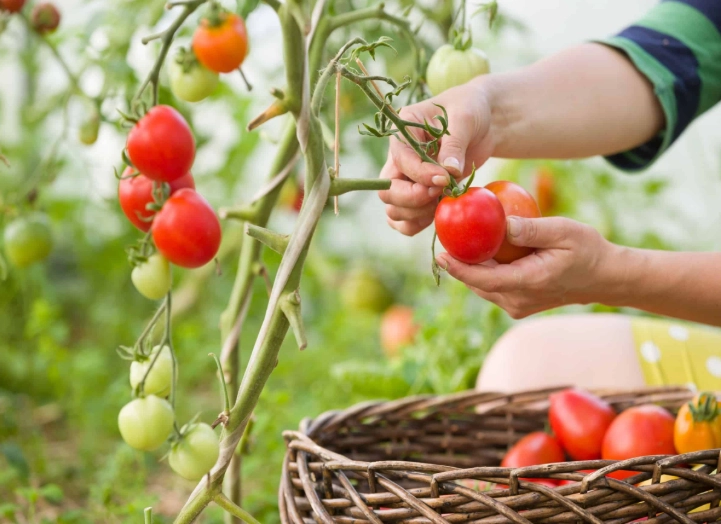
It's not just about color. It's a whole sensory experience. Getting it wrong means a sacrifice in flavor, texture, and that ineffable "summer" taste you've worked months for. So let's ditch the uncertainty. This isn't a complex science, but there are clear, easy-to-spot signs that scream "pick me!" We're going to break down exactly what to look for, feel for, and even smell for. We'll talk about different tomato types, what to do if frost is coming, and how to handle the ones that just won't cooperate. By the end, you'll know precisely when to harvest tomatoes in your garden for that unbeatable, sun-warmed flavor.
The Foolproof Signs: How to Tell When Tomatoes Are Ripe
Forget the calendar. Your tomatoes don't know what day it is. The best indicators are right there on the vine, and they engage all your senses. Relying on just one can lead you astray; use this combination for guaranteed success.
Look: The Color Check (It's Not Just About Red)
This is the most obvious sign, but it's also where people make the first mistake. We're programmed to think "red = ripe." That's true for many varieties, but what about Brandywines, which are a deep pink? Or Cherokee Purples, which are a dusky purple-green? Or the stunning Sun Gold cherry tomatoes, which are a vibrant orange?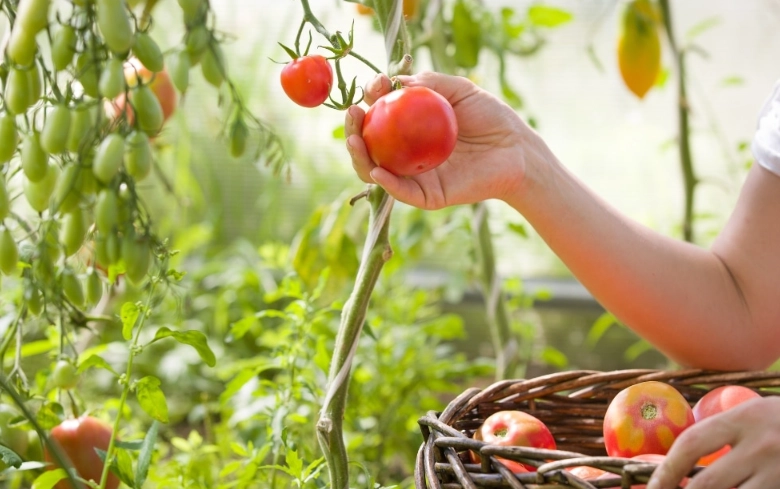
The key is full color for that specific variety. A ripe tomato will have lost all traces of shiny, bright green. The color will be even across the entire fruit, not just on the top or the "shoulders." For red varieties, look for a deep, uniform red. For heirlooms, know your expected final color. A greenish tinge at the stem end usually means it needs more time.
Here's a trick I use: look at the little star-shaped scar on the bottom of the tomato, called the blossom end. When it starts to change from green to the mature color (yellow, orange, red, etc.), you're on the home stretch.
Touch: The Feel Test
Color can be a liar. I've had tomatoes that looked perfectly red but felt as hard as a baseball. Texture doesn't lie. A ripe tomato should feel firm but not hard. Give it a very gentle squeeze with your whole hand, not your fingertips (which can bruise it). It should have a slight, pleasant give, like a perfectly ripe avocado or peach. If it's mushy or feels like the skin is separating from the flesh, you've probably missed the window.
Another tactile cue is the skin itself. A ripe tomato often has a slightly waxy or smooth feel, unlike the taut skin of an underripe one.
The Vine Test: How They Let Go
This is my personal favorite indicator because it's so clear. A tomato that is truly ready to be harvested will release from the vine with minimal effort. Don't yank or pull straight down. Instead, cradle the fruit in your hand and give the stem a gentle twist. If it's ready, it will snap cleanly from the joint (called the abscission layer) right above the green cap (the calyx). If you have to tug hard or use shears because the stem won't break, it's likely not fully ripe. Nature designed it to let go easily when it's time.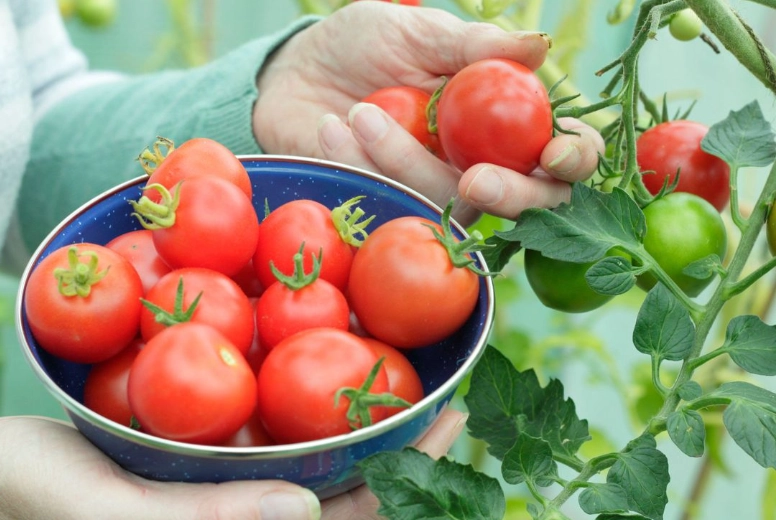
Sometimes, especially with cherry tomatoes, they'll just fall into your hand with the slightest touch. That's the ultimate sign.
Smell: The Forgotten Sense
Get close to the stem end of a tomato still on the vine. Can you smell it? A ripe, or nearly ripe, tomato will have a distinct, earthy, sweet, and unmistakably "tomato-y" fragrance right at the stem. If you can't smell anything, it needs more time on the vine. This smell is the volatile compound magic that translates directly to flavor. No smell often means no flavor.
When to Harvest Different Types of Tomatoes
Not all tomatoes play by the same rules. A beefsteak and a cherry tomato mature differently. Here’s a quick-reference table to take the guesswork out of when to harvest tomatoes based on their type.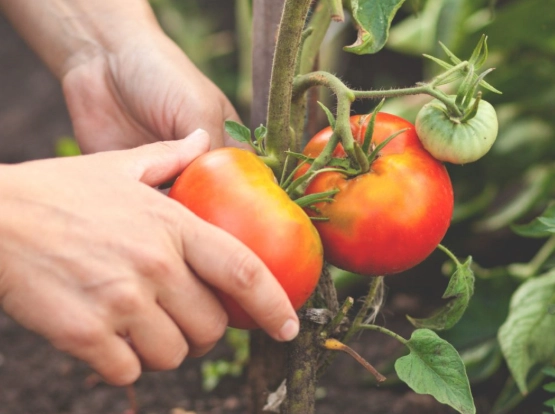
| Tomato Type | Key Harvest Signs | Special Notes |
|---|---|---|
| Cherry & Grape Tomatoes | Deep, uniform color (red, orange, yellow). They feel plump and detach with zero effort. Often the first to ripen. | Harvest frequently (every 1-2 days) to keep the plant productive. They can go from perfect to overripe/split very quickly in hot weather. |
| Slicing Tomatoes (Beefsteak, Big Boy, Early Girl) | Full color, firm with slight give. Stem snaps easily. The fruit feels heavy for its size. | These can take longer to fully color. The shoulders (top) are the last to change. Don't pick if the top is still stark white or green. |
| Paste Tomatoes (Roma, San Marzano) | Deep red and very firm. They should feel dense and meaty, not juicy. The skin may be a bit tougher. | Often harvested for sauce, so you can pick them at "breaker" stage (see below) if you have a big batch to process. Full ripeness gives best flavor for fresh eating too. |
| Heirloom Tomatoes (Brandywine, Cherokee Purple, Green Zebra) | Know your variety's final color! Look for full color saturation and a softening feel. Heirlooms are often more delicate. | They are prone to cracking. Sometimes it's better to pick them a touch early at the "breaker" stage to avoid splits, especially before a heavy rain. |
See? It's not one-size-fits-all. A Roma tomato picked when it's as soft as a ripe beefsteak might be past its prime for canning. Understanding the category helps a ton.
The "Breaker Stage" and Ripening Indoors: A Gardener's Secret Weapon
This is the pro move for extending your harvest and outsmarting the weather. The breaker stage is the point when a tomato first starts showing its true color. It might just be a pink or yellow star on the blossom end, or a faint blush over about 10-30% of the fruit. Inside, a critical change has happened: the seeds are mature, and the gel around them has formed.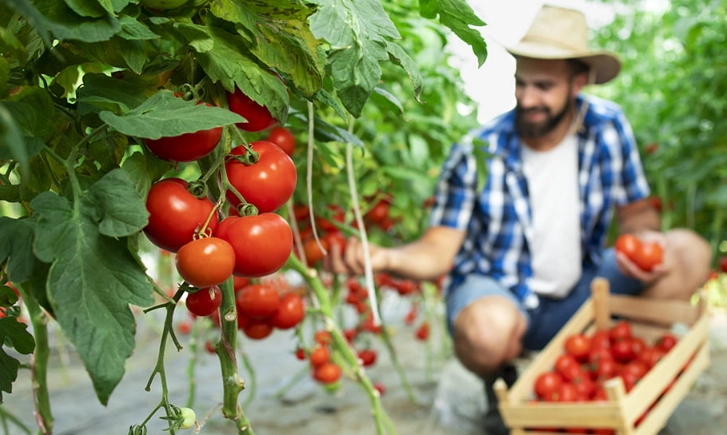
Why is this a big deal?
Because once a tomato hits the breaker stage, you can pick it, bring it inside, and it will ripen fully off the vine with nearly the same flavor, sugar, and vitamin content as if it had stayed outside. This is a game-changer in several situations:
- End of Season/Frost Threat: This is the classic use. If frost is forecast, pick all tomatoes that have any hint of color. They will ripen indoors. Green tomatoes with no color change (mature green) can also be picked and used for frying or chutney, but they won't develop full vine-ripened flavor.
- Pest or Disease Pressure: Is a squirrel taking one bite out of every fruit? Are birds pecking holes? Pick them at breaker stage to save your crop.
- Heavy Rain Forecast: A sudden deluge can cause ripe tomatoes to split. Picking those at the breaker stage prevents this heartbreak.
How to Ripen Tomatoes Indoors Correctly
Don't just throw them in a bowl on the sunny windowsill. That can actually toughen the skin and make them mealy.
- Pick Carefully: Snip or twist off the tomato with a bit of the stem attached to prevent a point of entry for rot.
- Clean & Dry: Gently wipe off any dirt and let them air dry completely.
- The Right Environment: Place them in a cardboard box, paper bag, or on a tray. Layer them with newspaper if stacking. The goal is room temperature (65-70°F / 18-21°C is ideal) and darkness or low light.
- The Ripening Trick: Add a banana or an apple to the box. These fruits give off ethylene gas, a natural plant hormone that accelerates ripening. It works like a charm.
- Check Daily: Pull out any that are fully ripe and discard any that show signs of rot immediately so it doesn't spread.
I've used this method for years to salvage end-of-season crops. The tomatoes from the box taste infinitely better than the pale, hard ones you buy in winter.
Common Mistakes (And How to Avoid Them)
We've all been there. Here are the pitfalls that can sabotage your harvest, so you can steer clear.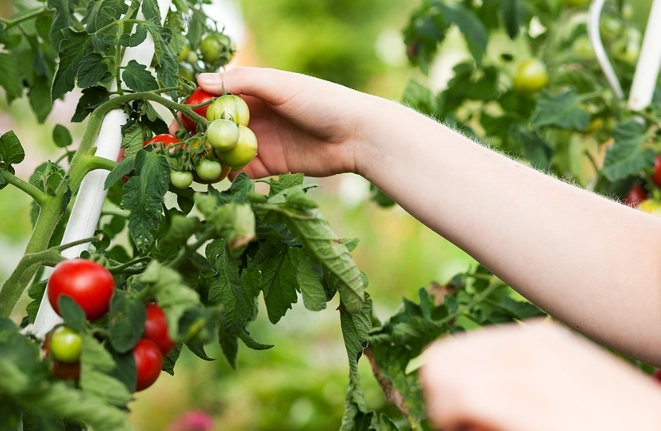
Mistake #3: Refrigerating Fresh Tomatoes. This is a post-harvest crime. Temperatures below 55°F (13°C) destroy the enzymes and cellular structure that create flavor and texture. Your perfect, garden-ripe tomato will become mealy and bland in the fridge. Store them stem-side down on your counter at room temperature and eat them within a few days. The only exception is if they are fully ripe and you need to delay eating for a day—then the fridge can pause the process, but expect some quality loss.
Mistake #4: Harvesting in the Midday Heat. Tomatoes are happiest and firmest in the cool of the morning. Harvesting in the hot afternoon sun can stress the fruit and the plant. Early morning is prime time. The fruits are plump from overnight moisture and less prone to bruising.
Frequently Asked Questions (Your Tomato Harvest Queries, Answered)
Let's tackle the specific questions that pop up when you're figuring out tomatoes when to harvest.
Can you harvest tomatoes when they are green?
You can, but there's a big distinction. If they are "mature green"—full-sized, light green, and have a slightly glossy sheen—you can pick them. These are the ones used for fried green tomatoes. However, they will not ripen into sweet, red tomatoes with full flavor. For that, you need to wait for at least the "breaker" stage (that first hint of color change). Resources from institutions like the University of Minnesota Extension explain that ripening only continues off the vine if the fruit has initiated the process internally.
How long does it take for tomatoes to turn red after they appear?
From the time you see the first small green fruit (called a "set") to a ripe tomato can take anywhere from 6 to 8 weeks, depending heavily on the variety and weather. Warm, sunny days speed it up; cool, cloudy weather slows it down. The final color change from green to full red (or other color) usually happens in the last 1-2 weeks.
What if my tomatoes are splitting or cracking?
Cracking is usually caused by uneven watering—a dry period followed by a heavy rain or deep watering. The fruit expands faster than the skin can grow. The good news? They are still edible! Harvest cracked tomatoes immediately, as the split is an open door for bugs and rot. Cut away the cracked section and use the rest promptly. To prevent it, try to maintain consistent soil moisture with mulch and regular watering.
Should I remove leaves to help tomatoes ripen?
Late in the season, selectively removing a few leaves that are shading fruit clusters can help sunlight reach them and encourage ripening. Don't go overboard—the leaves are the plant's food factories. A good rule is to remove leaves below the lowest ripening fruit cluster to improve air circulation and focus energy upward. The University of California's Agriculture and Natural Resources publications often advise against severe pruning late in the season, as it can reduce overall plant health.
My tomatoes are producing flowers but no fruit. What's wrong?
This is a pollination issue, not a harvesting one, but it's a common panic point. If you have blooms but no little green tomatoes forming, the flowers aren't being pollinated. This often happens when temperatures are consistently above 90°F (32°C) or below 55°F (13°C). You can help by gently shaking the flower clusters mid-morning or using a small paintbrush to transfer pollen. It's a temporary setback; fruit will set when temperatures moderate.
Putting It All Together: Your Harvest Action Plan
Let's make this simple. Here's your step-by-step routine for knowing exactly when to pick.
- Start Scouting Early: Once fruits are full-sized, begin your daily garden walk. Look for the first blush of color.
- Employ the Multi-Sense Check: For each candidate, run through the list: Is it fully colored for its type? Does it feel firm with a slight give? Does the stem snap easily with a gentle twist? Can I smell that tomato scent at the stem?
- Pick with Care: In the cool morning, cradle the fruit and twist. If it resists, note it and check again tomorrow.
- Handle Gently: Place harvested tomatoes in a shallow basket or tray. Don't pile them deep, as the weight can bruise the bottom ones.
- Store Properly: Keep them on the counter, stem-side down (this prevents moisture loss through the scar). Enjoy within a week.
- For End of Season: Watch the weather forecast. Harvest all tomatoes showing any color (breaker stage or beyond) before the first frost. Ripen them indoors in a box with a banana.
Knowing when to harvest tomatoes truly is the final, rewarding step in the journey. It transforms gardening from a chore of hope into a practice of confident knowledge. You stop guessing and start enjoying the literal fruits of your labor at their absolute peak.
There's nothing quite like biting into a tomato you've grown yourself, picked at the perfect moment. That burst of sweet, tangy, complex flavor is the whole point. It makes all the watering, weeding, and waiting completely worth it. So get out there, use your eyes, hands, and nose, and harvest with confidence. Your perfect tomato is waiting.
Reader Comments