Quick Navigation
- Why Can't You Use Regular Garden Soil in a Raised Bed?
- The Core Philosophy: The 3-Part "Perfect Soil" Recipe
- The Go-To Recipe: My Favorite Raised Bed Dirt Mixture
- Breaking Down the Ingredients: A Quick Comparison Table
- Step-by-Step: How to Mix Your Raised Bed Dirt
- Buying vs. Making: What's the Real Cost?
- Common Questions (The Stuff That Keeps Gardeners Up at Night)
- Tailoring Your Mix for Specific Crops
- The Long-Term Game: Maintaining Your Soil Ecosystem
Let's be honest. When I built my first raised bed, I made a classic rookie mistake. I just shoveled in the dirt from my backyard. It was heavy, it clumped together when wet, and my plants looked miserable. They were barely hanging on. That's when I realized the secret isn't the bed itself—it's what you put inside it. The right raised bed garden dirt mixture is the single most important factor for your gardening success. It's the difference between struggling plants and a jungle of productivity.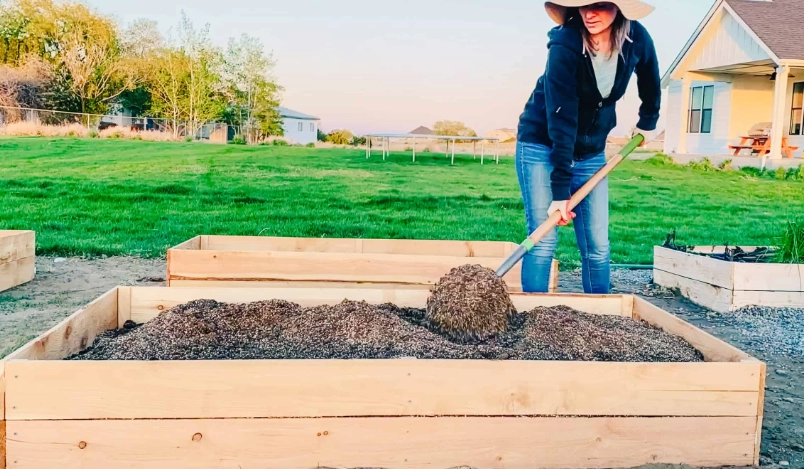
After a lot of trial, error, and talking to much more experienced gardeners, I figured it out. And now, I want to save you the headache and the wasted season I went through. This isn't about buying the most expensive bagged soil. It's about understanding what makes a great mix and how you can often create a superior one yourself, sometimes for less money.
Why Can't You Use Regular Garden Soil in a Raised Bed?
This is the first question to tackle. Your native ground soil is a complex ecosystem, but it's designed for in-ground gardening. In a raised bed, the physics change completely.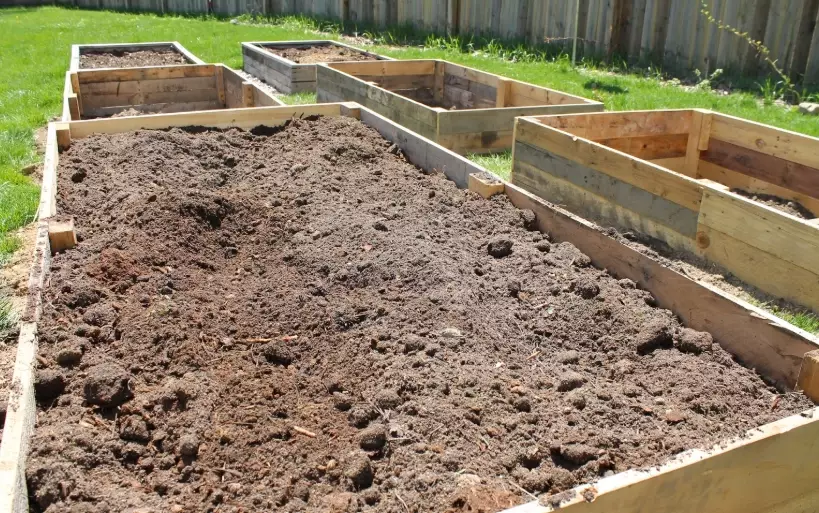
Think of it like this: regular soil in a contained box compacts. It loses the natural subsoil drainage and aeration. What you end up with is a dense, soggy block that roots can't breathe in. It becomes a barrier, not a home. A proper raised bed soil mix is engineered to be light, fluffy, and full of air pockets. It's a manufactured environment optimized for root health, drainage, and nutrient retention—all things your backyard dirt might not excel at on its own.
My Big Mistake: I thought "dirt is dirt." I filled a 4x8 bed with my clay-heavy soil. After one watering, it turned into concrete. My tomato seedlings just sat there, yellowing, for weeks. I had to literally dig it all out and start over. Don't be me.
The Core Philosophy: The 3-Part "Perfect Soil" Recipe
Most successful recipes for a raised bed garden dirt mixture revolve around a balanced trio of components. This isn't a rigid law, but it's a brilliant starting framework that works for almost everything you want to grow.
Part 1: The Base – Aeration and Drainage (The Framework)
This is what keeps your soil from turning into a brick. It creates the vital air pockets roots need.
- Coarse Horticultural Sand: Not playground sand, which is too fine and becomes cement-like. You want sharp, gritty sand. It's the gold standard for drainage.
- Perlite: Those little white popcorn-like bits. It's super lightweight, sterile, and fantastic for aeration. It doesn't break down, so it lasts for years.
- Vermiculite: Holds water and nutrients like a sponge and then releases them to plants. Great for moisture-loving crops. A bit more expensive, so I often use it selectively.
I lean towards a mix of coarse sand and perlite. The sand gives weight (so tall plants don't tip over), and the perlite keeps it light. Vermiculite is fantastic but can get pricey for large beds.
Part 2: The Body – Organic Matter and Nutrients (The Fuel)
This is where the magic happens. This part feeds your plants and the microbial life in the soil.
- Compost: The heart of your mix. It's decomposed organic matter teeming with life. It improves soil structure, holds moisture, and provides a slow-release buffet of nutrients. You can never have too much good compost. Use multiple sources if you can—municipal compost, homemade, worm castings—to get a diverse nutrient profile.
- Well-Rotted Manure: A nutrient powerhouse. Must be well-aged (at least 6 months to a year), or it can "burn" plants with excess ammonia. Cow, horse, or chicken manure are common. Chicken is especially "hot" (high in nitrogen), so use it sparingly.
- Peat Moss or Coco Coir: These are moisture retainers and organic matter. They help the soil hold water and stay loose. Peat moss is acidic and a non-renewable resource, which bothers some gardeners. Coco coir is a more sustainable alternative (a byproduct of coconut processing), but it requires more rinsing to remove salts. I've switched to coir and been happy with it.
Part 3: The Mineral Component – Structure and Minerals (The Foundation)
This adds bulk, some trace minerals, and can help balance pH.
- Topsoil: Good-quality, screened topsoil can be a useful, inexpensive bulk ingredient. But be warned: bagged topsoil is wildly inconsistent. Some is great; some is just subsoil with weeds. If you use it, get it from a reputable landscape supply yard and inspect it first. I only use it if I need to fill a very deep bed on a budget, mixing it generously with the other components.
- Garden Soil: Sometimes sold as a raised bed mix already. Read the bag carefully. It's often just topsoil with a bit of compost. It's usually better than plain topsoil but rarely a complete solution on its own.
The Go-To Recipe: My Favorite Raised Bed Dirt Mixture
After years of tweaking, here's my workhorse recipe. It's balanced, reliable, and works for 90% of vegetables, herbs, and flowers. I mix it by volume (using a bucket or wheelbarrow), not by weight.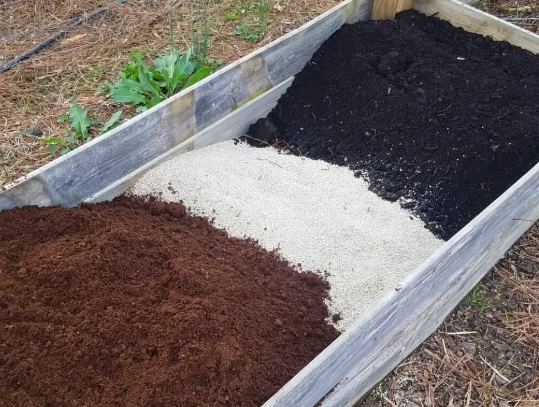
The All-Purpose Recipe:
• 4 parts high-quality compost (from various sources)
• 2 parts coarse horticultural sand or perlite (or 1 part each)
• 2 parts peat moss or coco coir (rehydrated)
• 1 part well-rotted manure (optional, but great for heavy feeders)
• (Optional) A few handfuls of worm castings per wheelbarrow for a microbial boost.
That's it. Simple, but incredibly effective.
Why this ratio? The 4 parts compost give you incredible fertility and biological activity. The 2 parts aeration material guarantees drainage so roots never sit in water. The 2 parts coir or peat holds enough moisture so you're not watering three times a day in summer. The optional manure is a nutrient kickstarter. This mix is light, dark, crumbly, and smells like a forest floor.
Breaking Down the Ingredients: A Quick Comparison Table
Choosing between components can be confusing. This table might help you decide based on your priorities.
| Ingredient | Primary Role | Pros | Cons / Considerations |
|---|---|---|---|
| Compost (Multiple Sources) | Nutrients, Soil Structure, Biology | Improves everything, feeds microbes, holds water. | Quality varies wildly. Can contain weed seeds if not hot-composted. |
| Coarse Sand | Drainage, Weight | Cheap, permanent, adds stability for tall plants. | Very heavy. Must be coarse (not fine). |
| Perlite | Aeration, Drainage | Lightweight, sterile, improves porosity dramatically. | Can float to the top over time. Dust is irritating to lungs (wear a mask). |
| Peat Moss | Moisture Retention, Acidity | Excellent water holder, acidifies soil (good for blueberries). | Non-renewable, environmentally questionable, can be hydrophobic when dry. |
| Coco Coir | Moisture Retention | Renewable, re-wets easily, good water retention. | May contain salts, requires rinsing. Lower cation exchange capacity than peat. |
| Worm Castings | Microbial Inoculant, Nutrients | Supercharged with beneficial microbes and plant growth hormones. | Expensive. Best used as an amendment, not a bulk base. |
Step-by-Step: How to Mix Your Raised Bed Dirt
You can't just dump layers. You need a homogenous mix. Here's how I do it on a tarp or in a large cement mixing tub (for small batches) or a rented small cement mixer (for large projects).
- Gather and Pre-moisten. If using peat moss or coir, break it apart and soak it in water until it's evenly damp, not soggy. Dry peat is a nightmare to wet later.
- Create a Base Layer. On your tarp or mixing area, spread out your bulkier ingredients first—the compost, any topsoil, the damp coir.
- Add the Aeration. Sprinkle the sand and/or perlite evenly over the top.
- The Mixing Dance. Grab two corners of the tarp and pull them over the pile. Then go to the other side and do the same. Roll, lift, and tumble the pile. You're aiming for an even distribution where you see white perlite bits and sand grains throughout the dark compost. No big clumps of any one thing.
- Final Touch. As you mix, add any powdered amendments like a balanced organic fertilizer (following package rates), rock phosphate, or greensand if you like. Sprinkle in the worm castings now.
- The Squeeze Test. Grab a handful of your finished raised bed garden dirt mixture and squeeze it tightly. It should hold together in a loose ball. Then, poke the ball with a finger. It should crumble apart easily. If it stays in a hard ball, it needs more aeration (sand/perlite). If it won't hold any shape at all, it might need a bit more coir or compost to bind it.
Buying vs. Making: What's the Real Cost?
Bagged "Raised Bed Mix" from the garden center is convenient. But is it good? And is it worth it?
In my experience, most are okay but not great. They're often very light on compost and heavy on cheap, shredded wood products (which tie up nitrogen as they decompose). They work in a pinch for a small bed or containers. For a large raised bed, the cost becomes astronomical. Buying bulk compost, sand, and coir from a landscape supplier and mixing yourself is almost always cheaper per cubic yard, and you control the quality. The trade-off is labor.
For my 4x8 foot bed (about 1.5 cubic yards), buying premium bagged mix would have cost over $150. My homemade mix, using bulk compost and bagged perlite/coir, came in under $90. And I knew exactly what was in it.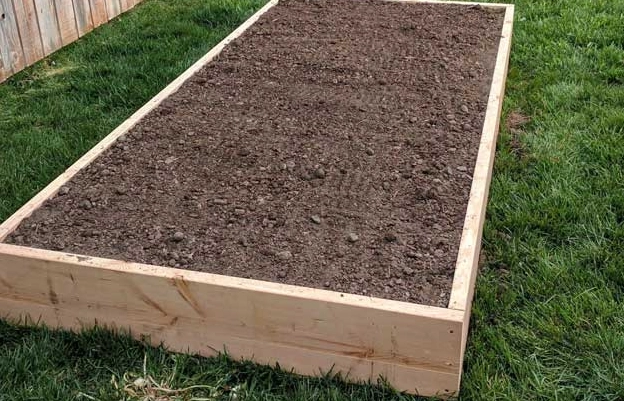
Common Questions (The Stuff That Keeps Gardeners Up at Night)
You can, but it's very expensive for the volume. Potting mix is designed for containers with no native soil contact. It's usually peat-based with perlite and a bit of fertilizer. It will work, but it dries out quickly and may not have the long-term nutrient holding capacity of a compost-rich mix. Fine for topping up or for shallow beds, but not my first choice for a primary fill.
You don't "change" it. That's the beauty of a good mix. Each season, you refresh it. At the start of each planting season, I top-dress the bed with 1-2 inches of fresh compost and a light sprinkling of an all-purpose organic fertilizer, then gently work it into the top few inches with a fork. This replaces nutrients lost to plants and adds fresh organic matter. The core soil structure underneath remains perfect for years.
Yes, very. Organic matter decomposes and compacts slightly. That's why you should fill your bed slightly higher than the rim initially. The seasonal top-dressing of compost replaces this lost volume.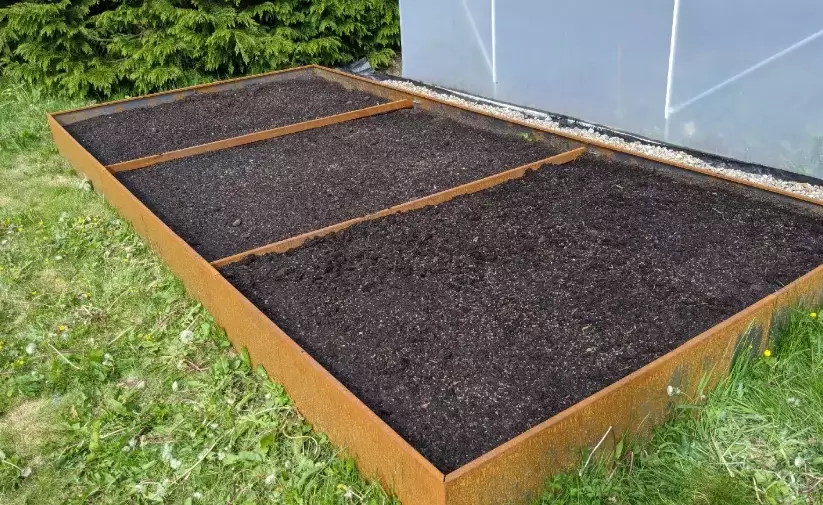
Beyond the squeeze test, the best test is a biological one. After your mix has been in the bed for a few weeks, dig down a few inches. Is it easy to dig? Do you see earthworms? Does it smell earthy and pleasant, not sour or rotten? If yes, you've nailed it. If plants are thriving, that's the ultimate report card. For a more scientific approach, you can get a soil test from your local cooperative extension office, like the one offered by University of Minnesota Extension, which provides detailed analysis and recommendations. Many state universities offer similar services.
A good compost-based mix usually settles around a neutral to slightly acidic pH (6.0-7.0), which is perfect for most veggies. If you're concerned, a simple home test kit can give you peace of mind. If your mix is too acidic (often from peat), you can add garden lime. If it's too alkaline, elemental sulfur can help. Most of the time, with a balanced recipe, you won't need to worry much.
Tailoring Your Mix for Specific Crops
The all-purpose recipe is fantastic. But you can tweak it for specific plant needs.
- For Root Crops (Carrots, Parsnips, Radishes): Double the sand or perlite. They need supremely loose, stone-free soil to form perfect roots. Clumpy soil equals forked, stunted carrots.
- For Moisture-Lovers (Lettuce, Spinach, Celery): Increase the coir or peat moss by a part, and consider adding some vermiculite. They hate drying out.
- For Succulents & Herbs (Rosemary, Lavender, Thyme): They demand sharp drainage. Use more sand and perlite, and go lighter on the compost and coir. A grittier mix prevents root rot.
- For Heavy Feeders (Tomatoes, Peppers, Squash): Boost the compost and well-rotted manure. They're hungry plants. I also bury a handful of organic tomato fertilizer or crushed eggshells (for calcium) in the planting hole for each tomato.
The goal isn't to create a single, static lump of dirt. It's to create a living, breathing, resilient ecosystem in a box. Your raised bed dirt mixture is that ecosystem's home. Treat it well, feed it organic matter, and it will reward you tenfold.
The Long-Term Game: Maintaining Your Soil Ecosystem
Building the perfect mix is only half the battle. Keeping it healthy is the other. This is where many gardeners drop the ball. You can't just harvest and walk away.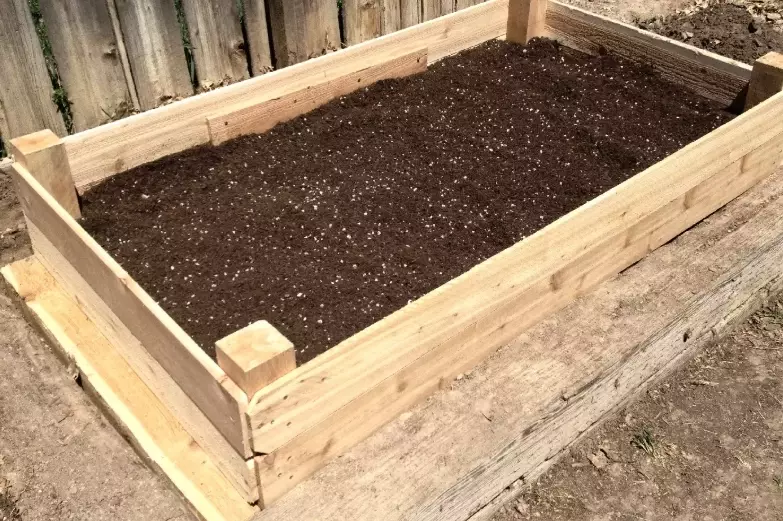
After each crop, I chop and drop any non-diseased plant matter right on the bed as a mulch. At the end of the season, I sow a cover crop like winter rye or crimson clover. It's a game-changer. The cover crop roots prevent erosion, add organic matter when turned under in spring, and can even fix nitrogen (in the case of legumes like clover). The USDA's Natural Resources Conservation Service (NRCS) has excellent resources on the benefits of cover cropping for soil health, even on a small scale.
I also avoid walking on my beds. Compaction is the enemy of your beautiful fluffy soil. Use a board or designated stepping stones if you must reach the center.
Finally, I mulch heavily in the summer with straw or shredded leaves. This keeps soil temperatures even, conserves water, suppresses weeds, and breaks down to feed the soil. It mimics the natural forest floor.
It sounds like a lot, but it becomes routine. And the results are undeniable.
My beds now are so full of life. The soil is dark, crumbly, and smells incredible. Earthworms are everywhere. I water less than my neighbors. My plants are healthier and more pest-resistant. It all started with getting that initial raised bed garden dirt mixture right. It was the foundation for everything that followed. Skip this step, and you'll be fighting an uphill battle. Get it right, and you set yourself up for years of easy, productive gardening.
So, grab a bucket, source some good compost, and start mixing. Your future harvest will thank you.
Reader Comments