In This Gardening Guide
- Why Bother? The Real Benefits of Going Raised
- Building Your First Raised Garden Bed: A Step-by-Step Reality Check
- The Heart of the Matter: Soil for Raised Beds
- What to Grow and How to Plant It
- Keeping Your Garden Thriving: Maintenance Made Simple
- Common Raised Bed Gardening Questions (The Stuff You Really Want to Know)
- My Final Thoughts: Is It Worth It?
Let's talk about a gardening method that changed everything for me. I used to have a traditional in-ground plot. It was a constant battle with clay soil, weeds that seemed to teleport overnight, and backaches that made me question my life choices. Then I built my first raised bed. It wasn't fancy—just some old fence boards nailed together—but the difference was night and day. Suddenly, gardening felt manageable, even enjoyable. This is the power of raised bed gardening.
So, what exactly is it? In the simplest terms, it's gardening in a contained box of soil that sits above the ground. You control the environment from the ground up. It's not a new fad; it's a practical solution that has been used for centuries in various forms. But why has it become so popular now, especially for urban and suburban gardeners?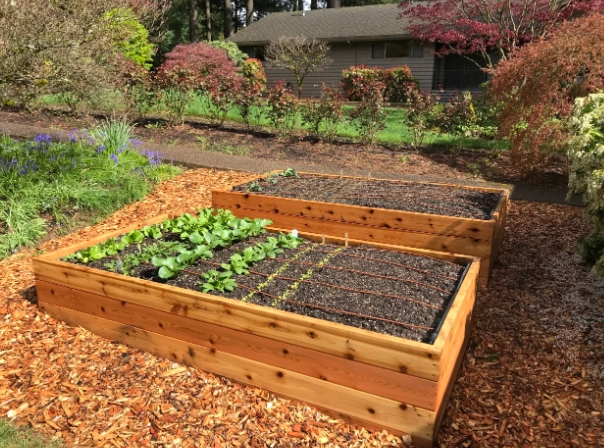
The core idea is simple: you create an ideal growing environment by filling a frame with a perfect soil mix. This puts you in the driver's seat, letting you grow plants in conditions they love, regardless of what's happening in the native soil underneath.
Why Bother? The Real Benefits of Going Raised
You'll hear a lot of praise for raised beds, and most of it is true. But let's break down the real, tangible benefits that make the initial effort worthwhile.
Superior Soil and Drainage: This is the number one reason. If your yard has heavy clay (like mine did) that turns into concrete in summer and a swamp in spring, you're fighting a losing battle. With a raised bed, you fill it with a light, fluffy, nutrient-rich soil mix. Water drains perfectly, preventing roots from rotting. It's like giving your plants a first-class penthouse instead of a basement apartment.
Warmer Soil, Earlier Start: Soil in a raised bed warms up faster in the spring. This can give you a head start of weeks on planting heat-lovers like tomatoes, peppers, and cucumbers. In the fall, that extra warmth extends your growing season.
Weed and Pest Control: Starting with fresh, weed-free soil mix means fewer weed seeds. Any that blow in are much easier to pull from the loose soil. For pests like slugs and some burrowing insects, the physical barrier of the sides can be a deterrent (though not a foolproof one—more on that later).
Ergonomics and Accessibility: No more bending double. You build the bed to a height that's comfortable for you. For me, at 36 inches tall, I can tend to my plants while barely bending my back. This makes raised bed gardening fantastic for anyone with mobility issues or who just wants to avoid the ache.
Space Efficiency and Neatness: You can plant more in less space because you don't need walking paths between every row. The defined beds also make your garden look organized and intentional, which my neighbor certainly appreciates compared to my old wild patch.
Building Your First Raised Garden Bed: A Step-by-Step Reality Check
Alright, you're convinced. Now, how do you actually build one? It's easier than you think, but there are a few key decisions that will save you headaches later.
Choosing the Right Materials
This is where most people get stuck. There are so many options, from cheap to costly, rustic to refined. I've tried a few, and here's my honest take.
Rule #1: Avoid treated wood that was manufactured before 2003, as it likely contained arsenic (CCA). Modern pressure-treated lumber (labeled for ground contact) is generally considered safe for gardens, as it uses copper-based preservatives. But if you're growing organically and want absolute peace of mind, avoid it. I did, simply because I'm cautious.
Here’s a quick comparison of common materials:
| Material | Pros | Cons | My Experience & Verdict |
|---|---|---|---|
| Cedar or Redwood | Naturally rot-resistant, beautiful, long-lasting. | Expensive. Can be hard to find in certain areas. | My favorite for permanent beds. The upfront cost hurts, but 8 years later, they look and perform great. Worth the investment. |
| Modern Pressure-Treated Pine | Affordable, readily available, long-lasting. | Some gardeners have concerns about chemical leaching (though studies like those from the University of California Agriculture and Natural Resources suggest minimal risk). | A practical choice for deep beds on a budget. Lining the inside with landscape fabric can ease chemical concerns. |
| Composite Lumber | Very long-lasting, no rotting, often made from recycled materials. | Can be very expensive. Some types can warp or get hot in the sun. | I haven't used it for a full bed, but friends swear by it. The lack of maintenance is a huge plus. |
| Concrete Blocks or Bricks | Extremely durable, cheap, great thermal mass. | Heavy to move. Can increase soil pH over time (not great for acid-lovers like blueberries). | Great for a rustic, permanent look. The hollow cores can be planted with herbs! |
| Galvanized Steel | Modern look, very durable, warms soil quickly. | Can be pricey. Soil can get too hot in peak summer without mulch. | I have one metal bed. It's stunning and my tomatoes love the early heat. In July, I have to be diligent with watering and shading. |
The Perfect Dimensions: It's Not Just About Looks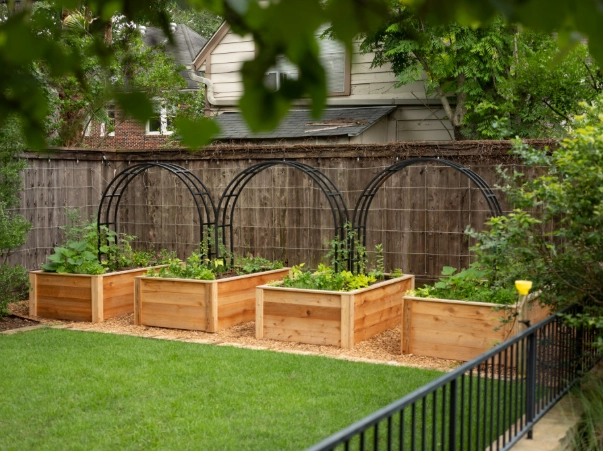
You can't just build a box of any size. Get the dimensions wrong, and you'll struggle forever.
- Width: This is the most important. Never build a bed wider than 4 feet. Why? You need to be able to reach the center from either side without stepping into the bed. Stepping in compacts the beautiful soil you worked so hard to create. My sweet spot is 3 feet wide—effortless access.
- Length: Up to you. Limited by your space and materials. An 8-foot length is common because lumber comes in 8-foot pieces.
- Height: For most vegetables, 12 inches is the absolute minimum. This gives roots room to grow. I prefer 18 to 24 inches for deep-rooters like carrots and parsnips. For accessibility (sitting or standing), aim for 24 to 36 inches. My highest bed is 36 inches, and it's a dream for my back.
Let's be honest, it's not all sunshine and rainbows. Building a tall, large bed requires a lot of soil to fill it. That cost can surprise you. For my 4'x8'x2' bed, I needed nearly 1.5 cubic yards of soil. Delivery was a must.
Location, Location, Location
Pick the wrong spot, and your plants will struggle no matter how good your soil is.
Sunlight is King: Most vegetables need at least 6-8 hours of direct sun per day. Observe your yard over a full day. Don't guess. A sunny spot in spring might be shaded by trees in summer. Leafy greens can tolerate a bit less, but tomatoes and peppers will be sad and unproductive without full sun.
Level Ground and Water Access: Place your bed on level ground. Have a hose or watering can ready to go nearby. Trust me, hauling water gets old fast.
The Heart of the Matter: Soil for Raised Beds
This is the secret sauce. Fill your beautiful new bed with bad soil, and you've wasted your time. Do not, I repeat, do not just shovel dirt from your yard into it.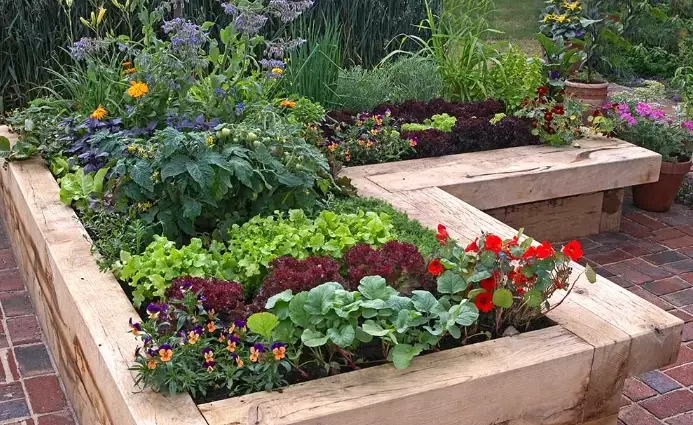
You need a mix that is light, fertile, and retains moisture but drains well. The classic, tried-and-true recipe is called "Mel's Mix," popularized by Mel Bartholomew's Square Foot Gardening method. It's a 1:1:1 blend of:
- Compost: Provides nutrients and microbial life. Use multiple sources if you can (mushroom compost, composted manure, homemade compost) for a broader nutrient profile.
- Peat Moss or Coconut Coir: Holds moisture and keeps the mix light. Coir is a more sustainable alternative to peat moss.
- Vermiculite: Aids in moisture retention and aeration. It's that light, shiny stuff you see in bagged potting mixes.
Is this mix expensive to fill a large bed? Yes. Is it worth it? Absolutely. Your plants will explode with growth. For a more budget-friendly but still effective option, many gardeners (myself included for larger beds) use a blend of:
- 50% high-quality topsoil (screened, not clay)
- 30% compost
- 20% composted pine bark fines or coarse sand for drainage
The University of Maryland Extension recommends similar proportions, emphasizing the importance of well-composted organic matter. You can often buy "garden soil" or "raised bed mix" in bulk from landscape suppliers, but ask what's in it. Get a handful and feel it—it should be crumbly, not clumpy or sandy.
What to Grow and How to Plant It
The beauty of raised bed gardening is that you can grow almost anything. But some plants are particularly well-suited.
Top Performers in Raised Beds
Leafy Greens (Lettuce, Spinach, Kale): They love the cool, moist soil. You can succession plant these all season.
Root Vegetables (Carrots, Radishes, Beets): In deep, loose, stone-free soil, they grow straight and beautiful. No more forked, stunted carrots!
Tomatoes, Peppers, Eggplants: The warm soil gives them a fantastic head start. Just give them space and strong support.
Compact Squash and Cucumbers: Look for bush varieties or train vining types up a trellis attached to the bed. Saves a ton of space.
Planting Strategies: Density and Succession
Forget long, single rows with wasted space. In raised beds, we plant intensively.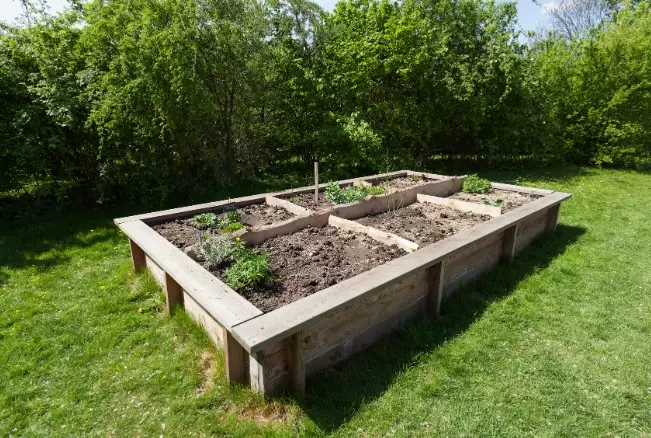
Square Foot Gardening: Divide your bed into 1-foot squares. Each square gets a different number of plants (e.g., 1 tomato, 4 lettuce, 9 spinach). It's a fantastic system for beginners to maximize yield.
Succession Planting: As soon as you harvest one crop (like radishes), plant something else in that spot (like beans). This keeps your bed productive from early spring to late fall.
Companion Planting: Some plants help each other. I always plant basil near my tomatoes—some say it improves flavor, and it certainly saves space. Marigolds around the edges can help deter some pests.
Keeping Your Garden Thriving: Maintenance Made Simple
Raised beds are lower maintenance, but they're not no-maintenance. Here's the real deal on upkeep.
Watering: Raised beds drain well, which means they can dry out faster than in-ground gardens, especially in hot weather. Deep, infrequent watering is key. Soak the soil until water runs out the bottom, then let the top inch or two dry out before watering again. A drip irrigation system on a timer is the ultimate luxury and a huge time-saver. I installed one two years ago, and it's the best gardening money I've ever spent.
Feeding: That perfect soil mix won't stay perfect forever. Plants are hungry. I add a 1-2 inch layer of fresh compost over the entire bed every spring and fall. This is often enough. For heavy feeders like tomatoes, I might also use an organic, balanced fertilizer (like a 5-5-5) mid-season. A soil test every few years, available through your local cooperative extension office, tells you exactly what you need.
Weeding and Pest Control: Weeds are minimal, but they happen. Pull them when they're tiny. For pests, vigilance is key. Check under leaves. I handpick caterpillars and use floating row covers to protect young plants. For aphids, a strong blast of water often works. I avoid broad-spectrum insecticides because they kill the good bugs too, like ladybugs and lacewings that eat aphids.
My biggest pest issue? Squash vine borers. No raised bed will stop them. My solution now is to plant squash later or use row covers until flowering, which is a hassle but works.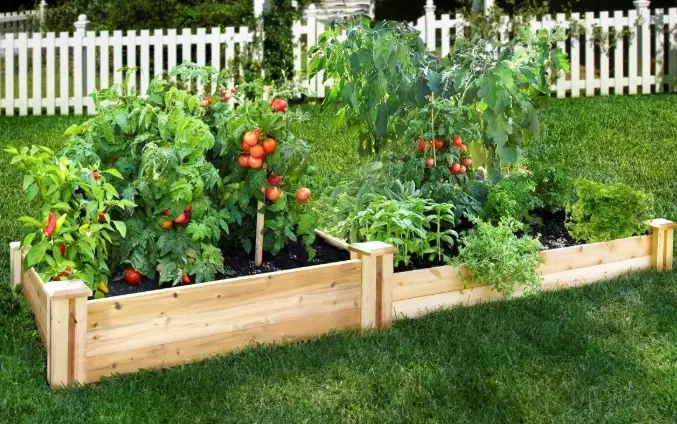
Common Raised Bed Gardening Questions (The Stuff You Really Want to Know)
My Final Thoughts: Is It Worth It?
Look, building a raised bed garden requires an upfront investment of time, effort, and money. It's not magic. You'll still have to water, weed a little, and deal with pests.
But here's the thing: it removes about 80% of the hardest, most discouraging parts of traditional gardening. The back-breaking digging, the hopeless battle with poor soil, the waterlogging. It gives you control. It makes gardening accessible and successful for almost anyone, anywhere.
My raised beds have given me more than just vegetables. They've given me a reliable, peaceful hobby right outside my door. The harvests are consistently better, and the whole process is just... easier. If you're on the fence, start small. Build one 4'x4' bed. Try it. I have a strong feeling you'll be planning your second one before the season is over.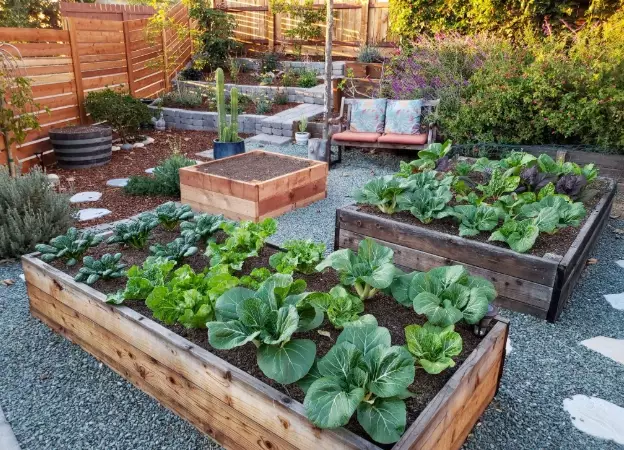
Happy gardening!
Reader Comments