Quick Navigation
- Why Go Small and Raised? The Benefits Are Huge
- First, The Foundation: Planning Your Small Raised Bed
- The Material Showdown: What to Build Your Raised Bed From
- Creative Small Raised Garden Bed Designs & Layout Ideas
- The Step-by-Step Build: A Simple Cedar Raised Bed
- The Most Important Part: Soil
- Planting & Maintaining Your Small Raised Bed
- Answering Your Questions (The FAQ)
- Wrapping Up: Your Next Step
Let's talk about small raised garden bed designs. You've seen the pictures online, those perfect little rectangles bursting with life in a corner of a yard or on a patio. And you want that. But where do you even start? The options feel endless, and honestly, some of the advice out there is... overly complicated.
I built my first one years ago on a shoestring budget with some scrap wood. It leaned a bit, but it grew tomatoes. Since then, I've built more than a dozen, made every mistake you can think of, and learned what actually works. This guide isn't about theory. It's about giving you the clear, practical steps and creative ideas you need to build a raised bed that looks great and actually produces food or flowers.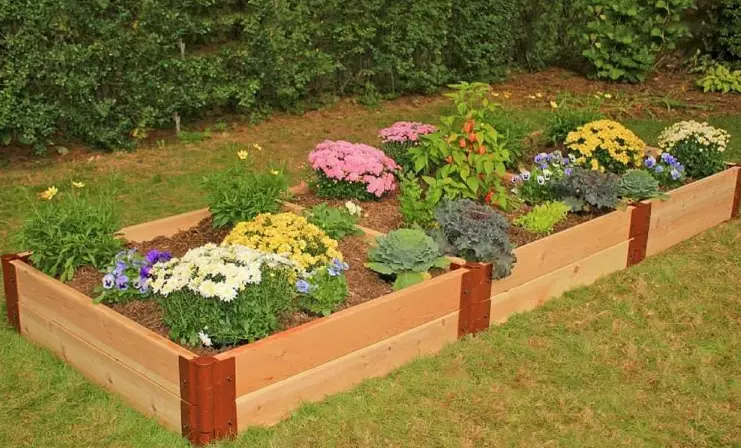
Why Go Small and Raised? The Benefits Are Huge
Before we dive into the designs, let's get real about why you're even considering this. For small spaces, raised beds aren't just an option; they're often the best option.
Soil control is the big one. If your native soil is pure clay, rocks, or contaminated (a real concern in some urban areas), a raised bed lets you start fresh with perfect, fluffy, nutrient-rich soil. No more battling impossible ground. The elevation also improves drainage—no more waterlogged roots after a heavy rain. That means happier plants.
Then there's the back. Bending over less is a gift. Weeding, planting, and harvesting become activities you can do standing up or from the side of the bed. It's a game-changer.
For renters or people who move often, some small raised garden bed designs can be semi-portable. A simple cedar box can often be lifted and moved if you're careful.
And let's not forget pests. While not a perfect barrier, a tall enough bed can deter some slugs, snails, and even rabbits more easily than a ground-level plot. You can even add hardware cloth to the bottom to stop burrowing critters.
First, The Foundation: Planning Your Small Raised Bed
Jumping straight to picking a design is tempting, but a little planning saves so much frustration later. Trust me on this.
Location, Location, Location
Most vegetables and flowers need at least 6-8 hours of direct sun daily. Watch your potential spot over a full day. No sun? Your plant choices shift to shade-lovers like lettuce and spinach. Also think about water access. Dragging a hose 100 feet gets old fast.
One thing I learned the hard way: don't tuck it in a forgotten corner just because it's empty. If you don't see it regularly, you'll forget to water and care for it. Place it where you'll walk by it often.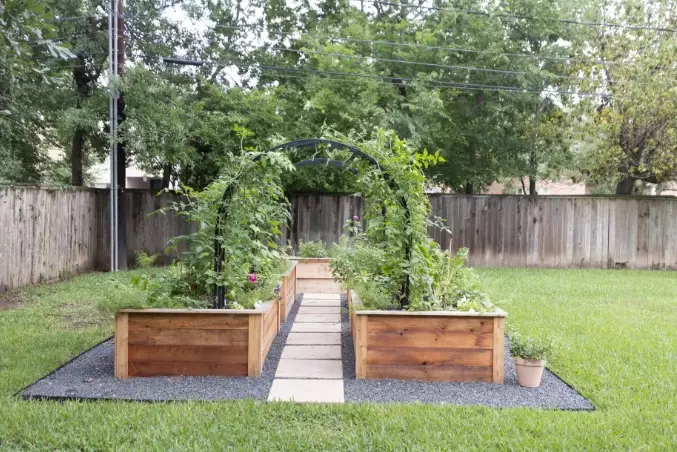
The Golden Rules of Size
This is where most first-timers mess up. They go too big.
For small raised garden bed designs, here are the magic numbers:
- Width: Never more than 4 feet wide. Why? So you can reach the center from either side without stepping into the bed (which compacts the soil). For beds against a wall or fence, keep it to 2-3 feet wide.
- Length: This is flexible. 4 to 8 feet is very manageable. Longer than 8 feet, and the structure might need reinforcement in the middle to prevent bowing.
- Height: This is key. 11-12 inches is the absolute minimum for most root crops. I strongly recommend 18-24 inches. The extra soil depth means incredible root growth, better moisture retention, and far less bending for you. It costs more to fill, but the payoff is massive.
The Material Showdown: What to Build Your Raised Bed From
This is the fun part—picking the look and feel. Each material has its own personality, cost, and lifespan.
| Material | Pros | Cons | Best For | Estimated Lifespan |
|---|---|---|---|---|
| Cedar or Redwood | Naturally rot-resistant, beautiful aging (silver-gray), no chemical treatment needed, easy to work with. | Most expensive wood option. Can still eventually decay. | Those who want a classic, natural look and are willing to invest. | 10-15+ years |
| Pressure-Treated Lumber (Modern) | Very affordable, widely available, long-lasting. Modern treatments (ACQ, CA-B) are considered safe for gardening. | Some gardeners still have concerns (though science says it's fine). Aesthetic is more utilitarian. | Budget-conscious builders who want durability. The practical choice. | 15-20+ years |
| Composite Lumber | Zero maintenance, won't rot, splinter, or warp. Often made from recycled plastics/wood fibers. | Highest upfront cost. Can get hot in full sun. Limited design flexibility (often comes in specific kits). | Low-maintenance seekers, modern aesthetics, coastal/wet areas. | 20-25+ years |
| Corrugated Metal (Galvanized Steel) | Very trendy, industrial-chic look, durable, fast assembly with corner brackets. | Edges can be sharp (need capping). Soil can get very hot on sunny sides. Can be noisy in rain. | Urban gardens, modern landscapes, quick assembly. | 15-20+ years |
| Cinder Blocks or Bricks | Super durable, inexpensive, heavy (won't move). Hollow blocks can be used as planting pockets. | Very heavy, permanent installation. Can leach lime into soil initially (affects pH). Rough aesthetic. | Very permanent installations, arid climates, geometric designs. | Essentially permanent |
| Natural Stone or Rock | Breathtakingly beautiful, blends with landscape, permanent and stable. | Extremely heavy, expensive, requires skill to build properly. | High-end landscape features, naturalistic gardens. | Permanent |
A quick note on the pressure-treated debate: Since 2004, the arsenic-based treatment (CCA) has been phased out for residential use. The new standards (like ACQ) use copper. Regulatory bodies like the U.S. Environmental Protection Agency (EPA) oversee these treatments. Most university extension services, like the University of Minnesota Extension, state that modern pressure-treated wood is safe for use in vegetable gardens. If you're still worried, lining the inside walls with heavy-duty plastic is an option, but ensure the bottom is open for drainage.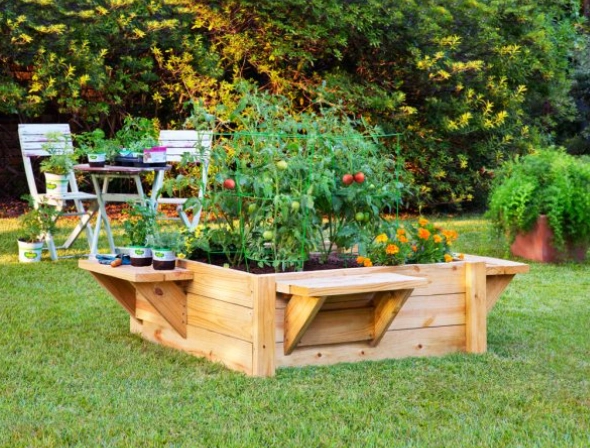
Creative Small Raised Garden Bed Designs & Layout Ideas
Now for the inspiration. A rectangle isn't your only choice. Here are some of my favorite design concepts for small spaces.
The Classic Rectangle (The Workhorse)
Don't knock it. A simple 4'x8'x18" cedar box is a timeless design for a reason. It's efficient, easy to build, and fits neatly along a fence, house wall, or as an island in the lawn. You can plant in traditional rows, or use the more space-efficient square foot gardening method within it.
The Keyhole Garden
This is a brilliant design for maximizing edge space. Imagine a circular bed with a pie-slice cut out of one side, giving you access to the center. The center often features a composting basket you water, which feeds nutrients outward. It's a great permaculture-inspired design that's both efficient and visually interesting. Perfect for a corner.
Tiered or Stacked Beds
Want more visual drama and maybe different microclimates? Build two or three rectangular beds of decreasing size and stack them. You can plant trailing herbs or strawberries in the upper tiers, and deeper-rooted plants below. It adds height and makes a fantastic focal point.
Vertical Integration: Trellis Beds
Any of these small raised garden bed designs can be instantly upgraded by adding a trellis to one end or along the back. Grow cucumbers, pole beans, or small squash vertically. This saves immense ground space and looks gorgeous. Just ensure the bed is sturdy enough to handle the wind load on the trellis—maybe sink the posts deep or anchor them to the bed frame securely.
I built one for my peas last spring. It was just some cattle panel arched between two beds, but it created a beautiful green tunnel and yielded like crazy.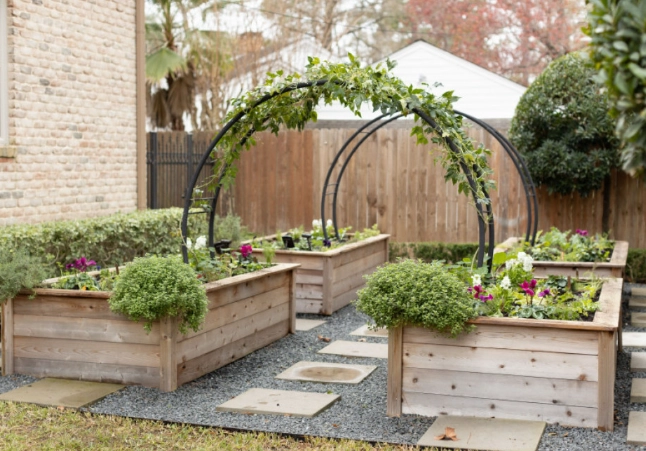
Geometric Shapes: Hexagons & Triangles
For the more adventurous builder, a hexagonal bed is stunning. It creates six triangular planting sections radiating from the center. It's a more advanced build but results in a real showpiece. Triangular beds can fit perfectly into odd corners of a yard where a rectangle wouldn't work.
The Step-by-Step Build: A Simple Cedar Raised Bed
Let's make this concrete. Here's how to build a no-fuss, 4'x8'x18" bed from cedar 2x6s. This is a classic for a reason—it works.
What You'll Need:
- (8) 2"x6"x8' cedar boards
- (4) 4"x4"x18" cedar posts (for corner braces)
- Exterior-grade wood screws (3.5" deck screws)
- Drill/driver
- Level, tape measure, square
- Optional: Landscape fabric, cardboard, hardware cloth
The Process:
First, cut your boards. You'll cut four of the 8-foot boards in half to make eight 4-foot pieces. The other four 8-footers stay as-is.
Now, build the first layer on a flat surface. Take two 8-foot boards and two 4-foot boards. Arrange them in a rectangle. Pre-drill holes to prevent splitting, then screw the corners together using the 4x4 posts on the inside. The post should be flush with the bottom of the boards. This gives you a solid corner.
Repeat to make a second identical rectangle. These are your top and bottom layers.
Take your first layer to the site. Clear the grass and level the ground as best you can—this is crucial. Place the layer down.
Now, stack the second layer on top, staggering the corner seams (like bricks). Screw it down into the first layer and into the corner posts.
Add the third and final layer of boards, staggering again. Screw it all together. You now have a three-board-tall, 18-inch high box.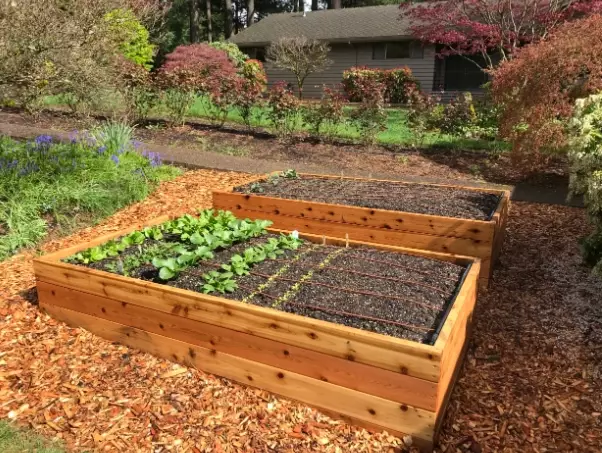
The inside.
If you have gophers or moles, now is the time to staple hardware cloth to the bottom. Use galvanized stuff. If not, just lay down cardboard or several layers of newspaper right on the grass to smother weeds. Don't use landscape fabric on the bottom—it can impede drainage and root growth over time.
The Most Important Part: Soil
You can build the most beautiful raised bed in the world, but if you fill it with junk soil, you'll fail. This is not the place to skimp or use dirt from a random hole in your yard.
You need a light, fluffy, well-draining mix. The classic "Mel's Mix" from Square Foot Gardening is perfect: 1/3 blended compost, 1/3 peat moss or coconut coir, 1/3 coarse vermiculite. It's weed-free and holds moisture and nutrients beautifully.
For a more standard approach, many garden centers sell "raised bed mix" in bags or bulk. It's a good starting point. My personal mix is: 50% high-quality topsoil, 30% compost (from multiple sources—manure, mushroom, plant-based), 10% peat moss, and 10% perlite for aeration.
Filling an 18-inch tall bed takes a lot of soil. Calculate the volume (Length x Width x Height) in feet to get cubic feet. My 4'x8'x1.5' bed needed 48 cubic feet. Buying in bulk from a landscape supply company is far, far cheaper than bags. Have it delivered if you can.
Planting & Maintaining Your Small Raised Bed
Now the fun begins. With your perfect soil, you can plant more intensively than in the ground.
What to Plant?
Almost anything! But for small raised garden bed designs, focus on high-value crops. Lettuces, kale, spinach, herbs (basil, cilantro, parsley), radishes, carrots, bush beans, and determinate (bush) tomatoes are all stars. Avoid space hogs like full-sized corn or giant winter squash unless you have multiple beds.
Succession planting is your secret weapon. When you harvest your spring radishes, replant that spot with beans. After the beans, maybe some fall spinach.
Watering is Different
Raised beds drain fast, especially when new. They often need more frequent watering than in-ground gardens, particularly in summer. Drip irrigation or a soaker hose on a timer is the single best investment you can make for your garden's health and your own sanity. Hand-watering a thirsty bed in July gets old, fast.
A thick layer of mulch (straw, shredded leaves, wood chips) on top of the soil after planting will conserve massive amounts of water and suppress weeds.
Feeding Your Soil
That amazing soil you bought isn't a forever battery. Plants eat the nutrients. Each season, top-dress with an inch or two of fresh compost. You can also use organic fertilizers like fish emulsion or kelp meal during the growing season if plants show signs of hunger (yellowing leaves, slow growth).
Answering Your Questions (The FAQ)
How deep does a raised bed need to be for tomatoes?
Tomatoes are hungry, thirsty, deep-rooted plants. For the best results, aim for at least 18 inches of soil depth. 24 inches is even better. This gives their roots room to anchor and access water and nutrients deep down, which is crucial during a hot, dry spell. In a 12-inch bed, they'll survive but won't thrive as they could.
Can I put a raised bed on concrete or a patio?
Absolutely! This is a fantastic way to use hard surfaces. Just remember: drainage is critical. You must ensure water can escape, or you'll create a swamp. Make sure your design has drainage holes or gaps at the bottom. Elevate the bed an inch or so with patio blocks or plastic "feet" to let water flow out. Use a very light, well-draining soil mix, and be extra vigilant about watering, as it will dry out even faster.
What's the cheapest way to build a small raised bed?
If you're on a super tight budget, skip wood. Look for untreated pallets (marked HT for heat-treated, not MB for methyl bromide) and disassemble them for free wood. Or, use cinder blocks. You can even create a simple "no-dig" raised bed by mounding good soil and compost directly on cardboard laid over grass, and framing it with branches, logs, or rocks you find. It won't last decades, but it will grow food this season.
Do I need to line my wooden raised bed?
For modern pressure-treated wood (ACQ), it's not necessary for safety. However, lining the inside with 6-mil polyethylene plastic or pond liner can dramatically extend the life of any wood by keeping it constantly dry. Critical: Only line the sides, not the bottom. Staple the liner to the top inside edge, let it hang down, and cut slits or leave the bottom few inches open so water can drain out from the soil. A sealed bottom will drown your plants.
How do I keep pests out?
For burrowing animals (gophers, voles), line the bottom before filling with hardware cloth. For rabbits, a simple 2-3 foot tall chicken wire fence attached to the outside posts works. For insects, floating row covers are your best friend. They let in light and water but keep bugs like cabbage moths and flea beetles off your plants. Slugs? Beer traps or iron phosphate bait.
Wrapping Up: Your Next Step
Look, the best small raised garden bed designs are the ones that get built. Don't get paralyzed trying to make it perfect. Start simple. A 4x4 foot bed is a fantastic, manageable first project. You'll learn so much in that first season.
The beauty of these gardens is that they're forgiving and modular. Start with one. Love it? Build another next year. Try a different material or shape. Your garden evolves with you.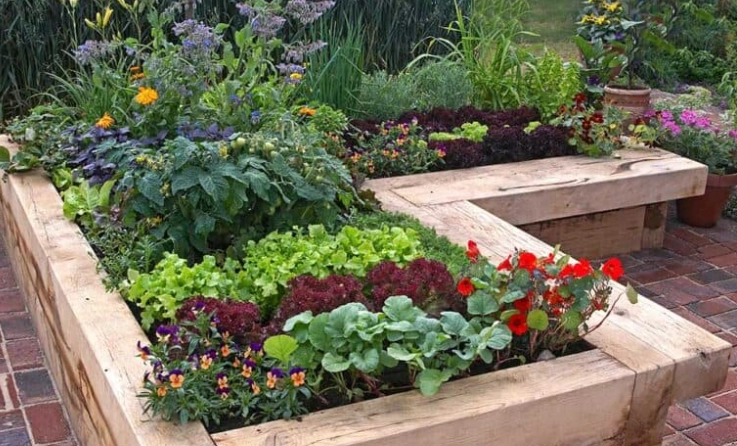
For more detailed, science-backed information on soil health and plant selection, I always find myself referencing the resources from my state's university extension service. They have local, practical advice that's gold. The USDA also has great general planting zone and guides through their Plant Hardiness Zone Map site.
So grab some boards, or blocks, or metal. Pick a sunny spot. The hardest part is starting. Once you taste that first tomato or snip that first bunch of basil you grew yourself, from soil you built, you'll be hooked. There's nothing quite like it.
Go build something.
Reader Comments