In This Guide
- Why Bother Mixing Your Own Soil? The Bagged Stuff is Fine, Right?
- The Building Blocks: Your Soil Ingredient Toolkit
- The Universal Starter Recipe: A Foolproof All-Purpose Mix
- Tailoring the Ratio: Custom Mixes for Specific Plants
- Common Soil Mixing Mistakes (And How to Avoid Them)
- Step-by-Step: How to Actually Mix Your Soil Like a Pro
- Answering Your Dirt-Covered Questions (FAQ)
- Final Thoughts: It's Worth the Effort
Let's be honest. I've killed my fair share of plants. You buy this beautiful tomato seedling, full of hope, plant it in what you think is decent dirt from the bag, and then... nothing. It just sits there, sulking, until it gives up the ghost. Turns out, most of the time, the problem isn't the plant, the water, or your (questionable) singing to it. It's the stuff you put its roots in. The foundation. The soil.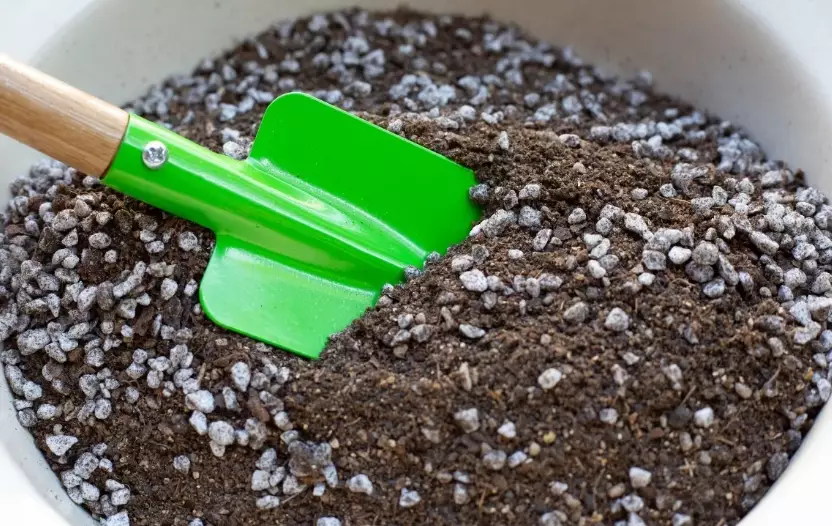
Getting the garden soil mix ratio right is the single most impactful thing you can do for your garden. It's the difference between struggling plants and a thriving, productive jungle. But with all the talk of loam, compost, and perlite, it can feel like you need a chemistry degree. You don't. You just need to understand what each part does and how they play together.
This isn't about one magic formula. It's about understanding the principles so you can mix your own soil for anything—raised beds, containers, seedlings, you name it. Forget the expensive, pre-bagged stuff that often disappoints. Let's get our hands dirty and build something better.
The Core Idea: Think of your soil mix as a house for your plant's roots. You need structure (for room to grow and air), plumbing (for water and nutrients), and a pantry (to feed the plant). A good soil mix ratio balances all three.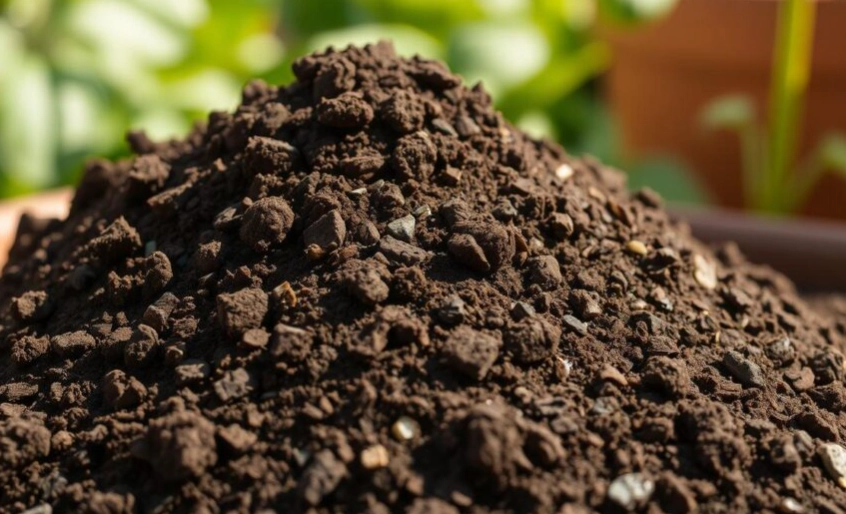
Why Bother Mixing Your Own Soil? The Bagged Stuff is Fine, Right?
Well, sometimes. But often, it's not. Commercial potting mixes can be inconsistent. Some are great, many are just okay, and some are basically glorified mulch. They might be too dense, drain poorly, or run out of nutrients in a month. When you mix your own, you control the quality of every ingredient. You save money in the long run, especially for large projects like raised beds. And most importantly, you can tailor the potting soil recipe to exactly what you're growing.
Are you growing thirsty vegetables? Drought-tolerant herbs? Acid-loving blueberries? Each has slightly different needs. A one-size-fits-all approach from a bag rarely delivers optimal results.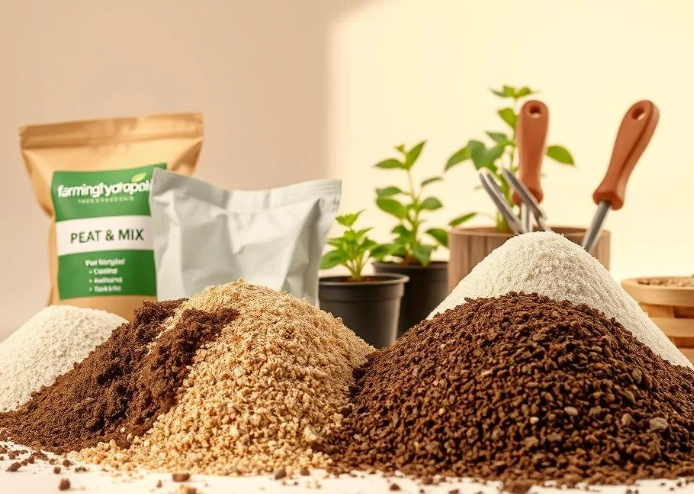
I learned this the hard way with a batch of lavender. I used a generic vegetable garden mix, and it hated it. Too rich, too moist. It just rotted. That failure sent me down the rabbit hole of soil science, and honestly, my garden has never been the same since.
The Building Blocks: Your Soil Ingredient Toolkit
Before we talk ratios, you need to know the players. Each component in your garden soil mix has a specific job. Here’s your essential shopping list.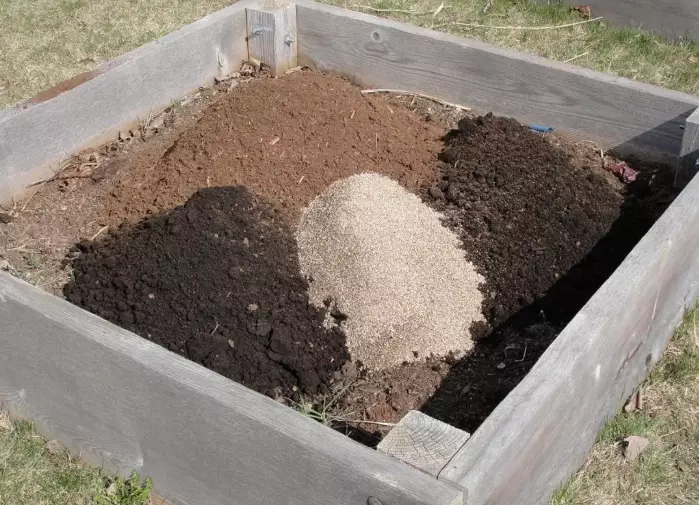
The Structural Crew (Aeration & Drainage)
These ingredients create air pockets and prevent soil from compacting into a brick.
- Perlite: Those little white, popcorn-like bits. Super light, sterile, and fantastic for aeration. It doesn't hold water or nutrients, its job is purely to create space. Essential for container mixes.
- Vermiculite: Shiny, golden-brown flakes. It's like a sponge—it holds both water and nutrients and helps with aeration. Great for seed starting mixes where consistent moisture is key.
- Coarse Sand (Horticultural/Grit Sand): Not play sand or beach sand (too fine). This is sharp, gritty sand that improves drainage dramatically. Crucial for cacti, succulents, and plants that hate wet feet.
- Pumice or Lava Rock: A heavier, porous alternative to perlite. It doesn't float to the top when you water and lasts longer in the soil. A premium choice for long-term plantings.
The Nutrient & Moisture Crew (The Workhorses)
This is where the magic of fertility and water retention happens.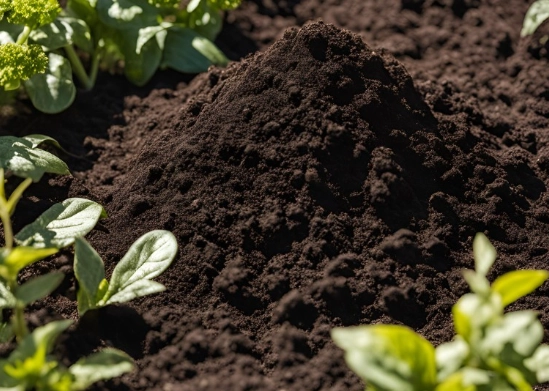
- Compost: The heart of any good mix. It's decomposed organic matter teeming with microbial life. It provides a slow-release buffet of nutrients, improves soil structure, and helps retain moisture. Your own homemade compost is gold, but quality bagged compost works too. The U.S. Environmental Protection Agency has great resources on starting a compost pile.
- Well-Aged Manure: Cow, horse, or chicken manure that has been composted for at least 6 months (fresh manure will burn plants). It's nutrient-rich and improves soil texture. A fantastic booster.
- Worm Castings: Essentially, worm poop. It's a mild, nutrient-rich, microbially-active amendment that plants absolutely love. It's not a primary bulk ingredient but a powerful additive.
- Coconut Coir: A sustainable alternative to peat moss. Made from coconut husks, it's excellent at retaining water and aerating the soil. It has a near-neutral pH, which is a plus for many gardens.
The Base Material (The Bulk)
This forms the main volume of your mix.
- Topsoil/Garden Loam: For in-ground or raised bed applications, good quality topsoil is your base. The keyword is good quality. Avoid cheap, bagged topsoil that might be clay-heavy or full of weeds.
- Sphagnum Peat Moss: The traditional base for many potting mixes. It's acidic, holds a ton of water, and is lightweight. Environmental concerns exist due to peat bog harvesting, so many gardeners now prefer coir. If you use it, consider sourcing from companies committed to responsible harvesting, like those certified by the International Peatland Society.
See? It's not so mysterious. Each part has a role.
The Universal Starter Recipe: A Foolproof All-Purpose Mix
If you're just starting out and want one mix that will work for 80% of your gardening needs—containers, raised beds, most vegetables and flowers—this is your go-to. I call it the “Universal Workhorse.”
The Universal Workhorse Potting Soil Recipe
This ratio by volume (think buckets or shovels) is easy to remember and incredibly effective:
- 1 part Compost (for nutrients and biology)
- 1 part Coconut Coir (or Peat Moss) (for moisture retention and bulk)
- 1 part Aeration Material (I use a 50/50 blend of Perlite and Vermiculite for the best of both worlds)
That's it. A simple 1:1:1 garden soil mix ratio. For every bucket of compost, add a bucket of coir and a bucket of your perlite/vermiculite mix.
Mix it thoroughly in a wheelbarrow or on a large tarp. Get it uniformly blended. This mix is light, fluffy, drains well but holds moisture, and is packed with nutrients. It's a fantastic starting point.
My Personal Gripe: Many pre-mixed bags skimp on the aeration. They feel dense and heavy. That's why your plants get waterlogged. Don't be afraid of those white perlite bits! They are your friends. A mix that's 30-40% aeration material is not crazy—it's smart for container gardening.
Tailoring the Ratio: Custom Mixes for Specific Plants
Now, the fun part. Once you have the basic principle down, you can tweak the soil ingredients for gardening to create perfect homes for specific plant families.
For Seed Starting and Seedlings
Baby plants need a super fine, sterile, and consistently moist environment. Drainage is still critical to prevent damping-off disease.
- Base: 2 parts Coconut Coir or fine Peat Moss.
- Nutrient/Aeration: 1 part Vermiculite (for moisture) and 1 part fine Perlite.
- Additive: A handful of worm castings per gallon for a gentle nutrient boost.
- Key Point: This mix is low in fertility on purpose. Seedlings are fed by their seed leaves. Too much fertilizer can burn them. You'll start feeding with a weak liquid fertilizer once they have their first true leaves.
For Vegetables (Tomatoes, Peppers, Cucumbers, etc.)
These are heavy feeders that need rich soil, excellent drainage, and consistent moisture. They hate soggy roots.
- Start with the Universal Workhorse (1:1:1).
- Boost it: For every 10 gallons of mixed soil, add 1-2 cups of a balanced, granular organic fertilizer (like a 5-5-5) and 1 cup of garden lime (to balance pH, especially if using peat moss).
- For raised beds: You can use a bulk topsoil as part of the base. A common raised bed soil mix ratio is: 50% topsoil, 30% compost, 20% aeration (perlite/coarse sand).
For Succulents, Cacti, and Lavender
These plants demand fast-draining, gritty, lean soil. Overwatering is the #1 killer, and rich soil encourages weak growth.
- Forget the compost-heavy mixes. Seriously.
- Classic Gritty Mix: 1 part Potting Soil (a simple one), 1 part Coarse Sand (horticultural grit), 1 part Perlite or Pumice.
- Even Grittier (My Preference): 2 parts Pumice or crushed lava rock, 1 part Coconut Coir or screened pine bark fines, 1 part coarse sand. This is almost soil-less and drains in seconds.
For Acid-Loving Plants (Blueberries, Azaleas, Rhododendrons)
These guys need a low pH (acidic) environment to access nutrients.
- Base: Use acidic materials. A great mix is 50% peat moss (naturally acidic), 30% pine bark fines (also acidic and great for structure), and 20% perlite.
- Do NOT add lime. You can add a fertilizer formulated for acid-loving plants.
Feel the power? You're no longer stuck with what's on the shelf.
Common Soil Mixing Mistakes (And How to Avoid Them)
I've made most of these. Consider this a shortcut past the frustration.
| Mistake | What Happens | The Fix |
|---|---|---|
| Using Garden Soil in Pots | It compacts into concrete, suffocating roots. Drainage is terrible. | Never use pure garden soil in containers. Always use a soilless potting mix designed for aeration. |
| Skimping on Aeration | Water pools, roots rot, plants stagnate. The mix feels heavy and dense. | Be generous with perlite, pumice, or coarse sand. Aim for at least 20-30% of your total mix volume. |
| Using Fresh/Unfinished Compost or Manure | It can “burn” plants with excess salts and ammonia. It may also contain pathogens or weed seeds. | Ensure all compost and manure is well-aged, dark, crumbly, and smells earthy—not sour or pungent. |
| Not Mixing Thoroughly | You get pockets of pure perlite or pure compost, leading to uneven watering and nutrient distribution. | Mix on a tarp by pulling corners back and forth for at least 5-10 minutes until it's completely uniform. |
| Ignoring pH | Nutrients get “locked up” and unavailable to plants, even in a rich mix. | For most gardens, aim for a slightly acidic to neutral pH (6.0-7.0). Test your mix with a simple kit. Add lime to raise pH (if too acidic) or sulfur to lower it (if too alkaline). |
Step-by-Step: How to Actually Mix Your Soil Like a Pro
- Gather & Measure: Lay out a large tarp (a 10x10 ft one is perfect) on a flat surface. Have all your ingredients in buckets or piles nearby. Measure by volume using the same bucket for consistency.
- The Dump & Mound: Dump your measured components in separate piles on the tarp. Then, one shovel at a time, create a layered mound—a layer of compost, a layer of coir, a layer of perlite, repeat.
- The Tarp Tango: This is the fun part. Grab two corners of the tarp on one side, and have a friend (or just use your might) grab the two corners directly opposite. Gently lift and roll the ingredients from one side of the tarp to the other. Then go the other way. Do this 10-15 times. It’s the most effective way to get a perfectly homogeneous blend without back strain.
- Moisten (The Secret Step): Dry peat moss and coir are hydrophobic—they repel water. After mixing, lightly moisten the entire pile with a watering can or hose with a gentle spray. Mix again with the tarp. The goal is “moist as a wrung-out sponge,” not soggy. Let it sit for a few hours or overnight before using, to allow moisture to fully penetrate.
Pro Storage Tip: Mixed more than you need? Store it in heavy-duty garbage cans with lids or in large, sealed containers. Keep it in a cool, dry place. It will keep for a season, though the microbial life in the compost will become less active over time.
Answering Your Dirt-Covered Questions (FAQ)
These are the questions that pop up every time I talk about mixing soil.
Raised Beds & In-Ground: Don't replace it. Amend it. Each spring (or fall), work a 2-3 inch layer of fresh compost into the top 6 inches of soil. This replenishes organic matter and nutrients naturally. The USDA Natural Resources Conservation Service emphasizes this practice for building long-term soil health.
- Perfect: It holds its shape briefly, then crumbles easily when you poke it. This means good moisture retention and aeration.
- Too Wet/Dense: It stays in a muddy ball and water drips out. Add more aeration (perlite, sand).
- Too Dry/Sandy: It won't hold any shape at all and falls apart immediately. Add more moisture-retaining components (compost, coir).
Final Thoughts: It's Worth the Effort
Mixing your own soil might seem like an extra step. On day one, it is. You have to source materials, do the tarp tango, get a little messy. But what you gain is control and confidence.
You'll see the difference in your plants. They'll establish faster, grow more vigorously, and be more resilient to stress and pests because they have a strong, healthy root foundation. You'll save money over buying countless bags of mediocre soil. And there's a deep satisfaction in knowing you built the very earth your garden grows in.
Start with the simple Universal Workhorse garden soil mix ratio. See how your plants respond. Then, get curious and start tweaking. Gardening is an experiment, and soil is your most important variable. Get that right, and everything else gets a whole lot easier.
Now go get mixing. Your plants are waiting.
Reader Comments