Quick Navigation
- The Raised Bed Advantage: Why Your Vegetables Will Thank You
- The All-Star Lineup: Top Vegetables for Your Raised Bed
- Your Raised Bed Planting Plan: A Sample Layout
- The Foundation: Getting Your Raised Bed Soil Right
- Planting and Season-Long Care: Beyond the Basics
- Common Questions (The Stuff You Actually Search For)
You built or bought that raised bed. It looks fantastic, all that fresh soil just waiting. Then the question hits you. What should you actually plant in there? What vegetables grow well in raised beds, and which ones are just going to be a disappointment? I’ve been there, staring at empty wood frames, paralyzed by choice.
The good news is, honestly, most vegetables do better in raised beds than in the ground. It's like giving them a first-class ticket. The soil warms up faster in spring (a huge win), drainage is almost always perfect (goodbye, soggy roots), and you have complete control over the soil mix from day one. No more battling with heavy clay or rocks. But some veggies take to this luxury suite better than others. They become superstars.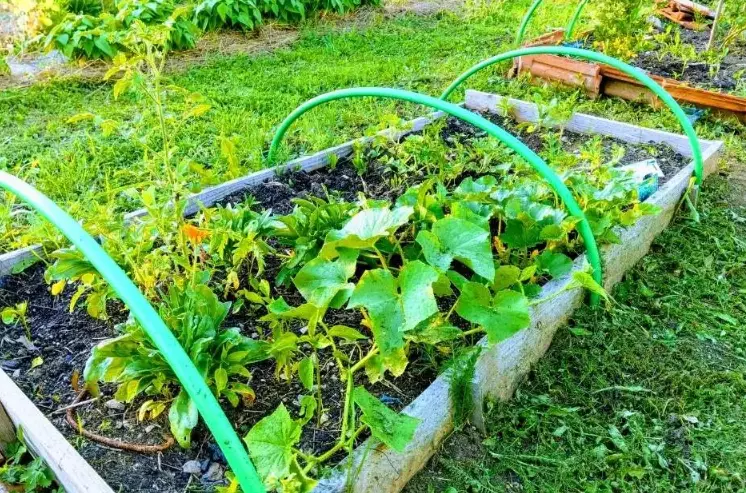
This isn't just a list. We're going to walk through the why behind the best picks, how to set yourself up for success, and tackle the little problems before they become big ones. Think of this as a chat from one gardener to another, with a few of my own mistakes thrown in so you don't have to make them.
The Raised Bed Advantage: Why Your Vegetables Will Thank You
Before we get to the seed packets, let's talk about why this method is such a game-changer. It's not just hype.
First, soil temperature. In early spring, the soil in a raised bed can be workable weeks before the ground soil. That means you can get your peas, spinach, and lettuce in earlier. Come fall, the extra warmth extends your season on the back end too. For heat-lovers like tomatoes and peppers, this is a massive boost.
Drainage is the silent hero. Most vegetable roots hate sitting in water. Raised beds, by their very design, let excess water drain away. This prevents a whole host of fungal diseases and root rot. I learned this the hard way one soggy year with my in-ground zucchini – never again.
Then there's the soil. You fill it. You decide. No more guessing if your native dirt is good enough. You can create the perfect, fluffy, nutrient-rich loam that plants dream about. This single factor answers a big part of what vegetables grow well in raised beds – it's the ones that thrive in loose, fertile, well-drained soil. Which, spoiler alert, is most of them.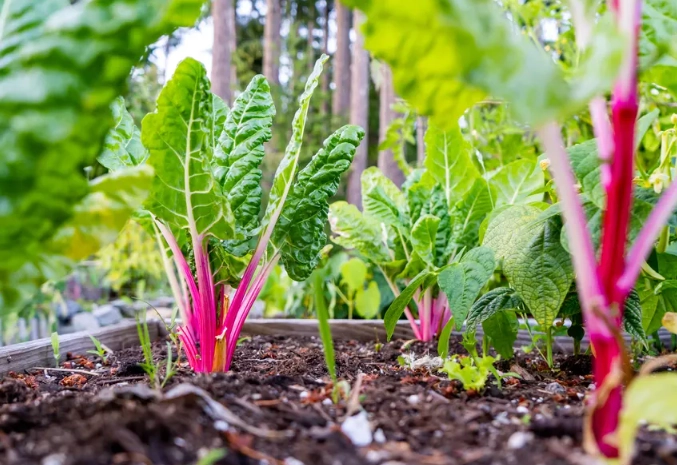
The All-Star Lineup: Top Vegetables for Your Raised Bed
Alright, let's get to the good stuff. I've grouped these not just by type, but by how they use the space and soil. You'll want a mix.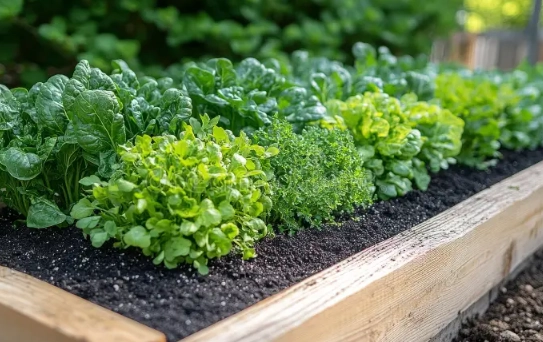
The Shallow-Rooted & Quick Growers (Perfect for Succession Planting)
These are your workhorses. They don't need to dig deep, they grow fast, and you can plant them, harvest them, and plant something else in the same spot. This is where raised beds shine in productivity.
- Lettuce & Salad Greens: An absolute no-brainer. They love the cool, moist soil of a raised bed. You can grow a stunning variety – romaine, butterhead, oakleaf, arugula, mizuna. I sow a new patch every two weeks for a continuous supply. They bolt less quickly in the consistent moisture.
- Spinach & Swiss Chard: Similar story. The key is that fertile, fast-draining soil. Chard, in particular, is a beast. You can cut leaves for months, and the stems come in rainbow colors that make the bed look beautiful.
- Radishes: Possibly the easiest win for a new gardener. They mature in 25-30 days. The loose soil means they form perfect, round globes without the forking and deformity you get in rocky ground.
- Green Onions & Scallions: You can crowd them a bit, they're not fussy, and you can just snip what you need. They fit in the edges of beds beautifully.
See the pattern? Fast, leafy, shallow. They're the ideal candidates when you're figuring out what vegetables grow well in raised beds for the first time.
The Deep-Rooted & Heavy Feeders (They Need the Good Stuff)
This is where your control over soil quality pays massive dividends. These plants are hungry and need room to stretch down.
- Tomatoes: The king of the summer garden. In a raised bed, you avoid soil-borne diseases like blight (at least for a few years), and the warm roots turbocharge growth. Use sturdy cages or trellises. I prefer indeterminate varieties for a long harvest, but determinate ones are great for smaller spaces.
- Peppers & Eggplants: They share the tomato's love for heat. The consistent moisture helps prevent blossom end rot, which can plague peppers in inconsistent conditions. The fruits are cleaner, too, not sitting on mud.
- Carrots & Parsnips: This is the classic reason many people switch to raised beds. To grow a long, straight, beautiful carrot, you need deep, loose, stone-free soil. A raised bed filled with a sandy loam mix is carrot heaven. My first attempt in-ground yielded hilarious, twisted little troll roots. In the raised bed? They're picture-perfect.
- Beets: They develop those sweet, tender bulbs best in loose soil. You can also eat the thinnings as delicious greens.
The Space-Savers & Vertical Growers
Maximize every square inch by growing up.
- Pole Beans & Peas: Instead of bush varieties that spread out, grow pole beans up a trellis or teepee. They produce for much longer and free up ground space for lettuce or herbs underneath. Peas are an early spring crop that loves the cool, well-drained bed.
- Cucumbers: Train them up a sturdy trellis. The fruits hang down straight and are easier to pick, plus they avoid soil rot and mildew from lying on damp soil. The difference in plant health is night and day.
- Summer & Winter Squash: Okay, these aren't vertical (unless you get creative with slings). But they appreciate the rich soil. Just be warned: a single zucchini plant can take over. Give it a corner to sprawl, or look for compact bush varieties.
So, when pondering what vegetables grow well in raised beds, think about using the vertical plane. It doubles your effective growing area.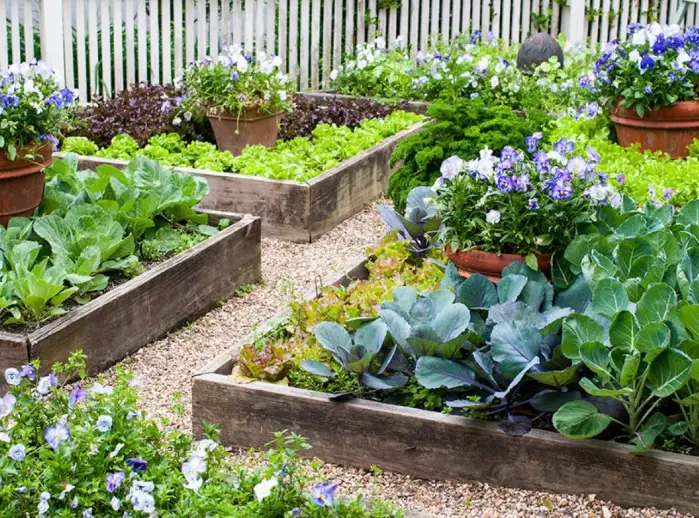
Your Raised Bed Planting Plan: A Sample Layout
It's one thing to know the players, another to build the team. Here's a simple, productive plan for a standard 4x8 foot raised bed across a season. This uses succession planting—following one crop with another.
| Season | Section A (4x4 ft) | Section B (4x4 ft) | Notes & Tips |
|---|---|---|---|
| Early Spring (As soon as soil is workable) |
Spinach, Lettuce, Radishes | Peas (on a trellis), Carrots | Use a row cover if frost threatens. These crops love cool starts. |
| Late Spring / Summer (After last frost, harvest early crops) |
2 Tomato plants, Basil at their base | Pepper plants, Bush Beans | Add compost when planting summer crops. Beans fix nitrogen, helping peppers. |
| Late Summer / Fall (After beans/early crops finish) |
Plant more Lettuce, Kale, Swiss Chard | Beets, Turnips, Green Onions | You're starting the cool-season cycle again. Keep soil moist for good germination. |
See how that works? You're never wasting space. As soon as the radishes and spinach are out, the tomatoes go in. It keeps the bed productive and beautiful from spring to fall.
The Foundation: Getting Your Raised Bed Soil Right
This is the most important step. Screw this up, and nothing will grow well. I'm not a fan of just buying bags of topsoil from the big box store. It's often too dense and lacks structure.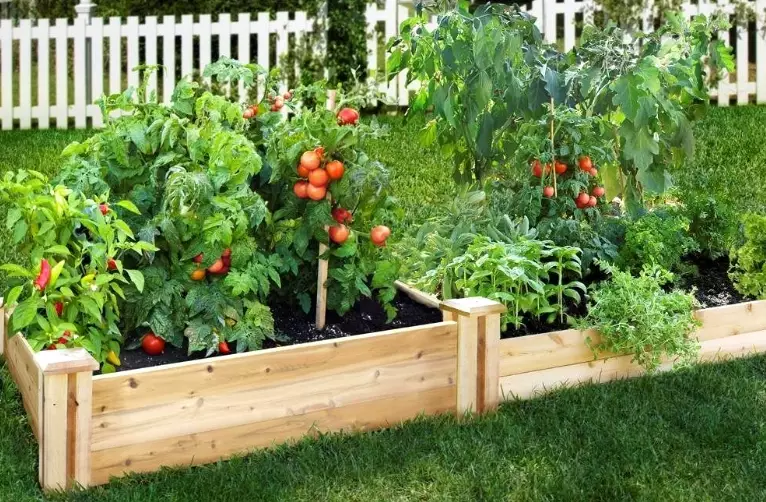
The classic, well-regarded recipe for a fantastic raised bed mix is often called "Mel's Mix," popularized by Square Foot Gardening. It's simple:
- 1/3 Peat Moss or Coco Coir: For moisture retention. (Coco coir is a more sustainable alternative).
- 1/3 Vermiculite: For aeration and moisture holding. It keeps the soil light.
- 1/3 Blended Compost: From multiple sources if possible (e.g., mushroom compost, worm castings, your own pile). This is the nutrient engine.
It's a fantastic mix, but it can be pricey to fill a deep bed. A more budget-friendly and still excellent alternative I use is:
- 50% High-Quality Topsoil: Not the cheap bagged stuff, but a screened topsoil from a local supplier.
- 30% Compost: Again, blend sources.
- 20% Coarse Sand or Perlite: This is critical for drainage. It prevents the soil from compacting into a brick over time.
Mix it thoroughly right in the bed. Your goal is soil so loose and fluffy you can push your hand into it easily.
Planting and Season-Long Care: Beyond the Basics
You've got the soil, you've got the plan. Now let's keep it thriving.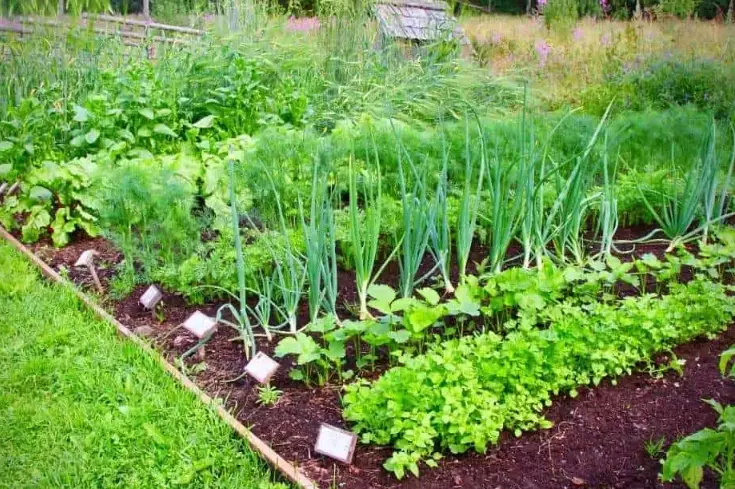
Watering Wisdom
Raised beds dry out faster than in-ground gardens. It's their one main drawback. In the peak of summer, you might need to water every day.
Drip irrigation or soaker hoses are absolute lifesavers. They deliver water slowly and directly to the soil, minimizing evaporation and keeping leaves dry (which prevents disease). I resisted the setup cost for years, but the time and water saved is incredible. It's the single best upgrade I've made.
If hand-watering, water deeply and less frequently to encourage deep roots. A good soak is better than a daily sprinkle. Stick your finger in the soil – if it's dry an inch down, it's time.
Feeding Your Plants
That beautiful soil you mixed won't stay nutrient-rich forever. Plants are eating it.
I side-dress heavy feeders (tomatoes, peppers, squash) with a shovelful of compost or a balanced organic fertilizer when they start flowering. For leafy greens, a liquid fertilizer like fish emulsion every few weeks keeps them growing fast and tender.
At the end of each season, top up the bed with a fresh 1-2 inch layer of compost. Let the worms work it in over winter. This no-till method builds incredible soil life year after year.
Keeping Pests and Problems at Bay
The good news? Fewer soil-borne pests. The bad news? Airborne pests still find your plants.
Row covers are magic for keeping cabbage moths off your kale and flea beetles off your arugula. For aphids, a strong blast of water from the hose usually does the trick. Encourage beneficial insects by planting flowers like marigolds, calendula, or borage right in the bed with your vegetables. They bring in the ladybugs and lacewings.
For more detailed, science-backed information on managing garden pests organically, the University of California's Statewide Integrated Pest Management Program has an incredible, searchable database. It's a resource I check often when I see a new bug munching on something. You can find their home gardening guides at ipm.ucanr.edu.
Crop rotation, even in a small space, helps. Don't plant tomatoes in the same spot two years in a row. Follow them with beans or lettuce.
Common Questions (The Stuff You Actually Search For)
Let's get straight to the questions that pop up after the initial "what vegetables grow well in raised beds" search.
And one final, crucial tip.
So, what vegetables grow well in raised beds? The short answer is: almost all of them, if you give them the right foundation. Focus on building that incredible soil, choose a mix from the all-stars we talked about, and pay attention to water. Do that, and you'll be amazed at what you can harvest from just a few square feet. It's the most efficient and satisfying way to grow food I've found. Now go get your hands dirty.
Reader Comments