Quick Guide
- The Hefty Price Tag: More Than Just a Few Boards
- The Thirst Is Real: Watering Woes and Drainage Dramas
- Not a Set-It-and-Forget-It Solution: Ongoing Maintenance Headaches
- Limitations on What You Can Grow
- The Mobility Myth and Space Inefficiency
- Potential for Soil Contamination and Over-Fertilization
- Addressing Common Questions and Concerns
- So, Are Raised Garden Beds Ever Worth It?
Let's be honest. If you've spent any time on gardening blogs or social media, you've seen the picture-perfect raised garden beds. Neat, tidy, overflowing with life. They're touted as the cure-all for bad soil, bad backs, and gardening woes. I bought into the hype too. A few years back, I invested a small fortune and a whole weekend building four gorgeous cedar beds in my backyard. Fast forward to today, and while I don't regret them entirely, I've had my fair share of "what was I thinking?" moments. The disadvantages of raised garden beds are real, and they're rarely discussed with the same enthusiasm as their benefits.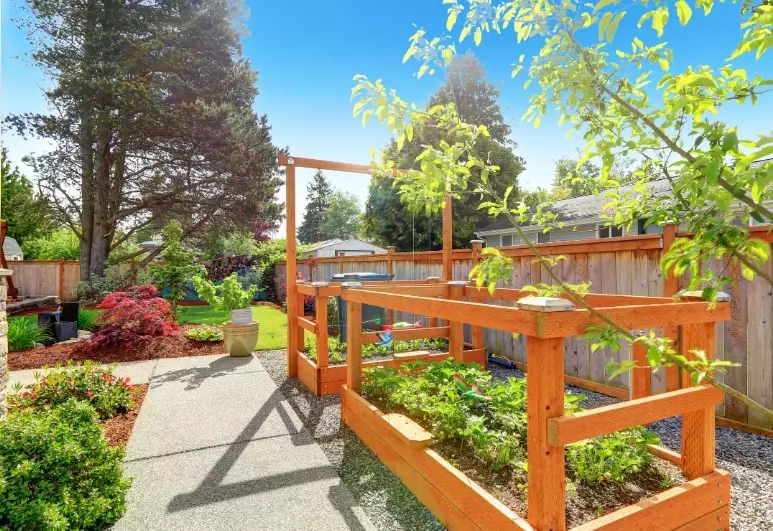
This isn't about hating on raised beds. They have their place. But before you dive into buying lumber and soil by the cubic yard, you need to know the full story. The hidden costs, the constant maintenance, the things that can go wrong. Making an informed decision means looking at both sides. So, let's pull back the curtain on those pristine Instagram photos and talk about the mud, the money, and the maintenance that comes with this popular gardening method.
The Hefty Price Tag: More Than Just a Few Boards
The most immediate and often shocking disadvantage of raised garden beds is the startup cost. It's not just a bag of soil and some seeds. When you break it down, the expenses add up quickly, turning a simple hobby into a significant investment.
First, there's the frame itself. Pressure-treated lumber is cheaper but comes with chemical leaching concerns. Cedar or redwood is beautiful and rot-resistant, but the price can make your eyes water. Then you have corner brackets, screws, and maybe even a liner. But the real budget-buster? The soil. A typical 4x8 foot bed, 12 inches deep, needs about 32 cubic feet of soil to fill it. That's over a cubic yard. Quality garden soil or a custom mix isn't cheap, and buying it in bags from a big-box store is the most expensive way to go.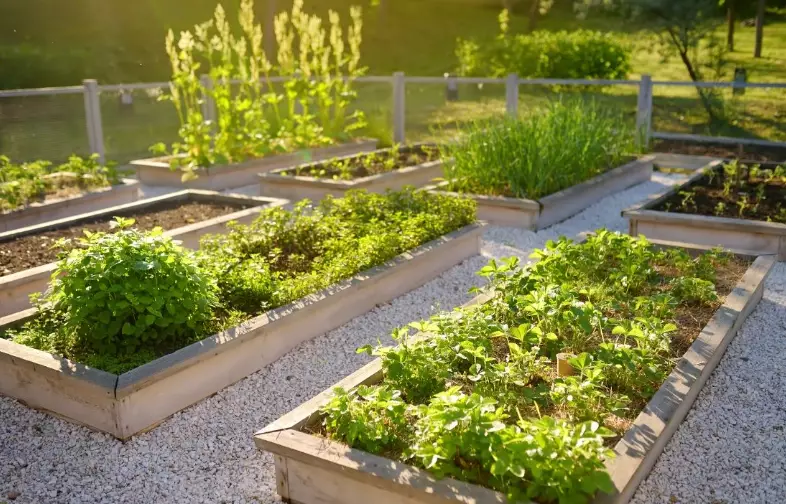
I learned this the hard way. My initial estimate was off by hundreds of dollars. You're essentially creating an instant garden from scratch, and the "scratch" part is expensive. Here’s a quick comparison of material costs for a single 4'x8'x1' bed, which really highlights one of the core disadvantages of raised garden beds:
| Material Type | Estimated Cost Range | Notes & Long-Term Considerations |
|---|---|---|
| Economy (Pine, untreated) | $40 - $80 | Will rot in 3-5 years, requiring full replacement. False economy. |
| Standard (Pressure-Treated Pine) | $70 - $120 | Long-lasting, but ongoing debate about chemical safety for edibles. |
| Premium (Cedar/Redwood) | $150 - $300+ | Natural rot resistance, looks great, but a major upfront investment. |
| Composite/Recycled Plastic | $200 - $400+ | Very long-lasting, no rot, but highest initial cost and can heat up soil. |
| SOIL (to fill the bed) | $80 - $200+ | Depends on quality, mix, and buying in bulk vs. bags. The silent budget killer. |
See what I mean? For the price of building and filling two or three decent-sized beds, you could buy a lot of garden tools, a nice irrigation system, or a mountain of plants for in-ground gardening. This initial financial hurdle is a massive disadvantage of raised garden beds that many beginners aren't prepared for.
My Personal Cost Mistake: I didn't factor in delivery fees for bulk soil. The quote was fine, but the $75 delivery charge on top was a nasty surprise. Always ask about delivery when planning!
The Thirst Is Real: Watering Woes and Drainage Dramas
This one caught me off guard. Everyone talks about the excellent drainage in raised beds, which is true. But what they don't mention is that excellent drainage also means they dry out incredibly fast. Like, "forgot-to-water-for-a-day-in-summer-and-everything-is-wilting" fast.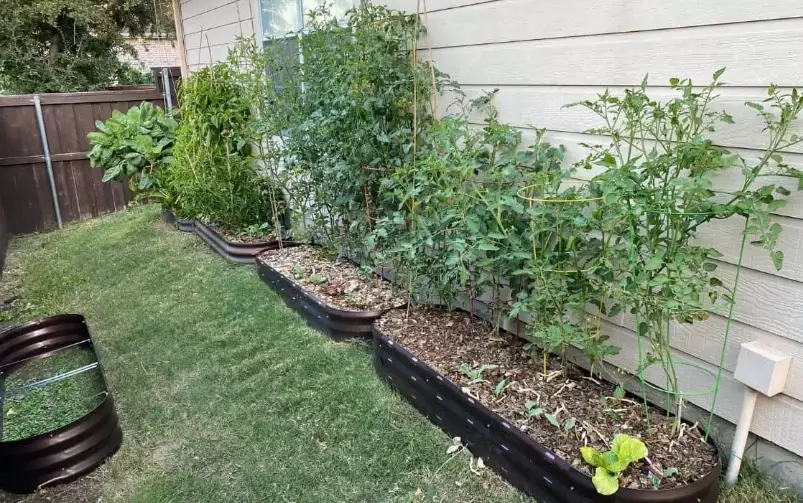
The soil in a raised bed is exposed to air on all sides—top, bottom, and the sides—increasing evaporation. During a heatwave, you might need to water daily, sometimes even twice a day for shallow-rooted plants. This isn't just a chore; it impacts your water bill and makes going on vacation a logistical headache. You'll need to invest in soaker hoses, drip irrigation, or plead with a neighbor to become your plant-sitter.
And then there's the flip side of drainage. In very heavy, prolonged rain, that great drainage can turn into a flash flood for your plants' roots, washing away nutrients and oxygenating the soil too much. It's a constant balancing act. Is one of the main disadvantages of raised garden beds the constant vigilance over moisture? In my experience, absolutely.
You have to be much more attuned to the weather. A passing cloud? Might be fine for in-ground plants. For my raised beds, it's a sign to check the soil moisture again.
Soil Settlement and the Never-Ending Top-Up
Here's a fun, ongoing task nobody mentions. Your beautiful, fluffy, mounded soil will settle. A lot. In the first year, you can easily lose 3 to 6 inches of height as the organic matter decomposes and the soil compacts. This means you're not done buying soil after the initial fill. You'll need to top it up with compost or a soil blend every single spring. It's an annual cost and labor expense that just keeps coming.
This settling also exposes more of the wooden sides to sun and rain, potentially speeding up rot if you didn't use a super durable material. It's a slow, sneaky problem that compounds over time.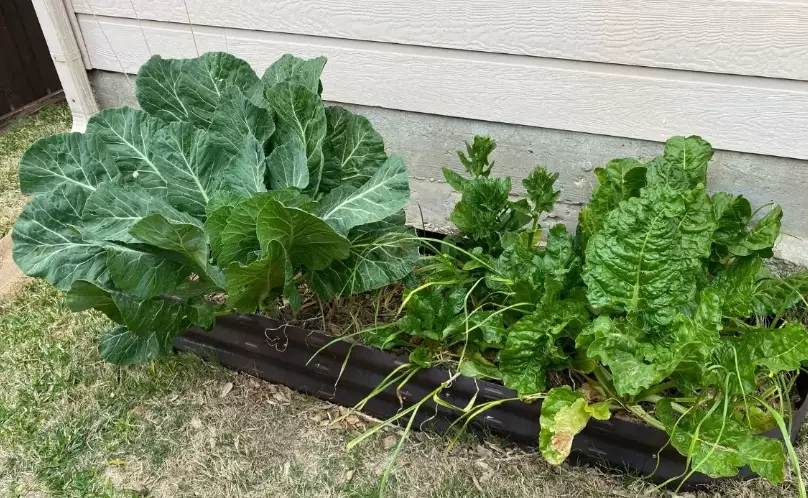
Not a Set-It-and-Forget-It Solution: Ongoing Maintenance Headaches
Raised beds are often marketed as low-maintenance. I'd argue they just trade one set of problems for another. Sure, you might avoid some weeding initially (if you used a weed barrier underneath), but other issues pop up.
Wooden beds need occasional checking for rot, especially at the corners and ground contact points. You might need to reinforce them, replace a board, or even rebuild entirely after several years. Composite beds can fade or get brittle. Metal beds can rust or overheat the soil.
Then there's the critter factor. Some people think raised beds deter pests. In my yard, they just created a lovely, well-defined buffet. Rabbits had no problem hopping in. Slugs and snails happily climbed the sides. And because the soil is often looser and warmer earlier in spring, it can actually attract certain pests sooner than the ground would.
I once had a family of voles decide the soft, rich soil under my kale was the perfect place to set up a winter home. They chewed through the roots from underneath, and I didn't notice until the plants collapsed. Dealing with underground pests in a raised bed feels doubly frustrating.
Weeding isn't completely eliminated either. Wind-blown seeds find their way in. If you didn't fully kill the grass underneath, persistent weeds like Bermuda grass can snake their way up through the soil. And because you're working with imported soil, you might inadvertently introduce new weed seeds or even soil-borne diseases you didn't have before.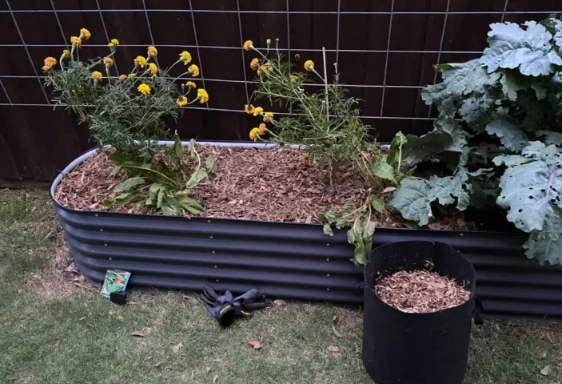
Limitations on What You Can Grow
This is a big one that doesn't get enough airtime. Raised beds aren't the ideal environment for every plant. Their confined space creates natural limitations.
Deep-rooted crops like full-sized corn, asparagus (which needs years to establish), large winter squash or pumpkin vines, and fruit trees are generally poor choices. They either need more root depth than a typical 12-24 inch bed provides, or they sprawl too much and take over the limited space, shading out everything else.
Tall, heavy plants like mature tomatoes or pole beans need seriously sturdy staking or trellising anchored deep into the ground, not just the loose soil of the bed. A strong wind can topple the whole setup.
Think about perennials, too. If you ever need to move or dismantle the bed, you lose those established plants. There's a permanence to in-ground planting that raised beds lack. Are the disadvantages of raised garden beds worth it if you have to severely limit your plant palette? For some gardeners, this is a deal-breaker.
The Root Vegetable Conundrum
Even for crops that seem perfect for raised beds, like carrots and parsnips, you can run into issues. If your soil isn't deep enough or if it develops hardpan layers (which can happen from compaction), you'll get stunted, forked roots. You need a deep, consistently loose, and stone-free medium to get those picture-perfect carrots. Achieving that in a raised bed requires meticulous soil management.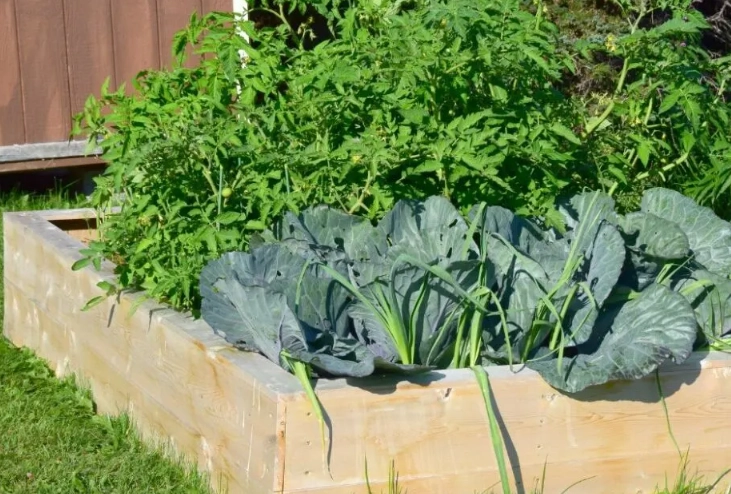
The Mobility Myth and Space Inefficiency
Once you build it, that's it. It's not moving. You better love the location, the sun exposure, and the layout. If you realize after one season that the bed is in too much shade or you want to redesign your yard, you're looking at a major demolition and reconstruction project. You can't just till it under and start over.
Furthermore, the walls themselves take up space. The walking paths between beds are unproductive space. If you have a very small yard, a few raised beds can actually reduce your total planting area compared to creatively planting directly in the ground or using containers. For maximizing every square inch, intensive in-ground gardening or vertical planters are often more efficient.
They dominate the landscape.
There's no way around it. A collection of raised beds creates a very specific, formal look. If you prefer a more natural, cottage-garden style where plants spill over and blend together, raised beds can feel rigid and out of place. They define the garden as separate from the rest of the yard.
Potential for Soil Contamination and Over-Fertilization
This sounds counterintuitive, but hear me out. Because you're filling a confined space with purchased soil and amendments, it's surprisingly easy to overdo it. There's a tendency to constantly add fertilizer, thinking "more is better," which can lead to nutrient burn, salt buildup, and ironically, less healthy plants. In the ground, there's a larger volume of soil to buffer mistakes.
Also, you have to be vigilant about the source of your soil and compost. I've heard stories of people buying cheap "topsoil" or mushroom compost that was contaminated with herbicide residues (like persistent aminopyralid), which then poisoned their beds for years. When you bring in outside soil, you're importing unknown history. Resources like your local USDA Natural Resources Conservation Service can provide background on understanding soil health, but it doesn't guarantee your purchased mix is safe.
Soil Testing is Non-Negotiable: For in-ground gardens, a soil test every few years is smart. For raised beds, I'd argue it's essential, especially in the first few seasons, to know exactly what you're working with and avoid nutrient imbalances. Your state's university cooperative extension service is the best place for affordable, reliable soil testing and interpretation.
Addressing Common Questions and Concerns
Let's tackle some of the specific questions people have when they're weighing the disadvantages of raised garden beds against the benefits.
Do raised beds warm up too quickly in spring?
Yes, and this can be a double-edged sword. It's great for getting a jump on cool-season crops like lettuce and peas. But a late spring frost can do more damage to tender plants that have been tricked into early growth in the warm soil. You have to be more cautious about planting dates, not less.
Are they bad for the environment?
This depends on your materials. If you're using new, pressure-treated lumber or plastic composites, the environmental footprint from manufacturing and eventual disposal is a consideration. Using sustainably harvested cedar or reclaimed wood is better. The high water use is also an environmental downside in drought-prone areas. In-ground gardening, especially using no-till methods, often has a lower overall resource input once established.
Can you use raised beds on a slope?
You can, but it requires serious site preparation to create a level base for each bed. This often means digging into the uphill side and building a retaining wall of sorts, which adds significantly to the cost and labor. If not done correctly, the pressure from the soil and water on the downhill side can cause the bed to bow or burst.
Do they help with back pain?
This is the biggest selling point, and it's valid—to a point. A bed that's 24-30 inches high is fantastic for gardening while sitting or standing with minimal bending. But most standard beds are only 12-18 inches high. You still have to bend over to reach the center, especially for tasks like weeding or harvesting low-growing plants. For true accessibility, you need specifically designed, waist-high tables, which are a different beast entirely and even more expensive.
The romantic idea of the effortless raised bed garden often crumbles under the weight of reality—the weight of wet soil, the weight of the water bill, and the weight of ongoing care.
So, Are Raised Garden Beds Ever Worth It?
Despite this long list of disadvantages of raised garden beds, I still have mine. Why? Because for my specific situation—terrible, compacted clay soil that was more like concrete—they provided a viable gardening solution where in-ground gardening initially failed. They allowed me to grow food.
The key is going in with your eyes wide open. They are a tool, not a magic bullet. They are excellent for:
- Very poor, contaminated, or rocky native soil.
- Gardeners with some mobility issues (if built high enough).
- Creating a clean, organized garden space.
- Extending the season slightly in cool climates.
But they are probably overkill and an unnecessary expense if you have decent, workable soil. Improving in-ground soil with compost, mulch, and cover crops is almost always cheaper and more sustainable in the long run. Techniques like lasagna gardening or sheet mulching can create rich, raised planting areas directly on the ground without the permanent walls.
My advice? Start small. Build one bed, not four. See how it goes for a full year, through all the seasons. Feel the watering burden in August. Witness the soil settlement. Then decide if you want to commit more resources.
Gardening is about working with nature, not just building containers for it. Sometimes, the best garden is the one already beneath your feet, just waiting to be nurtured. Don't let the glossy photos of raised beds convince you there's no other way. Understanding the full scope, especially the significant disadvantages of raised garden beds, is the first step to creating a garden that truly works for you, your wallet, and your lifestyle for years to come.
Final Thought: The most sustainable and productive garden is often the one that requires the least amount of imported inputs and constant intervention. Sometimes, that garden is in a raised bed. Often, it's right in the ground.
Reader Comments