Quick Guide
- Why Size Actually Matters (It's Not Just About Space)
- The Three Core Factors That Decide Your Bin's Size
- Recommended Pallet Compost Bin Dimensions (By Scenario)
- Beyond the Tape Measure: Practical Build Considerations
- Your Questions, Answered (The Stuff Other Guides Skip)
- Putting It All Together: A Simple Decision Checklist
Let's be honest. When you're standing there looking at a pile of wooden pallets, eager to start your composting journey, that question—how big should my pallet compost bin be—feels huge. I remember my first time. I had four pallets from behind the local hardware store, a hammer, and a head full of doubts. I built it too small. Then I rebuilt it too big. It was a frustrating cycle.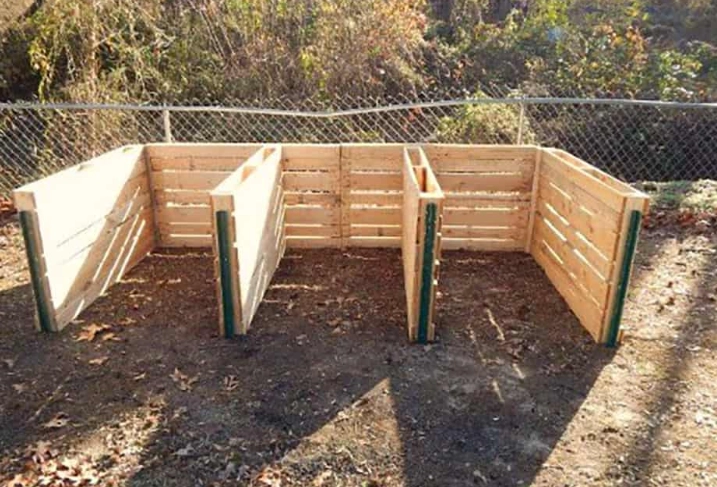
So, let's skip my mistakes and get you the right size the first time. The short, unsatisfying answer is: it depends. But don't worry, by the end of this, you'll know exactly what it depends on for you.
The Golden Rule of Thumb: For hot composting to work effectively, your pile needs a minimum volume of 1 cubic yard (3 feet x 3 feet x 3 feet). This size generates enough internal heat to break down materials quickly and kill weed seeds. A standard 48"x40" pallet is perfect for building one side of a bin that hits this sweet spot.
But that's just the starting point. If you only remember one thing, remember that. Now, let's dig into the details that actually matter for your backyard.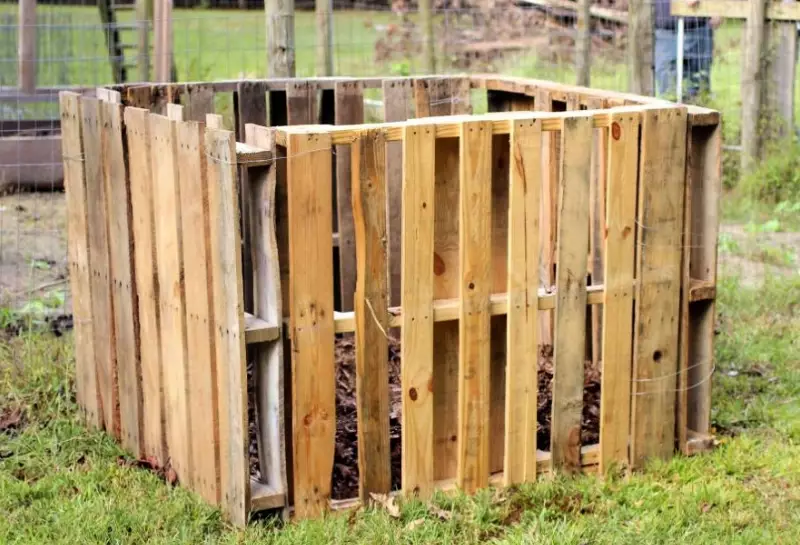
Why Size Actually Matters (It's Not Just About Space)
You might think a bigger bin is always better. More room for scraps, right? Not exactly. Get the size wrong, and your compost project can stall before it even starts.
A bin that's too small won't heat up properly. You'll be left with a cold, slimy, slow-decomposing mess that might attract pests. It's demoralizing. On the flip side, a bin that's massively oversized for your needs becomes a chore to turn. The center can get too hot and dry out, while the outer layers just sit there. You need a size that creates a balanced, manageable ecosystem.
So, when you're figuring out how big your pallet compost bin should be, you're really asking about creating the right environment for billions of microbes to do their job efficiently.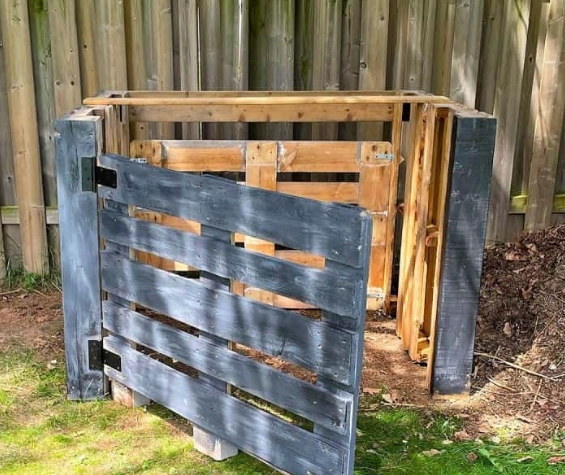
The Three Core Factors That Decide Your Bin's Size
Forget generic advice. Your perfect size is a combination of these three things. Think of it like a recipe.
1. What Are You Actually Composting? (The Input)
This is the biggest driver. Be realistic. Are you a single person who eats out a lot? Or a family of four with a veggie-heavy diet, a lawn, and a garden that produces tons of spent plants?
- Kitchen Scraps Only: This generates less volume. Think fruit peels, coffee grounds, eggshells. A smaller bin (closer to the 1 cubic yard minimum) might suffice.
- Kitchen Scraps + Yard Waste: This is the classic mix. Grass clippings, fallen leaves, small prunings. This combo needs more space. You're moving into the 1.5 to 3 cubic yard range.
- The Serious Gardener's Load: If you're clearing garden beds, have a lot of weeds (without seeds!), or generate substantial plant matter, plan bigger. You might even need a multi-bin system.
My household is two adults who cook at home most days and have a modest garden. Our single 4'x4'x3' bin fills up about twice a year. If we had kids or a bigger lawn, I'd definitely need a second bin.
2. How Much Finished Compost Do You Need? (The Output)
This is the goal, right? You're making "black gold" for your garden. A common estimate is that 1 cubic yard of compost can cover about 100 square feet of garden to a depth of 1 inch.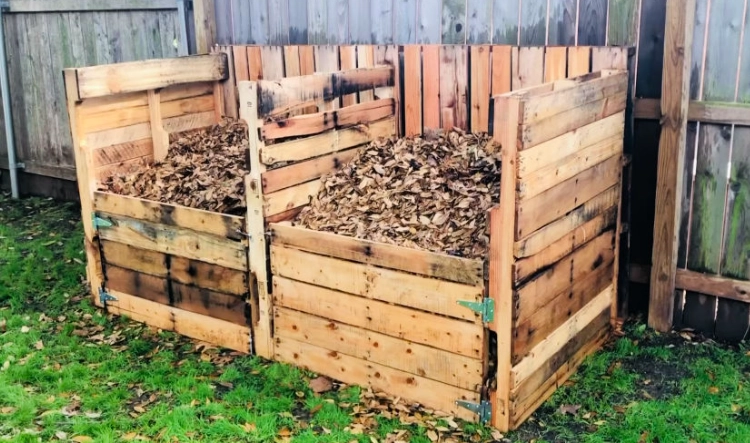
Ask yourself: How big is my garden? Am I topping up a few flower beds, or amending an entire vegetable plot? If you only have a couple of patio pots, a massive bin is overkill. You'll have more compost than you know what to do with.
Pro Tip: It's better to have a slightly larger bin and not fill it completely than to have one that's constantly overflowing. The composting process needs room to breathe and be turned. An overstuffed bin is a poorly functioning bin.
3. The Space You Have to Work With
This is the practical constraint. You might want a giant three-bay system, but if your backyard is a postage stamp, you need to adapt. Measure your available space.
Remember, you need clear access on at least one side (preferably the front) to turn the pile and remove finished compost. Don't cram it into a dark, airless corner. Sunlight helps, and good airflow is critical.
So, how big should my pallet compost bin be considering my space? Sketch it out. Leave at least 2-3 feet of walking space around it.
Recommended Pallet Compost Bin Dimensions (By Scenario)
Let's translate those factors into actual numbers. Here’s a breakdown based on common household situations. I'm assuming you're using standard-sized pallets (around 48" x 40") for simplicity.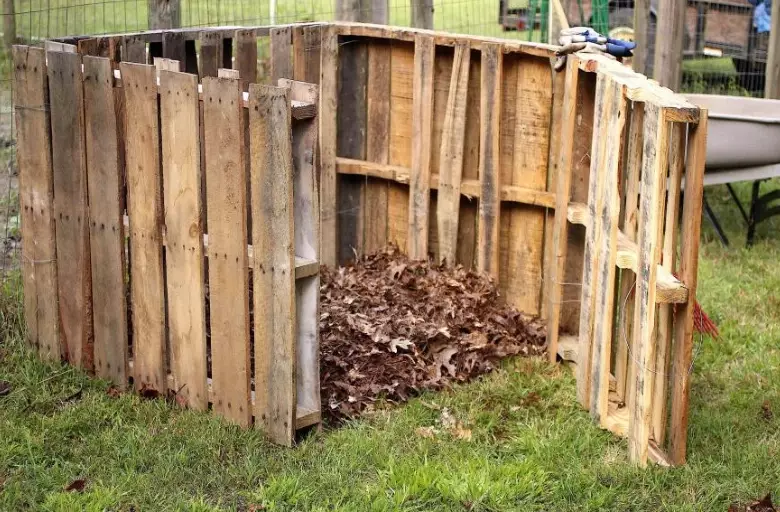
| Household & Garden Profile | Recommended Bin Dimensions (L x W x H) | Estimated Volume | Why This Size Works |
|---|---|---|---|
| 1-2 People, Small Garden/Balcony (Mostly kitchen scraps, few leaves) |
3 ft x 3 ft x 3 ft (One pallet per side, cut down) |
1 cubic yard | Hits the minimum for effective hot composting. Manageable for one person to turn. Won't produce overwhelming amounts of compost. |
| 3-4 Person Family, Average Yard (Regular kitchen & yard waste mix) |
4 ft x 4 ft x 3 ft (Full pallets for sides & back, one cut for front) |
1.33 cubic yards | The sweet spot for many. Handles weekly grass clippings and food scraps comfortably. Produces a useful amount of compost annually. |
| Large Family, Avid Gardener, or Small Homestead (Heavy yard/garden waste, maybe some livestock manure*) |
Two-Bin System: Each bin 4 ft x 4 ft x 3 ft or One Large Bin: 5 ft x 5 ft x 4 ft |
1.33 cu yd per bin (2.66 total) |
A two-bin system lets you have one "cooking" and one for adding fresh materials. The large single bin is a workhorse but harder to turn without machinery. |
*Always research safe composting of manures. The U.S. Environmental Protection Agency's home composting guide is a great, trustworthy starting point for understanding the basics of what you can and should compost.
A Warning on Height: I don't recommend building a single bin taller than 4 feet. Why? It becomes incredibly difficult to turn the pile properly with a fork. You'll neglect the hard work in the center, and the compost will suffer. I learned this the hard way—my back still remembers.
Beyond the Tape Measure: Practical Build Considerations
Once you have your target dimensions, building with pallets introduces its own quirks. It's not like working with pristine lumber.
Pallet Size Variability
Not all pallets are 48"x40". You might find Euro pallets, half-pallets, or odd-sized ones. Measure your pallets first! Your design must adapt to the materials you actually have. The "ideal" dimensions are a guide, not a prison sentence.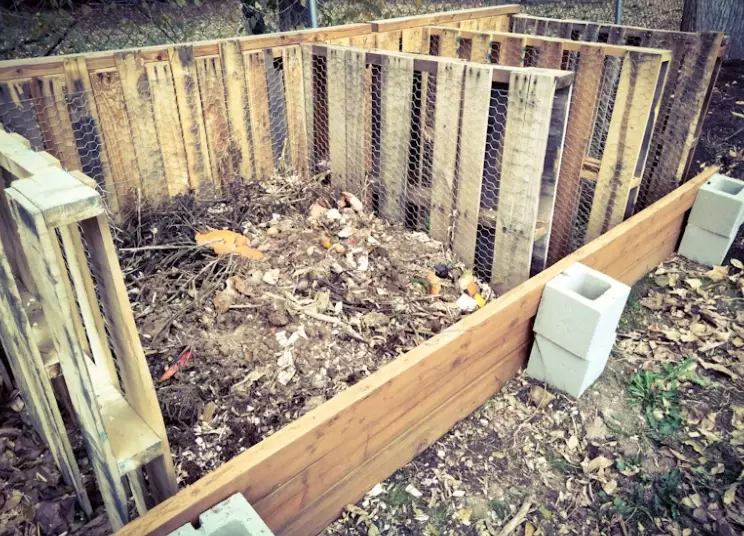
The Front Wall Dilemma
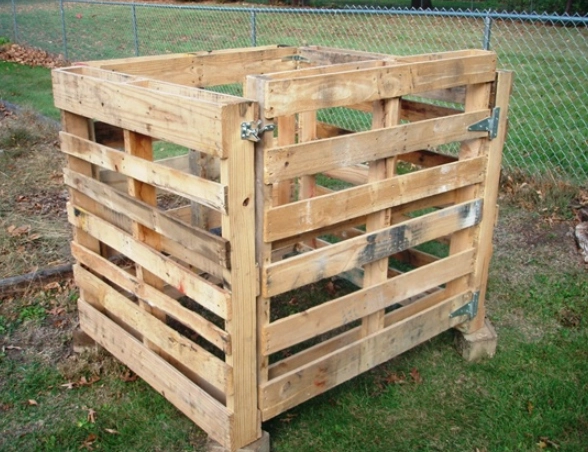
You need a way to get your compost out. A fixed front wall is a terrible idea. The best designs have a removable or hinged front panel, or use slats that you can pull out from the bottom up as you harvest. When planning how big your pallet compost bin should be, factor in this access. Don't build yourself into a corner.
Airflow is King
Solid pallets with no gaps between boards will suffocate your pile. Choose pallets with spacing (1-2 inches) between the deck boards. If yours are solid, you'll need to remove some boards to create ventilation. This isn't optional.
For the science behind why oxygen is so critical in composting, resources from university agricultural extensions are gold. The Cornell Waste Management Institute's page on compost science explains the biology simply and authoritatively.
Your Questions, Answered (The Stuff Other Guides Skip)
Putting It All Together: A Simple Decision Checklist
Before you nail your first pallet together, run through this list. It consolidates everything we've talked about.
- Estimate Weekly Waste: A family of four with a lawn generates roughly 1-2 cubic feet of compostable material per week.
- Target a 3-6 Month Cycle: A well-managed hot compost pile can be ready in 3-6 months. Size your bin to hold 3-6 months of your estimated waste.
- Check the 1 Cubic Yard Minimum: Ensure your design hits at least 27 cubic feet (1 cu yd) for thermal mass.
- Plan for Access & Turning: Can you easily get a fork into every part of it? Is the front removable?
- Be Kind to Your Future Self: It's easier to slightly underfill a bin than to desperately try to expand one that's too small.
So, what's the final answer to how big should my pallet compost bin be?
For most people, building a single bin with interior dimensions of 4 feet wide, 4 feet deep, and 3 feet high is a fantastic, versatile starting point. It's large enough to heat up reliably, manageable to turn, and will produce a meaningful amount of compost for an average garden. It's the size I wish I'd built first.
But you're not most people. You have your own kitchen, your own garden, your own pile of pallets. Use the factors here—your inputs, your desired outputs, your space—to tweak that template. The best size is the one that fits your life and gets used consistently. Now go build something awesome.
Reader Comments