Quick Navigation
Let's be honest. That first ladybug on the windowsill is cute. The second one, maybe still okay. But when you've got dozens, or even hundreds, clustering in the corners of your ceilings, crawling on your curtains, and dive-bombing your lampshades, the charm wears off real fast. You're not dealing with a few garden visitors; you're hosting a full-blown ladybug infestation looking for a warm place to wait out the winter. And your only question is: what is the fastest way to get rid of ladybugs?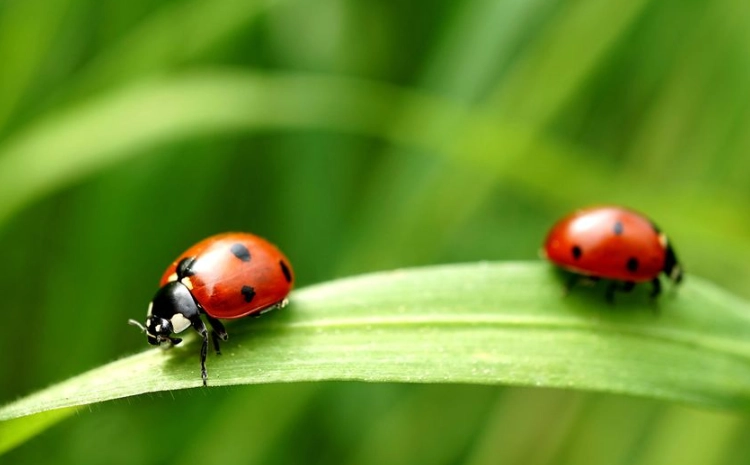
I've been there. A few autumns ago, the south side of my house turned into ladybug central. They found every tiny gap in the siding. I spent weeks vacuuming them up, only to find more the next day. It was frustrating. Through trial, error, and a lot of research (and conversations with extension agents), I figured out what actually works—and what doesn't. This isn't about hating these beneficial insects; it's about reclaiming your indoor space from an overwhelming seasonal invasion.
The Core Answer: The absolute fastest way to get rid of ladybugs already inside your home is through immediate, thorough physical removal using a vacuum cleaner. It provides instant results without chemical residue. But speed is only half the battle. The complete solution combines quick removal with sealing their entry points and managing your home's exterior to prevent the next wave.
First Things First: Are You Sure They're Ladybugs?
This might sound silly, but it's crucial. Most people complaining about home infestations are actually dealing with Multicolored Asian Lady Beetles (Harmonia axyridis), not the native ladybugs you remember from childhood. The USDA introduced these in the 1970s and 80s for aphid control, and they've since spread everywhere. They're the ones that swarm buildings in fall.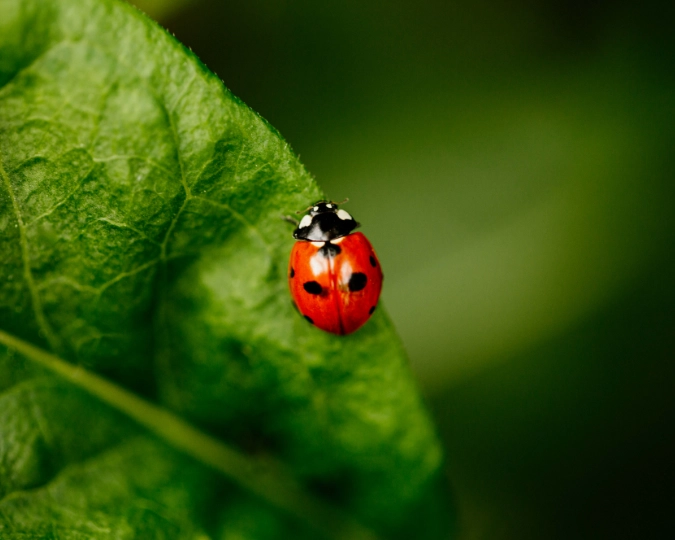
How can you tell? Native ladybugs are usually a deeper, solid red. The Asian variety can range from orange to red, and the key giveaway is a black "M" or W-shaped marking on the white plate behind their head. They also tend to exude a foul-smelling, yellowish fluid when squished (a defense mechanism) that can stain walls and fabrics. This distinction matters because their behavior—specifically their urge to congregate en masse on sun-warmed, light-colored surfaces in autumn—is what drives them into your house. Knowing your enemy is step one.
The Fast Track: Immediate Physical Removal Methods
When you need results now, chemicals are slow and messy. Physical removal is your best friend. Here’s the hierarchy of speed and effectiveness.
The Undisputed Champion: The Vacuum Cleaner
If you're searching for what is the fastest way to get rid of ladybugs, start here. A vacuum with a hose attachment is incredibly effective. Why? It lets you remove large clusters from ceilings, corners, and window frames in seconds without touching them or triggering their stinky defense fluid.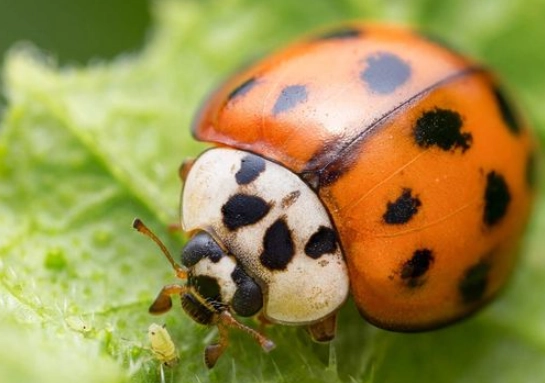
My Experience: I used my shop vac with a crevice tool. I'd gently run it along the cluster, and *whoosh*—they were gone. It was instantly gratifying. A tip: put a couple of inches of plain cornstarch or a dryer sheet in the vacuum bag/canister. This helps dehydrate them and minimizes odors. Empty the canister outside, far from your house, immediately after.
For lighter-duty jobs, a handheld vacuum is perfect. The key is to act as soon as you see them grouping. Don't wait.
The Sweep-and-Dump Technique
For ladybugs on flat surfaces like floors or window sills, a soft-bristled brush or dustpan can work. Gently sweep them into a container. I used a large plastic bowl. Then, take them outside and release them. It's more hands-on than vacuuming and risks them flying off, but it's chemical-free and effective for smaller numbers.
Avoid squashing them. Really. The smell is terrible, and the stains are a pain to clean.
Light Traps and DIY Funnels
Ladybugs are attracted to light, especially in dark attics or basements. A simple DIY trap is to place a lamp over a shallow pan of soapy water. They fly toward the light, get stunned by the heat, and fall in. The soap breaks the water's surface tension, so they can't escape. It's a passive method that works over time but isn't the "fastest" for an active infestation you're looking at right now.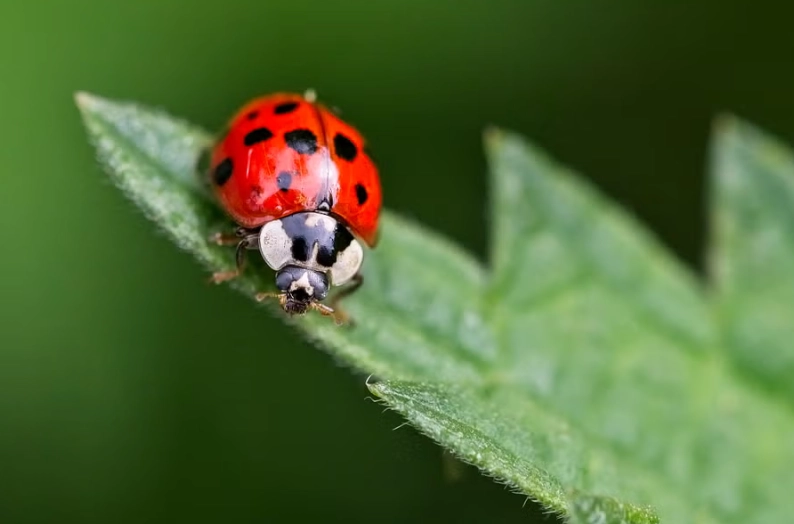
Pro Tip for Vacuuming: Use the vacuum's suction power strategically. Hold the nozzle near the cluster, not directly on it. The airflow will pull them in without crushing them against the surface, which is cleaner and more efficient.
When Chemicals Enter the Chat: Insecticides and Sprays
Let's talk about the chemical elephant in the room. Many people think a can of bug spray is the fastest solution. For ladybugs, it's often not ideal indoors. They're fairly resistant to many common pyrethroid sprays, and spraying a toxic mist where you live is rarely a good first choice. However, targeted chemicals have their place, especially outside and at entry points.
| Product Type | Best Use Case | Speed of Action | Major Consideration |
|---|---|---|---|
| Insecticide Dusts (e.g., Diatomaceous Earth, Silica Gel) | Blown into wall voids, attics, and cracks where ladybugs hide or enter. | Slow (days) | Physical desiccant. Very safe for humans/pets once dust settles, but wear a mask during application. Provides long-term barrier. |
| Residual Barrier Sprays (with lambda-cyhalothrin, deltamethrin) | Applied to exterior siding, around windows, doors, and eaves in late summer/early fall. | Fast on contact, residual lasts weeks. | This is a preventative measure. Creates a chemical barrier that kills or repels them before they enter. Follow label instructions meticulously. |
| Ready-to-Use Indoor Sprays | Direct contact spray on visible clusters (as a last resort). | Fast (minutes) | Can cause stains, strong odor, and leaves chemical residue indoors. Dead bugs still need to be cleaned up. Not my recommended first step. |
| Soapy Water Spray | Direct spray on clusters you can reach. | Fast (minutes) | A 2-3% solution of dish soap in water breaks down their waxy shell, causing dehydration. Biodegradable and low-toxicity, but you still have wet, dead bugs to clean. |
See the pattern? For an immediate indoor problem, the vacuum is still king. Chemicals are better suited for creating a perimeter defense to stop the next wave. The University of Kentucky's College of Agriculture, Food and Environment has a great publication on Multicolored Asian Lady Beetles that confirms this integrated approach, emphasizing exclusion and vacuuming over widespread indoor spraying.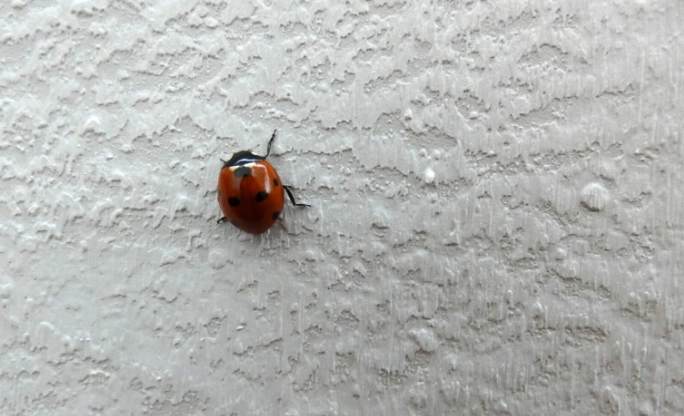
Important Safety Note: Always, always read and follow the label directions on any pesticide product. The label is the law. It tells you where and how it can be safely used. Misapplication is ineffective and potentially dangerous.
The "Forever" Fix: Prevention and Exclusion
Killing or removing the ladybugs inside is a reactive tactic. If you don't plug the holes, you'll be doing it again next year. This is the most critical long-term part of the answer to what is the fastest way to get rid of ladybugs—because eventually, it means you won't have to get rid of them at all.
Seal the Fortress
On a sunny afternoon in late summer or early fall, walk around your house. Look for any gap, crack, or hole. Pay special attention to:
- Window and door frames: Caulk any gaps.
- Siding and soffit joints: Use high-quality silicone or acrylic latex caulk.
- Where utility lines (pipe, cable, wire) enter the house: Use expanding foam or copper mesh (which rodents can't chew through) to seal.
- Vent screens: Ensure attic, foundation, and crawl space vents have tight-fitting, intact insect mesh (1/16 inch or finer).
This is a weekend project that pays off for years against not just ladybugs, but also wasps, ants, and other pests.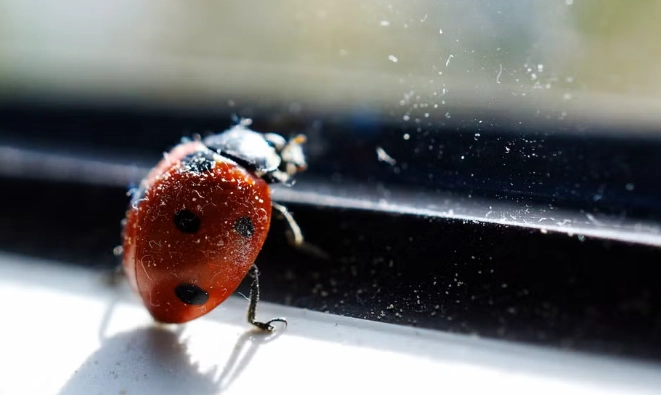
Manage the Exterior Environment
Make your home less attractive. In late summer, consider these steps:
- Turn off exterior lights at night during peak season (September-October), or switch to yellow "bug" bulbs which are less attractive.
- Keep vegetation trimmed back from the house. Overhanging branches and dense shrubs give them a bridge to your siding.
- If you have aphid problems on plants near your house, manage them. An abundant food source nearby attracts the ladybugs in the first place.
It's about removing the welcome mat.
Think of it this way: vacuuming is the emergency room visit. Sealing up is the lifestyle change that prevents the heart attack.
Common Questions (And Straight Answers)
Let's tackle some of the other things you're probably wondering.
Are ladybugs dangerous?
Not in the traditional sense. They don't carry human diseases, sting, or bore into wood. However, the Asian lady beetles can:
- Pinch: They can give a slight, surprising pinch if handled, though it rarely breaks skin.
- Trigger allergies: Their bodies and the defensive fluid can be an allergen for some people, causing itchy eyes, asthma, or hives. The Cleveland Clinic notes they can be an indoor allergen source.
- Stain: Their yellow fluid can stain walls, curtains, and furniture.
What is the fastest way to get rid of ladybugs without killing them?
If you want to be purely humane, the vacuum method is still fast. Instead of putting them in a bag with cornstarch, use a clean, empty vacuum canister or attach a knee-high stocking to the hose end inside the canister with a rubber band. They'll be collected alive in the stocking. Then, release them outside in a sheltered, wooded area away from your home. The sweep-and-dump method is also non-lethal if done gently.
Why are there so many in my house all of a sudden?
It's almost always seasonal. In fall, they sense the shortening days and cooling temperatures. They seek protected places to overwinter. Your warm, sunny, light-colored house looks like the perfect cliff face or rock crevice to them. A sudden warm day in winter or early spring can also re-activate them indoors, making them appear "suddenly."
Do home remedies like cloves, bay leaves, or citrus sprays work?
In my experience, not reliably for an established infestation. Strong-smelling essential oils (citrus, clove, camphor) might repel a few at a doorway or windowsill for a short time. But if they've already found a cozy attic space, the scent won't penetrate deeply enough to drive them out. They're better as a mild, supplemental deterrent in small, enclosed spaces like a cupboard, not for whole-house control.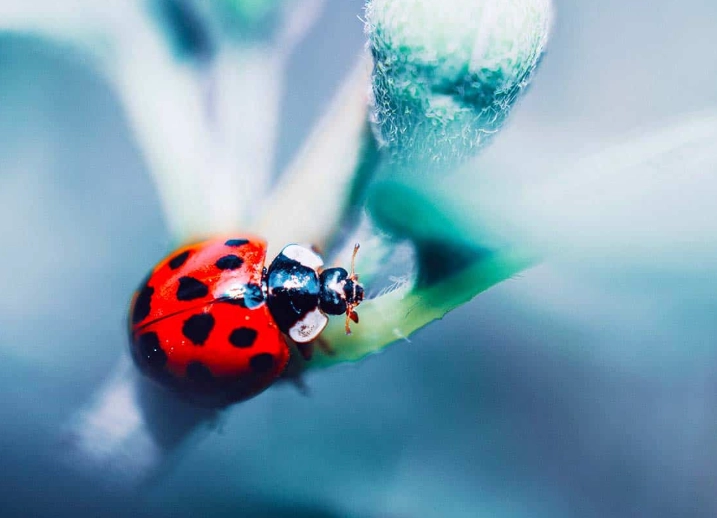
Should I call a professional?
If the infestation is massive (think thousands in an attic), you're highly allergic, or you've tried the exclusion methods and they're still getting in, then yes, it's worth it. A professional pest control operator (look for a licensed one with good reviews) has stronger tools, like professional-grade dusts and foams, and the experience to find elusive entry points. They can apply a robust exterior barrier treatment at the right time. The National Pest Management Association (NPMA) is a good resource for finding reputable professionals and general pest information.
Putting It All Together: Your Action Plan
So, you're facing a ladybug situation. Here's your step-by-step battle plan, from fastest to most enduring.
What I Did: I started with the shop-vac for two days straight, clearing the main rooms. Then, on a weekend, I went around the house with a tube of caulk and a can of expanding foam. I filled every crack I could find on the south and west sides. The next fall, the number of ladybugs inside dropped by about 90%. It was proof that the long-term fix works.
- Immediate Relief (Today): Grab your vacuum cleaner with a hose. Methodically go room-by-room, focusing on south and west-facing windows, ceilings, and light fixtures. Empty the contents outside, away from the house.
- Short-Term Cleanup (This Week): Use the sweep-and-dump method for any stragglers. Consider setting up a simple light trap in the attic or basement if it's a dark, active area.
- Strategic Defense (This Season): If you're still seeing constant newcomers, apply a residual insecticide spray to the exterior perimeters—under eaves, around windows and doors—following the product label exactly. This is a late summer/early fall task.
- The Permanent Solution (This Year): When the weather is good, conduct a thorough inspection of your home's exterior. Seal every crack, gap, and hole larger than 1/16 of an inch. Install fine mesh on vents. This is the single most effective thing you can do to answer the question of what is the fastest way to get rid of ladybugs for good, because it stops them from coming in next time.
Ladybugs, particularly the Asian variety, are a fact of life in many regions. You can't eliminate them from the ecosystem, nor would you want to—they're fantastic garden predators. The goal is to gently persuade them that your living room is not part of their chosen hibernation hotel. It takes a combination of swift action and smart prevention. Start with the vacuum, commit to the caulk gun, and you can enjoy a ladybug-free home without resorting to a chemical arms race indoors. Trust me, the peace of mind is worth the effort.
Reader Comments