Quick Guide
- Why Are People Turning Back to Medicinal Plants?
- Meet the Power Players: Top Medicinal Plants You Should Know
- How to Actually Use Medicinal Plants: From Garden to Remedy
- Safety First: The Non-Negotiable Rules of Herbal Medicine
- The Science Behind the Green: What Does Research Say?
- Growing Your Own Medicinal Garden: A Beginner's Blueprint
- Answering Your Questions: Medicinal Plants FAQ
- Looking Ahead: The Future of Plant-Based Medicine
Let's talk about plants. Not just the pretty ones you put on your windowsill, but the ones that have been keeping people healthy for thousands of years. I'm talking about medicinal plants – those green wonders that our ancestors relied on long before modern pharmacies existed. You've probably got questions about them. Are they really effective? Which ones are safe to use? Can you grow them yourself?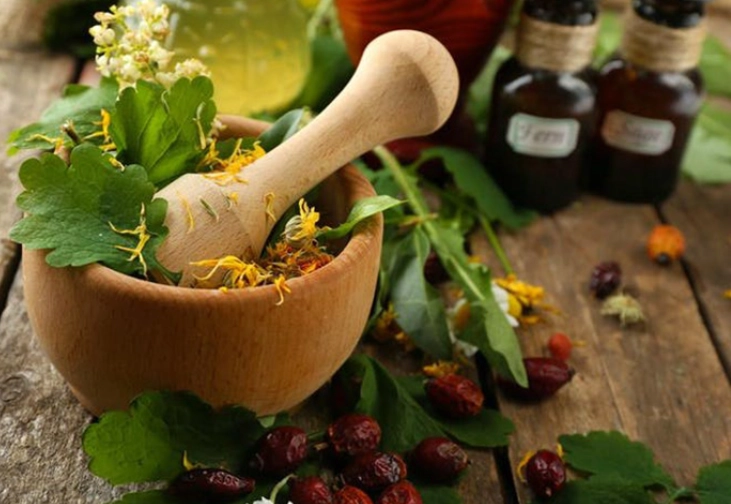
I've been digging into this world for a while now, both literally and figuratively. There's something incredibly satisfying about growing a plant that can actually help you feel better. But I've also learned it's not as simple as just chewing on some leaves you find in your backyard. There's science here, there's tradition, and there's definitely some common sense you need to have.
Why Are People Turning Back to Medicinal Plants?
It's interesting, really. In our age of advanced medicine, why is there this growing interest in old-school herbal remedies? I think it's a few things. For some, it's about taking more control over their health. For others, it's the appeal of something natural (though let's be clear – natural doesn't always mean safe). Cost can be a factor too – growing your own medicine is certainly cheaper than some prescriptions.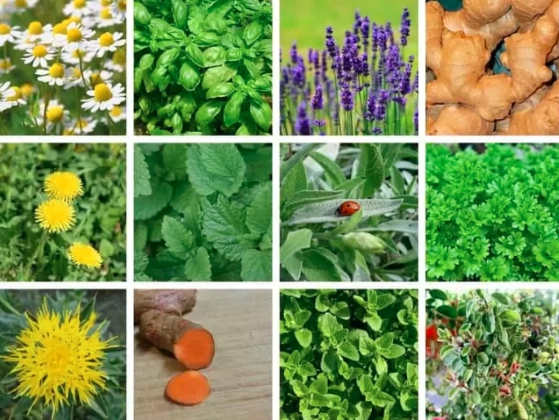
But here's what I've noticed: the smartest approach isn't about choosing between modern medicine and medicinal plants. It's about understanding how they might work together. Some doctors are surprisingly open to this when you talk to them about it properly.
Meet the Power Players: Top Medicinal Plants You Should Know
Okay, let's get to the good stuff. You can't talk about medicinal plants without mentioning some of the heavy hitters. These aren't obscure plants you need to trek through the Amazon to find – many are surprisingly common, and you might even be able to grow them.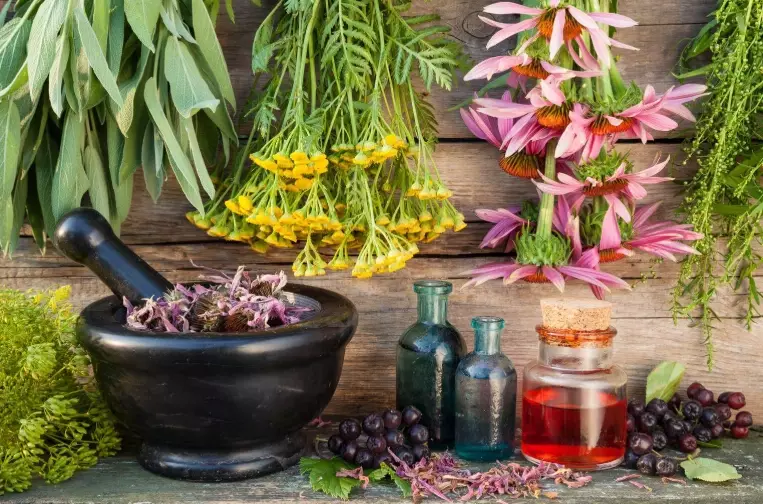
Echinacea (Echinacea purpurea)
Ah, the cold and flu season superstar. This purple coneflower is probably the most recognized medicinal plant in many people's minds. The traditional use is for immune support, particularly at the first sign of a sniffle. The science? It's mixed, to be honest. Some studies show benefit, others don't. My personal take? I keep some echinacea tea around during winter. Does it work? Maybe it's a placebo, but if I feel like it helps, that's something.
The key is using the right part – usually the root and the above-ground parts when the plant is flowering. And you don't take it constantly, just at the onset of symptoms.
Turmeric (Curcuma longa)
This bright yellow spice isn't just for curry. Curcumin, the main active compound in turmeric, has been studied for its anti-inflammatory properties. The research here is actually pretty substantial compared to many other medicinal plants. The problem? Our bodies aren't great at absorbing it on its own. That's why traditional recipes often combine it with black pepper (which contains piperine) – the pepper boosts absorption significantly.
I tried taking turmeric capsules for joint stiffness after running. Honestly, the effects were subtle. But when I started adding fresh turmeric root and black pepper to my cooking regularly, I did notice a difference over time.
Peppermint (Mentha × piperita)
This one's a great entry point into medicinal plants because it's so gentle and versatile. Upset stomach? Peppermint tea. Headache tension? Peppermint oil (diluted!) on the temples. Even the smell can help clear sinuses. It's one of those plants where the traditional use and modern understanding align pretty well – menthol, its main component, has documented antispasmodic effects on digestive tract muscles.
Growing peppermint is almost too easy. Plant it once and it'll try to take over your garden. That vigorous growth makes it a satisfying plant for beginners.
Those are just three examples. The world of medicinal plants is vast – from valerian root for sleep to milk thistle for liver support to St. John's Wort (which needs serious caution due to drug interactions).
How to Actually Use Medicinal Plants: From Garden to Remedy
Knowing about the plants is one thing. Using them safely and effectively is another ball game entirely. This is where a lot of people, including myself when I started, can get tripped up.
First, you need to get your plant material from a trustworthy source. If you're buying dried herbs, look for companies that are transparent about sourcing and testing. If you're foraging, you absolutely must be 100% certain of your identification. Mistaking foxglove for comfrey, for example, could land you in the hospital.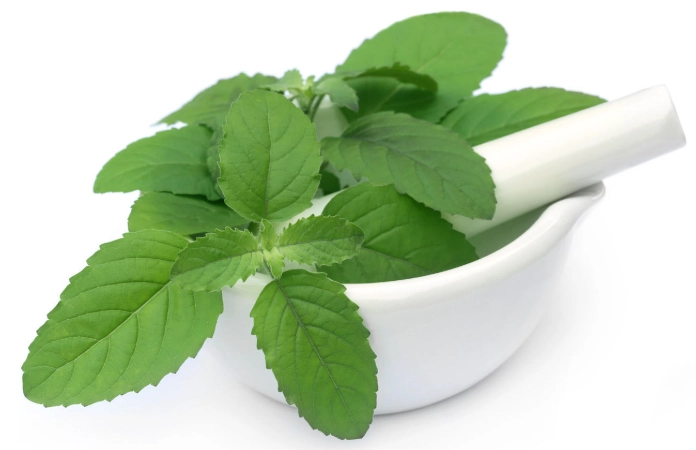
The most common ways to prepare medicinal plants are as teas (infusions or decoctions), tinctures (alcohol extracts), or salves for topical use. Each method pulls out different compounds.
Making a simple tea is the easiest place to start. For leaves and flowers (like chamomile or mint), you pour boiling water over them and steep for 5-10 minutes. For harder materials like roots or bark (think ginger or cinnamon), you usually need to simmer them in water for 15-20 minutes to make a decoction.
Tinctures are more concentrated and have a longer shelf life. They involve soaking plant material in alcohol (like vodka or brandy) for several weeks. The alcohol acts as a solvent, pulling out both water-soluble and alcohol-soluble compounds. This is how you get those small dropper bottles of herbal extracts.
Safety First: The Non-Negotiable Rules of Herbal Medicine
I can't stress this enough. Enthusiasm is great, but caution is essential. Here are the rules I follow, and I think everyone should.
Talk to Your Doctor. I know, I know. But if you're on any prescription medications, you need to have this conversation. St. John's Wort, for instance, is famous for interacting with a huge list of drugs, including birth control pills and antidepressants, making them less effective. Ginkgo biloba can thin your blood. Your doctor might not be an herbal expert, but they understand your health profile and medications.
Start Low, Go Slow. Don't jump to a full dose. Start with a smaller amount to see how your body reacts. Herbs are medicine, and individuals react differently.
Quality Matters. Where did that herb come from? Was it grown in contaminated soil? Has it been tested for heavy metals or pesticides? Reputable suppliers should be able to provide this information. The American Herbalists Guild is a good resource for finding qualified herbalists and quality information.
Pregnancy and Nursing. This is a major contraindication for many medicinal plants. Unless an herb is specifically known to be safe during this time (and you've confirmed with a healthcare provider), it's best to avoid experimenting.
The Science Behind the Green: What Does Research Say?
This is where it gets really fascinating, and also where you need to be a bit of a detective. The research on medicinal plants is all over the map in terms of quality.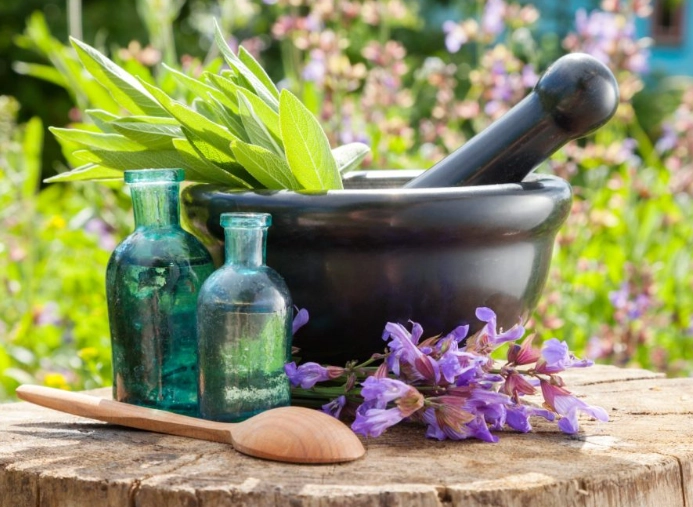
For some plants, like turmeric (curcumin) and ginger, there's a substantial body of modern clinical research supporting specific uses. The National Institutes of Health has a whole center dedicated to complementary and integrative health that funds and reviews such studies – their Herbs at a Glance fact sheets are an excellent, science-based resource.
For others, the evidence is primarily traditional or anecdotal. That doesn't mean it doesn't work – thousands of years of use counts for something – but it does mean we might not fully understand the "how" or have large-scale human trials to back it up.
Then there's the issue of standardization. One batch of an herb might have different levels of active compounds than another, depending on where it was grown, when it was harvested, and how it was processed. This is a big challenge for research and for consistency in effect.
When I'm looking at a new medicinal plant, I check resources like the NIH site, WHO monographs, and databases from reputable universities. I avoid sites that make outrageous claims or try to sell you something with every click.
Growing Your Own Medicinal Garden: A Beginner's Blueprint
This is the most rewarding part, in my opinion. There's a special satisfaction in making a tea from leaves you grew yourself. You don't need acres of land – a few pots on a sunny balcony can get you started.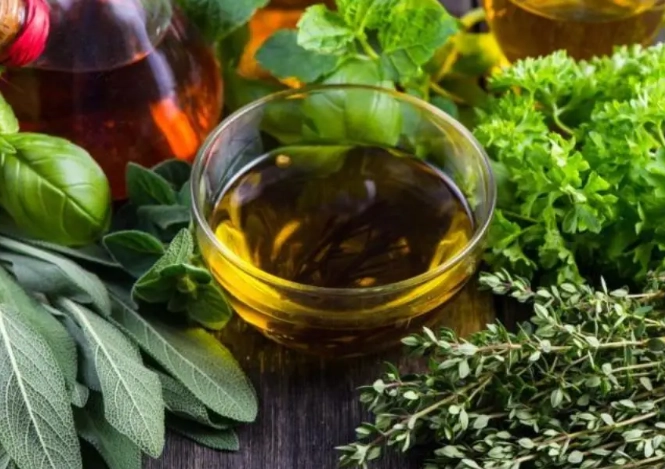
Here are some of the easiest and most useful medicinal plants to grow, even if you don't have a green thumb:
| Plant | What It's Good For | Ease of Growing | Key Growing Tip |
|---|---|---|---|
| Calendula (Calendula officinalis) | Skin healing, salves for minor cuts/rashes | Very Easy | Loves sun, keep picking flowers for more blooms |
| Lemon Balm (Melissa officinalis) | Mild calming, digestive ease, delicious tea | Very Easy | Can be invasive; consider growing in a pot |
| Thyme (Thymus vulgaris) | Antiseptic, coughs, culinary use | Easy | Needs well-drained soil; don't overwater |
| Holy Basil (Tulsi) (Ocimum tenuiflorum) | Adaptogen, stress support, tea | Moderate | Needs warmth; treat as an annual in cold climates |
| German Chamomile (Matricaria chamomilla) | Sleep, relaxation, upset stomach | Easy | Scatter seeds and let them self-sow |
Start with one or two that appeal to you. Get to know them – how they grow, what they look like, how they smell. The act of caring for the plant is part of the medicine, I swear. It forces you to slow down.
Answering Your Questions: Medicinal Plants FAQ
Over the years, I've been asked a lot of questions about this topic. Here are some of the most common ones, with my best shot at clear answers.
In most places, no, not in the same way. In the U.S., they're regulated as dietary supplements under the DSHEA act. This means the manufacturer is responsible for ensuring safety and label accuracy, but the products don't undergo pre-market approval by the FDA like drugs do. This puts more responsibility on the consumer to choose reputable brands.
This is a major red flag question. Never, ever stop taking a prescribed medication to switch to an herbal remedy without your doctor's supervision. It can be dangerous. The goal should be complementary support, not replacement, and only under professional guidance. Some people do work with integrative MDs or naturopathic doctors to safely reduce medications over time using lifestyle and herbal support, but it's a careful, monitored process.
Positive identification. If you are foraging, you must be 100% certain, not 95%. Use a good field guide, go with an experienced forager, and when in doubt, leave it out. Many toxic plants have look-alikes.
Look for professional certifications. Organizations like the American Herbalists Guild (AHG) register herbalists who have met specific clinical training and experience requirements. A Registered Herbalist (RH) designation is a good sign of professional competency.
Looking Ahead: The Future of Plant-Based Medicine
It's an exciting time. The line between "conventional" and "herbal" medicine is blurring. Pharmaceutical companies are constantly screening plants for new drug candidates (think aspirin from willow bark, or the cancer drug Taxol from the Pacific Yew tree).
The future isn't about abandoning modern medicine, but about creating a smarter, more integrative system. One where the preventative, gentle support of well-understood medicinal plants is combined with the diagnostic power and acute-care strength of modern science.
For us as individuals, it means becoming more educated and empowered about our health options. It means learning to ask good questions, to evaluate sources critically, and to respect both the power and the limits of nature's pharmacy.
So, maybe start with a pot of mint on your windowsill. Make a cup of tea. Pay attention to how it makes you feel. That's how it all begins.
Reader Comments