Your Plant Safety Quick Guide
Let's be real. There's nothing quite like the feeling of a home filled with lush, green leaves. It brings life, color, and a sense of calm. And then there's the pure joy of a cat chasing a sunbeam or a dog curled up at your feet. For many of us, our pets and our plants are both part of the family. But here's the problem that keeps a lot of pet owners up at night (or at least, browsing the web in a panic): what if my beloved plant is a secret poison for my curious cat or nibbling puppy?
I've been there. I brought home a beautiful peace lily years ago, thrilled with how it looked in my dim living room. A few days later, I caught my then-kitten batting at a leaf and taking a tiny bite. Cue the frantic Google search and a wave of guilt. That lily had to go, and it sparked my deep dive into the world of truly pet friendly plants. It's not just about avoiding a vet emergency—though that's the biggest part—it's about creating a home where everyone can thrive without constant worry.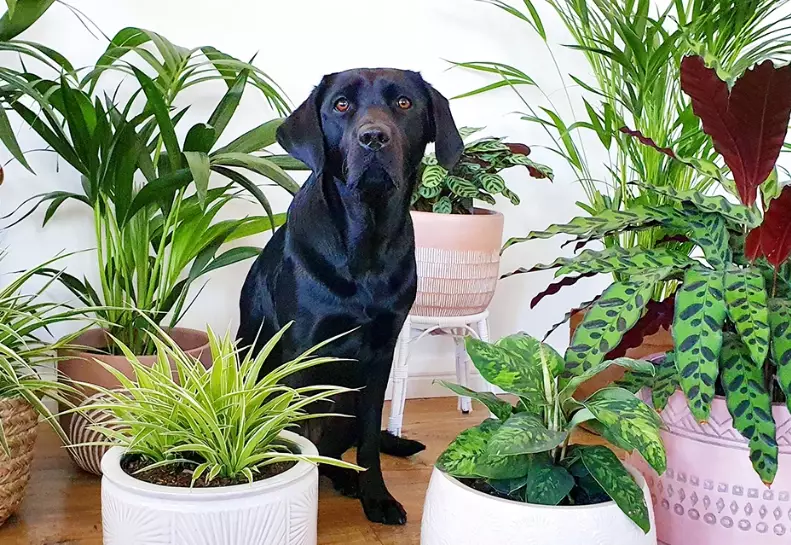
So, if you're tired of cross-referencing every plant label with a toxic plant list on your phone in the garden center, this guide is for you. We're going to cut through the confusion, name names (both the heroes and the villains), and give you the practical know-how to build a safe indoor jungle.
Why Are So Many Common Plants Not Pet Friendly?
It feels unfair, doesn't it? Some of the most popular, easy-to-find houseplants are the very ones that can cause trouble. It's not that plants are out to get our pets. They've developed these chemical defenses over millennia to deter insects, fungi, and animals from eating them. Unfortunately, our domesticated cats and dogs didn't get the memo about what's off-limits. A cat's playful bite or a dog's investigative chew can lead to anything from mild mouth irritation to severe kidney failure, depending on the plant.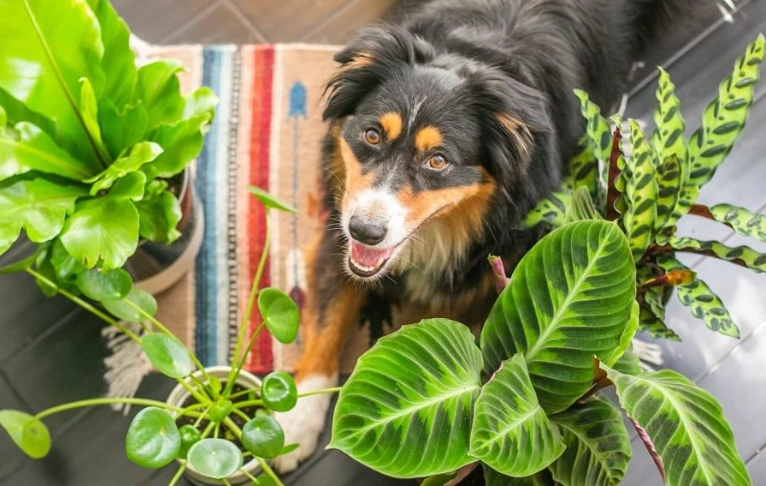
The main culprits are often compounds like insoluble calcium oxalates (found in plants like peace lilies and philodendrons, causing intense mouth burning), or more serious toxins like saponins and specific alkaloids. The ASPCA's comprehensive toxic and non-toxic plant database is an invaluable, authoritative resource I constantly check. It's run by the experts, and it should be your final word if you're ever in doubt.
The Usual Suspects: Plants to Give a Hard Pass
Let's get the negative list out of the way. Knowing what to avoid is half the battle. If you have these, consider rehoming them to a pet-free friend or placing them in an absolutely inaccessible room (and we all know how accessible *nowhere* really is to a determined cat).
- Sago Palm: This is public enemy number one. Every part is toxic, but the seeds (nuts) are especially deadly, causing severe liver failure. Just don't risk it.
- Lilies (Lilium and Hemerocallis species): For cat owners, this is the big one. True lilies are extremely toxic to cats. Even ingesting a small amount of pollen groomed off fur can cause acute kidney failure. This includes Easter lilies, Tiger lilies, and Daylilies.
- Philodendrons, Pothos (Devil's Ivy), and Peace Lilies: These common vining or leafy plants contain those calcium oxalate crystals. They cause immediate oral pain, drooling, and vomiting. Rarely fatal, but a very unpleasant experience for your pet.
- Snake Plant (Mother-in-Law's Tongue): A tough-as-nails plant that's sadly not pet-friendly. It can cause nausea, vomiting, and diarrhea.
- Aloe Vera: The gel inside is great for burns, but the latex layer just under the skin is a potent laxative for pets and can cause vomiting.
- English Ivy: Can cause vomiting, abdominal pain, hypersalivation, and diarrhea.
See what I mean? Some of the most beginner-friendly plants are on this list. It's frustrating. I love the look of a Monstera, but knowing it could make my cat sick means it's a firm no for my home.
Your Go-To List of Proven Pet Friendly Plants
Now for the fun part! The green, glorious, safe list. These are plants that have earned their stripes in homes with curious paws and whiskers. I've broken them down by what they offer, so you can pick based on your style and your pet's personality.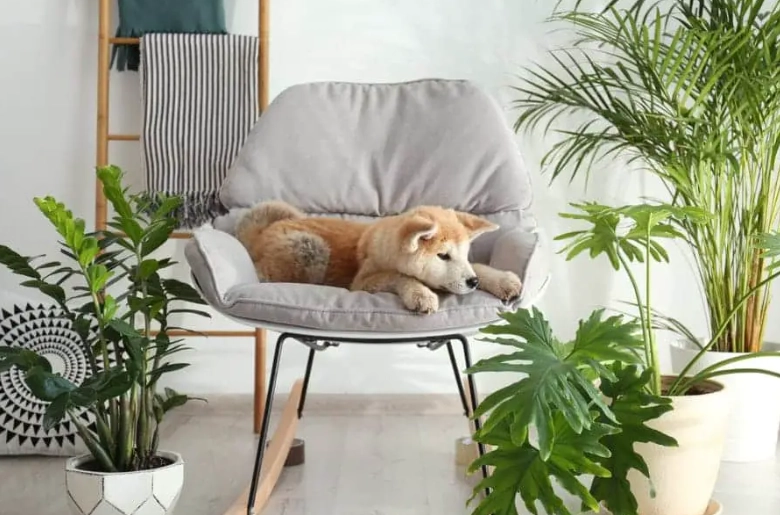
The Un-Killable and Un-Fazed Champions
These are the workhorses. They tolerate some neglect, bounce back from the occasional pet-related "pruning," and are widely confirmed as safe.
- Spider Plant (Chlorophytum comosum): The ultimate pet friendly plant. It's non-toxic, grows like a weed, produces cute baby "spiderettes," and can handle low light. Some cats are mildly attracted to its grassy leaves and may chew it, which is safe, though it can have a mild hallucinogenic effect similar to catnip for some felines. The plant itself usually survives the attention.
- Boston Fern (Nephrolepis exaltata): Lush, feathery, and completely safe. It loves humidity, so it's great for bathrooms. Just keep the soil consistently moist.
- Parlor Palm (Chamaedorea elegans): A graceful, small palm that brings a tropical feel. Slow-growing and happy in lower light. A perfect, safe statement piece.
- Cast Iron Plant (Aspidistra elatior): Lives up to its name. It survives low light, irregular watering, and general neglect. Its broad, dark green leaves are tough and not typically enticing to pets.
The Safe and Stylish Showstoppers
Want something with flowers or more dramatic flair? These options have you covered.
- African Violet (Saintpaulia): Compact, flowering, and loves bright, indirect light. They come in gorgeous colors and are perfectly safe if a pet investigates.
- Certain True Palms: Areca Palm, Ponytail Palm, and the already-mentioned Parlor Palm are generally considered safe. Always double-check the specific species.
- Orchids (especially Phalaenopsis): The common moth orchid is non-toxic to cats and dogs. A beautiful, elegant choice that's safer than many cut flowers.
- Polka Dot Plant (Hypoestes phyllostachya): For a pop of pink, red, or white, this cute, spotted plant is safe. It likes humidity and bright light to keep its colors vibrant.
Bonus: The Edible & Useful Bunch
Why not grow something you and your pet can enjoy (supervised, of course)?
- Cat Grass: Usually a mix of wheat, oat, or barley grasses. You can buy kits specifically for cats. It gives them a safe outlet for their grass-chewing instinct and may deter them from less safe plants.
- Catnip (Nepeta cataria): Obviously a hit for most cats. Grow it in a pot they can't easily knock over during their blissful rolling sessions.
- Herbs: Many common culinary herbs are safe, like Basil, Thyme, and Rosemary. Always check first, but these can be great for a sunny kitchen windowsill.
| Plant Name | Pet Safety (Cat & Dog) | Key Care Need | Good For Pet Owners Because... |
|---|---|---|---|
| Spider Plant | Non-Toxic | Bright, indirect light; let soil dry between waterings | Extremely resilient; safe even if chewed |
| Boston Fern | Non-Toxic | High humidity; consistent moisture | Lush, full look; hangs well out of reach |
| Parlor Palm | Non-Toxic | Low to medium light; water when top soil is dry | Adds height/tropical vibe; slow and manageable |
| African Violet | Non-Toxic | Bright, indirect light; water from bottom | Provides safe, colorful blooms; compact |
| Peace Lily | Toxic | Low light; keep soil moist | Common but contains mouth-irritating crystals |
| Pothos / Devil's Ivy | Toxic | Very low light tolerant; let soil dry out | Super easy but causes oral irritation & vomiting |
Building your collection from lists like this is the smartest way to start. You get the greenery you crave without the background anxiety.
Beyond the List: Smart Strategies for a Pet-Friendly Plant Home
Okay, you've got your safe plant picks. But let's be practical. A bored puppy or a cat in a zoomie mood might still see your beautiful, safe fern as a jungle gym. And what about soil? Fertilizer? Here's how to think about the whole ecosystem.
Where to Put Your Pet Friendly Plants
Location is everything. Hanging planters are a pet owner's best friend. Macramé hangers can keep trailing plants like Spider Plants or safe ferns well away from leaping cats. High, sturdy shelves that can't be easily scaled are another good option. For floor plants, consider heavier ceramic pots that are harder to tip over. I've learned that putting a plant "just on the table" is an open invitation. If it can be reached, it will be investigated.
The Dirt on Soil and Food
Even if the plant is safe, the stuff around it might not be. Some pets, especially cats, are drawn to digging in loose potting soil. Not only is it messy, but the soil can harbor bacteria or fungi, and the plant itself could be damaged.
- Soil Covers: Place a layer of large, smooth pebbles or river rocks on top of the soil. This makes digging less appealing and looks decorative.
- Fertilizer Caution: Organic fertilizers like fish emulsion smell terrible and might attract pets. Chemical fertilizers can be toxic if ingested. Always follow label instructions, apply carefully, and consider using slow-release fertilizer spikes pushed deep into the soil where pets can't get them.
Training and Deterrence (The Gentle Kind)
You can teach pets to leave plants alone. Consistency is key. A firm "no" or a distracting toy when they show interest can work. For cats, providing a more attractive alternative—like their own pot of cat grass in a prime location—often does the trick. I've had zero success with bitter apple sprays on plants, but some people swear by them. A light spritz of water from a spray bottle as a deterrent (never aimed at the face) can work for some cats if used immediately as they approach the plant.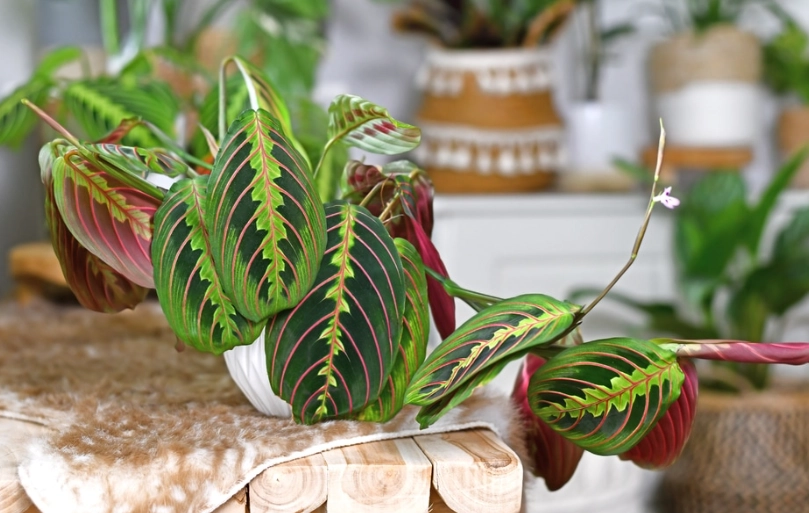
What If the Worst Happens? Emergency Preparedness
Despite our best efforts, accidents happen. A leaf falls, a new puppy finds it, and takes a taste. Don't panic, but act quickly and smartly.
- Identify the Plant: Try to figure out exactly which plant was eaten. Take a piece of it or a clear photo with you. This is the single most helpful thing you can do for the vet.
- Call for Help Immediately: Contact your veterinarian or an emergency animal hospital. If they are closed, call the ASPCA Animal Poison Control Center at (888) 426-4435. There is a consultation fee, but it's staffed 24/7 by veterinary toxicologists. Have your credit card ready. You can also contact the Pet Poison Helpline at (855) 764-7661.
- Observe Your Pet: Note any symptoms: vomiting, diarrhea, drooling, lethargy, tremors, difficulty breathing. Tell the professional everything, even if it seems minor.
- Do NOT Induce Vomiting Unless Instructed: This can sometimes cause more harm, depending on what was ingested.
Having these numbers saved in your phone is a simple, crucial step. It turns a moment of panic into actionable steps.
Answering Your Burning Questions About Pet Friendly Plants
You've got questions, I've spent way too much time researching the answers. Let's tackle some common ones.
Yes, they are listed as non-toxic by the ASPCA. The "hallucinogen" thing is a bit overblown. For some cats, chewing spider plant leaves can cause a mild, temporary upset stomach or a slightly dopey effect similar to, but much weaker than, catnip. It's not harmful. The plant is safe, but if your cat is obsessively munching it to the point of destroying it, it's best to move the plant out of reach and provide cat grass as a preferred alternative.
This is a huge need! Not everyone has a sunny south-facing window. Great low-light, safe options include: the Cast Iron Plant (the champion of neglect), the Parlor Palm, the Prayer Plant (Maranta), and the Peperomia family (like the Watermelon Peperomia). Always verify the specific species, but these are generally excellent, low-light, pet safe houseplants.
It's about redirection, not just punishment. First, ensure all your plants are indeed non-toxic for your peace of mind. Then, make the forbidden plants less appealing (with pet-safe deterrent sprays or by placing them out of reach) and make the approved option irresistible. Grow a lush pot of cat grass or oat grass in a spot they love. Praise them when they chew that. A consistent, sharp noise like a clap when they approach your decorative plants can also help set the boundary.
This is a tricky category. Many popular succulents, like Jade Plants, Aloe, Euphorbias (like the Crown of Thorns), and Kalanchoes, are toxic. However, some are safe! Haworthias (like the Zebra Plant), Burro's Tail (Sedum morganianum), and most Echeverias are considered non-toxic. Again, the scientific name is your friend here. Don't assume a succulent is safe—always check.
Great news! Air plants are generally considered non-toxic to cats and dogs. They don't even need soil, which eliminates the digging temptation. They're a fantastic, quirky, and safe option. Just keep them mounted or in a holder that can't be batted onto the floor and eaten in large quantities.
Creating a home full of life—both botanical and animal—is one of life's great pleasures. It doesn't have to be a source of stress. By choosing the right pet friendly plants, placing them thoughtfully, and being prepared, you can absolutely have it all. You can enjoy the quiet satisfaction of a new leaf unfurling and the warm weight of your pet in your lap, without a worry in the world. Start with one or two safe plants from the list above, see how it goes, and grow your green sanctuary from there. Happy planting (and petting)!
Reader Comments