Quick Navigation
Let's be honest for a second. Most of us, when we think about growing things, picture the end product. The juicy tomatoes, the crisp lettuce, the towering corn. We pour our energy into those main characters. But what if I told you there's a supporting cast working beneath the surface, a group of plants you grow not to harvest, but to set the stage for everything else? That's the world of cover crops.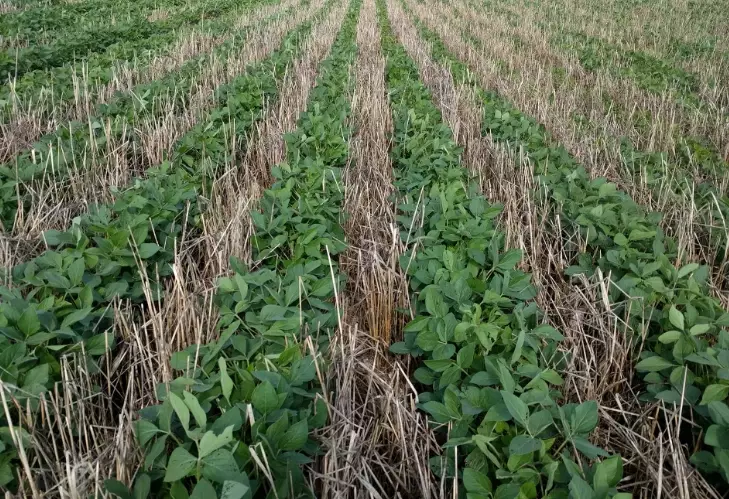
I remember the first time I really "got" it. My vegetable patch had become a sad, compacted thing after a few seasons. Water would just pool on top, and my plants looked tired no matter how much fertilizer I added. A neighbor, an old-timer who grew the most vibrant beans I'd ever seen, shrugged and said, "You're mining your soil, not farming it. Try putting it to bed with a rye blanket over winter." He was talking about a cover crop. I was skeptical—why waste time and seeds on something I won't eat?—but desperate enough to try.
The change wasn't overnight. But come spring, turning that rye under was a revelation. The soil wasn't just dirt anymore; it was crumbly, dark, and smelled… alive. Earthworms were everywhere. That season, everything grew better with less effort from me. It felt like cheating, but it was just good sense.
So, what exactly are we talking about? Cover crops, sometimes called green manure, are plants grown primarily to benefit the soil and the overall farm or garden ecosystem, rather than for direct harvest. You sow them in off-seasons, between your cash crops, or even alongside them. Then, you terminate them and let them decompose, feeding the soil biology with their biomass. It's like running a full-service spa for your land, and the benefits are staggering once you look past the surface.
The Core Idea: Think of cover crops as a living mulch and a soil-building tool. They're an investment in the long-term health and productivity of your land, moving you from a extractive model to a regenerative one. It's farming with nature, not just taking from it.
The "Why": Unpacking the Benefits of Cover Crops
Okay, so they're good for soil. But how, specifically? The list is longer than you might think, and some of the benefits are surprisingly immediate.
Building Soil Structure from the Ground Up
This is the big one, especially if you're dealing with hardpan or clay. Plant roots, especially from grasses like annual ryegrass or cereal rye, are nature's tillers. They push down, creating channels for water and air. When those roots decay, they leave behind organic matter and stable pores. Legume cover crops, like hairy vetch or crimson clover, have taproots that break up compacted layers deeper down.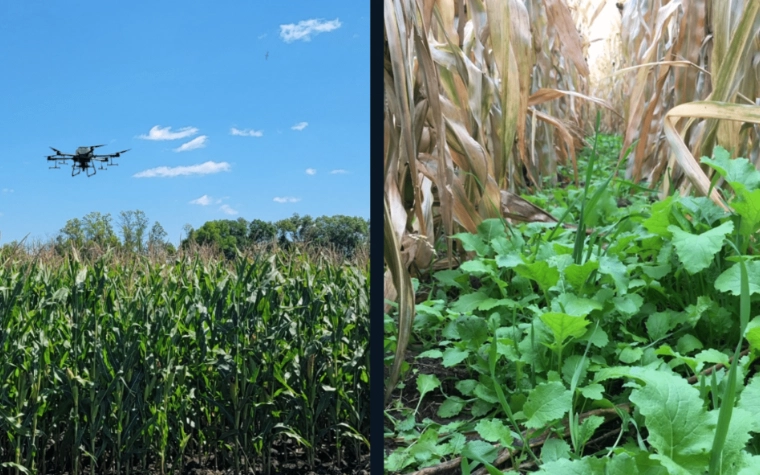
The result? Soil that feels fluffy and holds together but doesn't clump. Water infiltrates instead of running off, taking your precious topsoil (and fertilizers) with it. I've seen fields where the difference in infiltration rate between a cover-cropped area and a bare one is minutes versus hours. That's huge for drought resilience.
A Feast for the Underground Workforce
This is the part that gets soil nerds really excited. Soil isn't inert; it's a teeming city of bacteria, fungi, protozoa, and nematodes. This soil food web is responsible for nutrient cycling, disease suppression, and creating stable soil aggregates. Bare soil is like a ghost town for these organisms—no food, no habitat.
Cover crops change everything. Their roots exude sugars and other compounds (root exudates) that are like a dinner bell for beneficial bacteria and fungi. The massive amount of biomass—both roots and above-ground growth—provides a long-term food source as it decomposes. The USDA's Natural Resources Conservation Service (NRCS) has tons of resources on how soil health is driven by this living biology, and cover crops are a primary driver. You can dive into their Soil Health portal for the deep science.
More life underground means your plants get nutrients served to them in a form they can easily use. It's a constant, slow-release buffet instead of a sporadic fast-food hit from synthetic fertilizer.
Nitrogen: The Magic Trick of Legumes
Here's a classic benefit. Leguminous cover crops (clovers, vetches, peas, beans) form a symbiotic relationship with Rhizobia bacteria in their root nodules. These bacteria grab nitrogen from the air—which plants can't use—and convert it into a form plants can absorb. It's free, biological nitrogen fixation.
When you terminate the legume cover crop, that nitrogen is released into the soil as the plant matter decomposes, becoming available for your next crop. The amount varies—a vigorous stand of hairy vetch can provide over 100 lbs of nitrogen per acre for a following crop like tomatoes or corn. That's real fertilizer value. Resources from universities like the University of Vermont Extension break down the nitrogen contributions of different species, which is crucial for planning.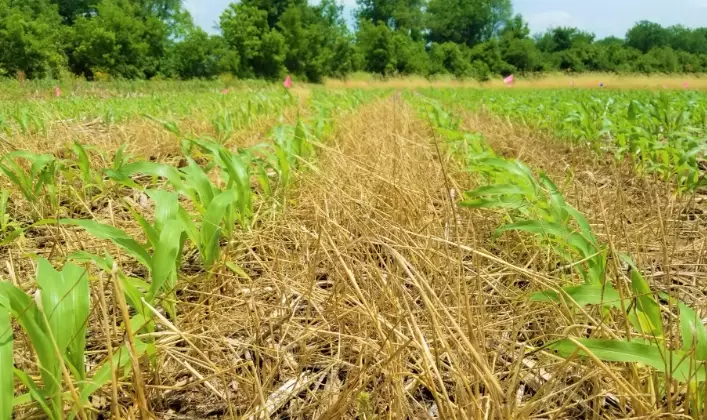
A Reality Check: Don't expect this N to be available instantly the day you till the cover in. The release depends on decomposition, which needs warmth and moisture. If it's cold and wet, your cash crop might need a starter nitrogen boost while it waits for the cover crop's gift. Timing is an art, not just a science.
Weed Suppression and Pest Management
Nature abhors a vacuum. Bare soil is a vacuum begging for weeds to fill it. A dense, rapidly growing cover crop outcompetes weed seedlings for light, water, and space. Some, like cereal rye and sorghum-sudangrass, even release allelopathic compounds that mildly inhibit weed seed germination.
It's not a perfect herbicide, but it drastically reduces the weed seed bank and the labor needed for weeding. On the pest side, a diverse cover crop mix can attract beneficial insects that prey on pests, acting as an insectary. Flowering covers like buckwheat or phacelia are magnets for pollinators and predatory wasps. It's about creating a balanced ecosystem where problems don't get out of hand.
Erosion Control and Water Management
This is the original reason cover crops were promoted. Roots hold soil in place. Leaves break the impact of raindrops. It's simple physics with profound effects. On slopes, it's non-negotiable. But even on flat land, keeping soil covered prevents wind erosion and the crusting that happens when sun and rain beat down on bare earth.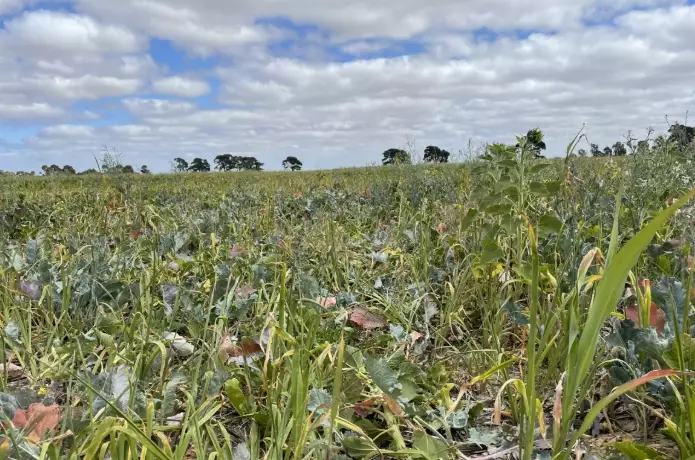
And that improved infiltration? It means more water goes into your soil profile, acting as a reservoir for dry spells. It also means less runoff, which keeps local waterways cleaner by preventing nutrient and sediment pollution.
See? It's more than just "good for dirt." It's a whole-system upgrade.
The "How": Choosing and Using the Right Cover Crops
This is where people get overwhelmed. There are dozens of options. The key is to match the plant to your primary goal, your climate, and your timing.
Asking the right questions narrows it down fast: Are you planting in spring or fall? Do you need to fix nitrogen (legume) or scavenge leftover nutrients and build biomass (grass/brassica)? Do you have a week or three before your main crop goes in, or a whole winter? What's your termination method—will you till, mow, or use a roller-crimper?
| Cover Crop Type | Common Examples | Primary Strengths & Benefits | Best Time to Plant | Termination Notes |
|---|---|---|---|---|
| Cool-Season Grasses | Cereal Rye, Annual Ryegrass, Triticale, Oats | Excellent biomass, superb erosion control, weed suppression (allelopathy in rye), scavenges excess nitrogen. | Late summer to fall. Oats winter-kill in cold zones, others overwinter. | Rye can be tough to kill in spring; must be terminated well before seeding main crop. |
| Cool-Season Legumes | Hairy Vetch, Crimson Clover, Austrian Winter Peas, Balansa Clover | Fixes nitrogen, good biomass, attractive to pollinators when flowering. | Late summer to early fall. Need time to establish before hard freeze. | Easiest to terminate at full bloom. Vetch has a hard seed that can persist. |
| Warm-Season Grasses | Sorghum-Sudangrass, Millet, Teff | Rapid, massive biomass production in heat, breaks up compaction, strong weed smothering. | Late spring to summer, after soil is warm. | Can get woody; mow or roll before stems get too thick. |
| Warm-Season Legumes | Cowpeas, Sunn Hemp, Soybeans (forage type) | Nitrogen fixation in summer, good biomass, sunn hemp is particularly nematode-suppressive. | Late spring to summer. | Winter-killed by frost. Easy to manage. |
| Brassicas & Broadleaves | Oilseed Radish (Tillage Radish), Mustards, Buckwheat, Phacelia | Deep taproots break compaction (radish), biofumigation (mustards), fast soil cover & pollinator food (buckwheat/phacelia). | Spring, summer, or early fall. Buckwheat is frost-sensitive. | Many winter-kill. Buckwheat flowers and sets seed quickly—terminate early! |
My personal favorite strategy? Mixes. Monocultures are boring and often less resilient. A classic fall mix is cereal rye (for biomass and weed control) with hairy vetch (for nitrogen) and maybe a little daikon radish (for compaction busting). They support each other—the rye gives the vetch something to climb on, and the mix provides a wider range of benefits. The non-profit organization Sustainable Agriculture Research and Education (SARE) has an excellent, free book called "Managing Cover Crops Profitably" that is the bible for this stuff, with specific recommendations for every region.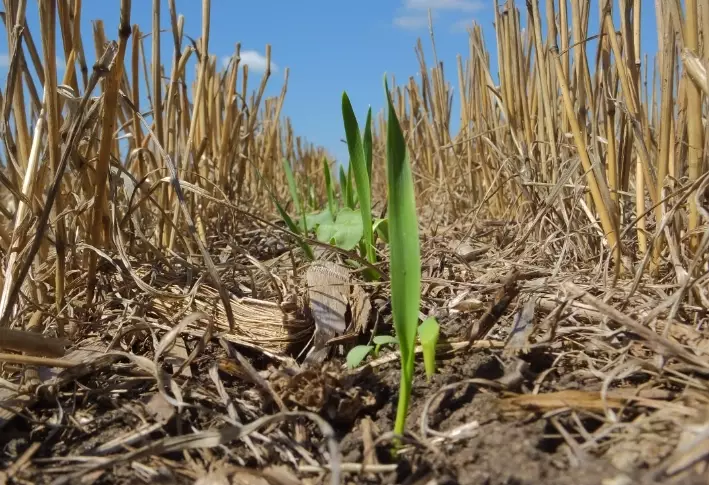
A Practical Management Calendar
Let's walk through a year in a temperate climate, showing how cover crops can be integrated. This isn't the only way, but it's a common and effective pattern.
Late August/Early September: Your summer squash or early corn is done. As soon as you pull those plants, prep the seedbed lightly and sow a winter-hardy cover crop mix. Something like oats and winter peas (which will winter-kill) or cereal rye and crimson clover (which will overwinter). Goal: get them established before frost to protect soil all winter.
Early Spring (3-4 weeks before planting): For overwintered covers like rye, this is termination time. If using herbicides, this is the window. If rolling/crimping, wait until the rye is in the "boot" stage or early flowering for easier kill. Let the mulch settle for a couple of weeks.
Late Spring/Early Summer: Plant your main crops (tomatoes, peppers, beans) into the cover crop residue. You might need a no-till planter or strong transplant tool to get through the mulch.
Mid-Summer: After harvesting early spring crops like lettuce or peas, you have a window. Plant a quick, heat-loving cover crop like buckwheat. It'll flower in 5-6 weeks, feeding bees. Terminate it before it sets seed, and it decomposes quickly.
Late Summer: Repeat the fall cycle. See the rhythm? The soil is almost never bare.
Navigating the Challenges (Because Nothing is Perfect)
Let's not sugarcoat it. Adding cover crops adds complexity. You're managing another living thing in your system. Here are the common hiccups and how to think about them.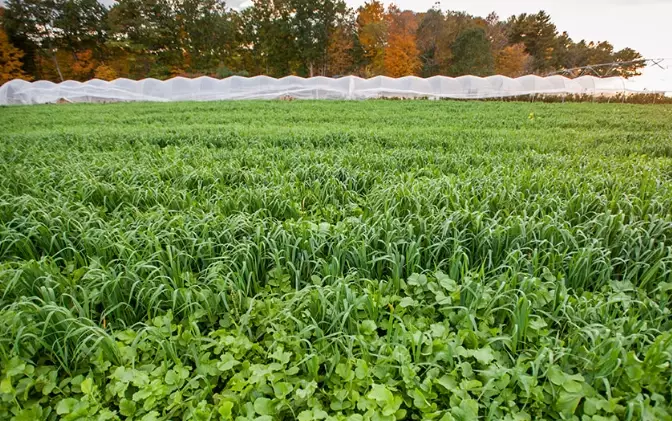
The Moisture Trade-off: In dry climates or very dry springs, a thick, un-terminated cover crop can suck up precious soil water, competing with your cash crop. The solution is timing—terminate earlier to conserve moisture for the main event, or choose species that use less water. It's a balancing act that requires local knowledge.
Termination Headaches: Cereal rye, if let go too long, becomes a woody monster that's hard to kill and can become a weed itself. You need the right equipment (a heavy-duty mower, roller, or effective herbicides) and the resolve to do it on time. I've seen gardens where someone's "cover crop" of rye became a perennial nuisance. Do your homework on termination before you plant.
Seed Costs and Establishment: Yes, it's an upfront cost. But weigh it against the costs of fertilizer, herbicide, and irrigation you might save. Establishment can fail if you broadcast seed on lumpy ground and get no rain. Drilling seed gives much better results. Good seed-to-soil contact matters.
The Learning Curve: You will make mistakes. A cover crop might not winter-kill when you expected, or it might not produce enough biomass. That's okay. Start small. Experiment with one bed or one field corner. Keep notes. Talk to other growers in your area. Your state's Cooperative Extension service is a goldmine for locally-tuned advice.
Answering Your Cover Crop Questions
Wrapping It Up: Is It Worth It?
Look, if you're farming or gardening on an industrial, input-heavy model and only care about this quarter's output, cover crops might seem like a hassle. But if you view your land as a long-term partner, if you're tired of throwing more and more inputs at problems, if you want to build resilience against drought and deluge, then the answer is a resounding yes.
Start simple. Pick one goal—maybe stopping winter erosion or adding nitrogen for your tomatoes. Pick one easy cover crop that fits. Do it on a small scale. Observe. You'll see the difference in your soil's texture, in the earthworm count, in how your plants handle stress.
Cover cropping is a mindset shift. It's about valuing the process as much as the product, the soil as much as the crop. It's not a silver bullet, but it might be the most powerful tool in the toolbox for building a truly healthy, productive, and sustainable piece of land. And honestly, once you see it work, there's no going back to bare dirt.
Reader Comments