In This Guide
Let's be honest. When it rains, most of us just watch the water rush off our roofs, driveways, and lawns, heading straight for the street drain. It feels... wasteful. Like a missed opportunity. A few years back, after a particularly heavy downpour left a small river running through my side yard and washed away a bunch of mulch I'd just laid down, I got fed up. That's when I started looking into rain gardens. Not the super technical, engineering-heavy kind you might read about in a municipal manual, but the kind a regular homeowner can actually build and enjoy.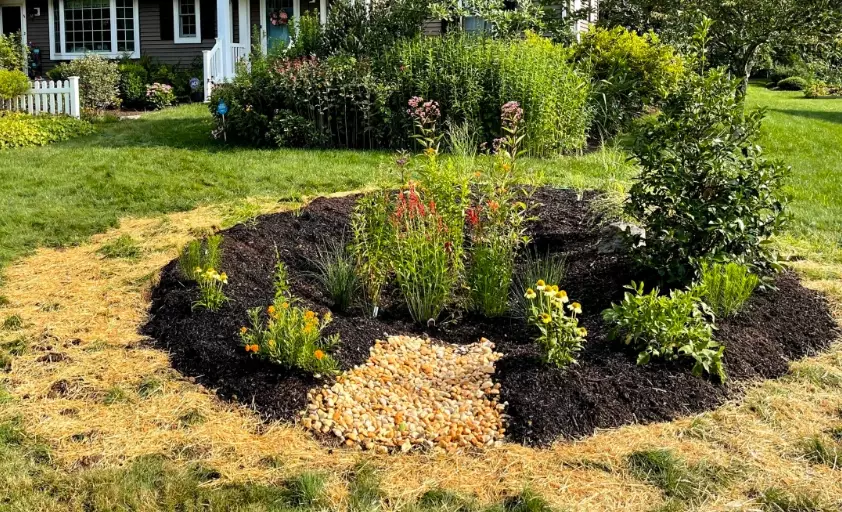
A rain garden is basically a shallow, planted depression. It's designed to collect and soak up rainwater runoff from impervious surfaces like roofs, patios, and driveways. Think of it as a sponge and a filter, dressed up with pretty plants. It's not a pond—it's meant to hold water for a short time (usually 24-48 hours) after a storm before it soaks into the ground.
The big idea is simple: Slow it down, soak it in, filter it clean. Instead of water racing away, picking up oil, fertilizer, and dog waste along the journey to our streams and rivers, a rain garden gives it a place to pause and get cleaned up naturally.
Why Bother? The Real Benefits of a Rain Garden
You might be thinking, "That sounds like a lot of work for a patch of wet dirt." I thought so too, initially. But the benefits stack up in ways that surprised me.
First, it's a direct line to helping your local environment. The U.S. Environmental Protection Agency (EPA) highlights that stormwater runoff is a major source of pollution for our waterways. By trapping and filtering that runoff, your rain garden reduces the load of nutrients (like nitrogen and phosphorus from fertilizer), sediments, and other contaminants reaching creeks and rivers. You're creating a mini water treatment station in your yard.
Second, it reduces localized flooding. If you have a spot in your yard that always turns into a puddle or contributes to a soggy basement, directing water to a strategically placed rain garden can be a game-changer. It soaks the water into the ground, recharging groundwater supplies instead of overwhelming storm drains.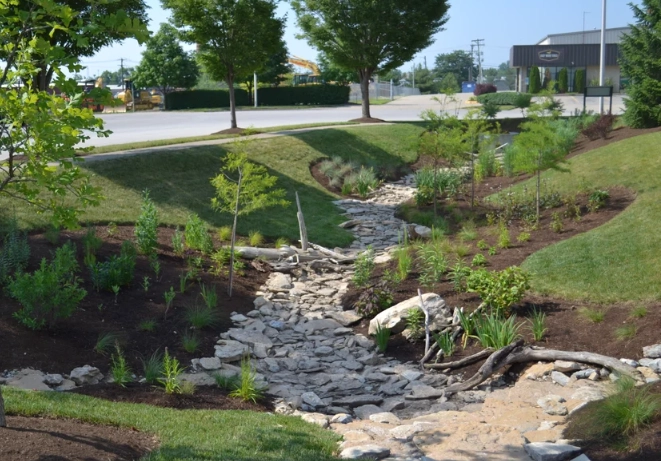
Third, and this is the fun part, it creates habitat. The native plants you'll typically use attract butterflies, bees, and beneficial insects. My rain garden is now the busiest part of my yard in the summer, buzzing with life. It's way more interesting than a plain stretch of lawn.
Finally, it just looks good. A well-designed rain garden is a landscape feature. It adds texture, color, and a sense of purpose to your outdoor space. It tells people you thought about how your property interacts with the natural world.
The Make-or-Break First Step: Site Selection and Design
This is where most DIY projects go sideways. You can't just dig a hole anywhere. Picking the right spot is 80% of the battle for a successful rain garden.
Finding the Perfect Location
You need three things: a source of water, the right distance from your house, and decent soil.
- Water Source: Look at your downspouts. Where does the water come from? You'll need to direct that water to your garden via a swale (a shallow ditch) or a buried pipe. The ideal spot is downhill from the downspout but on a relatively level area.
- The 10-Foot Rule: Keep the rain garden at least 10 feet away from your house foundation. This is non-negotiable. You want to manage water, not create a new problem.
- Soil Check: This is crucial. Do a simple percolation test. Dig a hole about 8-12 inches deep, fill it with water, and see how long it takes to drain. If it's gone in 24-48 hours, you're golden. If it sits for days, you have clay soil and will need to amend it heavily or consider a different spot. The University of Minnesota Extension has excellent, detailed guides on conducting proper infiltration tests.
- Utilities: Call 811 before you dig anywhere. Always.
Sizing and Shaping Your Rain Garden
Size depends on how much runoff you're catching. A common rule of thumb is that the rain garden area should be about 20-30% the size of the impervious area (like your roof) draining into it. For a typical residential downspout, a garden 100-300 square feet often works.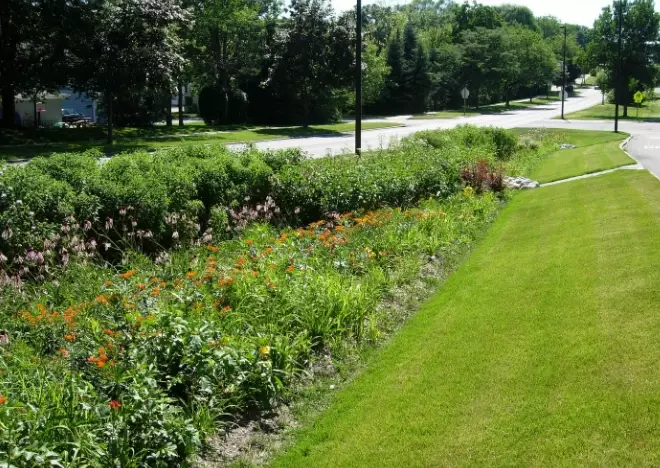
Shape is up to you. Curves look more natural. Make it an oval, a kidney bean, or a teardrop. Avoid sharp corners which are harder to dig and maintain.
Depth is usually 4 to 8 inches deep. Deeper isn't always better. A shallow, wider basin often works better and is easier to plant.
My personal mistake: I went too deep on my first attempt—about 12 inches. During a big storm, it filled up like a bathtub and took nearly a week to drain, which stressed the plants. I had to partially fill it back in. Aim for a gentle basin, not a pit.
The Build: A Step-by-Step, Get-Your-Hands-Dirty Process
Okay, you've picked your spot and mapped out your shape with a garden hose or spray paint. Now for the fun (read: sweaty) part.
- Excavate: Remove the sod and dig out your basin to the planned depth. Pile the good topsoil on a tarp to use later. The bottom should be as level as possible so water spreads evenly.
- Build the Berm: Use the soil from the hole to build a low berm (a small mound) on the downhill side to hold water in. Compact it well and consider planting grass or sturdy groundcover on it to hold it together.
- Amend the Soil (if needed): If your soil drains slowly, you'll need to create an engineered soil mix. A common recipe is about 50-60% sand, 20-30% topsoil, and 20-30% compost. This creates a porous, fertile sponge. This was the most backbreaking part of my project, but mixing in several yards of sharp sand made all the difference.
- Create the Inlet: This is where water enters. It can be a simple rock-lined channel (a swale) or the end of a buried downspout extension. Use rocks or pavers to prevent erosion at the entry point.
- Make an Overflow: Essential! Your rain garden will fill up in a huge storm. Plan for where the excess water will go—usually a notch in the berm lined with stone that directs water safely away.
The Heart of the Garden: Choosing the Right Plants
Plant selection is what makes a rain garden sing. You need tough plants that can handle both "wet feet" and dry spells. Native plants are almost always the best choice because their roots are deep and they're adapted to your local climate.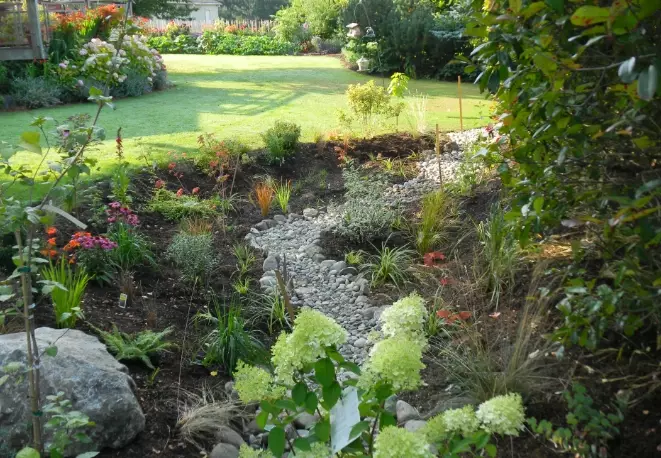
Think in zones. You'll plant different species in different parts of the basin based on how wet they get.
| Zone | Condition | Plant Examples (Mid-Atlantic/Northeast U.S.) | Why They Work |
|---|---|---|---|
| Bottom (Wettest) | Frequent saturation, longest standing water. | Blue Flag Iris, Swamp Milkweed, Cardinal Flower, Tussock Sedge | Tolerate prolonged moisture, have strong roots for filtration. |
| Slopes (Medium Moisture) | Periodic wet conditions, then drier. | Black-eyed Susan, Bee Balm, Joe-Pye Weed, Little Bluestem grass | Versatile, handle the cycle of wet and dry beautifully. |
| Berm & Edges (Driest) | Rarely wet, typical garden conditions. | Butterfly Weed, Purple Coneflower, Aromatic Aster, Prairie Dropseed | Drought-tolerant, stabilize the berm, add aesthetic appeal. |
My biggest piece of advice? Plant densely. Don't space plants like in a regular garden. Plant them closer together (12-18 inches apart for most perennials). This creates a living mulch that shades out weeds and looks established faster. I used plugs (small, young plants) instead of expensive gallon pots. They're cheaper, establish quickly, and within two seasons you can't tell the difference.
Mulch with 2-3 inches of shredded hardwood mulch to suppress weeds and retain moisture while the plants fill in. Avoid cedar or cypress, which can repel water.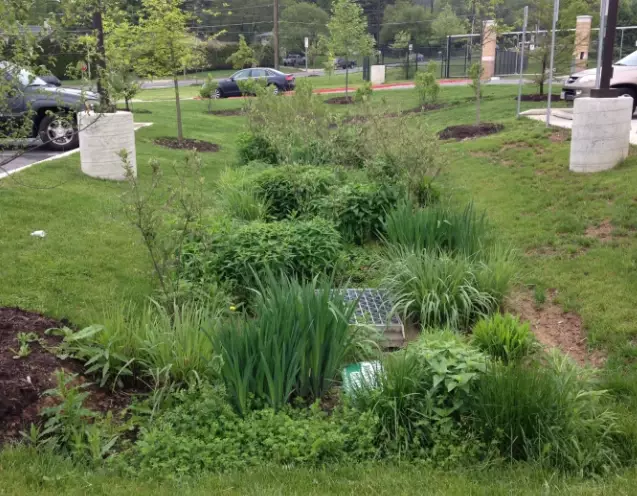
Keeping It Alive: Maintenance Real Talk
People call rain gardens "low-maintenance," but that's not the same as "no-maintenance." Here's what you'll actually need to do, especially in the first few years.
- Watering: Yes, you need to water a rain garden. For the first two seasons, water deeply once a week if there's no rain. The plants need to establish their deep roots. After that, they should be self-sufficient except in extreme drought.
- Weeding: Be vigilant the first two years. Weeds will try to take over the bare mulch. Hand-pull them before they go to seed. Once your plants form a canopy, weeding drops off dramatically.
- Debris Management: In fall and spring, remove any large leaves or sticks that wash in and smother the plants. A light raking is often all that's needed.
- Re-mulching: Top up the mulch layer every 2-3 years as it decomposes.
- Division & Pruning: After 3-4 years, some plants may get overcrowded. Divide perennials in early spring or fall to rejuvenate them and spread them to other areas. Cut back dead stems in late winter/early spring.
It's less work than a lawn, in my opinion. No mowing, no fertilizing. Just some seasonal tidying.
Answers to the Questions You're Probably Asking
Let's tackle some common hesitations head-on.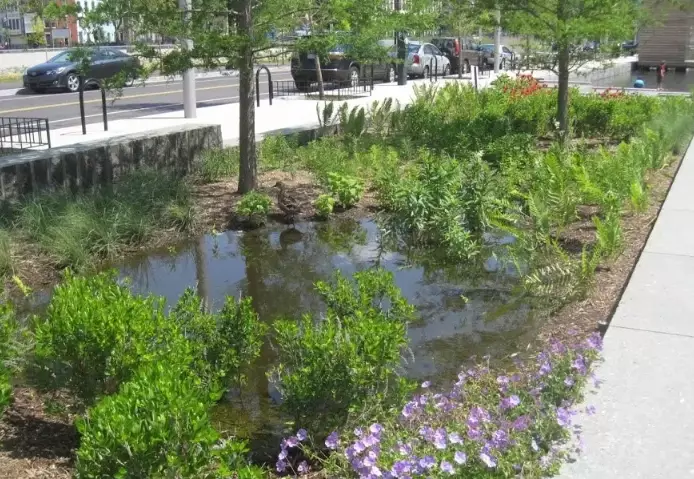
The journey to a finished rain garden is a process. It's not an instant landscaping makeover. You'll watch it through a few seasons, see what thrives, maybe move a plant or two. But that's part of the reward. You're not just installing a feature; you're cultivating a small, functioning ecosystem. When it rains, you'll look out at your garden, watch it fill, and feel a quiet satisfaction knowing that water is being put to good use, right where it landed.
Start small. Pick one downspout. Do the soil test. The learning is in the doing. And when you see the first butterflies on your swamp milkweed, you'll forget all about the sore back from moving that sand.
Reader Comments