In This Guide
- What is Water Conservation Gardening, Really?
- Why Bother? The Benefits Beyond the Bill
- Planning Your Water-Wise Garden Transformation
- Choosing the Champions: Plants for a Water-Smart Garden
- The Secret's in the Soil: Building a Sponge
- Watering Smart: How to Give a Drink, Not a Flood
- The Magic Mulch Blanket
- Maintenance: Less is More
- Your Water Conservation Gardening Questions, Answered
- Getting Started: Your First Weekend Project
Let's be honest. Watering the garden can start to feel like a second job in the middle of summer. You drag the hose around, watch the sprinklers run, and then a month later you get a water bill that makes you wince. I've been there. A few years back, after a particularly dry spell and a shocking utility bill, I looked at my thirsty lawn and flower beds and thought, there has to be a better way.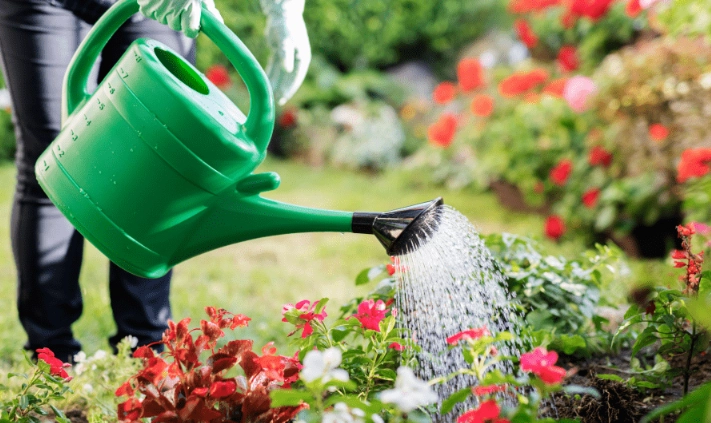
That's when I stumbled into the world of water conservation gardening. It wasn't about letting everything turn brown and die. Far from it. It was about being smart, working with nature, and choosing plants that actually like the conditions I could provide. The result? A garden that's not only alive but thriving, with way less work from me and a fraction of the water use.
Maybe you live in an area with frequent droughts or watering restrictions. Maybe you're just tired of the upkeep and cost. Whatever your reason, this guide is for you. We're going to walk through everything, from the basic philosophy to the nitty-gritty details of soil, plants, and irrigation. No fluff, just the stuff that actually works.
What is Water Conservation Gardening, Really?
People throw around terms like xeriscaping, drought-tolerant gardening, and water-wise landscaping. They all orbit the same core idea: use less water. But water conservation gardening feels like the most complete term to me. It’s not just about surviving a drought; it's an ongoing ethic of stewardship.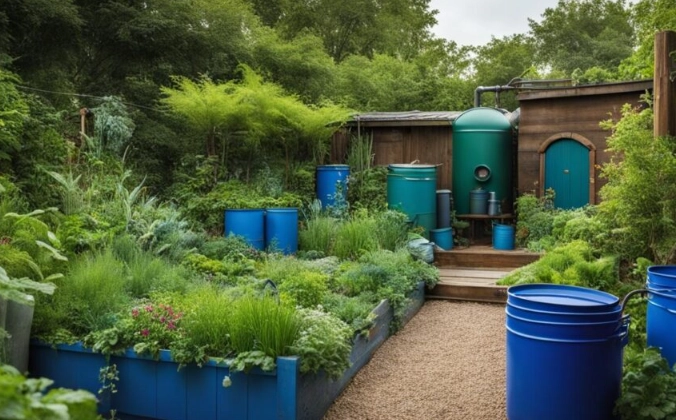
It's a system. You can't just rip out your lawn and plop in a cactus and call it a day (unless you want a yard that looks like a sad desert scene). True success comes from how all the pieces work together: the right plants in the right place, soil that holds onto moisture, and watering that's efficient and targeted.
The goal isn't zero water. It's minimal, smart water. Even the most drought-hardy plants need a drink to get established. The payoff is a landscape that bounces back faster after a heatwave and doesn't demand you be its full-time lifeguard.
Why Bother? The Benefits Beyond the Bill
Saving money on water is the obvious win. You can easily cut your outdoor water use by 50% or more. But the perks go way deeper.
First, the time you get back. Less mowing, less weeding (once established, these gardens crowd out weeds beautifully), and way less time spent moving sprinklers. Your weekends are freed up to actually enjoy the garden, not just work in it.
Then there's the resilience. When a heat advisory hits or your town announces stage two watering restrictions, you can relax. Your garden is built for this. Meanwhile, your neighbor's traditional lawn is turning into a crispy yellow carpet. There's a certain peace of mind in that.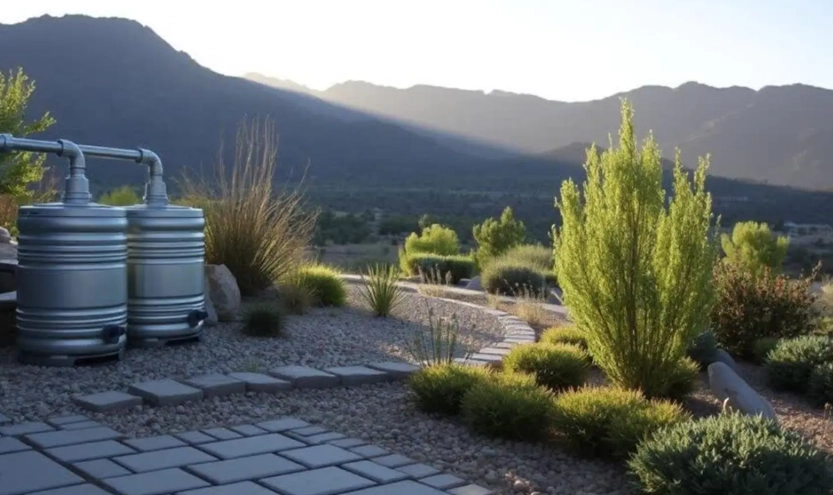
You're also creating a habitat. Native plants and diverse, layered plantings attract pollinators like bees, butterflies, and hummingbirds. You're building a little ecosystem, which is way cooler than a monoculture of grass.
Planning Your Water-Wise Garden Transformation
Jumping in without a plan is a recipe for wasted money and effort. Take a weekend to observe your space. Seriously, just watch it.
Sun, Soil, and Slope: The Holy Trinity
Where is the sun at 9 AM, noon, and 4 PM? Which areas bake all day, and which get afternoon shade? Full-sun plants will fry in shade, and shade-lovers will stretch and struggle in sun.
Get your hands dirty. What's your soil like? Grab a handful and squeeze it. Does it form a sticky ball (clay)? Does it feel gritty and fall apart (sandy)? Or is it dark, crumbly, and wonderful (loam)? Most of us aren't blessed with loam. Sandy soil drains too fast; clay holds water but can suffocate roots. The good news is, you can fix both, which we'll get to.
Watch how water moves. After a rain, where does it pool? Where does it run off? Slopes are tricky—water runs right off them. You'll need strategies to capture it.
Zoning Your Plants: The Hydro-Zone Method
This is the single most useful concept in water conservation gardening. Group your plants based on their water needs.
- Zone 1 (High Water Need): A tiny area, maybe by your patio or front door. This is for your prized container plants or a small patch of something you really love that needs regular drinks.
- Zone 2 (Moderate Water Need): Plants that need supplemental water only during extended dry periods. Many established perennials and shrubs live here.
- Zone 3 (Low Water Need): The backbone of your garden. Native plants, deep-rooted perennials, and drought-adapted shrubs. They might get watered a few times their first summer, then fend for themselves.
This way, you're not overwatering the tough plants to satisfy the thirsty ones. Your irrigation (if you use it) becomes super efficient.
Choosing the Champions: Plants for a Water-Smart Garden
This is the fun part. Forget the idea that drought-tolerant means only cacti and gravel. The palette is incredibly rich and colorful.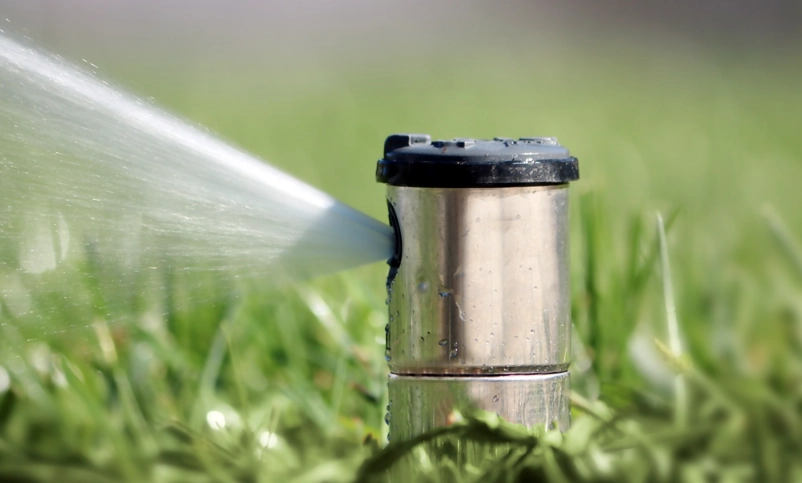
Here’s a breakdown of some superstar categories. Remember, "native to your area" is almost always the golden ticket. These plants have spent millennia adapting to your local rainfall and pests.
Perennials That Can Take the Heat
These come back year after year, getting tougher and more established.
- Sedum (Stonecrop): The ultimate low-water workhorse. Fleshy leaves store water, and they flower in late summer/fall when other things are fading. "Autumn Joy" is a classic for a reason.
- Lavender: Loves sun and good drainage. The smell is heavenly, and bees adore it. It hates wet, humid winters, so give it space to breathe.
- Russian Sage: Creates a haze of purple-blue flowers on silvery stems. It's practically indestructible in full sun and poor soil. Gets quite big, so give it room.
- Yarrow: Ferny foliage and flat clusters of flowers in white, yellow, pink, or red. Spreads politely and is a butterfly magnet.
- Penstemon (Beardtongue): Spikes of tubular flowers that hummingbirds go nuts for. Many native varieties are exceptionally drought-hardy.
Shrubs That Provide Structure
These give your garden bones and form, even in winter.
- Butterfly Bush: Controversial because it can be invasive in some areas—always check for sterile cultivars! They bloom non-stop and are, unsurprisingly, covered in butterflies.
- California Lilac (Ceanothus): For milder climates. Explodes in the most incredible blue flowers in spring. Needs excellent drainage.
- Junipers: Tough as nails. Great for groundcover, screening, or sculptural forms. The new varieties come in amazing colors, from gold to blue-green.
- Manzanita: A stunning native to the western US. Red, sculptural bark, evergreen leaves, and delicate flowers. A real statement plant.
Ornamental Grasses
They add movement, sound, and a soft, natural texture. Most are incredibly drought-tolerant once established.
Little Bluestem, Blue Fescue, and Mexican Feather Grass are personal favorites. They catch the light beautifully and look good all winter.
The Lawn Question
Do you need a traditional Kentucky bluegrass lawn? Probably not. But if you want a green area for kids or pets, consider these alternatives:
| Alternative | Water Needs | Foot Traffic Tolerance | Notes |
|---|---|---|---|
| Buffalograss | Very Low | Moderate | Native prairie grass. Goes dormant (brown) in winter and extreme drought, greens up with rain. |
| Fine Fescue Blends | Low | Low-Moderate | Shade tolerant. "No-mow" or "eco-grass" mixes are often based on fine fescues. |
| Clover Lawn | Low | Moderate | Stays green, fixes nitrogen in soil (free fertilizer!), attracts bees when flowering. |
| Thyme or Creeping Mazus | Low | Light | Fragrant, flowering groundcover. Not for playing soccer on, but great between stepping stones. |
My two cents? Shrink the lawn. Keep a small, functional patch with a low-water grass and replace the rest with planting beds. You'll be amazed at the change.
The Secret's in the Soil: Building a Sponge
This is the unsexy, absolutely critical foundation. Good soil holds moisture and lets roots breathe. Bad soil means water (and your efforts) just runs away.
For sandy soil, you need to add organic matter to help it retain water. Compost is your best friend. For clay soil, you need to add organic matter to break up the particles and improve drainage. See a pattern?
Compost. Not the bagged stuff from the big box store (though that's okay in a pinch), but real, homemade compost or well-rotted manure. Work a 2-4 inch layer into the top 6-8 inches of your soil before planting. It feeds the soil life, which in turn feeds your plants.
Watering Smart: How to Give a Drink, Not a Flood
How you water is as important as what you water. The goal is deep, infrequent watering that encourages roots to grow down, not stay shallow.
Ditch the Overhead Sprinkler
They waste so much water to evaporation and wind. On a hot, breezy day, you might lose half of it before it hits the ground. They also wet the leaves, which can promote fungal diseases.
Embrace Drip Irrigation or Soaker Hoses
This is the gold standard for water conservation gardening. It delivers water slowly, right at the root zone, where the plant needs it. You can hook it up to a simple timer and forget it. It's a bit of an upfront investment in parts and time to lay it out, but it pays for itself in water savings and plant health.
Soaker hoses are the easier cousin—just snake them through your beds and turn them on low for an hour or two.
The Finger Test
No gadget needed. Stick your finger into the soil near your plant, down to the second knuckle. Is it damp? Don't water. Is it dry? Time to water. This simple trick prevents you from killing plants with kindness.
Water deeply when you do water. For a new planting, that might mean letting a soaker hose run for 2-3 hours, ensuring moisture penetrates 6-8 inches deep. A shallow sprinkle just encourages weak roots.
The Magic Mulch Blanket
Mulch is a game-changer. A 2-3 inch layer over your soil does wonders:
- Slows evaporation, keeping soil moist longer.
- Suppresses weeds (less work for you!).
- Moderates soil temperature, keeping roots cooler in summer.
- Breaks down over time, adding organic matter.
What kind? Shredded bark, wood chips, arborist chips (often free if you call a local tree service), or even gravel/stone for certain plants like succulents. Avoid rubber mulch or dyed mulches—they don't improve the soil and can get really hot.
Maintenance: Less is More
A well-designed water conservation garden is low-maintenance, but not no-maintenance.
Weeding: Crucial in the first year or two while plants fill in. Mulch heavily to help. Once plants mature and touch each other, they shade the soil and weeds have a hard time.
Pruning: Usually just a yearly cutback in late winter or early spring for perennials and grasses. Avoid heavy pruning in late summer/fall, which can stimulate new growth that's vulnerable to frost.
Fertilizing: Go easy. Excess fertilizer promotes fast, soft growth that needs more water. A top-dressing of compost in spring is often all you need. These are tough plants; they don't need to be coddled.
Your Water Conservation Gardening Questions, Answered
I get asked these all the time.
Getting Started: Your First Weekend Project
Don't feel overwhelmed. Pick one thing.
- Observe: Spend a day just looking at your yard. Map the sun and shade.
- Fix One Zone: Choose a small, sunny bed. Dig in a bunch of compost. Plant 3-5 drought-tolerant perennials (like Sedum, Yarrow, and Russian Sage). Mulch heavily with wood chips. Water them deeply once a week for the first month, then taper off.
- Install a Soaker Hose: In another bed, replace your oscillating sprinkler with a $30 soaker hose snaked through the plants. Next time you water, turn it on low for 2 hours and see the difference.
That's it. That's how you start. You'll learn as you go, and your garden will teach you what works.
The beauty of water conservation gardening is that it aligns with how nature wants to work anyway. You're not fighting an uphill battle against your climate. You're working with it. The result is a garden that feels right, looks beautiful through the seasons, and gives you back your time and peace of mind. And in a world where water is becoming more precious, that feels like a pretty good legacy for your little patch of earth.
Got a specific challenge in your yard? Hit me up in the comments below—I love troubleshooting these puzzles. Now, go get your hands dirty.
Reader Comments