Quick Guide
You know that feeling? You want a nice garden, but the whole process sometimes feels at odds with being kind to the planet. The bags of chemical fertilizer, the guilt when you run the sprinkler, the plastic pots piling up in the corner. I've been there. For years, my gardening was a constant battle—against weeds, against bugs, against my own water bill.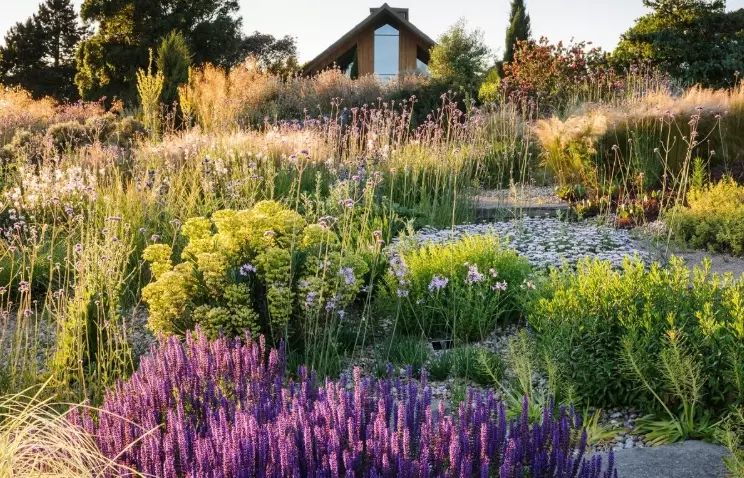
Then I stumbled into eco-friendly gardening. And honestly, it wasn't some grand, overnight conversion. It was more like a series of small, “aha” moments that completely changed how I saw my little patch of dirt. It stopped being a chore and started being this fascinating, living system I was just a part of.
This isn't about achieving some Instagram-perfect, sterile plot. It's about working with nature, not against it. It's cheaper, it's more interesting, and it's incredibly rewarding. Let's walk through this together, step by messy, wonderful step.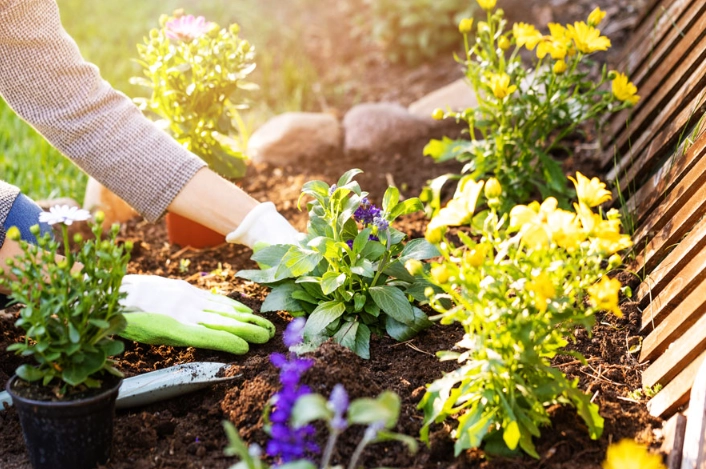
What's the big idea? At its heart, eco-friendly gardening is about mimicking natural ecosystems. It means building healthy soil that acts like a sponge, choosing plants that belong here, and seeing insects not as invaders, but as part of the crew. The goal is a garden that sustains itself and gives back to the local environment.
The Core Principles: It's Not Rocket Science, It's Soil Science
Before we get to the fun stuff like picking plants, we need to talk foundation. And in gardening, the foundation is always the soil. Get this right, and almost everything else gets easier.
Feed the Soil, Not the Plant
This is the golden rule. Conventional gardening often focuses on pumping nutrients directly into plants via synthetic fertilizers. Eco-friendly gardening flips that. You focus on creating a thriving ecosystem in the soil—teeming with bacteria, fungi, worms, and other microbes. These little guys break down organic matter into food your plants can actually use, and they help plants access water and nutrients.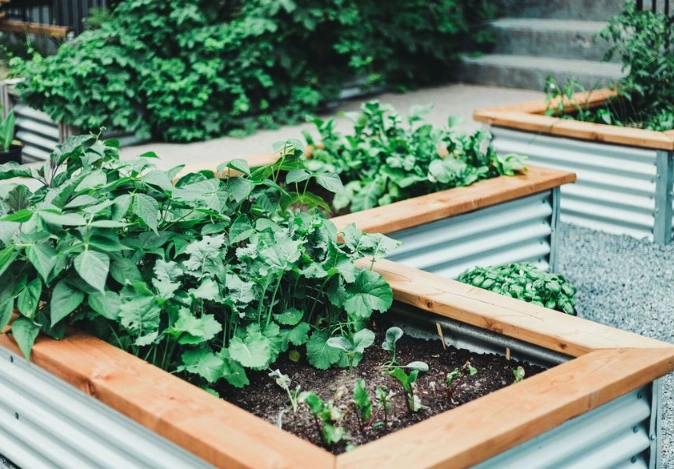
How do you do it? Organic matter. Lots of it.
- Compost: This is black gold. You can buy it, but making your own is free and keeps kitchen scraps out of the landfill. I had a failed bin that just sat there, wet and smelly, for months. The trick? More “browns” (dry leaves, shredded paper) than “greens” (food scraps). Getting that balance right was a game-changer.
- Mulch: A layer of mulch (wood chips, straw, leaves) on top of your soil is like a super-powered blanket. It suppresses weeds, retains moisture so you water less, and slowly breaks down to feed the soil. The difference in soil moisture under my mulch versus bare soil is staggering on a hot day.
- Natural Amendments: Things like well-rotted manure, leaf mold, or alfalfa meal. These add specific nutrients and improve soil structure over time, unlike synthetic fertilizers that can wash away and pollute waterways.
The U.S. Department of Agriculture's Natural Resources Conservation Service has fantastic, plain-language resources on soil health principles that apply perfectly to your backyard.
Work With Your Local Climate, Not Against It
This seems obvious, but we all try to grow things that don't belong. I killed several lavender plants trying to grow them in my humid, rainy climate before I finally accepted it. Sustainable gardening practices mean choosing plants adapted to your area's rainfall, temperature, and soil type.
Native plants are the ultimate cheat code here. They've evolved over millennia to thrive in your local conditions with minimal fuss. They need less water, fewer fertilizers, and they support local wildlife like birds, bees, and butterflies far better than non-natives. The National Wildlife Federation's Native Plant Finder is a brilliant tool to find plants native to your specific zip code.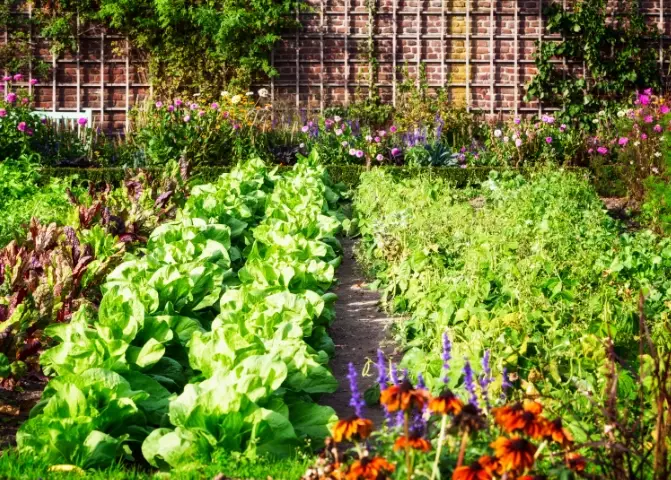
A quick thought: Your garden doesn't have to be 100% native to be eco-friendly. But starting with a backbone of native plants creates resilience. Then you can add well-adapted non-natives (like many herbs and vegetables) that don't need coddling.
Putting It Into Practice: Your Action Plan
Okay, principles are great. But what do you actually do? Here’s a breakdown of the most impactful moves you can make.
Water Wisely (Your Plants and Your Wallet Will Thank You)
Water waste is a huge pain point. Here’s how to be smarter about it.
- Ditch the Sprinkler (When You Can): Overhead sprinklers lose a ton of water to evaporation. Soaker hoses or drip irrigation systems deliver water slowly and directly to the plant roots, where it's needed. It's a more efficient way to garden.
- Water Deeply, Not Frequently: A long, slow soak encourages roots to grow deep into the soil, making plants more drought-tolerant. Light, daily sprinklings encourage shallow roots.
- Harvest Rainwater: It's free, it's soft (no chlorine), and it's the ultimate in local sourcing. A simple rain barrel connected to a downspout can provide a surprising amount of water. The EPA's WaterSense program has guidelines and tips for efficient outdoor water use.
- Time It Right: Water early in the morning. Less water is lost to evaporation, and plants have time to dry off, reducing the risk of fungal diseases.
Say No to Chemicals & Welcome the “Good Bugs”
The moment you stop seeing every insect as the enemy, your garden becomes a much more interesting place. A healthy eco-friendly garden has a balance of pests and predators.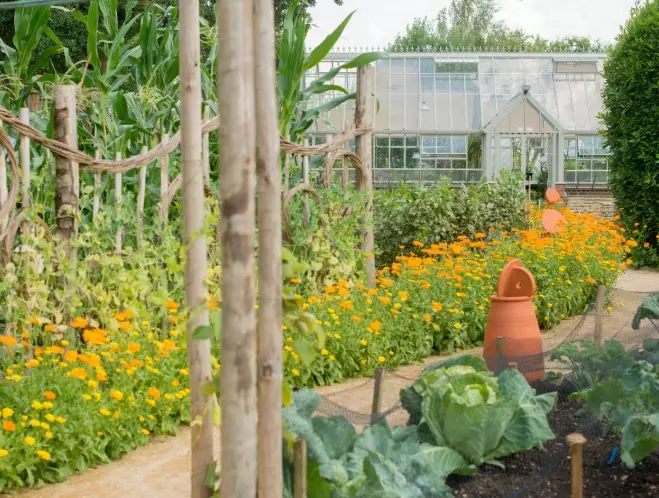
- Companion Planting: This is like matchmaking for plants. Some plants help each other out. For example, planting marigolds near tomatoes can help repel nematodes. Strong-smelling herbs like basil and rosemary can confuse pests looking for your veggies.
- Natural Pest Control: Instead of reaching for a spray, try these first:
- Hand-picking: For larger pests like caterpillars or beetles, it's oddly satisfying.
- Blast them off: A strong jet of water from the hose can dislodge aphids and spider mites.
- Barriers: Floating row covers can keep moths from laying eggs on your cabbage.
- Natural Sprays: Insecticidal soap or neem oil can tackle many soft-bodied insects and are much less harmful to beneficials than broad-spectrum pesticides.
- Attract Beneficial Insects: Ladybugs, lacewings, and parasitic wasps are voracious pest-eaters. Plant things with small, flat flowers (like dill, fennel, yarrow, and alyssum) to give them a source of nectar and pollen. You're building your own pest patrol.
Personal gripe: I used to think “organic” pesticides were always safe. I learned the hard way that even they can harm bees and other good bugs if sprayed when they're active. The real lesson? Tolerance. A few holes in a leaf are not a crisis.
Reduce, Reuse, Recycle in the Garden
The cycle of “buy plastic pot, plant dies, throw pot away” is brutal. Here’s how to break it.
- Start Seeds in Household Items: Egg cartons, toilet paper rolls, newspaper pots, or yogurt cups (with drainage holes poked in) work perfectly.
- Make Your Own Potting Mix: A simple blend of sifted compost, coconut coir (a renewable alternative to peat moss), and perlite or vermiculite is cheap and effective. You control what's in it.
- Upcycle Everything: Old wooden pallets can become planters or compost bins. Broken terracotta pots become markers or drainage material. Get creative.
- Leave the Leaves (Sometimes): In fall, don't bag every single leaf. Rake them into garden beds as winter mulch or create a leaf pile to break down into leaf mold—an incredible soil conditioner.
Choosing Your Plants: A Simple Framework
Overwhelmed by plant choices? Use this simple filter when you're at the nursery or browsing a catalog.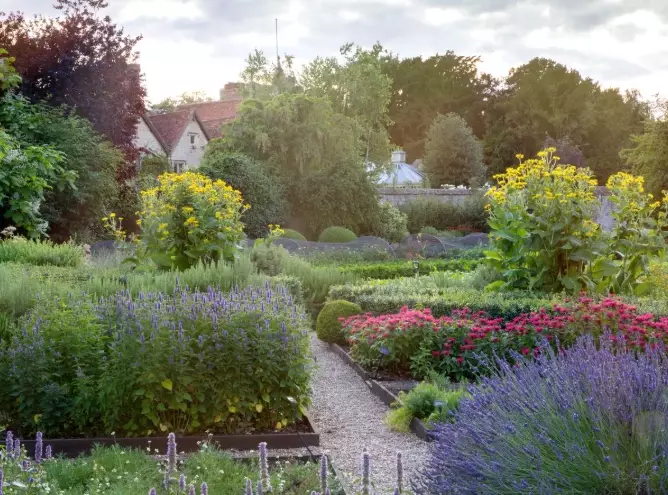
| Plant Type | Why It's Eco-Friendly | Great Examples to Look For |
|---|---|---|
| Native Perennials & Shrubs | Low water needs, minimal care, supreme wildlife value. The backbone of your garden. | Coneflower (Echinacea), Milkweed (for Monarchs!), Serviceberry, Oakleaf Hydrangea. |
| Pollinator-Friendly Flowers | Provide essential food for bees, butterflies, and other pollinators. Often native or well-adapted. | Bee Balm (Monarda), Sunflowers, Lavender (if it suits your climate!), Zinnias. |
| Edible Perennials | Plant once, harvest for years. Reduces annual planting work and input. | Asparagus, Rhubarb, Berry bushes (blueberry, raspberry), Fruit trees (dwarf varieties). |
| Nitrogen-Fixers | These plants pull nitrogen from the air and store it in their roots, fertilizing the soil naturally. | Beans, Peas, Clover (great as a living mulch!). |
See? It's not about a list of a hundred plants. It's about the role the plant plays in your little ecosystem.
Common Questions & Honest Answers
Wrapping It Up: Your Garden, Your Ecosystem
Look, transitioning to an eco-friendly gardening approach doesn't happen overnight. I still buy the occasional bagged potting mix. I still have a plant that mysteriously gives up on life. That's okay.
The point is the shift in mindset. From being a controller to being a steward. From seeing a bug and thinking “kill it” to thinking “I wonder what that is?” From dumping water on thirsty ground to building soil that holds moisture.
The rewards are tangible. More birdsong. The buzz of happy bees. Tomatoes that taste like sunshine. The deep satisfaction of knowing your beautiful space is also a healthy, functioning part of your local environment. It's not just gardening; it's a form of quiet, hopeful stewardship, one plant at a time.
So start small. Pick one thing from this guide—maybe setting up a rain barrel, planting a native shrub, or just stopping the use of one chemical product. See what happens. The garden, and the planet, will notice.
Reader Comments